





Liquid filtration systems rely heavily on the right type of filter element. Among the most widely used are filter bags and filter candles, each designed to meet different performance standards, operating environments, and filtration precision. Selecting the correct type is essential for industries such as chemicals, food & beverage, pharmaceuticals, coatings, petrochemicals, mining, and water treatment. This article provides a complete comparison-from design and construction to pressure capability, dirt-holding capacity, micron rating, wire mesh reinforcement, and cost considerations-helping you determine which solution best fits your operational needs.
Structural Differences Between Filter Bags and Filter Candles
Filter bags and filter candles differ greatly in shape, assembly method, and reinforcement support. These structural differences directly affect filtration efficiency, flow patterns, and compatibility with different systems.
Shape and Configuration
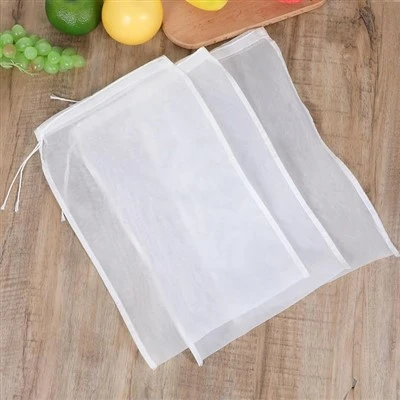
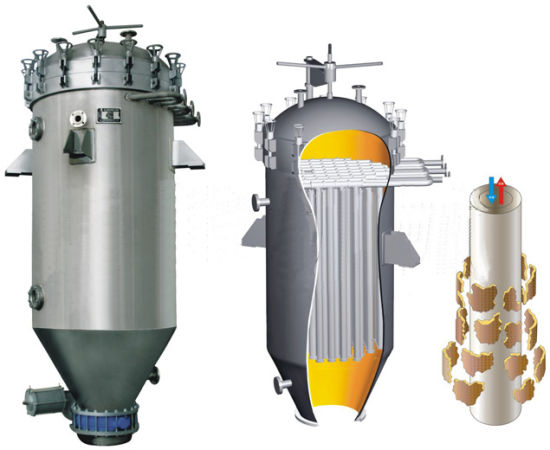
Filter bags typically feature a flexible, elongated pouch structure made from felt, mesh, or multi-layer composites. Their collapsible nature allows excellent surface area utilization but introduces variability in flow distribution when operating at high pressure. Filter candles, by contrast, are rigid cylindrical cartridges with a fixed geometry, providing repeatable performance in applications requiring tighter tolerances and stability under pressure. This shape consistency makes them ideal for automated systems and high-purity environments.
Internal Support Components
Filter bags often include a wire mesh or perforated metal support basket to maintain shape during operation. The bag itself does not generally possess intrinsic rigidity; instead, the support structure prevents collapse under flow velocity. Filter candles, on the other hand, integrate their support structure internally-often using stainless steel wire mesh cores, pleated mesh layers, or perforated tubes. This internal reinforcement not only enhances mechanical stability but also extends service life.
Media Composition and Layering
Bag filters may consist of single-layer felt, multilayer melt-blown media, or combinations of felt with a wire mesh backup layer. Candle filters typically use pleated layers of polypropylene, polyester, PTFE, or stainless-steel wire mesh. The pleated construction drastically increases surface area, improving dirt-holding capacity and reducing replacement frequency. Multi-layer candles can integrate depth filtration and surface filtration simultaneously, offering higher precision.
Filtration Flow Path Characteristics
Filter bags operate mainly through depth filtration, relying on thick felt layers to trap contaminants throughout the media. This makes them ideal for high-dirt-load environments. Filter candles, especially pleated or wire mesh types, rely on surface filtration, generating predictable flow paths that support precise micron retention. Their uniform geometry enables consistent pressure behavior, making them a preferred choice in critical applications.
Influence of Material Structure on Filtration Stability
The structural material of filter bags and filter candles directly affects their performance and long-term reliability in industrial filtration systems. Filter bags are typically made from felt, woven fabrics, or polypropylene materials, giving them a flexible structure that can handle varying contamination loads. By contrast, filter candles are constructed from pleated stainless steel mesh, sintered metal, or multilayer wire mesh, resulting in a rigid, stable geometry that maintains consistent pore size even under pressure. This distinction makes filter candles more suitable for applications requiring strict micron stability, while filter bags offer versatility and lower cost for general filtration tasks.
Flow Dynamics and Surface Area Differences
Another key structural difference lies in flow dynamics and effective filtration surface area. Filter bags rely on depth filtration, where contaminants penetrate the thickness of the media before being trapped, resulting in higher dirt-holding capacity. Filter candles use pleated media, significantly increasing surface area within a compact housing and enabling higher flow rates with lower pressure drop. This pleated design ensures greater operational efficiency and more uniform fluid distribution. In industries requiring continuous, high-volume processing-such as chemical production or hydraulic systems-this surface area advantage often positions filter candles as the more efficient option.
Compatibility with Housing and System Architecture
The structural design of filter bags and filter candles dictates the type of filtration housing required. Filter bags are typically used in bag filter housings with simple top-loading or side-loading configurations, offering fast installation and changeout. Filter candles, however, require cartridge-style housings designed to secure individual elements and ensure proper sealing. These housings provide improved leak protection and are better suited for high-pressure or high-temperature environments. The compatibility difference means engineers must evaluate system constraints-such as pressure, available space, and maintenance requirements-before choosing between bag or candle-style filtration.
For engineers who need deeper guidance on selecting the best filter type based on operatingconditions, our guide Choosing the Right Filter Bag Material for Optimal Performance providesdetailed material comparisons and performance insights.
Choosing the Right Filter Bag Material for Optimal Performance
Filtration Efficiency and Micron Rating Performance
The performance difference between filter bags and filter candles becomes most evident when comparing micron capability, consistency, and precision.
Nominal vs Absolute Micron Rating
Filter bags typically operate with nominal micron ratings, meaning they capture a percentage of particles at the stated size. This is suitable for general industrial filtration but less ideal for applications requiring guaranteed particle removal. Filter candles, especially pleated PP or stainless-steel mesh types, often provide absolute micron ratings, offering predictable and repeatable filtration down to 1–5 microns or finer.
Particle Retention Mechanisms
Felt filter bags trap contaminants using a tortuous depth pathway. This mechanism is excellent for high solids loading but lacks high precision. Filter candles use surface filtration where particles accumulate on the outer layer. The uniformity of pores-especially in wire mesh candles-improves accuracy and consistency, making them more suitable in food, biotech, or precision chemical sectors.
Efficiency Stability Over Time
As filter bags load with contaminants, efficiency improves temporarily due to cake buildup, but this also increases pressure drop. Candles maintain stable micron performance throughout their lifespan thanks to structured pleats or woven mesh. This makes candles better suited for environments requiring consistent flow and predictable quality.
Consistency Across Batches
Because filter candles are manufactured using rigid molds, pleating machinery, and precision weaving, they achieve far greater consistency between batches. Bags, although effective, are more dependent on manufacturing variation and require more frequent replacement to maintain precision.
Differences in Micron Rating Accuracy and Repeatability
Filter bags typically offer a wider tolerance in micron rating due to their fibrous or felt-based structure, which compresses and expands during operation. This means the actual particle retention can vary depending on pressure, temperature, and contaminant load. Filter candles, especially those made from stainless steel wire mesh or sintered metal, maintain highly consistent pore openings that deliver repeatable filtration results across batches. Their precision is crucial in processes requiring stable micron performance, such as catalyst recovery, hydraulic oil purification, and fine chemical production. This makes filter candles the preferred choice for industries demanding tight quality control.
Depth Filtration vs Surface Filtration Behavior
Filter bags function primarily through depth filtration, capturing contaminants not only on the media surface but also within internal fiber layers. This gives them high dirt-holding capacity and makes them ideal for applications with large amounts of suspended solids. Filter candles provide surface filtration, where particles are retained on the outer pleated or mesh surface. Although this results in higher filtration precision, the surface can clog faster if upstream prefiltration is insufficient. Understanding this distinction helps engineers design multi-stage filtration systems that balance capacity, precision, and efficiency.
Impact of Media Material on Filtration Consistency
The media material plays a crucial role in the consistency of filtration quality. Felt and polypropylene materials used in filter bags tend to deform slightly under pressure, which can change pore size during operation. Conversely, metal mesh and sintered metal used in filter candles remain dimensionally stable even under high differential pressures. This means filter candles can maintain exact micron ratings throughout the entire service cycle. For processes requiring strict contaminant control-such as food-grade oil polishing, fuel filtration, or pharmaceutical liquids-filter candles offer more reliable and predictable filtration performance.
To better understand how filtration accuracy is determined, you may also explore How Mesh Size Impacts Drainage Efficiency and Food Waste Management, which explains how each parameterinfluences real-world separation efficiency.
How Mesh Size Impacts Drainage Efficiency and Food Waste Management

Pressure Resistance and Mechanical Durability
Different industries operate under vastly different pressures, making mechanical durability a critical selection factor.
Pressure Tolerance Differences
Filter bags, especially felt types, have limited pressure capability and may deform under high differential pressure. Candle filters-reinforced by metal cores-often operate efficiently under pressures exceeding 6–10 bar, depending on design.
High-Flow System Compatibility
Bags may swell or stretch under high velocity, causing inconsistent flow distribution. Candles remain dimensionally stable, making them ideal for high-flow systems in petrochemicals, desalination, or power plants.
Temperature Resistance
High-temperature media, such as hot oils or chemical solvents, require stable structures. Stainless-steel candle filters deliver superior performance up to 500°C, whereas bags are typically limited to 90–140°C unless using special materials.
Long-Term Durability Comparison
Candle filters offer longer lifespans due to stronger construction, reusable mesh options, and stable geometry. Bags are typically disposable but economical, serving well for high-dirt, low-cost applications.
Behavior Under High Differential Pressure Conditions
Filter bags are generally designed for moderate differential pressures, as their flexible media can deform or compress when subjected to excessive force. This makes them less suitable for hydraulic systems, chemical reactors, or high-viscosity applications where pressure spikes may occur. Filter candles, on the other hand, are engineered to withstand significantly higher pressures due to their rigid structure and pleated metal or synthetic construction. They maintain shape and pore integrity even under extreme operating conditions. As a result, industries requiring consistent performance under fluctuating pressures often rely on filter candles to prevent collapse, distortion, and process interruption.
Vibration, Thermal Cycling, and Mechanical Stress Resistance
In systems with constant vibration, thermal cycling, or repeated mechanical stress, filter candles provide superior durability compared with filter bags. Their metal or reinforced construction resists fatigue and material breakdown, whereas filter bags may develop tears or fiber shedding over time. High-temperature operations-such as hot oil filtration, polymer processing, or steam systems-can accelerate wear in bag filters, reducing their lifespan. Filter candles retain structural stability even in continuous high-temperature environments, ensuring consistent performance and reducing the frequency of changeouts and maintenance activities.
Longevity and Total Service Life Comparison
The mechanical durability of filter candles translates into a significantly longer service life than filter bags, especially in demanding industrial conditions. While filter bags may require frequent replacement due to clogging, deformation, or fabric degradation, filter candles can often be cleaned, reconditioned, and reused multiple times. Their rigid structure and resistance to chemical attack increase their long-term cost-effectiveness. This extended service life makes filter candles a strategic choice for operations where downtime is expensive or continuous filtration is required. In contrast, filter bags remain advantageous for lower-cost installations or applications with less mechanical stress.
Dirt-Holding Capacity and Service Life
Depth Loading Capacity
Bag filters excel in high-dirt-load situations. Their depth structure allows significant contamination retention before requiring replacement. This advantage makes them suitable for paints, inks, chemicals, and wastewater.
Surface Loading Behavior
Candle filters load on the surface. While they generally hold less dirt than bags, surface loading improves cleaning efficiency and supports backwashing for stainless steel versions.
Replacement Frequency
Filter bags often require more frequent replacement due to rapid clogging. Candle filters, especially pleated ones, have significantly longer service intervals.
Bypass and Leakage Prevention
Candle filters with double O-rings or metal end caps provide superior sealing. Bag filters rely on proper installation and quality of the bag collar, making sealing performance more variable.
Cost, Maintenance, and Operational Considerations
Initial Equipment Cost
Filter bags are low cost and good for operations aiming to minimize upfront expenses. Candle systems require higher investment due to housing and component costs.
Replacement and Operating Cost
Although bag replacement is frequent, each bag is inexpensive. Candle filters cost more individually but offer longer replacement cycles and lower long-term expenses.
Cleaning and Maintenance
Most filter bags are disposable. Candle filters-especially metal mesh ones-can be cleaned and reused multiple times.
Labor and Downtime Impacts
Bag systems are simple and fast to replace, minimizing labor. Candle systems reduce downtime by offering extended service life but may require more skill to maintain.
Food & Beverage Processing Requirements
In the food and beverage sector, filtration must meet strict hygiene and safety standards. Filter bags are often preferred for high-volume liquid processing because they offer large surface area, easy replacement, and cost-effective operation. They efficiently remove particulates in applications such as edible oils, beverages, syrups, dairy processing, and brewing. Filter candles, however, are used when extremely fine or sterile filtration is required-especially for final polishing or microbial reduction. Their rigid structure provides superior consistency, but maintenance and cost are higher. Choosing between the two usually depends on whether the process prioritizes throughput, sterility, or ease of changeout.
Chemical & Petrochemical Operating Conditions
Chemical processing frequently involves aggressive liquids, varying temperatures, and high viscosity. Filter bags work well for bulk impurity removal, pre-filtration, and large-particle separation, delivering excellent flow rates under continuous operation. When the application requires fine retention, compatibility with corrosive media, or guaranteed structural integrity under pressure, filter candles become the more reliable option. Their design supports higher stability and precise filtration levels, making them the preferred choice for solvents, resins, fuels, and specialty chemicals. Many plants integrate both methods-bags for pre-filtration and candles for final polishing-to achieve efficiency and long equipment life.
Water Treatment and Environmental Applications
In water treatment, filtration systems must efficiently handle variable contamination loads, fluctuating flow rates, and large volumes of liquid. Filter bags are commonly used for removing sediment, rust, suspended solids, and organics due to their high dirt-holding capacity and low operational cost. They excel in industrial wastewater treatment and pre-filtration before membrane systems. Filter candles come into play when the system requires precise removal of very fine particles or when regulatory standards demand high-clarity output, such as in ultrapure water systems. Facilities often adopt multi-stage setups where bag filters handle coarse loads and candles ensure final high-purity performance.
Chemical & Petrochemical Operating Conditions
Chemical processing frequently involves aggressive liquids, varying temperatures, and high viscosity. Filter bags work well for bulk impurity removal, pre-filtration, and large-particle separation, delivering excellent flow rates under continuous operation. When the application requires fine retention, compatibility with corrosive media, or guaranteed structural integrity under pressure, filter candles become the more reliable option. Their design supports higher stability and precise filtration levels, making them the preferred choice for solvents, resins, fuels, and specialty chemicals. Many plants integrate both methods-bags for pre-filtration and candles for final polishing-to achieve efficiency and long equipment life.
Water Treatment and Environmental Applications
In water treatment, filtration systems must efficiently handle variable contamination loads, fluctuating flow rates, and large volumes of liquid. Filter bags are commonly used for removing sediment, rust, suspended solids, and organics due to their high dirt-holding capacity and low operational cost. They excel in industrial wastewater treatment and pre-filtration before membrane systems. Filter candles come into play when the system requires precise removal of very fine particles or when regulatory standards demand high-clarity output, such as in ultrapure water systems. Facilities often adopt multi-stage setups where bag filters handle coarse loads and candles ensure final high-purity performance.
To extend system life and minimize operational downtime, you can also refer to Maintenance BestPractices for Long-Lasting Filtration Systems, which outlines practical steps for improving filterefficiency and service longevity.
Maintenance BestPractices for Long-Lasting Filtration Systems
Comparison Table: Filter Bags vs Filter Candles
| Feature | Filter Bags | Filter Candles |
|---|---|---|
| Micron Rating | Nominal | Absolute |
| Pressure Resistance | Low to Medium | High |
| Dirt-Holding Capacity | Very High | Medium |
| Durability | Low | High |
| Reusability | Mostly No | Yes |
| Cost | Low | Higher |
| Precision | Medium | High |
| Suitable Industries | Paint, Wastewater, Chemicals | Pharma, Food, High-Purity, Petrochemicals |
Which Option Is Best for Your Application?
High-Dirt and Low-Cost Environments
Filter bags are ideal for wastewater, bulk chemicals, mining, and general industrial liquid filtration.
High-Purity and High-Precision Applications
Filter candles-especially pleated PP or stainless-steel mesh-are preferred for food, pharma, electronics, and biotech sectors.
High-Pressure and High-Temperature Systems
Candle filters withstand extreme operating conditions and are favored for petrochemical and thermal fluid filtration.
Long-Term Cost Efficiency
Though initial costs are higher, candle filters often reduce lifetime system cost due to longer service life.
Conclusion
Choosing between filter bags and filter candles ultimately comes down to understanding your process needs, operating environment, and the performance expectations of your filtration system. Both technologies play essential roles across industries, but they deliver value in different ways. Filter bags stand out for their high flow capacity, large dirt-holding volume, fast changeout, and overall cost-effectiveness. They are especially suitable for applications where throughput and operational simplicity matter most-such as large-volume liquid processing, pre-filtration steps, and general industrial use. Their flexible structure allows them to handle fluctuating solids loads, making them a reliable choice for daily production.
Filter candles, on the other hand, excel in applications requiring precision, consistency, and mechanical stability. Their rigid, uniform geometry supports highly accurate filtration levels, offering superior control over final product quality, especially in industries where clarity, sterility, or particle uniformity are critical. Although their operational costs are higher and maintenance is more demanding, they provide unmatched performance in fine filtration, aggressive chemical environments, and processes requiring long-term stability.
In practice, many facilities combine both technologies-using filter bags for bulk reduction and filter candles for final polishing-to maximize efficiency and extend system longevity. By evaluating factors such as contaminant size, required filtration accuracy, fluid characteristics, operating pressure, and budget, you can determine the ideal solution for your specific application. Ultimately, the right choice is the one that maintains product quality, reduces downtime, and supports long-term operational reliability.
You might also be interested in these articles:
Choosing the Right Replacement Bag Filter for Your System
Is It Time to Replace Your Bag Filters? A Material Engineer's Guide to Corrosion, Cleanability & Compliance in Food-Safe Metals
Choosing Food-Safe Metals: A Deep Technical Exploration of Material Behavior in Modern Food Manufacturing