





.
Key Factors That Determine Replacement Bag Filter Selection
Fluid Characteristics and Chemical Compatibility
Understanding the nature of the fluid is the foundation of bag filter selection. Fluids may contain corrosive chemicals, suspended solids, oil-based contaminants, or temperature-sensitive components. Each of these variables influences the choice of bag material-such as polypropylene, polyester, nylon, or PTFE. For example, corrosive chemical streams may require high-resistance media like PTFE, while food-grade fluids demand FDA-compliant polyester felt. Viscosity also plays a role; higher-viscosity liquids generate greater pressure drop, requiring stronger media or larger-surface-area designs. Choosing a filter that matches the chemical and physical behavior of the fluid ensures long-term stability, prevents media degradation, and protects downstream equipment from contamination or pressure spikes.
Micron Rating Accuracy and Filtration Precision
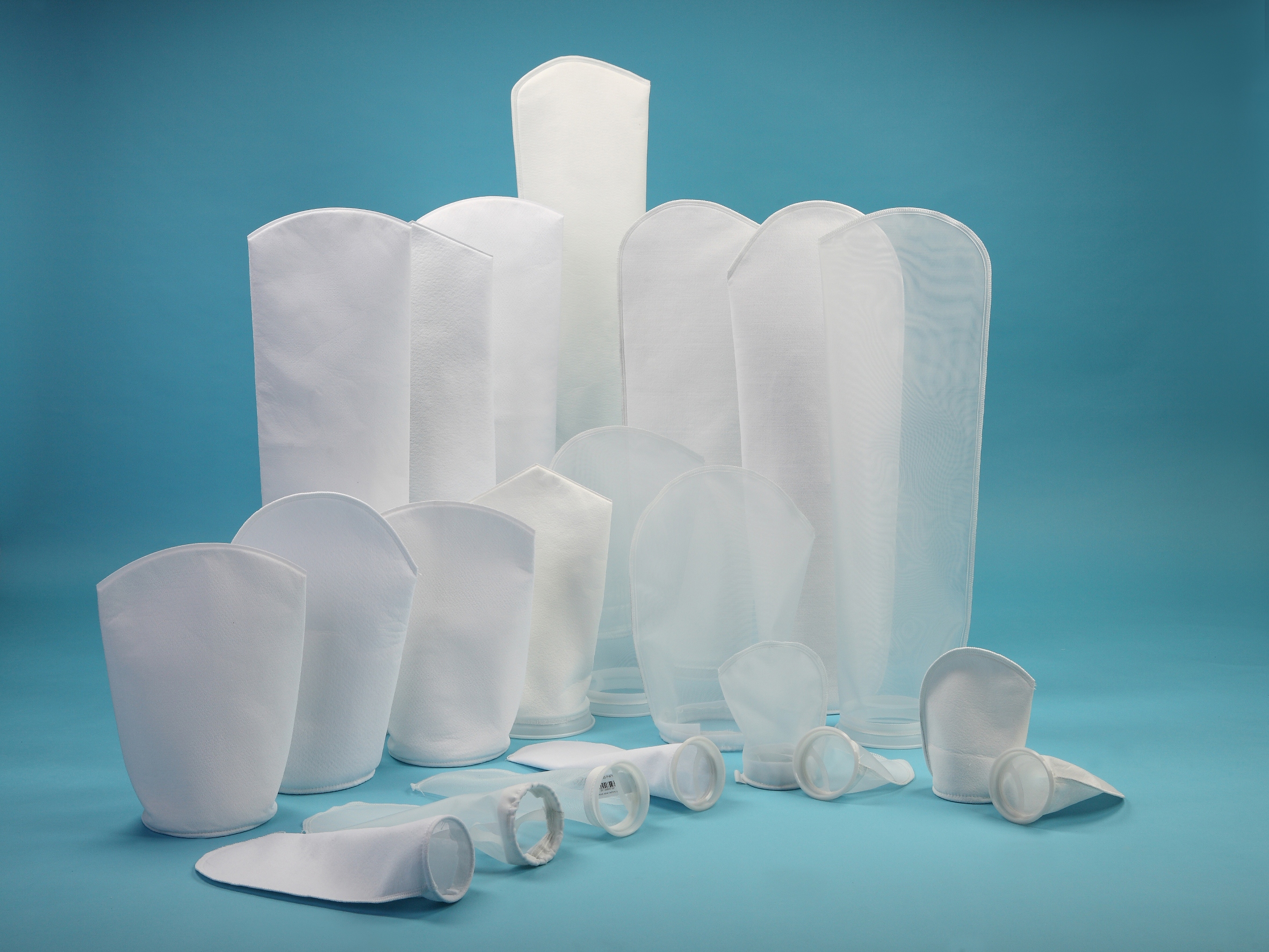
Micron rating determines how effectively a bag filter traps particles, making it one of the most critical factors in replacement selection. Nominal-rated bags are sufficient for general industrial use, where capturing a percentage of particles is acceptable. Absolute-rated bags, however, provide guaranteed retention of the stated particle size and are essential for high-purity sectors like food & beverage, pharmaceuticals, and fine chemical production. When selecting a replacement, engineers must consider not only the micron rating but also the consistency of pore size, media layering, and flow distribution. High-precision applications often rely on multilayer melt-blown bags or surface-filtration mesh bags to ensure repeatable performance.
Flow Rate Requirements and Pressure Drop Behavior
Hydraulic balance is essential for maintaining filtration efficiency and preventing premature filter failure. Bag filters with insufficient surface area or incorrect media density create excessive differential pressure, lowering flow rate and causing system strain. Well-designed replacements should match the system's expected throughput and maintain stable ΔP levels during operation. Pleated bag designs, multilayer composites, or mesh-reinforced structures are often chosen to reduce pressure drop in high-flow environments. When flow rates fluctuate, depth-filtration felts may offer better adaptability than stiff surface-filtration media. Selecting a replacement that aligns with flow requirements ensures energy efficiency and protects pumps, seals, and downstream equipment.
Dirt-Holding Capacity and Filtration Lifecycle
A filter's dirt-holding capacity determines how long it can operate before needing replacement. Depth-filter bags-such as melt-blown or felt types-trap contaminants throughout the media, allowing them to retain large volumes of solids. In contrast, mesh bags collect contaminants on the surface, making them appropriate for applications where clogging must be easily monitored or where backwashing is part of the maintenance cycle. Selecting a replacement bag with the right dirt-holding profile reduces downtime, lowers labor burden, and stabilizes filtration costs. High-load industries such as wastewater treatment, mining, and paint production often benefit from high-capacitance depth media, while precision sectors prefer surface-filtration stability.
Comparison of Common Replacement Bag Filter Materials
Material Selection Overview
| Material | Chemical Resistance | Temperature Limit | Cost Level | Typical Applications |
|---|---|---|---|---|
| Polypropylene | Excellent for acids & organics | Up to 90°C | Low | Chemicals, wastewater |
| Polyester | Good general resistance | Up to 150°C | Medium | Food, coatings, solvents |
| Nylon Mesh | Limited chemical resistance | Up to 120°C | Medium | Surface filtration, food |
| PTFE | Exceptional resistance | Up to 260°C | High | Pharma, corrosive chemicals |
Polypropylene Felt and Its Versatility
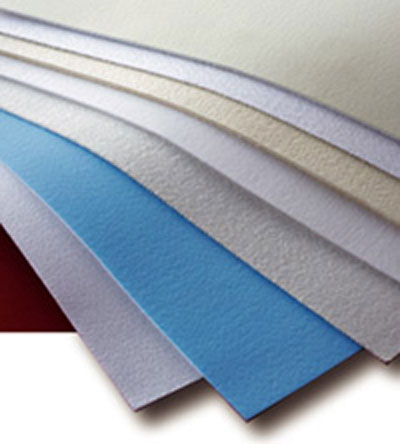
Polypropylene felt is the most widely used bag filter material due to its chemical resistance, affordability, and compatibility with a wide range of industrial fluids. Its depth-filtration structure provides excellent dirt-holding capacity, making it ideal for high-load environments. It performs reliably in wastewater, bulk chemicals, and pre-filtration applications. Additionally, PP felt resists most acids and organic compounds-an advantage for chemical factories and surface-treatment plants. While its temperature limit is moderate, it offers outstanding value where high precision is not the top priority.
Polyester Felt for Higher Temperature Resilience
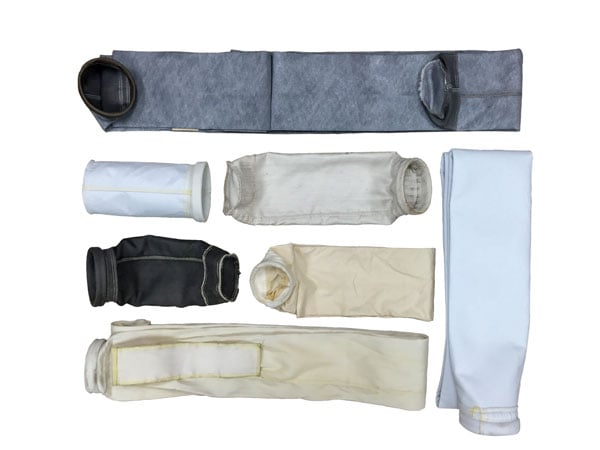
Polyester felt offers superior temperature tolerance and dimensional stability, making it suitable for hot liquids, coatings, solvents, and food-processing fluids. Its strength under mechanical stress reduces fiber shedding and maintains pore structure more consistently than polypropylene. Additionally, polyester withstands cleaning chemicals used in CIP systems, making it popular in beverage and dairy industries. While chemical resistance is not as broad as PTFE, it offers an excellent balance between performance, price, and durability in medium-demand environments.
Nylon Mesh for Surface Filtration Applications
Nylon monofilament mesh provides precise surface-level filtration, allowing operators to visually inspect loading and clean the media easily. It is often used in food processing, water treatment, and applications requiring accurate particle separation without depth loading. Although nylon has moderate temperature limits and weaker chemical resistance compared to PP or PTFE, its structural uniformity delivers highly predictable retention. It is favored where reusability is valuable or where filtration quality must be visually monitored.
PTFE Media for Extreme Chemical and Thermal Environments
PTFE bag filters provide unmatched performance in corrosive, high-temperature, or high-purity processes. They maintain pore stability even under thermal cycling and resist nearly all chemical classes. PTFE is frequently used in pharmaceuticals, semiconductor manufacturing, fine chemicals, and aggressive solvent systems. While the cost is higher, the extended service life and reliability in demanding environments often justify the investment. For processes requiring absolute consistency and minimal contamination risk, PTFE is the material of choice.
Operational Considerations When Selecting Replacement Bag Filters
Housing Compatibility and Seal Integrity
Proper sealing ensures filtration accuracy and prevents bypass-a critical issue when replacing bag filters. Replacement bags must match collar diameter, ring type (steel, stainless steel, plastic), and housing depth. High-precision sectors often require molded polypropylene or stainless-steel rings for leak-free operation. A mismatch in collar type can result in performance loss even when the media is correct. Ensuring compatibility protects system efficiency, product quality, and regulatory compliance.
Installation Environment and Maintenance Frequency
Industrial environments vary widely in terms of contamination loading, operating hours, temperature cycles, and cleaning availability. Systems operated continuously with high particulate loads require filters with enhanced dirt-holding capacity and reinforced seams. Facilities with limited downtime may require pleated designs or high-surface-area options to extend service intervals. Understanding the operational environment helps engineers select replacements that maximize uptime and reduce overall maintenance cost.
Cost-Benefit Analysis and Total Cost of Ownership (TCO)
While bag filters are typically economical, long-term costs accumulate through replacement frequency, labor, downtime, and disposal. Sometimes a slightly more expensive bag-such as a multilayer composite-may reduce operational cost significantly by extending service life. In precision industries, the financial impact of contamination or inconsistent micron retention far outweighs filter price. Proper replacement selection requires balancing media cost with operational efficiency and product safety.
Sustainability and Waste Management Considerations
Industries increasingly prioritize sustainability, making waste reduction an important selection factor. Choosing durable, high-capacity media reduces the number of disposed filters. Reusable mesh bags are appropriate for certain applications, reducing waste and lowering long-term costs. For eco-sensitive industries or regions with strict environmental regulations, selecting the right replacement filter contributes to sustainability goals while maintaining performance.
Additional Comparison Table for Rapid Engineering Selection
Engineering teams often need a fast, data-driven way to decide whether an existing bag filter should be replaced, upgraded, or complemented with a secondary filtration stage. While performance symptoms such as pressure rise or reduced flow provide early warning, a structured comparison framework allows engineers to evaluate replacement decisions more confidently. By combining operational parameters, material limitations, and risk thresholds, this table helps streamline technical assessments and supports efficient maintenance planning. It is particularly useful for plants that operate continuous systems, batch reactors, circulating loops, or multi-stage filtration trains where downtime or product variability can result in significant cost impacts.
The factors in this table are selected based on real-world filtration behavior-including dirt-loading tendencies, deformation risks, compatibility with corrosive or high-temperature fluids, and historical failure modes observed across chemical processing, food and beverage, coatings, petrochemicals, and water treatment industries. Each parameter also reflects the typical degradation points that operators encounter, such as fiber compaction, bag collapse, bypass risk, and mechanical fatigue caused by fluctuating differential pressure. These insights help engineers move from reactive maintenance to predictive replacement strategies.
Another advantage of this comparison format is its ability to align cross-department communication. Production managers can quickly identify how filter degradation affects throughput; quality-control teams can assess risks tied to micron instability; and maintenance teams can determine whether time-based or condition-based replacement schedules are more suitable. By integrating these factors into a unified reference table, operations gain clearer visibility into when a filter bag has reached the end of its effective service life and when switching to an upgraded media-or a cartridge-based solution-may deliver long-term cost advantages.
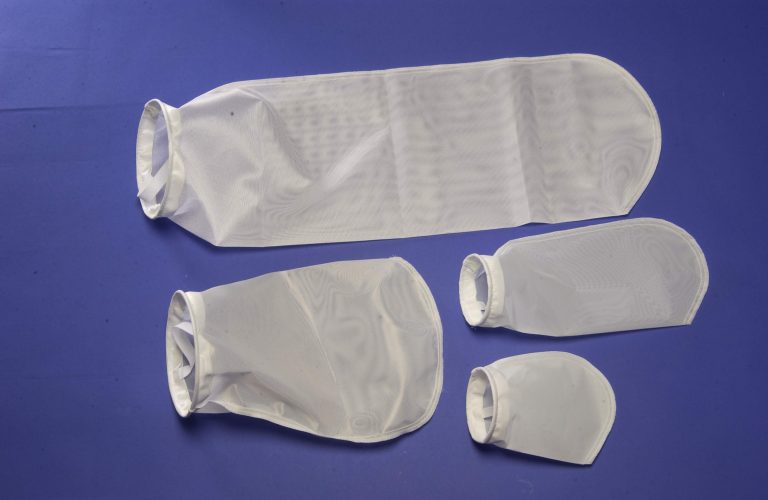

Performance Comparison of Replacement Bag Types
| Filter Type | Filtration Mechanism | Dirt Capacity | Precision Level | Ideal Industries |
|---|---|---|---|---|
| Felt (PP/PE) | Depth filtration | Very High | Moderate | Wastewater, chemicals |
| Melt-Blown | Depth multilayer | High | High | Food, coatings, fine chemicals |
| Mesh (Nylon/SS) | Surface filtration | Medium | Very High | Pharma, beverage, electronics |
| PTFE | Surface + stable pores | Medium | Extremely High | Chemical processing, semiconductors |
Material-Dependent Degradation Mechanisms
Polypropylene Media Fatigue Under Thermal and Chemical Stress
Polypropylene (PP) filter bags degrade in predictable patterns when exposed to elevated temperatures or aggressive chemicals. Over time, thermal cycling induces polymer chain relaxation, reducing tensile strength and increasing deformation risk under pressure. Chemical swelling can further enlarge pore structures, causing micron drift and inconsistent particle capture. These changes often appear before full structural failure, making PP filters more suitable for moderate-temperature, non-aggressive environments. Engineering teams must monitor pore stability and mechanical rigidity to avoid unexpected breakthrough or performance decline.
Polyester Media Resistance in High-Solids Applications
Polyester filter bags offer better abrasion resistance, making them ideal for systems with abrasive solids or large particle loads. However, polyester fibers gradually stiffen with repeated contaminant embedding, reducing effective permeability. As stiffness increases, ΔP rise becomes more rapid, shortening service life. The replacement cycle for polyester media is therefore more influenced by solids loading than by chemical degradation. Industries such as pigments, mining, and wastewater treatment commonly adopt shorter planned intervals to maintain flow stability.
Signs of Material Aging in Multi-Layer Composite Bags
Composite filter bags-often consisting of melt-blown layers supported by external mesh-display aging through internal delamination or media compaction. Over time, the melt-blown core compresses under pressure, reducing void volume and accelerating clogging. This leads to shorter service intervals even though outer layers appear intact. Engineers should check weight gain, stiffness increase, and internal media collapse when determining replacement frequency, especially in high-viscosity liquids.
How Wire Mesh-Supported Bags Extend Service Intervals
Wire mesh-backed filter bags provide significantly improved shape stability under differential pressure. The internal mesh skeleton minimizes collapse, prevents media stretching, and keeps pore size consistent. As a result, these reinforced bags maintain flow stability longer and are better suited for high-flow or high-viscosity filtration. Their ability to preserve geometry also reduces batch-to-batch variation, making them attractive for critical pre-filtration stages.
Integration of Digital Monitoring Tools for Replacement Optimization
Using Differential Pressure Sensors for Predictive Maintenance
Digital DP sensors enable engineers to identify clogging trends long before failure occurs. By recording ΔP variations over time, facilities can upgrade from reactive replacement to predictive maintenance. This reduces unnecessary changeouts and prevents unplanned shutdowns.
Impact of Flow Meters on Determining Replacement Cycles
Flow meters allow continuous monitoring of volumetric changes. A gradual decline in flow, even at stable pressure, may indicate surface fouling or structural compaction inside the bag. This metric is especially useful in multi-stage filtration systems.
Automated Alerts in SCADA/PLC Systems
Integrating filter bag monitoring into plant-wide SCADA or PLC systems enables automated alerts when predefined thresholds are reached. This reduces reliance on operator intuition and ensures timely replacement actions.
Data Logging for Long-Term Cycle Optimization
Historical data collection allows engineering teams to analyze seasonal, batch-based, or upstream-process-dependent variations. With sufficient data, replacement strategies can be fine-tuned for each product type or production line.
Engineering Guidelines for High-Pressure and High-Solids Systems
Understanding Loading Dynamics in High-Solids Streams
High-solids fluids produce accelerated clogging due to rapid pore bridging and compressive fouling. Bag filters in these environments often reach ΔP limits much faster than predicted, requiring short replacement intervals.
Structural Reinforcement Requirements for High-Pressure Applications
Systems operating above 4–6 bar benefit from reinforced or wire-mesh-supported bags to prevent collapse. Without reinforcement, the media may stretch, reducing precision and increasing bypass risks.
Flow Distribution Challenges in High-Viscosity Liquids
Viscous fluids produce uneven flow paths, causing localized overloading zones. This shortens bag life and results in unpredictable ΔP spikes. Engineers often use larger surface area bags or staged prefiltration to mitigate this.
Micron Drift Risks Under Mechanical Stress
Operating under fluctuating pressure or pulsation may distort pore geometry in non-reinforced media. This leads to micron instability and inconsistent product quality, requiring more frequent replacement.
Engineering Requirements for High-Pressure / High-Solids Operations
| Condition | Recommended Bag Type | Replacement Cycle | Key Notes |
|---|---|---|---|
| High-Solids (>500 ppm) | Depth felt bag | Short | Prevent ΔP overshoot |
| High-Pressure (>6 bar) | Mesh-reinforced bag | Medium | Shape stability critical |
| High-Viscosity Fluids | Extra-surface-area bags | Medium | Reduces load concentration |
| Precision Filtration | Absolute-rated bags | Medium–Long | Maintain final clarity |
Conclusion
A precise bag filter replacement strategy is essential for maintaining stable industrial filtration performance, preventing downtime, and protecting downstream equipment. Choosing the correct replacement interval requires a systematic evaluation of contaminant load, ΔP behavior, fluid characteristics, and media aging patterns. By integrating reinforced media, staged pre-filtration, or digital monitoring tools, facilities can significantly improve predictability and extend service life while maintaining product quality. Different industries-from chemicals and petrochemicals to food processing and water treatment-benefit from tailored replacement cycles that match their operational demands.
As manufacturing moves toward higher automation and data-driven decision-making, filter bag replacement becomes less of a routine manual task and more of an engineering optimization process. Facilities that collect operational data and fine-tune replacement intervals based on system behavior achieve better performance, lower total cost of ownership, and greater process reliability. Ultimately, the ideal replacement strategy is not simply based on time but on monitored performance trends, system architecture, and the specific filtration objectives of each production environment.