






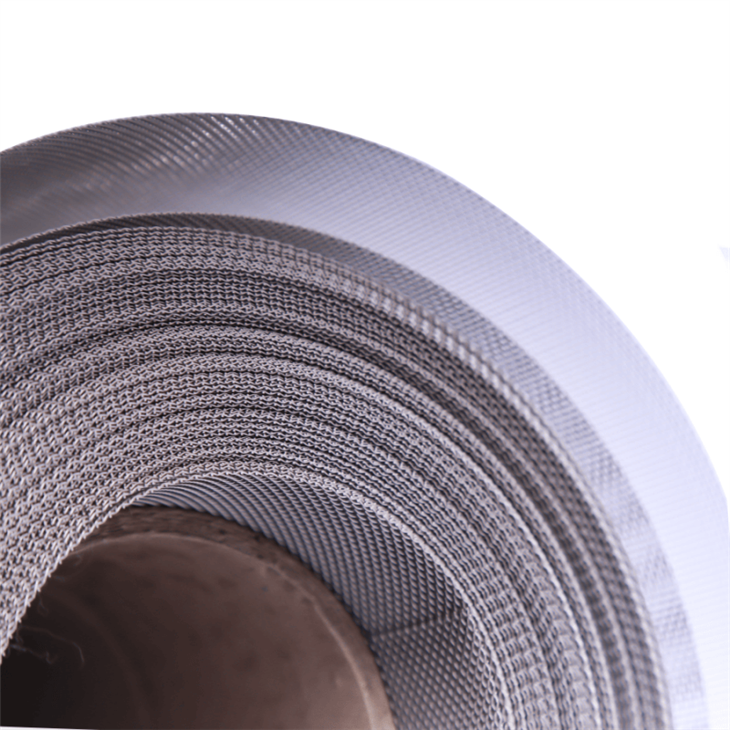
Products Description


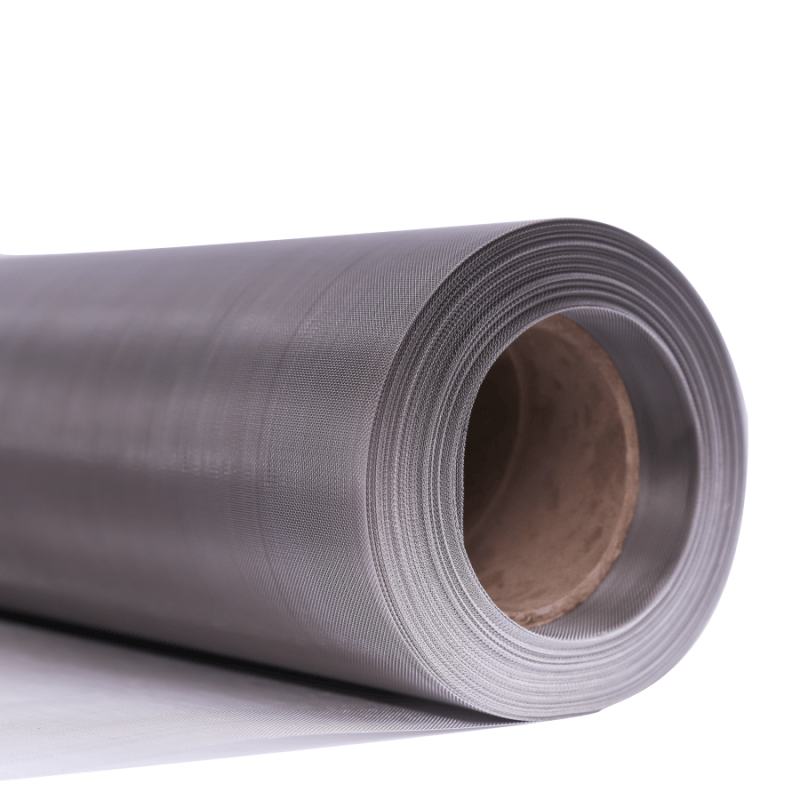
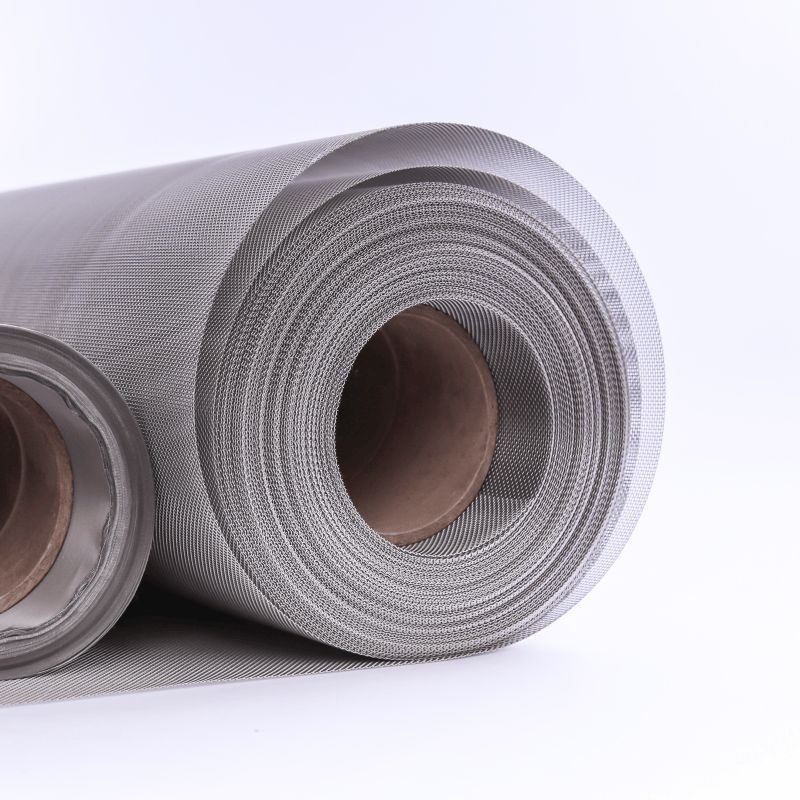
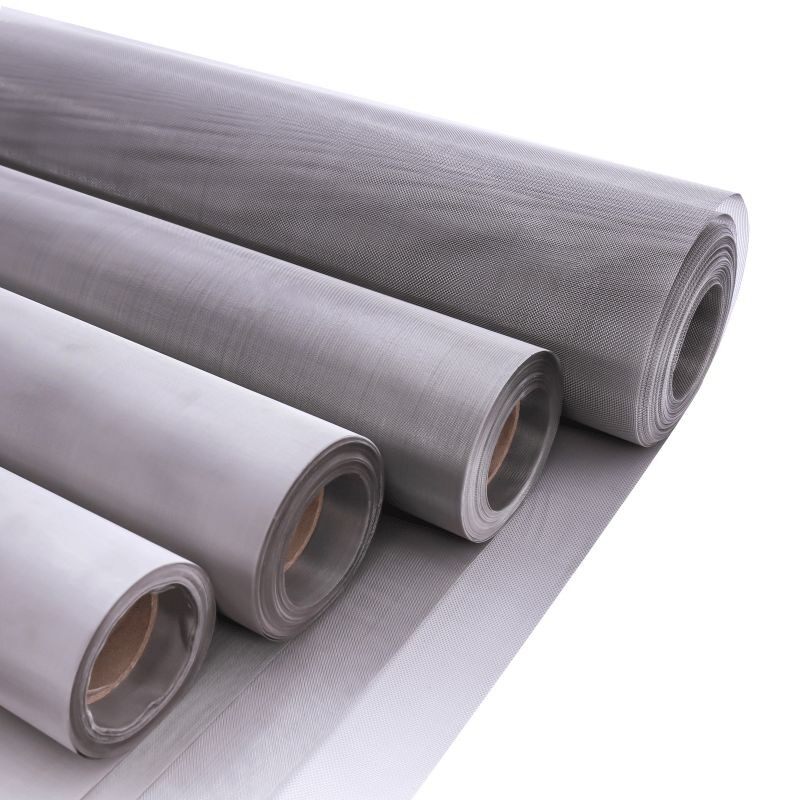
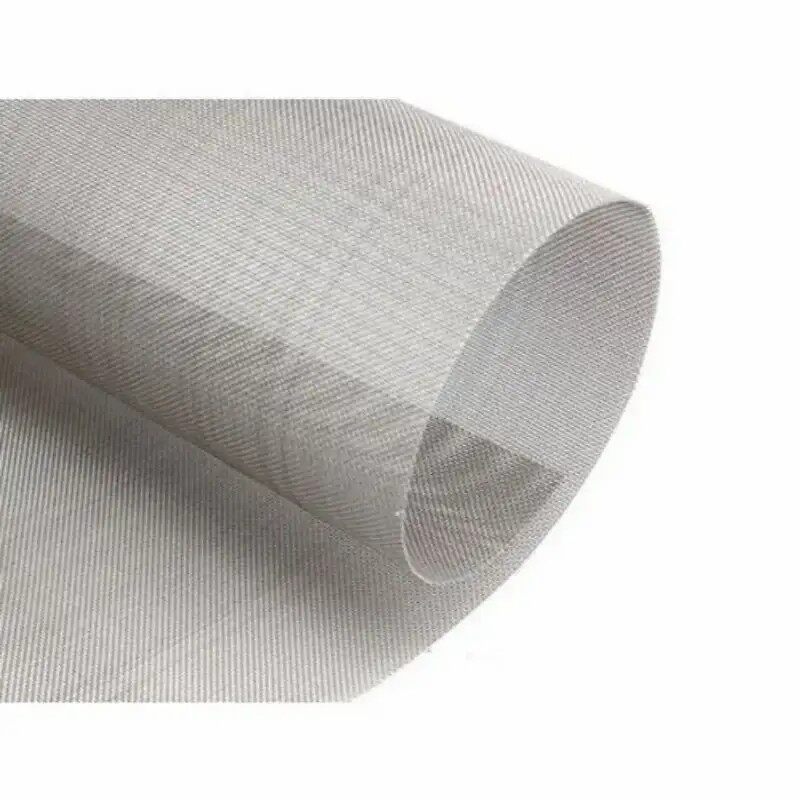
Stainless steel wire mesh is a versatile and durable material widely used in filtration, screening, separation, and reinforcement applications across industrial, commercial, and architectural sectors. Globally, SS304 and SS316 are the most commonly used types, with SS304 being the most prevalent due to its excellent strength, corrosion resistance, and cost-effectiveness. For more demanding conditions, SS316 wire mesh provides superior resistance to chemicals, high salinity, and harsh environments, making it ideal for marine, chemical, and extreme-condition applications.
As a professional stainless steel wire mesh manufacturer, we provide high-quality SS304 and SS316 products, with customizable sizes and specifications to meet specific project requirements. Applications include water filtration systems, industrial sieving, chemical processing, protective enclosures, and architectural installations. Each mesh is manufactured under strict quality control to guarantee long-lasting durability and reliability, offering cost-effective, high-performance solutions for customers worldwide.
Weaving Type:
Plain Weave
Twill Weave
Plain Dutch Weave
Twill Dutch Weave

Specifications
|
Mesh/Inch |
Wire Diameter |
Aperture |
Open Area |
Weight (LB) /100 Square Foot |
||
|
Inch |
MM |
Inch |
MM |
|||
|
1 × 1 |
.080 |
2.03 |
.920 |
23.37 |
84.6 |
41.1 |
|
2 × 2 |
.063 |
1.60 |
.437 |
11.10 |
76.4 |
51.2 |
|
3 × 3 |
.054 |
1.37 |
.279 |
7.09 |
70.1 |
56.7 |
|
4 × 4 |
.063 |
1.60 |
.187 |
4.75 |
56.0 |
104.8 |
|
4 × 4 |
.047 |
1.19 |
.203 |
5.16 |
65.9 |
57.6 |
|
5 × 5 |
.041 |
1.04 |
.159 |
4.04 |
63.2 |
54.9 |
|
6 × 6 |
.035 |
.89 |
.132 |
3.35 |
62.7 |
48.1 |
|
8 × 8 |
.028 |
.71 |
.097 |
2.46 |
60.2 |
41.1 |
|
10 × 10 |
.025 |
.64 |
.075 |
1.91 |
56.3 |
41.2 |
|
10 × 10 |
.020 |
.51 |
.080 |
2.03 |
64.0 |
26.1 |
|
12 × 12 |
.023 |
.584 |
.060 |
1.52 |
51.8 |
42.2 |
|
12 × 12 |
.020 |
.508 |
.063 |
1.60 |
57.2 |
31.6 |
|
14 × 14 |
.023 |
.584 |
.048 |
1.22 |
45.2 |
49.8 |
|
14 × 14 |
.020 |
.508 |
.051 |
1.30 |
51.0 |
37.2 |
|
16 × 16 |
.018 |
.457 |
.0445 |
1.13 |
50.7 |
34.5 |
|
18 × 18 |
.017 |
.432 |
.0386 |
.98 |
48.3 |
34.8 |
|
20 × 20 |
.020 |
.508 |
.0300 |
.76 |
36.0 |
55.2 |
|
20 × 20 |
.016 |
.406 |
.0340 |
.86 |
46.2 |
34.4 |
|
24 × 24 |
.014 |
.356 |
.0277 |
.70 |
44.2 |
31.8 |
|
30 × 30 |
.013 |
.330 |
.0203 |
.52 |
37.1 |
34.8 |
|
30 × 30 |
.012 |
.305 |
.0213 |
.54 |
40.8 |
29.4 |
|
30 × 30 |
.009 |
.229 |
.0243 |
.62 |
53.1 |
16.1 |
|
35 × 35 |
.011 |
.279 |
.0176 |
.45 |
37.9 |
29.0 |
|
40 × 40 |
.010 |
.254 |
.0150 |
.38 |
36.0 |
27.6 |
|
50 × 50 |
.009 |
.229 |
.0110 |
.28 |
30.3 |
28.4 |
|
50 × 50 |
.008 |
.203 |
.0120 |
.31 |
36.0 |
22.1 |
|
60 × 60 |
.0075 |
.191 |
.0092 |
.23 |
30.5 |
23.7 |
|
60 × 60 |
.007 |
.178 |
.0097 |
.25 |
33.9 |
20.4 |
|
70 × 70 |
.0065 |
.165 |
.0078 |
.20 |
29.8 |
20.8 |
|
80 × 80 |
.0065 |
.165 |
.0060 |
.15 |
23.0 |
23.2 |
|
80 × 80 |
.0055 |
.140 |
.0070 |
.18 |
31.4 |
16.9 |
|
90 × 90 |
.005 |
.127 |
.0061 |
.16 |
30.1 |
15.8 |
|
100 × 100 |
.0045 |
.114 |
.0055 |
.14 |
30.3 |
14.2 |
|
100 × 100 |
.004 |
.102 |
.0060 |
.15 |
36.0 |
11.0 |
|
100 × 100 |
.0035 |
.089 |
.0065 |
.17 |
42.3 |
8.3 |
|
110 × 110 |
.0040 |
.1016 |
.0051 |
.1295 |
30.7 |
12.4 |
|
120 × 120 |
.0037 |
.0940 |
.0064 |
.1168 |
30.7 |
11.6 |
|
150 × 150 |
.0026 |
.0660 |
.0041 |
.1041 |
37.4 |
7.1 |
|
160 × 160 |
.0025 |
.0635 |
.0038 |
.0965 |
36.4 |
5.94 |
|
180 × 180 |
.0023 |
.0584 |
.0033 |
.0838 |
34.7 |
6.7 |
|
200 × 200 |
.0021 |
.0533 |
.0029 |
.0737 |
33.6 |
6.2 |
|
250 × 250 |
.0016 |
.0406 |
.0024 |
.0610 |
36.0 |
4.4 |
|
270 × 270 |
.0016 |
.0406 |
.0021 |
.0533 |
32.2 |
4.7 |
|
300 × 300 |
.0051 |
.0381 |
.0018 |
.0457 |
29.7 |
3.04 |
|
325 × 325 |
.0014 |
.0356 |
.0017 |
.0432 |
30.0 |
4.40 |
|
400 × 400 |
.0010 |
.0254 |
.0015 |
.370 |
36.0 |
3.3 |
|
500 × 500 |
.0010 |
.0254 |
.0010 |
.0254 |
25.0 |
3.8 |
|
635 × 635 |
.0008 |
.0203 |
.0008 |
.0203 |
25.0 |
2.63 |
In the production of stainless steel wire mesh, the following types of stainless steel alloys are commonly used:
1) 304 Stainless Steel: This is the most popular grade of stainless steel wire mesh. It contains 18% chromium and 8% nickel, offering excellent corrosion resistance suitable for general purposes. Products made from 304 stainless steel wire mesh are characterized by their high-temperature resistance (up to 1600°F), non-magnetism, operation at sub-zero temperatures, corrosion resistance, and oxidation resistance.
2)316 Stainless Steel: 316 stainless steel is an advanced version of 304 stainless steel, containing 16% chromium, 10% nickel, and an additional 2% molybdenum. Compared to 304, it has stronger resistance to corrosion, especially in seawater and acidic environments. Products made from 316 stainless steel wire mesh also feature non-magnetism, toughness at extreme temperatures, resilience in harsh environments, resistance to spot welding, suitability for marine environments, and oxidation resistance.
These two stainless steel alloys are the most widely used in stainless steel wire mesh due to their strength, stability, and durability, making them suitable for a broad range of applications across industries such as construction, aerospace, chemical, and food processing. Additionally, there are other specialty stainless steel alloys like 310S and 317L, which may contain different alloying elements to provide specific properties, such as higher heat resistance or improved corrosion resistance. However, 304 and 316 are the most commonly used stainless steel alloys for wire mesh.
Product Features
Corrosion Resistance: Stainless steel wire mesh is resistant to corrosion due to its chromium content, which forms a passive film that protects the material from oxidation and rust.

Durability: It is highly durable and can withstand harsh conditions, making it suitable for long-term use in environments that are prone to wear and tear.
High Tensile Strength: Stainless steel wire mesh has a high tensile strength, which allows it to hold its shape under tension and resist breaking or deforming.
Heat Resistance: It can withstand high temperatures, making it ideal for applications that involve heat, such as in furnaces or as a protective barrier in industrial settings.

Non-Magnetic: Stainless steel wire mesh does not become magnetized, which is beneficial in applications where magnetic fields could interfere with the performance or where the mesh itself should not be attracted to magnets.
Hygienic: The smooth surface of stainless steel wire mesh is easy to clean and maintain, making it hygienic and suitable for use in food processing, medical, and pharmaceutical applications where cleanliness is critical.
Frequently Used Stainless Steel Rope Mesh Types

SS Woven Wire Mesh

Woven SS Wire Mesh

304 316 316L SS wire mesh/net/filter

304 316 316l ultra fine woven 100 micron SS wire mesh

304 316 316L 2-635 screen stainless steel wire mesh

Stainless steel wire mesh Plain wire mesh

weave stainless steel wire mesh

304 stainless steel wire mesh

304,316l SS wire mesh

80 Mesh Stainless Steel Wire

304 30 / 150 mesh 0.055" 100 micron SS wire mesh

Woven Wire 5 Mesh 12"X 24" 30cm X60cm x4.5mm Heavy Stainless Steel Wire Mesh
Stainless Steel Wire Mesh Samples (5-400 mesh)

Product Application
Filtration and Sieving: Used in industrial processes to filter liquids, gases, and solids. It is also used in filter for separating particles of different sizes in mining and food processing.

Architecture and Construction: Used as a reinforcement mesh in concrete structures, as a decorative facade, or as a safety barrier.

Food Processing: Due to its hygienic properties, it is used in food processing plants for drying, draining, and as a protective cover for food products.

Agriculture: Used as a protective cover for crops, as a fruit tree guard, or in the construction of greenhouses.
Safety and Security: Employed as a security mesh for windows, doors, and partitions to prevent unauthorized access or vandalism.

Furnaces and Kilns: Used as a heat-resistant mesh for the construction of furnaces, kilns, and other high-temperature equipment.
Automotive Industry: Used in the manufacturing of vehicles for various components that require high strength and resistance to corrosion.
Pharmaceutical Industry: Used in the production and storage of pharmaceuticals due to its cleanliness and ease of sterilization.
Chemical Industry: Used in chemical plants for filtration and as a protective barrier against corrosive chemicals.
Aerospace Industry: Used in the manufacturing of aircraft components that require high strength and light weight.
Marine Applications: Due to its resistance to saltwater corrosion, it is used in marine environments for netting, screens, and structural components.
Decorative Purposes: Used in interior design and architecture for decorative panels, screens, and partitions.
Printing Industry: Employed in the printing industry for screen printing and as a support for printing plates.
Animal Husbandry: Used as animal cages, pet enclosures, and as a protective barrier in zoos.

Roofing and Flooring: Used as a reinforcing mesh in the construction of roofs and floors for added strength and stability.

Packing


