





Liquid filtration in food processing and commercial kitchens relies on mesh strainers to remove solids while maintaining efficient flow. Mesh size directly affects drainage speed, clogging frequency, and contaminant retention. Selecting the right mesh ensures food safety, prevents operational downtime, and reduces overall maintenance costs. This article explores how mesh size impacts performance, material selection, cleaning methods, and operational efficiency, helping food service and industrial operators optimize their filtration systems.

Understanding Mesh Size and Flow Efficiency
Definition of Mesh Size
Mesh size refers to the number of openings per linear inch of mesh. A higher mesh number indicates smaller openings, capable of retaining finer particles. For example, a 100-mesh strainer has 100 openings per inch, capturing smaller solids compared with a 40-mesh unit. Mesh size affects both filtration efficiency and flow rate, and choosing the proper size balances retention of food particles with drainage speed. Selecting an inappropriate mesh may result in frequent clogging or inefficient liquid removal.
Mesh Size vs Flow Rate
The flow rate through a mesh strainer decreases as the mesh size increases due to smaller openings restricting liquid passage. High mesh counts improve particle retention but may slow drainage, requiring larger surface areas or multiple strainers in parallel to maintain kitchen efficiency. Conversely, coarse mesh allows rapid drainage but may permit unwanted solids. Understanding the flow vs retention tradeoff is essential for high-volume food preparation environments to prevent bottlenecks while maintaining food quality.
Impact on Clogging Frequency
Finer mesh sizes trap more solids, increasing the risk of clogging if pre-filtration or waste removal steps are insufficient. Coarse mesh reduces clogging but sacrifices particle retention. Implementing mesh filters that align with the type and size of food waste minimizes downtime for cleaning and replacement. Regular monitoring of mesh condition ensures consistent drainage performance and reduces maintenance labor costs in industrial kitchens or food processing plants.
Optimizing Drainage Surface Area
Increasing the effective drainage surface area mitigates flow restriction caused by fine mesh. Pleated or expanded mesh strainers provide more open area within the same footprint, allowing liquid to pass efficiently while capturing small particles. Design optimization balances mesh size, surface area, and structural strength, ensuring both rapid drainage and effective waste retention. This approach is particularly useful in commercial kitchens or production lines handling large volumes of liquids.

Material Considerations for Mesh Strainers
Stainless Steel Options
Stainless steel is the most common material for mesh strainers due to its corrosion resistance, durability, and hygiene compliance. Grades 304 and 316 are widely used, with 316 preferred in high-salt or acidic food environments. Stainless steel maintains structural integrity under repeated cleaning, high temperatures, and chemical detergents, making it ideal for long-term industrial or commercial kitchen use.
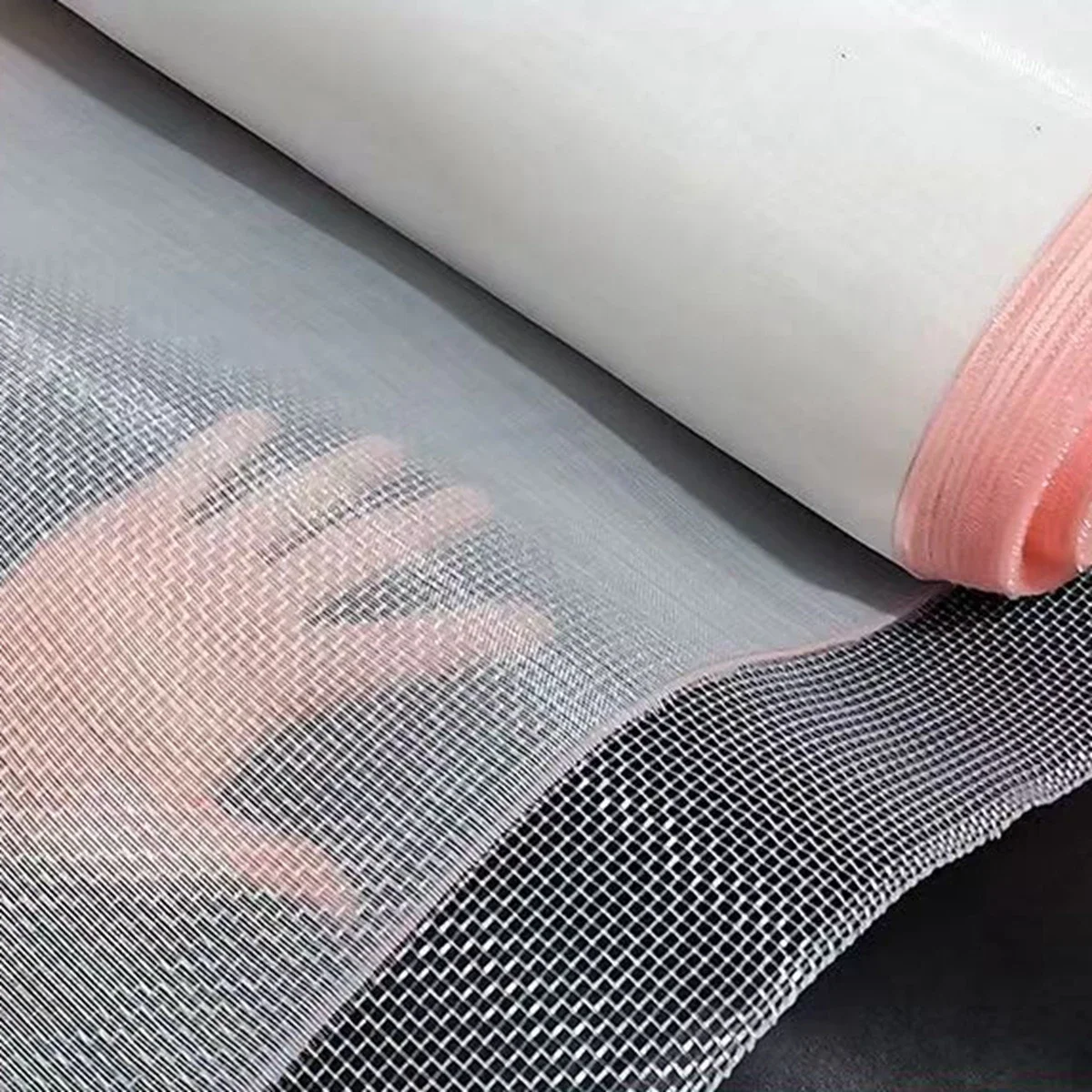
Nylon and Synthetic Mesh
Nylon mesh offers flexibility and lightweight handling, suitable for disposable or semi-permanent applications. It can resist moderate chemical cleaning but may degrade under high temperatures or prolonged exposure to harsh detergents. Nylon mesh is often used in filtering fruits, vegetables, or low-temperature liquids where corrosion resistance is not critical.
Mesh Weave Types
Plain weave, twill weave, and Dutch weave are common configurations affecting particle retention and cleaning efficiency. Plain weave provides coarse filtration with easy cleaning. Twill weave increases strength and accommodates higher dirt loads. Dutch weave, often used in precision filtering, has fine openings capable of trapping small particles while maintaining flow. Selecting the appropriate weave type optimizes performance for specific food types or industrial liquids.
Durability and Cleaning
Material choice directly impacts strainer longevity. Stainless steel can withstand scrubbing, high-pressure water jets, and chemical cleaning without deformation. Nylon may require gentler cleaning to prevent tearing or clogging. Regular inspection, combined with proper material selection, ensures that strainers remain functional and maintain consistent filtration efficiency over time.


Effect of Mesh Size on Food Waste Management
Particle Size Retention
Mesh size determines which food particles are retained during drainage. Finer meshes capture small solids like coffee grounds, pulp, or fine breadcrumbs, while coarser meshes handle larger items such as vegetable peels or ice chunks. Correct mesh selection ensures waste management efficiency and prevents downstream blockages in drains or processing equipment.
Operational Efficiency
Efficient waste capture reduces labor needed for manual removal and prevents clogging of pipes or pumps. Appropriate mesh sizing allows continuous operation without interruptions, improving kitchen throughput and maintaining hygiene standards. Balancing particle retention with flow efficiency optimizes operational performance.
Multi-Stage Filtration
Combining coarse pre-filters with fine mesh strainers allows staged filtration. Coarse layers remove large debris first, extending the life of fine mesh units and preventing premature clogging. Multi-stage setups are common in commercial kitchens and food processing lines, where high-volume liquid handling demands both speed and precise particle retention.
Environmental Impact
Correct mesh sizing and staged filtration minimize waste disposal issues. Fine solids captured efficiently reduce pollution in wastewater, lower the risk of drain blockages, and support compliance with environmental regulations. Optimized strainer systems contribute to sustainable kitchen operations and reduce the overall footprint of food processing waste.
Practical Recommendations and Industry Examples
Commercial Kitchens
In restaurants or cafeterias, coarse stainless steel mesh filters handle vegetable and meat scraps, while finer mesh strainers ensure no small particles enter wastewater drains. High-flow designs prevent kitchen bottlenecks and maintain compliance with health codes.
Food Processing Plants
Plants producing juices, soups, or sauces often require multi-layer mesh systems. Fine Dutch weave mesh ensures clarity, while stainless steel construction supports chemical cleaning and high-temperature processes, increasing service life and reducing maintenance intervals.
Beverage Industry
Coffee, tea, or brewery operations benefit from fine-mesh strainers that capture grounds or hops. Stainless steel or nylon options prevent flavor contamination while supporting rapid throughput and easy cleaning between batches.
Custom Solutions
Some operations require customized mesh size, weave, or housing to match specific food types or liquid characteristics. Collaborating with filter suppliers allows optimal balance between flow, retention, durability, and maintenance requirements, ensuring efficient and reliable performance.
Mesh Size vs Particle Retention
| Mesh Size | Typical Particle Retained | Drainage Speed | Common Applications |
|---|---|---|---|
| 40 | Vegetable peel, pulp | High | Coarse pre-filtration |
| 80 | Seeds, medium solids | Medium | Soups, sauces |
| 100 | Coffee grounds, fine pulp | Medium-Low | Beverages, juice |
| 150 | Fine sediments | Low | High-clarity liquids |
Material vs Durability
| Material | Temperature Resistance | Cleaning Compatibility | Typical Lifespan |
|---|---|---|---|
| Stainless Steel 304 | Up to 400°C | Chemical & mechanical | Long-term |
| Stainless Steel 316 | Up to 500°C | Aggressive chemical | Long-term |
| Nylon | Up to 90°C | Gentle detergents | Short-term |
Maintenance and Cleaning Strategies for Mesh Strainers
Routine Cleaning Frequency
Mesh strainers accumulate solids over time, reducing flow efficiency and potentially causing blockages. Establishing a regular cleaning schedule ensures consistent drainage and prevents contamination. The frequency depends on mesh size, type of liquid, and volume processed. For fine mesh used in beverage or juice production, daily cleaning may be necessary, whereas coarse mesh in vegetable processing may require weekly maintenance. Scheduled cleaning reduces unexpected downtime and maintains operational efficiency across food processing or commercial kitchen operations.
Cleaning Techniques for Different Materials
Stainless steel mesh can withstand high-pressure washing, chemical sanitizers, and scrubbing without deformation. Nylon or synthetic meshes, however, require gentler cleaning to avoid tearing or loss of shape. Techniques include soaking, manual scrubbing, backwashing, or ultrasonic cleaning for delicate materials. Choosing the right method ensures the mesh retains its filtration accuracy and extends service life. Proper cleaning protocols also help maintain hygiene standards in food and beverage operations.
Preventing Clogging and Fouling
Clogging occurs when solids exceed the mesh retention capacity or when sticky residues accumulate. Implementing pre-filtration, adjusting mesh size for the type of food waste, and timely cleaning prevents fouling. In high-volume operations, automated backwash systems or multi-stage mesh setups can significantly reduce clogging frequency. Maintaining clear drainage paths ensures continuous operation, reduces labor costs, and minimizes process interruptions.
Inspection and Replacement Guidelines
Regular inspection is critical to identify wear, corrosion, or deformation in mesh strainers. Stainless steel meshes may last years, but repeated exposure to abrasive materials can weaken fine wires. Nylon meshes may degrade faster under heat or chemical exposure. Scheduled inspections, combined with timely replacement of worn components, ensure that filtration performance remains consistent and that contamination risks are minimized. Proper record-keeping of maintenance cycles improves long-term reliability.
Conclusion
Mesh size and material selection are critical for maintaining efficient drainage and effective food waste management. Fine mesh ensures precise particle retention, while coarser mesh supports high flow rates and reduces clogging risk. Material choice, such as stainless steel or nylon, influences durability, cleaning compatibility, and overall lifespan. Multi-stage filtration systems combining different mesh sizes enhance operational efficiency, extend service life, and prevent drain blockages. By understanding the interaction between mesh size, flow rate, and food waste characteristics, operators can design filtration systems that optimize throughput, maintain hygiene, and support sustainable waste management practices. Proper selection ensures reliable performance in commercial kitchens, food processing plants, and beverage operations.