





Bag filters play a critical role in liquid filtration systems across industries such as chemicals, food & beverage, coatings, mining, pharmaceuticals, and wastewater treatment. Their performance directly affects product purity, process stability, and operating efficiency. However, like all filtration components, bag filters have a limited service life. Understanding when replacement is necessary ensures consistent filtration quality, prevents downtime, and protects downstream equipment. This article explains the key indicators, performance changes, visual cues, and maintenance insights that help you determine the right time to replace your bag filters-before they compromise system performance.
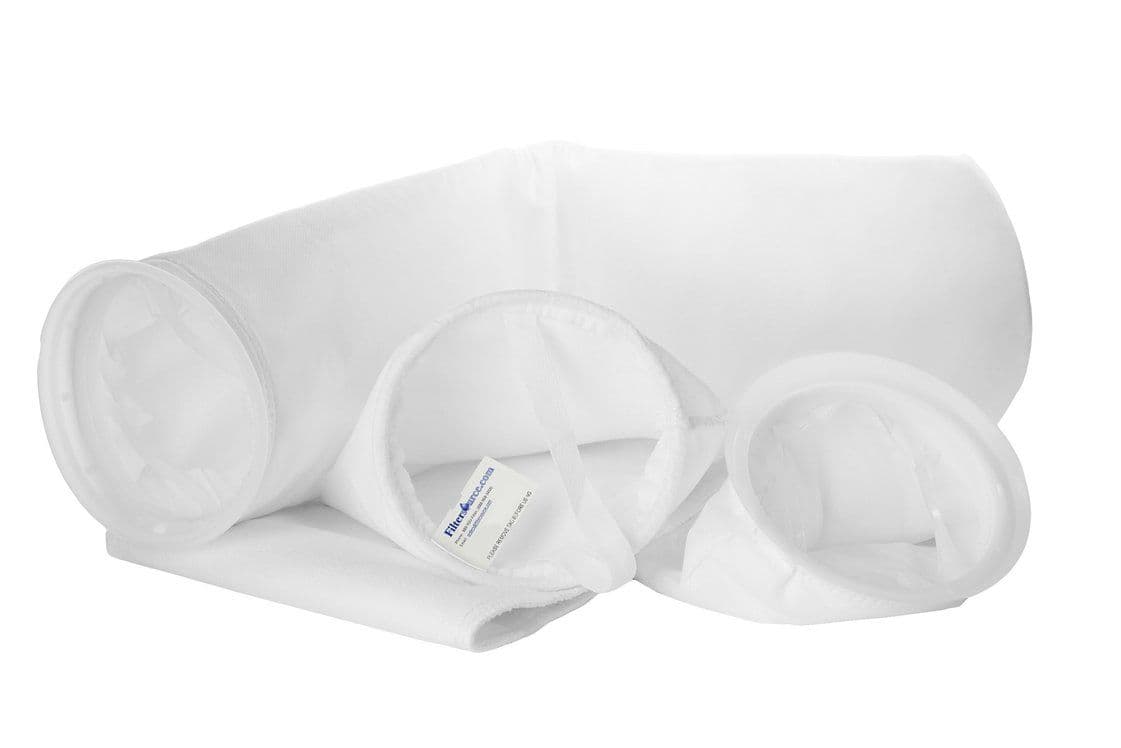
Signs of Reduced Filtration Efficiency
Noticeable Pressure Drop Across the Housing
A significant pressure increase is often the earliest sign that a bag filter is nearing the end of its service life. As contaminants accumulate, the filter media becomes clogged, restricting the flow of liquid. This forces pumps to work harder, increases energy consumption, and reduces throughput. A rising differential pressure indicates that the filter is no longer able to accommodate additional solids. Allowing this condition to continue risks damaging the filter media or causing bypass. Monitoring differential pressure is essential for timely replacement and preventing system strain.
Declining Flow Rate During Operation
When flow rate decreases-even if pressure remains stable-it may indicate that solids are embedded deep within the filter media. Over time, the internal depth layers of felt or melt-blown materials become saturated, reducing permeability. A declining flow rate affects production efficiency, prolongs batch processing times, and increases operational costs. In continuous systems, it may also cause inconsistent flow behavior that affects downstream equipment. If flow reduction becomes noticeable despite stable pump performance, it is a strong indicator that filter replacement is overdue.
Product Quality Variations or Contamination
If particles appear in the final product or if liquid clarity fluctuates, the bag filter may no longer be performing effectively. Worn media can allow fine contaminants to pass through or fibers may deform under pressure, widening pore structure. This issue is especially critical in industries requiring high purity, such as food oils, beverages, industrial coatings, and fine chemicals. Inconsistent product quality almost always signals decreased retention efficiency and indicates that immediate filter replacement is needed to restore performance stability.
"For a deeper look at why flow decreases and particles start bypassing your filter media over time, check out our guide on how filtration efficiency declines when bag filters age.
How Filtration Efficiency Declines When Bag Filters Age"
Increased Frequency of Downstream Equipment Issues
When bag filters fail to capture contaminants adequately, downstream components such as pumps, valves, nozzles, and membranes may experience higher wear or clogging. These problems often arise when filters reach the end of their service life but continue to be used beyond recommended intervals. Maintenance teams may notice more frequent cleanings, unexpected alarms, or failures in sensitive equipment. Addressing the root cause-often an overdue filter replacement-prevents unnecessary repair costs and restores system reliability.
Visual and Physical Condition of the Bag Filter
Discoloration and Surface Saturation
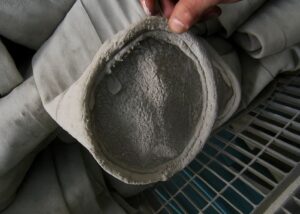
When a bag filter becomes heavily discolored, it often indicates saturation of contaminants that have penetrated deep into the media. While some discoloration is normal, excessive darkening or uneven staining suggests that solids are embedded throughout the filter layers. This condition reduces the filter's ability to trap new particles, leading to progressively decreasing efficiency. Operators should treat heavy saturation as a clear signal that the filter has reached its maximum useful life and requires replacement.
Tears, Holes, or Media Deformation
Physical damage such as tears, small punctures, or thinning of the fabric compromises filtration integrity. These defects can develop due to pressure spikes, abrasive particles, or extended service beyond recommended life. Once structural integrity is compromised, contaminants bypass the media entirely, rendering the filter ineffective. Regular visual inspection is essential. Any visible damage-no matter how small-requires immediate replacement to avoid contamination or equipment damage downstream.
Bag Collapse or Improper Shape Retention
A healthy filter bag maintains its form with the help of a support basket. However, when the media weakens or becomes overloaded with solids, the bag may collapse or lose its shape. This disrupts fluid distribution, reduces surface area contact, and increases the risk of bypass. Bags that appear flattened, misshapen, or collapsed during removal indicate that the material has degraded and can no longer perform as designed. Timely replacement restores structural stability and consistent flow.

Hardening, Brittleness, or Texture Changes
Exposure to chemicals, temperature variations, or prolonged service can alter the texture of filter media. Felt or polypropylene materials may become stiff, brittle, or overly soft depending on the chemical environment. Changes in texture often signal chemical attack or media fatigue, both of which reduce filtration consistency. If the bag feels unusually rigid, fragile, or worn during handling, it is no longer suitable for continued operation and should be replaced.
Performance Factors Influencing Replacement Timing
Type of Filtration Media Used
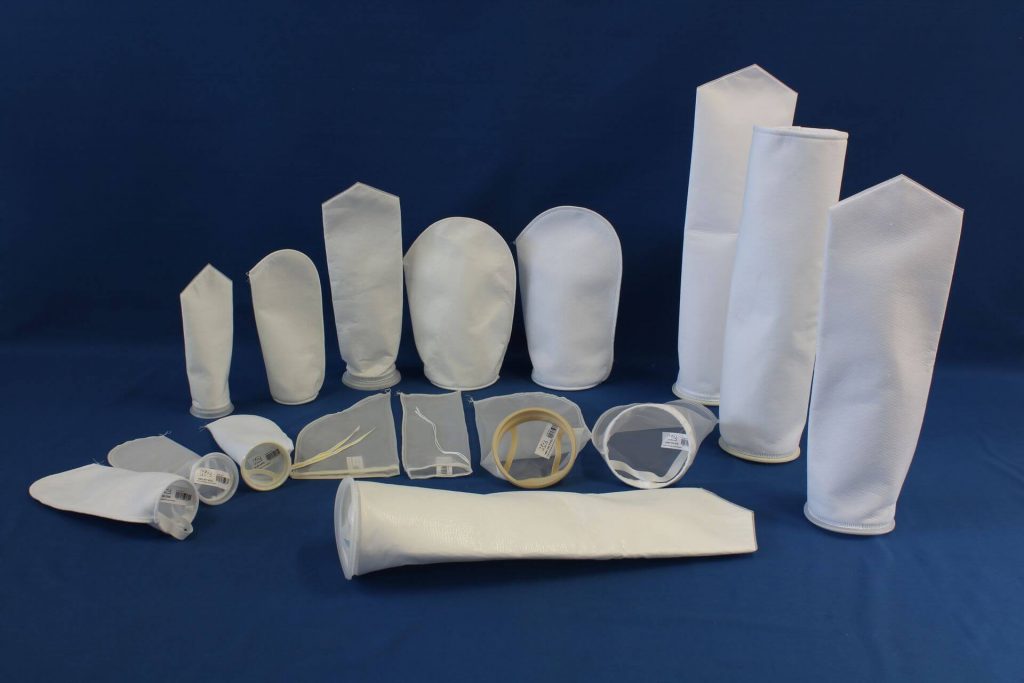
Different media types-felt, melt-blown, monofilament mesh, or multilayer composites-have different lifespans. Felt and melt-blown filters offer high dirt-holding capacity but may saturate quickly in high-solid environments. Mesh bags offer better reusability but can deform under pressure. Understanding your media type helps determine ideal replacement intervals. Using the wrong filter too long risks contamination, reduced flow, and instability in demanding applications such as coatings or chemical processing.

Micron Rating and Application Sensitivity
Finer micron bags clog faster because they capture smaller particles. Applications requiring high clarity-like beverage filtration, edible oils, pharmaceutical ingredients, and surface finishing chemicals-often require more frequent replacement. Coarser micron bags may run longer but risk allowing contaminants through as they degrade. Monitoring clarity and retention consistency helps determine when micron performance begins to decline.
Operating Pressure and Temperature Conditions
Harsh operating parameters accelerate filter wear. High differential pressure compresses the fibers, reducing pore size and accelerating clogging. Elevated temperatures can soften polypropylene fibers, leading to deformation. Chemical exposure may cause swelling or brittleness. If operating conditions are near the upper limits of material rating, expect shorter service cycles and plan replacements accordingly.
Contaminant Type and Loading Rate
Viscous liquids, abrasive particles, and high-solids applications saturate filters much more quickly than clean or low-viscosity fluids. Industries handling paints, inks, resins, wastewater, or mineral slurries often require aggressive maintenance schedules. Tracking contamination load helps optimize replacement timing to prevent system strain or product defects.
To ensure optimal performance and longevity, choosing the right replacement bag filter is just as important as knowing when to replace it."
Choosing the Right Replacement Bag Filter for Your System
Early Indicators Your Bag Filters Need Replacement
Increasing Pressure Drop Beyond Normal Operating Range
A pressure rise is the most common indicator of a clogged or overloaded bag filter. As contaminants accumulate within the depth media, the fluid requires more force to pass through, leading to differential pressure increases. When the system reaches or exceeds its recommended pressure limit, efficiency drops significantly, and flow becomes irregular. Ignoring this sign can strain pumps, reduce throughput, and contribute to premature system wear. Regular monitoring-especially in batch processing-is essential for maintaining stable operation.
Reduced Flow Rate Caused by Media Saturation
A noticeable decline in flow rate indicates that the filter bag's pores are being progressively blocked. This issue is especially prominent in processes involving viscous liquids, suspended solids, pigments, or gels. As flow resistance increases, energy costs rise and system performance becomes erratic. Operators often compensate by increasing pump speed, but this creates unnecessary mechanical stress. Timely replacement of saturated bags not only restores flow efficiency but also protects downstream components from contamination spikes.
Media Damage, Tearing, or Structural Deformation
Bag filters constructed from felt, polypropylene, polyester, or mesh can degrade with repeated cycles, chemical exposure, or sudden pressure spikes. Microscopic cracks or tears may develop, allowing contaminants to bypass the filter entirely. Deformation-such as stretching, collapsing, or shrinking-leads to poor sealing and unstable performance. These mechanical failures can compromise product integrity and cause particles to reach sensitive equipment, increasing the risk of costly repairs.
Poor or Inconsistent Filtration Quality
If finished product clarity declines, particulate levels increase, or downstream filtration stages experience heavier loads, the bag filter may no longer be holding its micron rating. Fibers can shift, compress, or degrade during extended use, especially in high-temperature or corrosive media. In sectors such as beverages, pharmaceuticals, or high-purity chemicals, even small inconsistencies can disrupt quality control standards. Early detection through sample testing helps ensure dependable filtration results.

Performance Decline Due to Media Fatigue
Fiber Compression Leading to Micron Variability
Repeated pressure cycles can compress the fibrous structure of felt filter bags, narrowing or widening pores unpredictably. This results in inconsistent retention efficiency, where some particles pass through while others accumulate excessively. Variability in micron performance can affect product uniformity and strain secondary filtration systems. Media fatigue is especially problematic for operations requiring strict particle size control.
Loss of Depth Filtration Capacity Over Time
Depth filtration relies on a three-dimensional network of fibers to trap contaminants throughout the media. As fibers collapse or become saturated, the internal pathways shrink, reducing capture efficiency and increasing pressure drop. This loss of depth capability accelerates clogging, shortening service intervals. Monitoring contamination loading patterns helps anticipate when depth capacity is nearing exhaustion.
Chemical Degradation From Aggressive Fluids
Exposure to acids, alkalis, solvents, or high-temperature fluids can break down polymer structures, compromising strength and filtration accuracy. Chemical degradation may not be visually noticeable but often manifests as reduced flow stability or particle leakage. Selecting chemically compatible materials and logging media exposure cycles helps prevent unexpected failures.
Accumulated Cake Layer Blocking the Media Surface
A heavy cake layer forms when particulate buildup no longer disperses into the depth media. While short-term cake formation improves efficiency, excessive buildup drastically increases differential pressure and reduces flow. Once a cake layer becomes permanent, the filter bag cannot recover performance even after backflushing or agitation. Replacement becomes the only reliable solution.
Cost and Maintenance Impact of Delayed Replacement
Higher Pump Energy Consumption
A clogged filter increases system resistance, forcing pumps to work harder to maintain adequate flow. Over time, energy costs rise significantly, especially in large-scale or continuous operations. Replacing bag filters at optimal intervals mitigates unnecessary power draw and extends pump life.
Increased Downtime From Unexpected Filter Failures
Delaying replacement increases the risk of sudden collapse, bursting, or bypass-leading to emergency shutdowns. Unplanned maintenance disrupts production schedules, compromises product quality, and increases labor costs. Predictive replacement planning minimizes interruptions.
Overloading of Downstream Filters and Equipment
When bag filters fail to retain particles effectively, contaminants transfer to cartridges, membranes, or system components. This overload accelerates fouling, shortens equipment life, and raises consumable costs. Maintaining healthy bag filters protects the entire filtration chain.
Higher Long-Term Operating Costs Due to Reduced Efficiency
Waiting too long to replace a bag filter often creates hidden costs: inefficient batching, inconsistent product quality, higher disposal volumes, and greater maintenance demand. Cost-benefit analysis consistently shows that timely replacements reduce operational expenses across the system.
To learn actionable strategies that help extend the lifespan of your bag filters and reduce maintenance costs, explore our guide on bag filter maintenance best practices."
Extending the Service Life of Bag Filters: Maintenance Tips and Best Practices
Safety and Product Quality Implications
Risk of Contamination in High-Purity Applications
Industries such as pharmaceuticals, beverages, and cosmetics require strict particle control. A deteriorating bag filter increases contamination risk, which can lead to rejected batches or regulatory issues. Ensuring timely replacement safeguards product purity and brand reputation.
Potential Equipment Damage from Unfiltered Solids
Solids bypassing a worn bag filter can damage pumps, valves, heat exchangers, or fine filters downstream. Abrasive particles accelerate wear and increase mechanical failures. Routine bag inspection helps prevent avoidable equipment costs.
Compromised Sanitation in Food Processing Systems
In food and beverage production, filter bags help maintain hygienic conditions by removing particulates before packaging or further processing. A weakened filter may retain moisture or harbor bacteria, significantly affecting sanitation standards. Scheduled replacements are essential for compliance.
Loss of Consistency in Final Product Quality
Whether the goal is clarity, purity, viscosity, or stability, filtration plays a central role. As bag filters degrade, performance inconsistencies translate directly to quality variations. Proactive filter management ensures dependable production outcomes.
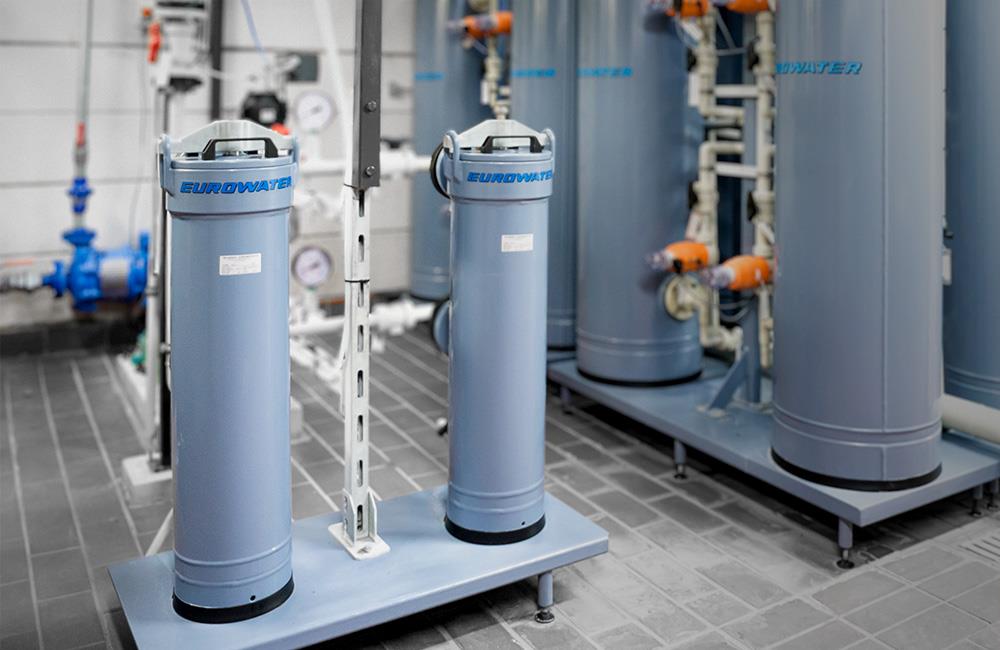
Filter Bag Material Degradation and Environmental Factors
Temperature Exposure Leading to Polymer Breakdown
High-temperature applications can weaken polypropylene, polyester, or nylon media. Prolonged exposure leads to brittleness, shrinking, or melting-effects that drastically reduce filtration performance. Selecting the right temperature-rated material prevents premature failure.
UV and Environmental Aging in Outdoor Installations
Outdoor or semi-exposed filtration systems face UV degradation, humidity fluctuations, and airborne contaminants. Bag materials may lose elasticity or tensile strength, affecting sealing and consistency. Environmental monitoring helps determine appropriate change intervals.
Moisture Absorption and Bacterial Growth in Damp Environments
Moisture trapped inside filter bags can promote microbial growth, especially in food or water treatment installations. Bags showing discoloration or odor should be replaced immediately to maintain hygiene standards.
Material Compatibility Failures With Process Chemicals
Selecting the wrong polymer or coating for chemical environments accelerates degradation. Chemical compatibility charts are key to ensuring long-term stability.
Common Bag Filter Materials and Their Typical Lifespan
| Material | Max Temperature | Chemical Resistance | Typical Service Life |
|---|---|---|---|
| Polypropylene (PP) | 90–100°C | Good for mild chemicals | Short to Medium |
| Polyester (PE) | 130–150°C | Good solvent resistance | Medium |
| Nylon/Polyamide | 120°C | Limited chemical resistance | Medium |
| Stainless Steel Mesh | 260–500°C | Excellent | Long |
Operational Conditions Affecting Replacement Frequency
High Solid Load and Fluid Viscosity
Processes involving paints, adhesives, or slurries clog filter bags rapidly. Viscous liquids trap particles more aggressively inside the depth media, accelerating replacement cycles.
Batch vs Continuous Processing Differences
Batch processes may experience sudden contamination spikes, while continuous operations accumulate contaminants more gradually. Customizing replacement frequency for each process type ensures consistent performance.
Influence of Flow Rate and Turbulence
High flow velocity can stress bag seams or stretch the media. Turbulence creates uneven loading and increases pressure fluctuations. Flow regulation improves filter longevity.
Housing Design and Installation Quality
Improper installation can cause bypassing, bag collapse, or sealing failure. Well-designed housings extend filter life by ensuring uniform loading and stable flow patterns.
Operating Conditions and Their Impact on Filter Life
| Operating Condition | Impact on Bag Filter Lifespan | Recommended Action |
|---|---|---|
| High solids load | Shortens lifespan | Increase prefiltration |
| High viscosity fluids | Rapid clogging | Reduce flow rate |
| Chemical exposure | Media degradation | Choose compatible material |
| High temperature | Deformation | Select heat-resistant bags |
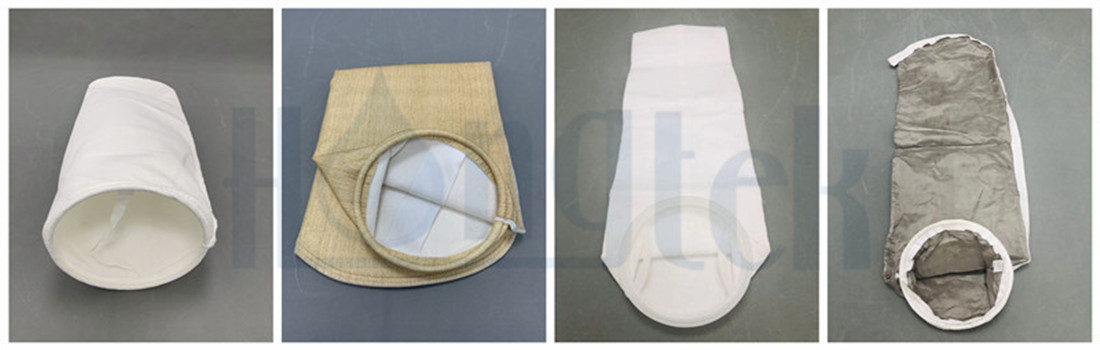
When Replacement Becomes Urgent: Warning Signs You Should Not Ignore
Sudden Drop in Filtration Accuracy
A rapid decrease in clarity or rising particle counts is a critical sign that the bag has ruptured or structurally failed. Immediate replacement is required to protect downstream systems.
Visible Contaminant Bypass in Sample Testing
If contaminants appear downstream despite stable pressure, the bag may be torn, misaligned, or improperly sealed. Sampling during operation helps detect these issues early.
Bag Slippage or Improper Seating in the Housing
Misalignment or poor sealing allows fluid to bypass the media entirely. This often occurs after prolonged use, swelling, or structural wear. Reinserting or replacing the bag eliminates bypass issues.
Sudden Pressure Drop After Previously High Readings
A sudden pressure drop may signal rupture rather than recovery. When a bag fails completely, resistance disappears, but filtration stops-making this a dangerous situation requiring immediate action.
Conclusion
Knowing when to replace your bag filters is essential for maintaining efficient, reliable, and safe liquid processing operations. Bag filters naturally degrade over time due to pressure cycling, contamination loading, chemical exposure, and media fatigue. By monitoring early warning signs such as pressure increases, reduced flow rate, changes in product clarity, or structural deformation, you can prevent costly downtime and avoid damage to pumps, valves, and downstream filtration stages. Proactive replacement ensures stable filtration performance and extends the lifespan of your entire system.
Equally important is understanding how environmental factors, process chemistry, operating conditions, and equipment configuration influence service life. High solids loads, harsh chemicals, viscosity variations, and temperature fluctuations all accelerate filter fatigue. Evaluating these variables helps you develop a predictable and efficient replacement schedule. When replacement is timed correctly, your facility benefits from improved operational efficiency, reduced energy costs, consistent product quality, and fewer maintenance interruptions. A well-managed filtration program not only protects your equipment but also ensures smooth, uninterrupted production.
You might also be interested in these articles:
Maintenance Best Practices for Long-Lasting Filtration Systems The Science of Wire Mesh: How Mesh Density Affects Airflow & Filtration Airflow Dynamics in Wire Mesh Systems: How Mesh Density Shapes Resistance, Pressure Drop & Efficiency How Mesh Size Impacts Drainage Efficiency and Food Waste Management Choosing the Right Filter Bag Material for Optimal Performance