






Filter bags are widely used in industrial liquid filtration due to their versatility, cost-effectiveness, and ease of operation. Selecting the correct material is crucial for achieving efficient filtration, maintaining consistent flow, and extending service life. Factors such as chemical compatibility, operating temperature, micron rating, dirt-holding capacity, and mechanical strength determine which material is best suited for a particular application.
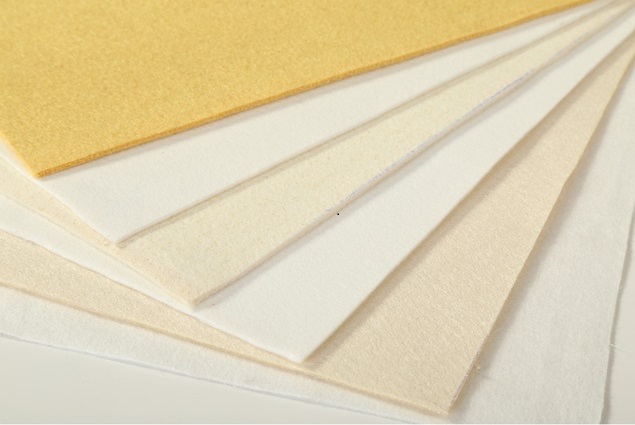

Common Filter Bag Materials
Polypropylene Filter Bags
Polypropylene (PP) filter bags are one of the most common options in industrial filtration. They offer excellent chemical resistance to acids, alkalis, and water-based solutions, making them suitable for general chemical processing and water treatment. PP bags are lightweight and cost-effective, with a temperature tolerance up to 100°C. Their smooth surface enables easy cleaning and quick replacement, although high-temperature or highly aggressive chemical applications may require alternative materials. Proper selection ensures reliable filtration and long service life.
Polyester Filter Bags
Polyester filter bags provide greater mechanical strength and higher temperature tolerance than polypropylene. Widely used in paint, ink, food, and chemical industries, polyester can withstand moderate pressure and prolonged operation without deformation. It also supports layering with other filtration media to improve dirt-holding capacity and micron-level precision. Polyester filter bags balance cost, durability, and performance, making them a versatile choice for medium-demand industrial applications.
Nylon Filter Bags
Nylon filter bags are designed for high dirt-load and mechanical stress environments. Their robust polymer structure provides superior tensile strength and abrasion resistance, making them ideal for applications such as coatings, resins, and wastewater with suspended solids. Nylon demonstrates excellent performance in organic solvents but can be sensitive to strong oxidizers. Their durability allows longer service life and reduced replacement frequency, providing cost-effective operation in demanding industrial settings.
PTFE (Teflon) Filter Bags
PTFE filter bags offer exceptional chemical and thermal resistance, withstanding temperatures up to 260°C and a wide variety of corrosive chemicals. Ideal for high-purity applications in pharmaceuticals, food-grade liquids, and aggressive chemical processes, PTFE bags ensure stable micron retention and repeatable filtration results. While more expensive, PTFE bags' longevity and reusability offset the initial cost, making them highly suitable for operations requiring both durability and precise contaminant control.
Comparison of commonly used filter bag materials
| Material | Max Temperature | Chemical Resistance | Durability | Typical Application |
|---|---|---|---|---|
| Polypropylene | 90–100°C | Moderate | Medium | General chemicals, water |
| Polyester | 120°C | Good | High | Paints, inks, food, chemicals |
| Nylon | 120–150°C | Organic solvents | Very High | Coatings, wastewater |
| PTFE | 260°C | Excellent | Very High | Pharma, aggressive chemicals |


Factors to Consider When Selecting Filter Bag Materials
Chemical Compatibility
Material selection begins with chemical resistance. Each filter bag material reacts differently with process fluids, and improper selection can lead to degradation, leaks, or contamination. Polypropylene and polyester are suitable for general chemical media, while PTFE or reinforced nylon bags are preferred for aggressive solvents or acids. Ensuring compatibility reduces maintenance, prevents downtime, and protects downstream equipment. Choosing the correct material for chemical exposure is essential to maintain long-term filtration performance.
Temperature Resistance
Operating temperature significantly affects filter bag performance. High-temperature fluids can deform or damage synthetic media, causing bypass or premature failure. Polypropylene and polyester are ideal for low-to-moderate temperatures, whereas PTFE and high-grade nylon can endure extreme heat. Selecting materials compatible with your process temperature ensures consistent flow, prevents media failure, and protects sensitive system components from damage due to thermal stress.
Filtration Precision and Dirt-Holding Capacity
Filter bag material affects both micron rating and dirt-holding capacity. Felt and multi-layer media provide depth filtration, capturing particles throughout the media thickness for high dirt retention. Mesh or pleated bags offer surface filtration, improving micron precision while allowing backwash or cleaning. Selecting the right combination of material and construction balances particle retention with operational efficiency, ensuring stable system performance across diverse industrial applications.
Mechanical Strength and Support
For high-flow or high-pressure systems, mechanical stability is critical. Reinforced filter bags with wire mesh or perforated cores maintain shape under stress, preventing collapse or channeling. Materials like nylon and PTFE with internal reinforcement deliver superior durability and maintain micron precision, even under fluctuating pressure. Proper mechanical support extends filter life, reduces replacement frequency, and ensures reliable operation in industrial filtration systems.
Key factors when choosing filter bag materials
| Factor | Importance | Recommended Material |
|---|---|---|
| Chemical Compatibility | Prevent degradation, leaks | PP, Polyester, PTFE |
| Temperature Resistance | Avoid media deformation | Polyester, PTFE, Reinforced Nylon |
| Filtration Precision | Consistent micron retention | Multi-layer, mesh, PTFE |
| Mechanical Strength & Support | Prevent collapse under flow | Nylon, PTFE with reinforcement |
Advanced Filter Bag Designs for Specialized Applications

Multi-Layer Filter Bags
Multi-layer filter bags combine different materials to optimize filtration performance. Layers can include felt for depth filtration, mesh for structural support, and PTFE for chemical resistance. This design allows high dirt-holding capacity while maintaining precise micron retention. Multi-layer construction is particularly useful in chemical, food, and pharmaceutical industries, where a single material may not meet all operational requirements. Properly configured layers improve longevity, reduce maintenance, and ensure consistent flow through the filtration system.

Pleated Filter Bags
Pleated filter bags increase effective surface area without enlarging the housing footprint. By folding the media in a series of pleats, they maximize dirt-holding capacity and reduce pressure drop. This design also improves flow distribution, ensuring consistent filtration across the entire bag. Pleated bags are ideal for applications requiring high flow rates or long service intervals, including water treatment, petrochemicals, and food processing. Their durability and uniform performance make them a cost-effective choice in high-demand operations.

High-Temperature Filter Bags
High-temperature bags are designed for processes involving hot liquids or steam. Materials such as PTFE, glass fiber, and silicone-coated fabrics maintain their structural integrity under extreme conditions, ensuring precise particle retention. These bags are widely used in chemical reactors, thermal fluid systems, and oil processing plants. Choosing high-temperature bags reduces the risk of media deformation or rupture, thereby maintaining system reliability and protecting downstream equipment.

Anti-Static and Conductive Filter Bags
In environments with combustible dust or volatile chemicals, anti-static filter bags prevent static buildup that could lead to sparks or explosions. Materials with conductive fibers or surface coatings dissipate electrical charges safely. Industries such as pharmaceuticals, food powders, and chemical manufacturing benefit from this technology. Selecting anti-static bags ensures compliance with safety standards, minimizes operational risk, and maintains consistent filtration performance under potentially hazardous conditions.
Installation, Maintenance, and Operational Best Practices
Proper Bag Installation
Correct installation is crucial for maintaining filtration efficiency. Bags should be seated properly in the housing to prevent bypass or leakage. Ensure that seals, gaskets, and O-rings are intact and compatible with the bag material. Misaligned or loosely fitted bags can compromise micron retention, increase maintenance, and reduce service life. Following manufacturer guidelines for installation ensures optimal filtration performance and operational safety.
Regular Cleaning and Replacement
Filter bags accumulate dirt over time, increasing pressure drop and reducing efficiency. Scheduled replacement or cleaning-depending on the material-is essential for maintaining flow rates and contaminant retention. Polypropylene and polyester are typically disposable, while PTFE and reinforced nylon can be washed and reused. Implementing a maintenance schedule prolongs system longevity, minimizes downtime, and ensures consistent filtration results.
Monitoring Differential Pressure
Monitoring pressure differential across the bag helps determine when cleaning or replacement is needed. A sudden increase in pressure drop indicates clogging or media saturation. Maintaining the recommended differential ensures proper flow distribution and prevents damage to the bag or housing. Advanced systems may use automated sensors to track performance in real-time, improving reliability and minimizing labor requirements.
Troubleshooting Common Issues
Common operational problems include bypass, bag collapse, chemical degradation, or media rupture. Troubleshooting begins with inspecting the bag material, support structure, and housing fit. Understanding the interaction between chemical compatibility, temperature, and flow rates helps identify root causes. Preventive measures, proper material selection, and regular maintenance are key to minimizing downtime and optimizing filter performance.
Conclusion
Choosing the right filter bag material involves balancing chemical compatibility, temperature tolerance, mechanical strength, and filtration precision. Polypropylene and polyester offer cost-effective solutions for general applications, while nylon and PTFE meet the demands of high-temperature or chemically aggressive processes. Advanced designs such as pleated or multi-layer bags further enhance surface area, dirt-holding capacity, and micron consistency, ensuring efficient performance in specialized operations.
Proper installation, regular maintenance, and careful monitoring of differential pressure are essential to prolong service life and prevent system failures. By understanding these factors, engineers can select filter bags that maximize operational efficiency, maintain product quality, and reduce overall lifecycle costs, ensuring reliable filtration across diverse industrial applications.