





Bag filters are essential for maintaining liquid purity in industrial processes. Over time, their filtration efficiency declines due to media fatigue, chemical exposure, and particle buildup. Understanding these factors helps operators plan timely replacements, optimize process stability, and protect downstream equipment. This guide explores the key signs of efficiency decline, contributing factors, and practical strategies for monitoring and maintaining optimal filter performance.

Indicators of Filtration Efficiency Decline
Pressure Increase Across the Filter
As bag filters trap particles, the accumulated solids create resistance. This leads to higher differential pressure, which forces pumps to work harder and reduces overall throughput. Monitoring pressure trends allows operators to detect when filters are nearing the end of their service life and take action before performance is compromised.
Declining Flow Rate During Operation
Reduced flow rate is an early sign of internal saturation within the filter media. When felt or melt-blown layers become clogged, permeability drops, slowing liquid movement. Even with stable pressure, declining flow affects production efficiency and can cause inconsistent results in downstream processes.
Particle Bypass and Contamination
Aging filters may allow fine particles to pass through due to pore enlargement or media deformation. This results in contamination of the final product and increased wear on downstream equipment. Consistent monitoring of product clarity and particle counts helps detect this issue early.
Frequent Equipment Alerts
When filters fail to perform, pumps, valves, and other components may trigger alarms more frequently. This often indicates that solids are reaching downstream stages and maintenance intervention is necessary. Recognizing these alerts as filtration-related prevents unnecessary downtime.

Physical and Chemical Causes of Efficiency Loss
Media Fatigue and Fiber Compression
Repeated pressure cycles compress the fibers within the filter, causing pore size variability. This affects the uniformity of particle retention and reduces overall efficiency. Operators should track usage cycles to anticipate replacement needs.
Chemical Degradation of Filter Media
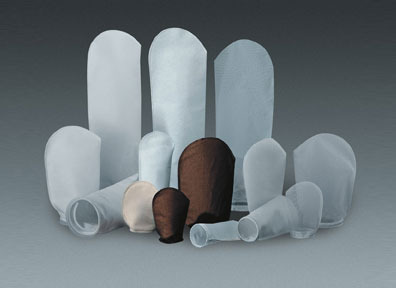
Exposure to aggressive chemicals, solvents, or high temperatures can weaken filter materials. Polypropylene, polyester, or nylon bags may become brittle or deformed, reducing their ability to capture particles consistently.
Moisture and Microbial Growth
In damp or humid environments, moisture absorption can promote bacterial growth and material breakdown. This not only reduces efficiency but also poses contamination risks, especially in food or pharmaceutical applications.
Mechanical Damage
Physical damage such as tears, punctures, or collapsed bags compromises filtration integrity. Even small defects allow particles to bypass the media entirely, leading to significant declines in efficiency.
Monitoring Key Performance Metrics
Differential Pressure Tracking
Regularly recording pressure differences across filters helps identify clogging trends. A steadily increasing pressure indicates progressive media saturation and signals the need for replacement.
Flow Rate Analysis
Measuring flow rate over time provides insight into how effectively the filter passes liquid. Sudden drops, even with stable pressure, indicate internal blockage and declining performance.
Particle Counting in Output
Routine particle sampling in the processed liquid detects bypassing contaminants. Spikes in particle count correlate with aging filter media or mechanical failures.
Maintenance Logs and Trend Analysis
Keeping detailed records of filter usage, cleaning cycles, and replacements allows operators to predict efficiency declines. Data-driven decisions reduce downtime and extend overall system life.


Operational Factors Accelerating Efficiency Decline
High Solid Loading and Viscous Fluids
Processes involving dense slurries or viscous liquids saturate filters quickly, shortening service intervals. Pre-filtration or staged filtration can mitigate rapid clogging.
High Temperature and Pressure Conditions
Extreme operating conditions accelerate fiber compression and chemical degradation. Choosing filters rated for specific pressure and temperature ranges improves longevity.
Turbulence and Flow Distribution
Uneven flow or turbulence stresses filter media, causing early deformation. Proper housing design and controlled flow rates ensure even particle distribution and prolonged efficiency.
Repeated Chemical Exposure
Frequent exposure to harsh chemicals accelerates polymer breakdown and weakens structural integrity. Operators should select chemically compatible filters to maintain consistent performance.
Strategies to Maintain Filtration Efficiency
Scheduled Filter Replacement
Replacing filters at recommended intervals prevents efficiency loss and protects downstream equipment. Predictive maintenance schedules based on pressure, flow, and particle data are most effective.
Regular Cleaning and Backflushing
Where applicable, backflushing or cleaning reusable filters removes accumulated solids and restores partial performance. This delays efficiency decline without compromising product quality.
Environmental and Material Monitoring
Tracking temperature, chemical exposure, and humidity ensures filters are operating within safe limits. Material selection based on environmental conditions reduces degradation rates.
Training and Best Practices
Educating operators on early warning signs, proper installation, and handling extends filter life. Awareness of media limitations and operational stressors prevents premature failure.
Typical Signs of Filtration Efficiency Decline
| Indicator | Cause | Recommended Action |
|---|---|---|
| Rising differential pressure | Media clogging | Replace filter |
| Declining flow rate | Saturated media | Monitor and replace |
| Increased particle count | Media bypass | Inspect and replace |
| Frequent alarms | Downstream contamination | Investigate filter condition |
Factors Affecting Bag Filter Longevity
| Factor | Impact | Mitigation |
|---|---|---|
| High solids load | Rapid clogging | Pre-filtration |
| Aggressive chemicals | Media degradation | Select compatible material |
| High temperature | Fiber deformation | Use heat-resistant bags |
| Moisture | Microbial growth | Ensure proper drainage & replacement |
Common Causes of Bag Filter Performance Decline
Media Saturation and Clogging
Over time, the filter media becomes loaded with captured particles, reducing permeability and increasing differential pressure. This saturation directly impacts flow efficiency and filtration performance. Monitoring the degree of media loading helps determine timely replacement and prevents unnecessary strain on pumps and downstream equipment.
Chemical and Thermal Degradation
Exposure to aggressive chemicals, high temperatures, or solvents can weaken the structural integrity of filter materials. Polypropylene, polyester, or nylon bags may become brittle, warped, or chemically compromised, leading to reduced filtration efficiency and a higher risk of bypass.
Mechanical Stress and Wear
Repeated pressure cycles, improper installation, or turbulence can damage filter bags. Tears, punctures, or collapse reduce retention capability and allow contaminants to bypass, making physical inspection a critical part of maintenance routines.
Environmental Factors
Humidity, UV exposure, and microbial growth can further degrade filter performance, especially in outdoor or high-moisture environments. Ensuring proper storage, handling, and environmental controls extends service life.
Strategies to Extend Bag Filter Life
Scheduled Replacement Intervals
Replacing filters proactively based on operational data and manufacturer recommendations prevents sudden failures. Predictive maintenance reduces downtime and ensures consistent product quality.
Proper Installation and Handling
Correctly seating the filter, ensuring proper support baskets, and avoiding mechanical stress during installation preserves structural integrity and optimizes filtration efficiency.
Pre-Filtration and Flow Control
Using pre-filters or controlling flow rates reduces the particle load and mechanical stress on primary bag filters. This approach prolongs filter life and maintains consistent system performance.
Regular Cleaning and Monitoring
Where reusable filters are employed, backflushing or washing helps remove accumulated solids. Routine monitoring of pressure, flow, and product quality ensures early detection of declining performance.
Conclusion
Knowing when and how to replace bag filters is essential for maintaining optimal liquid filtration across industrial processes. Filters degrade due to media saturation, chemical and thermal exposure, mechanical stress, and environmental factors. By closely monitoring key indicators such as differential pressure, flow rate, and product quality, operators can anticipate performance declines and take timely action. Proactive replacement not only prevents unexpected downtime but also protects pumps, valves, and downstream filtration components from damage caused by bypassing contaminants. Understanding the root causes of filter degradation allows facilities to implement effective preventive strategies that extend service life.
Equally important is the adoption of best practices to maintain filter integrity and maximize efficiency. Scheduled replacements, proper installation, pre-filtration, flow management, and routine monitoring all contribute to longer-lasting filters and more reliable operation. In high-purity applications, such as pharmaceuticals or food processing, maintaining filtration performance is critical to ensuring product quality, regulatory compliance, and overall system reliability. By combining careful monitoring with strategic maintenance, facilities can reduce operational costs, optimize energy consumption, and ensure consistent, uninterrupted production.