







Products Description
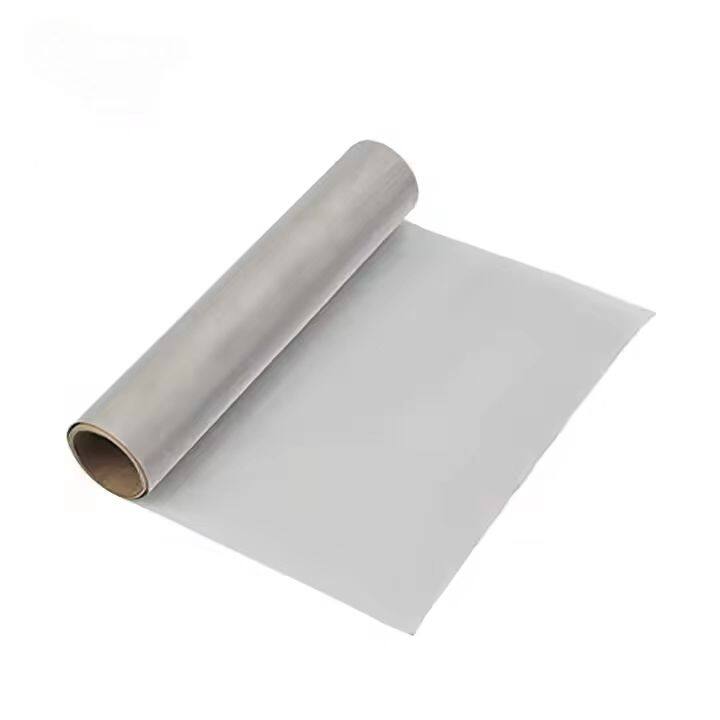
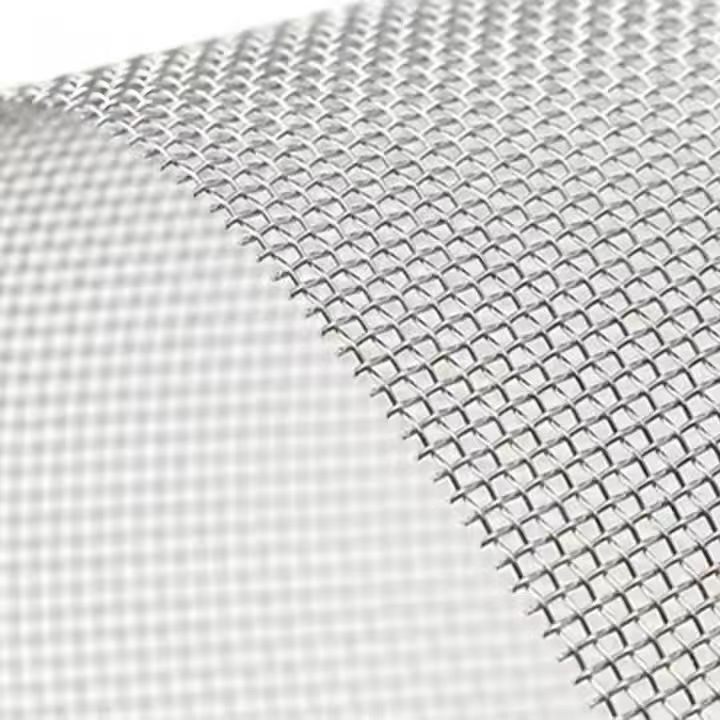
Nickel wire mesh is a type of wire mesh manufactured from nickel or nickel alloys, known for its exceptional resistance to corrosion, high temperature stability, and excellent electrical and thermal conductivity. Pure nickel is prized for its superior resistance to a wide range of corrosive substances. This outstanding corrosion resistance is due to the protective oxide film that nickel naturally forms, which acts as a passive barrier against further oxidation, ensuring long-lasting durability even in harsh environments.
Due to these properties, nickel wire mesh is widely used across various industries such as chemical processing, aerospace, electronics, and filtration. Its strength, durability, and resistance to harsh environments make it an ideal material for applications where other metals might fail.

Composition and Properties
Nickel wire mesh is primarily composed of nickel (Ni), with typical purity levels of 99% or higher. It is available in both pure nickel form and nickel alloy form, where the latter may contain small amounts of other elements such as iron, chromium, or molybdenum to enhance specific properties.
1 Chemical Composition of Nickel Wire Mesh
|
Chemical composition of main type of nickel |
|||||||||||
|
Type |
C % |
Cu % |
Fe % |
Mn % |
Ni % |
S % |
Si % |
Co % |
Cr % |
Mg % |
Ti % |
|
Nickel 200 |
0.015 |
0.25 |
0.40 |
0.35 |
99.0 |
0.01 |
0.35 |
- |
- |
- |
- |
|
Nickel 205 |
0.02 |
0.001 |
0.005 |
0.001 |
99.97 |
0.001 |
0.001 |
0.001 |
0.001 |
0.001 |
0.001 |
|
Nickel 270 |
0.15 |
0.15 |
0.20 |
0.35 |
99.0 |
0.008 |
0.15 |
- |
0.01-0.05 |
0.01-0.08 |
- |
|
Chemical composition of main type of nickel |
|||||||||
|
Type |
Ni + Co |
Cu |
Si |
Mn |
C |
Mg |
S |
Fe |
Impurity Sum |
|
Min. |
|||||||||
|
N2 |
99.98 |
0.001 |
0.003 |
0.002 |
0.005 |
0.003 |
0.001 |
0.007 |
0.02 |
|
N4 |
99.9 |
0.015 |
0.03 |
0.002 |
0.01 |
0.01 |
0.001 |
0.04 |
0.1 |
|
N6 |
99.5 |
0.03 |
0.10 |
0.05 |
0.10 |
0.10 |
0.005 |
0.10 |
0.5 |
|
N8 |
99.0 |
0.15 |
0.15 |
0.20 |
0.20 |
0.10 |
0.015 |
0.30 |
1.0 |
2 Grade Nickel 200 Nickel Wire Mesh
|
Mesh count |
Wire Diameter (in.) |
Type Weave |
Width Opening (in.) |
Open Area (%) |
|
8 × 8 |
0.028 |
Plain |
0.097 |
60.2 |
|
10 × 10 |
0.02 |
Plain |
0.08 |
64% |
|
12 × 12 |
0.014 |
Plain |
0.0693 |
69.2 |
|
16 × 16 |
0.012 |
Plain |
0.0505 |
65.3 |
|
16 × 16 |
0.014 |
Plain |
0.0485 |
60.2 |
|
20 × 20 |
0.007 |
Plain |
0.043 |
74 |
|
20 × 20 |
0.014 |
Plain |
0.036 |
51.8 |
|
25 × 25 |
0.006 |
Plain |
0.019 |
57.8 |
|
30 × 30 |
0.013 |
Plain |
0.0203 |
37.2 |
|
40 × 40 |
0.006 |
Plain |
0.019 |
57.8 |
|
40 × 40 |
0.01 |
Plain |
0.015 |
36 |
|
50 × 50 |
0.002 |
Plain |
0.018 |
81 |
|
60 × 60 |
0.007 |
Plain |
0.0097 |
33.6 |
|
60 × 60 |
0.009 |
Twill |
0.0076 |
13.7 |
|
70 × 70 |
0.004 |
Plain |
0.0103 |
51.8 |
|
70 × 70 |
0.0045 |
Plain |
0.0098 |
46.9 |
|
80 × 80 |
0.0055 |
Twill |
0.007 |
31.4 |
|
85 × 70 |
0.006 |
Plain |
0 |
28.4 |
|
100 × 100 |
0.004 |
Plain |
0.006 |
36 |
|
100 × 100 |
0.0045 |
Plain |
0.006 |
30.3 |
|
200 × 200 |
0.0018 |
Plain |
0.0032 |
41 |
|
Note: Special size and specification can be customized. |
||||
Grade Nickel 205 Nickel Wire Mesh
|
Mesh count |
Wire Diameter (in.) |
Type Weave |
Width Opening (in.) |
Open Area (%) |
|
60 × 60 |
0.006 |
Plain |
0.0107 |
41 |
Grade Nickel 270 Nickel Wire Mesh
|
Mesh count |
Wire Diameter (in.) |
Type Weave |
Width Opening (in.) |
Open Area (%) |
|
50 × 50 |
0.067 |
plain |
0.0133 |
44.2 |
|
60 × 60 |
0.004 |
Plain |
0.0127 |
57.8 |
|
60 × 60 |
0.006 |
Plain |
0.0107 |
41 |
|
60 × 60 |
0.007 |
Plain |
0.0097 |
33.6 |
|
75 × 75 |
0.006 |
Plain |
0.0073 |
30.3 |
|
Note: Special size and specification can be customized. |
||||
The Key Features of Nickel Wire Mesh Include:


- Corrosion Resistance: Nickel and its alloys are highly resistant to corrosion, particularly in harsh environments such as acidic or alkaline solutions, seawater, and high-temperature conditions. This makes nickel mesh ideal for use in industries like chemical processing, marine environments, and wastewater treatment.
- High Temperature Resistance: Nickel wire mesh can withstand high temperatures without degrading or losing its mechanical properties. It maintains its strength and form even in extreme thermal conditions, making it an excellent choice for applications in high-heat environments such as furnaces, boilers, and heat exchangers.
- Electrical and Thermal Conductivity: Nickel has good electrical and thermal conductivity, which allows nickel mesh to be used in applications involving heat transfer or electrical systems where efficient conduction is necessary.
- Magnetic Properties: Pure nickel is ferromagnetic, which means it is attracted to magnets. However, alloyed nickel meshes may exhibit different magnetic characteristics depending on the alloy composition. This property can be useful in certain electronic and magnetic shielding applications.
- Strength and Durability: Nickel wire mesh offers a high level of mechanical strength and durability, even under stressful conditions like high pressures or mechanical wear. This makes it suitable for structural and reinforcing applications in demanding environments.
- Malleability and Ductility: Nickel wire mesh is relatively malleable and ductile, meaning it can be easily formed, bent, or welded without compromising its strength. This makes it easy to fabricate into complex shapes or sizes.
- Non-Toxicity: Pure nickel and many of its alloys are non-toxic, making them safe for use in food, pharmaceutical, and medical applications.
Applications of Phosphor Bronze Wire Mesh:

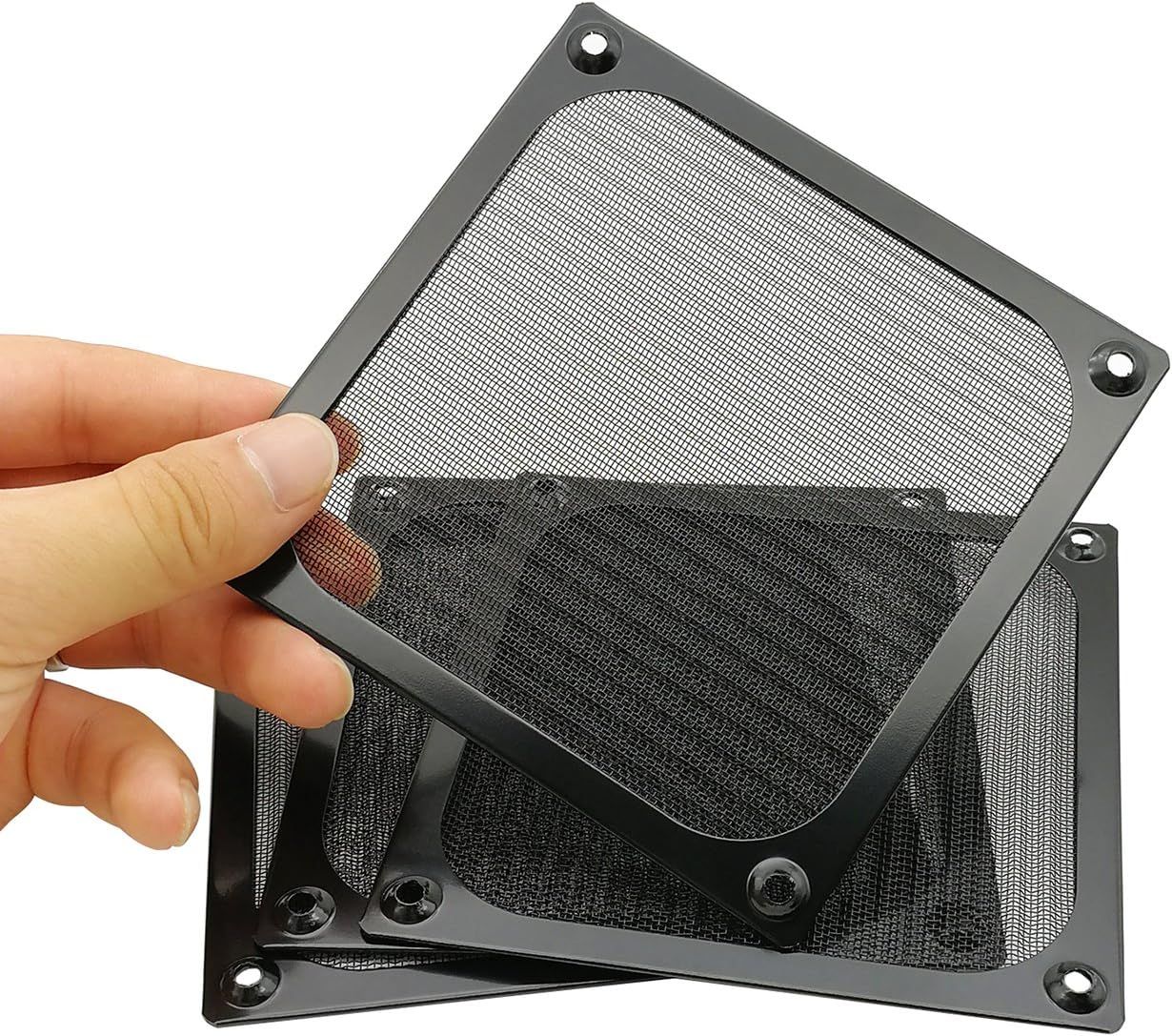

Due to its remarkable properties, nickel wire mesh is used in a wide range of applications across various industries. Key applications include:
Filtration and Separation:
Chemical Filtration: Nickel mesh is commonly used in chemical processing to filter out impurities from liquids and gases. Its high corrosion resistance makes it ideal for use in aggressive chemical environments, such as acidic or caustic solutions.
Water Filtration: It is used in water treatment systems, particularly for the filtration of industrial wastewater or desalination processes.
Oil and Gas Industry: Nickel mesh is also used to filter oil, gas, and other petroleum-based fluids, offering excellent resistance to corrosive substances typically found in these industries.
Aerospace and Automotive:
Heat Shields and Thermal Management: Due to its excellent high-temperature stability, nickel wire mesh is used in aerospace applications for heat shields, thermal insulation, and in components exposed to high temperatures.
Engine Components: Nickel mesh is also found in automotive and aerospace engine components that require both heat resistance and structural integrity under extreme conditions.
Electronics and Electrical:
Magnetic Shielding: Nickel's ferromagnetic properties make it ideal for use in electronic shielding applications, such as in magnetic or electromagnetic interference (EMI) shielding.
Electrical Contacts and Conductors: The electrical conductivity of nickel makes it useful for contacts, conductors, and terminals in electrical components and circuit boards.
Marine and Offshore Applications:
Seawater Desalination: Nickel mesh is often used in seawater filtration and desalination systems due to its resistance to corrosion from saltwater.
Marine Equipment Protection: Nickel mesh is also employed in marine environments for protecting equipment from the effects of saltwater exposure, including in filtration systems for ships or oil rigs.
Medical and Food Processing:
Medical Devices: Nickel wire mesh is used in medical applications where strength, corrosion resistance, and non-toxicity are important. It can be found in filtration devices, sterilization equipment, and as part of certain diagnostic instruments.
Food and Beverage Filtration: Nickel mesh is used in food and beverage processing applications, such as for filtering liquids or separating solids from liquids in brewing, dairy, and juice production.
Protective and Structural Applications
Reinforcing Mesh: Nickel wire mesh is used in the construction and industrial sectors as reinforcing mesh for concrete or for creating protective barriers, cages, and screens.
Security Mesh: Its high strength and resistance to corrosion make nickel mesh a suitable material for use in security fencing, screening, and protective enclosures.


