






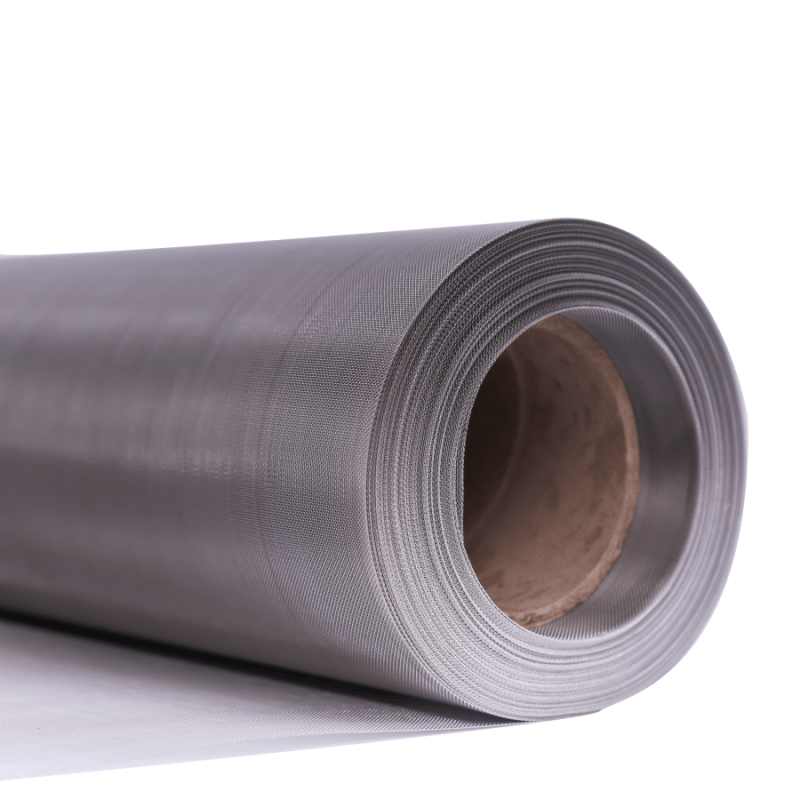
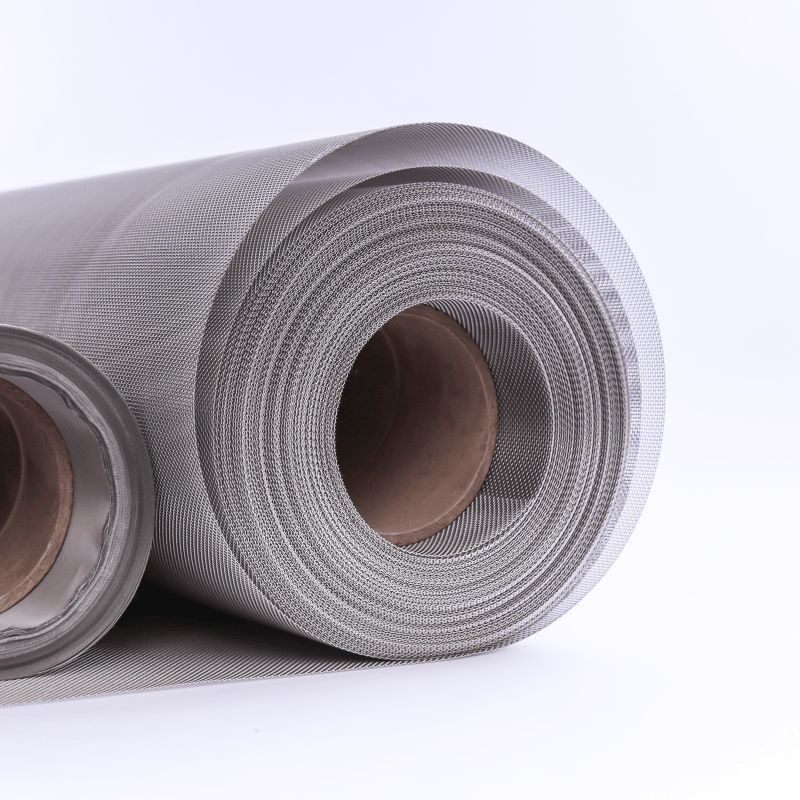
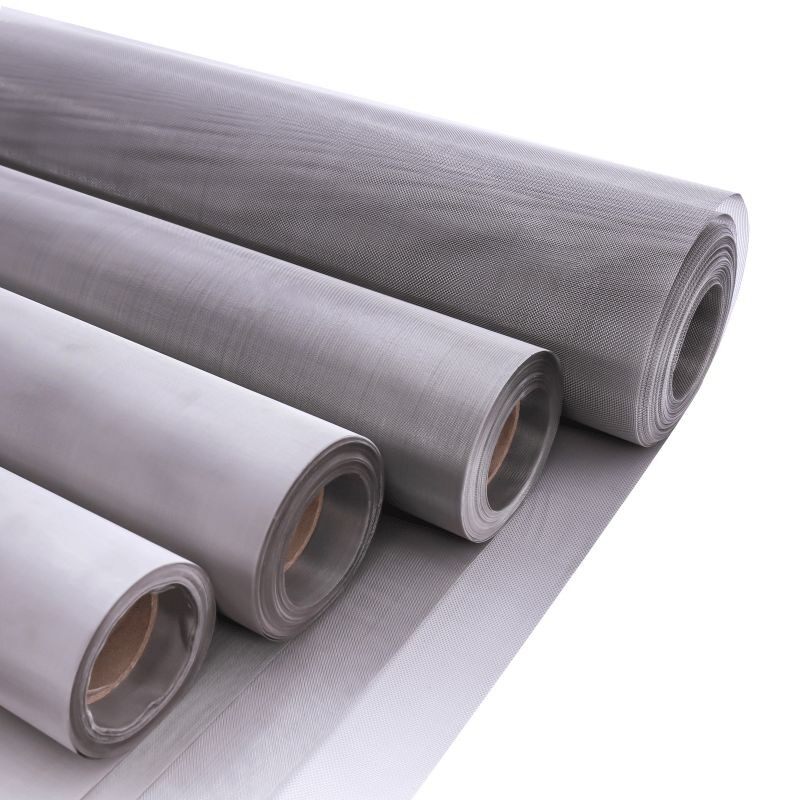
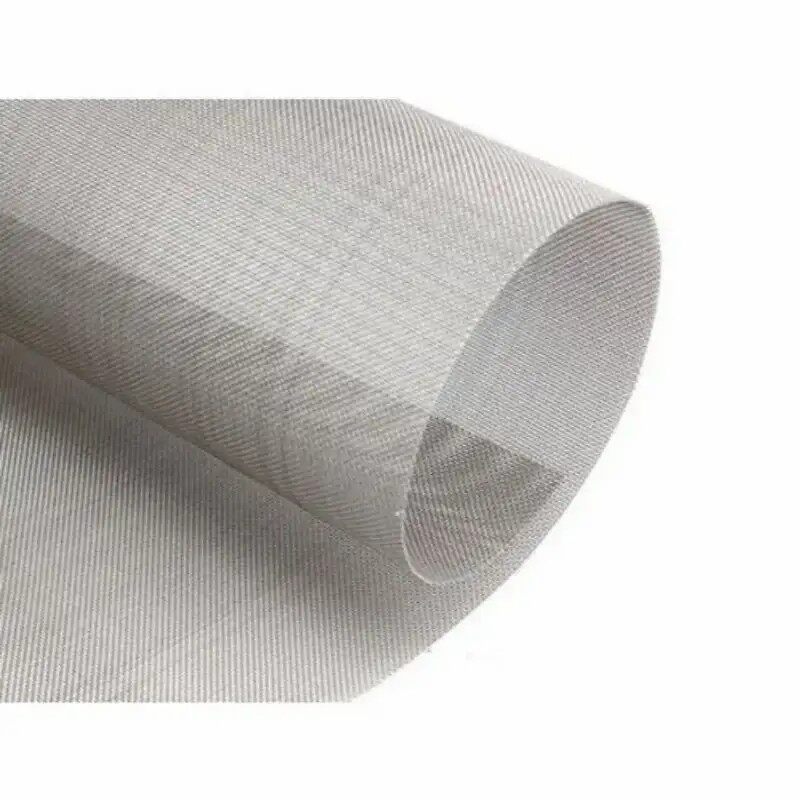
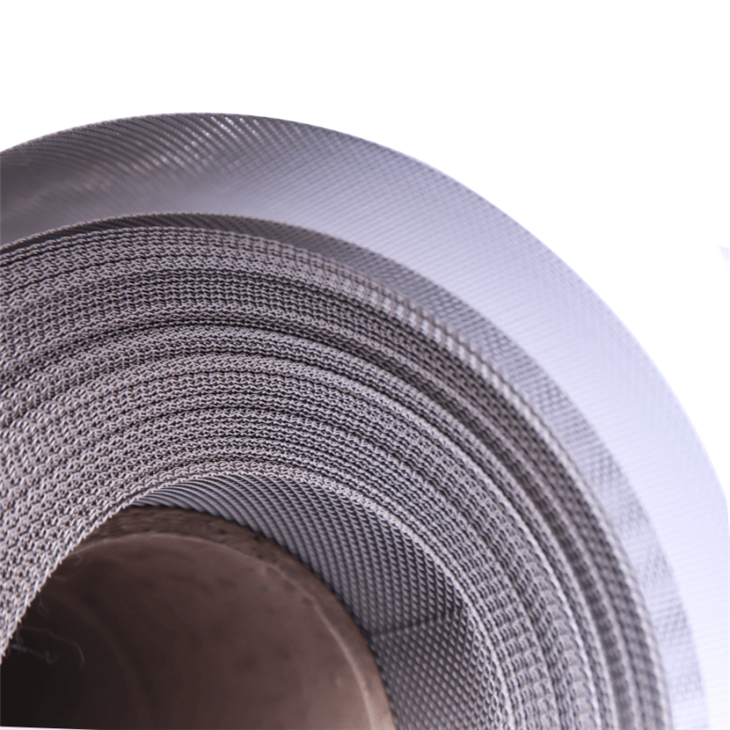
316L stainless steel wire mesh, with its extra-low carbon content, is an austenitic stainless steel that is non-magnetic when annealed and offers superior welding characteristics due to its resistance to carbide precipitation during the welding process. It is highly resistant to a broad range of industrial and chemical settings, making it ideal for use in chemical/petrochemical, food processing, pharmaceutical equipment, and medical device industries. This grade of stainless steel also withstands outdoor exposure without rusting and resists oxidation at temperatures up to 1600°F, providing a durable solution for high-temperature applications .
CHG Metal supplies 316L wire mesh in plain weave, twill weave and Dutch weave styles. It is suitable for welded filter cartridges, filter baskets, filter cylinders, pharmaceutical equipment, food-contact components and marine water treatment. The strengths of 316L lie in its weldability and low-carbon control, and it cannot replace all high-corrosion-resistant alloys.


Comparison Between 316 and 316L Stainless Steel
Chemical Composition
|
Material |
Carbon (C) |
Nickel (Ni) |
Chromium (Cr) |
Molybdenum (Mo) |
|
316 Stainless Steel |
Up to 0.08% |
10.0-14.0% |
16.0-18.0% |
2.0-3.0% |
|
316L Stainless Steel |
Maximum 0.03% (low carbon) |
10.0-14.0% |
16.0-18.0% |
2.0-3.0% |
Corrosion Resistance
|
Material |
Description |
|
316 Stainless Steel |
Provides excellent resistance to corrosion, especially against chlorides and industrial solvents. |
|
316L Stainless Steel |
Offers slightly better corrosion resistance due to its lower carbon content, which is particularly beneficial after welding or stress relieving. |
Applications
|
Material |
Typical Applications |
|
316 Stainless Steel |
High-temperature and corrosive environments, food processing equipment, chemical and petrochemical industries, marine applications. |
|
316L Stainless Steel |
Applications requiring welding or maximum corrosion resistance, pharmaceuticals, marine applications, architectural elements. |
Cost
|
Material |
Cost Comparison |
|
316 Stainless Steel |
Generally less expensive due to the higher carbon content. |
|
316L Stainless Steel |
Slightly more costly because of the additional processing required to reduce carbon content. |
Suitability for Welding
|
Material |
Welding Characteristics |
|
316 Stainless Steel |
Prone to carbide precipitation during welding, which can increase susceptibility to corrosion in certain environments. |
|
316L Stainless Steel |
The low carbon content makes it more resistant to carbide precipitation, ensuring better corrosion resistance in the weld area, making it a superior choice for welding applications. |
Product Features
Corrosion Resistance: Stainless steel wire mesh is highly resistant to corrosion, making it suitable for use in environments where exposure to moisture, chemicals, and other corrosive elements is common.

Durability and Strength: The mesh is known for its strength and durability, which allows it to withstand heavy use and maintain its integrity over time, even in demanding applications.

Versatility in Filtration: It is used in a wide range of filtration applications due to its ability to be manufactured in various mesh sizes and wire thicknesses, catering to both coarse and fine filtration needs.

Hygienic and Easy to Clean: The smooth surface of stainless steel wire mesh is non-porous, which makes it easy to clean and maintain, an important feature in food processing and pharmaceutical applications where hygiene is critical.
Temperature Resistance: Stainless steel wire mesh can operate in a broad temperature range, from cryogenic temperatures to over 1500°F (816°C), depending on the grade of stainless steel used.
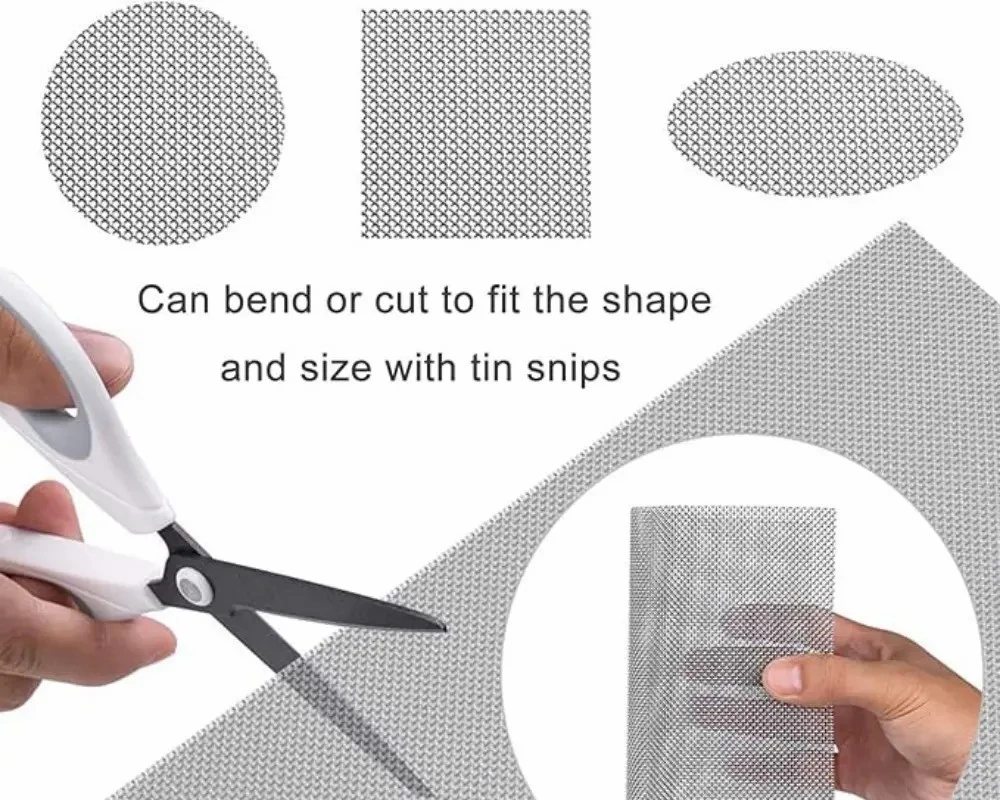
Customizability: The mesh can be customized in terms of mesh size, wire diameter, and roll dimensions to fit specific application requirements, making it a versatile choice for various industries.
Aesthetic Appeal: In addition to its functional properties, stainless steel wire mesh also offers an aesthetically pleasing finish, making it a popular choice for decorative and architectural applications as well.

Product Application
Marine Environments: Known for its exceptional resistance to saltwater and marine atmospheric corrosion, 316L stainless steel wire mesh is often used in maritime fittings, oceanic hardware, and coastal construction projects.
Chemical Processing: Its outstanding corrosion resistance to chemicals, acids, and chlorides makes it ideal for use in chemical plants, pharmaceuticals, and petrochemical industries.

Food Processing: The non-reactive nature of 316L stainless steel makes it suitable for use in food processing and handling equipment, especially in environments that require cleanliness and hygiene.

Medical Applications: Utilized in medical devices and implants due to its ability to withstand repeated sterilization without degradation.
Water Treatment and Filtration: Its resistance to corrosion and contaminants makes it suitable for water filtration systems, including wastewater treatment and desalination plants.

Architectural and Construction Uses: Widely used in architectural applications for both functionality and aesthetics, such as in facades, gratings, and balustrades, particularly in high-corrosion environments.

Packing

FAQ
Q: What is the main difference between 316 and 316L?
A: 316L has lower carbon and is generally preferred for welded structures or where post-weld intergranular corrosion resistance matters.
Q: Can 316L be used in seawater?
A: It is used in many marine duties, but temperature, flow, crevices and deposits affect performance. Grade selection cannot be based on the name alone.
Q: Can you make welded 316L cylinders?
A: Yes. Provide the cylinder dimensions, mesh layers, support, connections and weld drawing.
Request a Quote
Send the 316L mesh count or aperture, wire diameter, weave, dimensions, medium, temperature, welded structure and quantity to CHG Metal for a quotation.


