






Multi-stage filtration systems combine two or more filtration steps-such as strainers, mesh screens, cartridge filters, and bag filters-to progressively remove contaminants. Instead of relying on a single filter to handle the entire contaminant load, multi-stage setups divide the workload and create a more stable, efficient, and cost-effective filtration process. These systems are widely used in chemicals, food & beverage, coatings, pharmaceuticals, and water treatment, where liquid purity and production consistency are crucial.
Multi-stage filtration improves overall system performance by reducing clogging frequency, lowering differential pressure, and maintaining more predictable flow rates. Each stage captures a specific contaminant range, allowing the downstream filters to operate under lighter, more controlled loads. This not only extends filter life but also improves end-product quality and minimizes operational disruptions. For facilities handling variable particle sizes, high viscosity fluids, or critical sanitation requirements, multi-stage configurations significantly elevate reliability and long-term cost savings.

Understanding How Multi-Stage Filtration Works
Sequential Particle Removal Ensures Higher Efficiency
A multi-stage filtration system typically starts with coarse filtration using strainers or mesh screens, followed by finer filtration using bag or cartridge filters. This sequential removal prevents oversized solids from overwhelming the downstream media. When coarse particles are captured early, the subsequent filters can focus on finer contaminants without experiencing sudden pressure spikes or premature blinding. Sequential removal creates a balanced filtration load, maintaining stable operation throughout the process. This architecture is especially important in fluids with unpredictable particle distribution, slurries, or batches that introduce sudden solid spikes.
Lower Differential Pressure Protects Downstream Filters
Differential pressure is one of the most crucial indicators of filter strain. In single-stage systems, all contaminants pass through one filter, causing pressure to rise rapidly. Multi-stage filtration distributes this load. The first stage removes bulky solids, reducing flow resistance early, while subsequent stages handle finer particles under lighter pressure. This structure maintains optimal flow rate longer and prevents downstream filter collapse. Reduced differential pressure also means operators spend less energy pumping fluids, generating immediate and measurable cost savings.
Improved Flow Stability Optimizes Production Output
A common issue in filtration is fluctuating flow caused by inconsistent particle concentrations. Multi-stage filtration evens out these variations by buffering the load. When coarse solids are captured before they enter the fine filtration stage, the latter can maintain constant permeability. Stable flow rates are essential for processes such as coatings, beverage clarification, pharmaceutical liquids, and petrochemical blending. Stable flow reduces processing delays, ensures predictable batch quality, and minimizes system downtime due to filter replacement or cleaning.
Cost Benefits of Multi-Stage Filtration Systems
Extended Filter Bag and Cartridge Lifespan
By removing large particles upfront, the finer downstream filters experience significantly slower clogging. Bag filters, in particular, can last 2–4 times longer in a multi-stage system compared to a single-stage arrangement. This leads to fewer changeouts, less labor cost, lower material waste, and improved manufacturing continuity. Facilities with high particle variability benefit the most, as pre-filters absorb the sudden load spikes that usually cause filter failure.
Reduced Equipment Wear and Maintenance Costs
Oversized particles can damage pumps, valves, seals, and downstream filtration housings. A multi-stage system prevents these particles from traveling deeper into the fluid pathway. By protecting expensive equipment, operators reduce the risk of unexpected shutdowns, bearing wear, and seal degradation. Over time, this reduces both maintenance frequency and emergency repair expenses, extending the lifespan of critical processing equipment.
Lower Energy Consumption in Filtration Operations
A system running at lower differential pressure requires less pumping energy. When flow resistance rises, pumps must work harder, increasing energy consumption and heat generation. Multi-stage filtration minimizes pressure rise by distributing the filtration load across multiple stages. Lower energy demand produces cumulative cost savings, especially in high-volume or 24/7 production facilities where energy usage directly affects operating expenses.
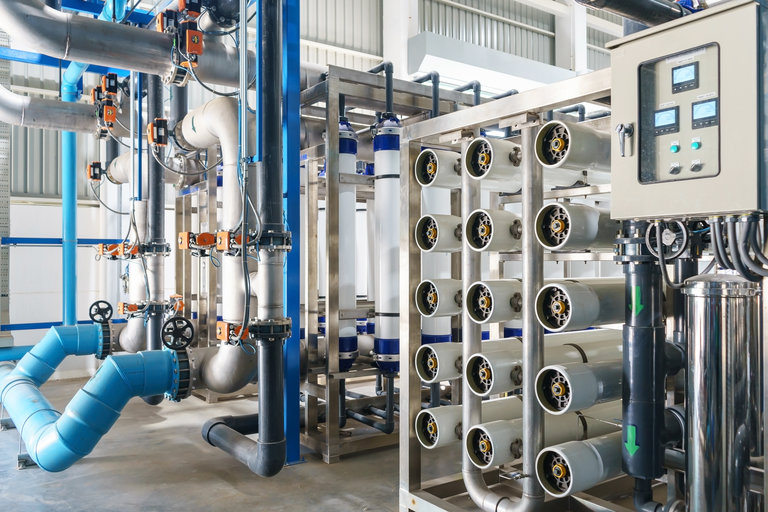
Designing an Effective Multi-Stage Filtration System
Selecting the Right Filtration Sequence for Your Process
The sequence of filtration stages determines how effectively contaminants are removed. A typical setup begins with coarse filtration to capture large solids, followed by mid-range filtration to handle medium particles, and finally fine filtration to achieve precise clarity or purity levels. Choosing the right order prevents any single stage from becoming overloaded. For example, processes involving resins, slurries, or high-fiber fluids benefit from a strainer → mesh → bag filter sequence. In contrast, applications requiring ultra-clean output, such as beverage clarification or electronics rinsing, may involve multiple depth-filtration steps before final polishing.
Ensuring Proper Flow Distribution Across Stages
Even distribution of flow across filtration stages is essential to prevent channeling, dead zones, or uneven loading. Poor flow distribution causes upstream pre-filters to overload quickly while downstream stages remain underutilized. Using flow diffusers, baffles, and properly sized housings ensures consistent velocity and optimal stage utilization. Facilities with high throughput or variable fluid viscosity must pay particular attention to stabilizing flow, as imbalanced distribution can lead to premature clogging, filter collapse, or unpredictable differential pressure spikes.
Evaluating Micron Ratios Between Stages for Optimal Protection
The gap between micron ratings in multi-stage filtration should be balanced-not too close and not too far apart. A good rule is:
Each stage should be 2–5× finer than the previous one.
If gaps are too small, upstream filters clog unnecessarily fast; if too large, downstream filters receive excessive load. Proper micron spacing improves filtration predictability, lowers energy demand, and maximizes system efficiency. Tailoring micron ratios based on fluid characteristics, particle distribution, and system pressure conditions ensures long-term stability.
Recommended Micron Progression for Multi-Stage Filtration
| Filtration Stage | Typical Micron Rating | Purpose |
|---|---|---|
| Stage 1 – Coarse Strainer | 80–500 µm | Remove large solids, protect equipment |
| Stage 2 – Mesh Filter | 50–200 µm | Capture medium particles, stabilize flow |
| Stage 3 – Bag Filter | 1–50 µm | Fine filtration for clarity & purity |
| Stage 4 – Cartridge Filter (optional) | 0.2–10 µm | Polishing and final purification |
Common Industrial Configurations of Multi-Stage Filtration
Multi-Stage Systems in Chemical and Solvent Processing
Chemical plants often handle fluids with mixed particle sizes and chemical aggressiveness. Multi-stage filtration protects downstream filters from solvent-induced swelling and heavy particle accumulation. Stainless steel strainers handle the initial solid load, followed by PE or PP depth filters for medium particles. A final cartridge filter removes ultra-fine contaminants, ensuring stable product consistency and preventing process contamination. This layered defense significantly reduces solvent waste and enhances process reliability.
Multi-Stage Filtration in Food & Beverage Production
In beverage production, edible oils, syrups, and juices contain pulp, seeds, fibers, and colloidal particles. A multi-stage setup helps separate these contaminants gradually, ensuring clarity without damaging flavor or viscosity. Coarse screens remove pulp and seeds, mesh filters handle fiber clusters, and fine bag filters polish the liquid for bottling. This approach preserves the natural characteristics of the product while lowering filtration losses and ensuring compliance with hygiene standards.

Multi-Stage Filtration for High-Viscosity Fluids and Slurries
For industries like paint, adhesives, and mining, high-viscosity fluids pose a challenge due to rapid clogging and inconsistent flow. Multi-stage filtration disperses the load by removing heavy solids first, preventing shock loading on fine filters. Strong housings, abrasion-resistant pre-filters, and wide micron spacing are critical for stable operation. This controlled removal process reduces downtime, improves energy efficiency, and ensures consistent product quality even in extremely demanding environments.
Typical Multi-Stage Filtration Setups by Industry
| Industry | Recommended Stages | Key Benefits |
|---|---|---|
| Food & Beverage | Coarse screen → Mesh → Bag filter | Improved clarity, hygiene, stable flow |
| Chemicals | Strainer → PE felt bag → Cartridge | Chemical resistance, purity stability |
| Mining & Slurry | Heavy-duty strainer → Mesh | High durability, prevents clogging |
| Paint & Coatings | Mesh → PP/PE bag | Smooth flow, consistent quality |
| Pharmaceuticals | Mesh → Bag → Cartridge | High purity, controlled filtration levels |
Conclusion
Multi-stage filtration systems provide a structured and intelligent approach to handling complex industrial liquids. By dividing filtration into multiple steps, each stage removes contaminants that correspond to its specific micron range, allowing the entire system to function more efficiently. This layered strategy reduces sudden loading, maintains stable differential pressure, and significantly extends the lifespan of downstream filters such as bag and cartridge elements. Whether dealing with large debris, variable particle sizes, or fine impurities requiring high precision, multi-stage filtration ensures each filter only receives the load it is designed to handle. This not only enhances filtration consistency but also improves product quality, especially in industries where purity, clarity, and uniformity are essential.
From a cost perspective, the benefits are equally compelling. Multi-stage systems dramatically reduce operational expenses by minimizing filter replacement frequency, lowering energy consumption, and protecting critical equipment from wear caused by oversized particles. Facilities operating under high throughput or continuous production conditions experience fewer shutdowns and greater process stability. Additionally, strategic selection of materials-such as stainless steel for highly abrasive environments or PP/PE for general industrial processing-ensures long-term durability and predictable performance. Overall, multi-stage filtration represents a smart investment for manufacturers seeking to optimize production efficiency, reduce waste, and maintain consistent quality across diverse applications.
To gain a comprehensive perspective on the fundamental distinctions between filters and strainers, we recommend reading our main article:
"Understanding the Key Differences Between Filters and Strainers."
It provides detailed insights that will help you select the most suitable solution for your industrial liquid filtration needs.