






Selecting the correct strainer mesh size is critical to ensuring reliable flow, equipment protection, and long-term operational efficiency. The right mesh rating prevents pumps, valves, and downstream filters from clogging, while still allowing sufficient throughput for industrial processes. This guide provides a structured approach to choosing the optimal mesh size based on particle characteristics, liquid properties, and system performance requirements.

Understanding Mesh Size and Its Impact on Filtration Performance
What Mesh Size Really Means in Industrial Straining
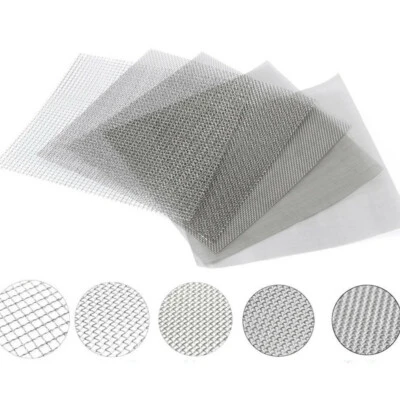
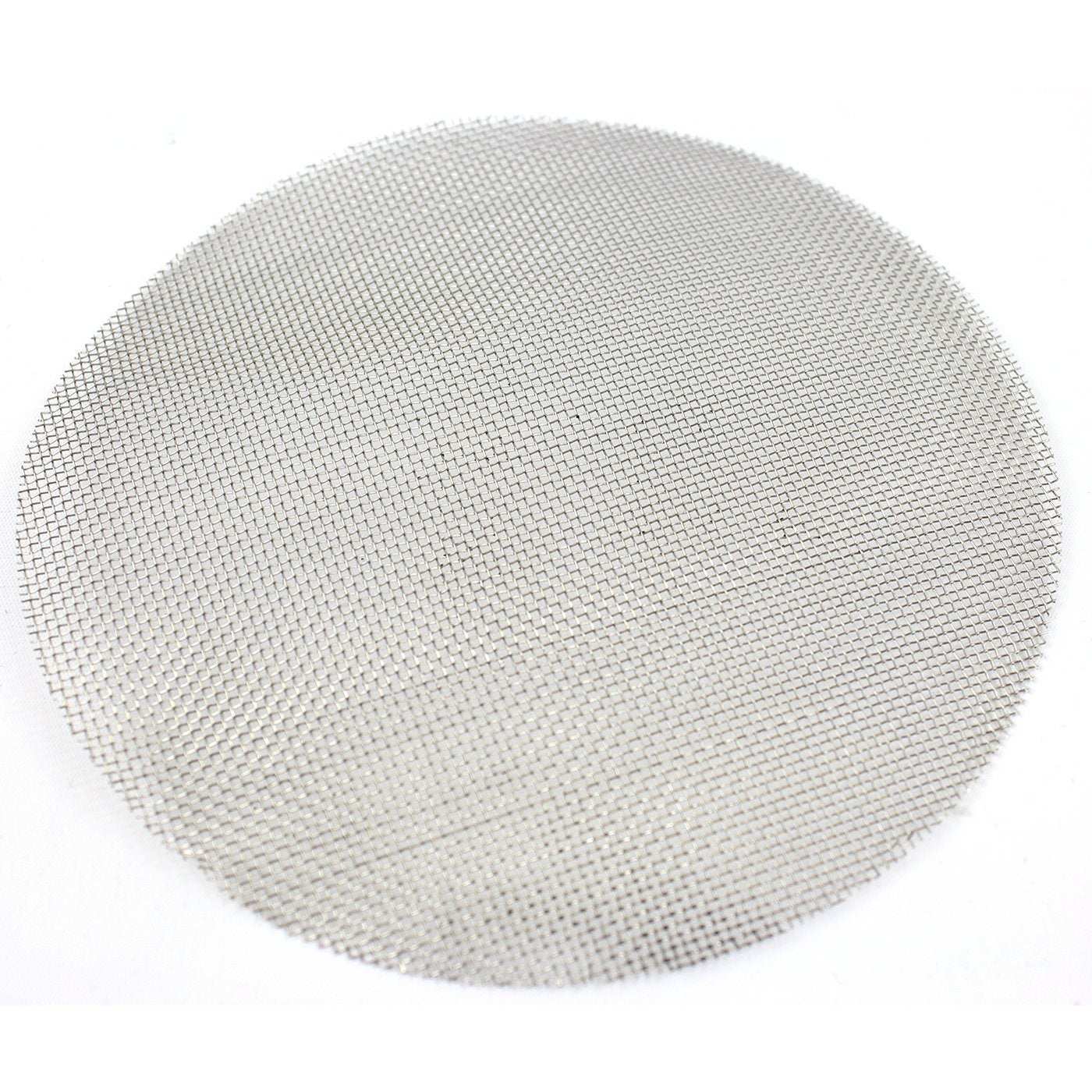
Mesh size refers to the number of openings per linear inch of strainer screen and directly determines the particle size that can be captured. A lower mesh number means larger openings for coarse filtration, while higher mesh numbers capture finer debris. Industrial strainers commonly use mesh ratings from 4 mesh (very coarse) to 200 mesh or above, depending on application. However, mesh size alone does not fully define filtration capability-wire diameter, opening shape, and construction style also influence actual performance. For example, two 80-mesh screens may have different open areas depending on the thickness of the wires used. Understanding these distinctions helps avoid underspecifying or overspecifying a strainer, which could result in poor flow, excessive pressure drop, or frequent cleaning cycles. By focusing on both particle retention and hydraulic efficiency, mesh size selection becomes a balance between protection and operational practicality.
The Relationship Between Mesh Rating and Particle Size Retention
In industrial practice, mesh size must be interpreted together with the approximate micron rating that corresponds to the actual size of particles captured. For example, a 40 mesh typically retains solids around 400 microns, while a 100 mesh screen captures particles around 150 microns. This relationship allows process engineers to align mesh selection with the contaminant profile expected in the system. If particles are too small for the selected mesh, they will bypass the strainer and potentially damage downstream equipment. Conversely, choosing an overly fine mesh may lead to rapid clogging and increased maintenance. The ideal solution is a mesh that captures the most harmful particles while maintaining stable flow. By analyzing fluid samples, performing upstream debris assessments, and reviewing historical maintenance records, companies can accurately match mesh ratings to actual particle sizes present in the system.
How Mesh Size Affects Flow Rate and Pressure Drop
One of the biggest factors in selecting the right mesh is understanding how it influences flow performance. As mesh size increases (meaning smaller openings), flow resistance also increases, leading to higher pressure drop across the strainer. Excessive pressure drop reduces system efficiency and can overstress pumps. Therefore, choosing the finest possible mesh is not always the optimal approach. Engineers must consider fluid viscosity, expected debris load, and allowable pressure loss before finalizing a mesh rating. High-viscosity liquids like oils or resins are more sensitive to pressure drop and may require coarser mesh screens. In contrast, clean and low-viscosity fluids can tolerate finer meshes without significant impact. Balancing flow stability with filtration efficiency ensures continuous operation and minimizes frequent screen cleaning or replacements.
Application-Based Guidelines for Mesh Size Selection
Mesh Selection for Water, Coolants, and Low-Viscosity Liquids
Low-viscosity liquids such as water, cooling fluids, solvents, and thin oils generally support a wider range of mesh sizes without causing excessive pressure drop. Typical systems use 20–80 mesh screens depending on the level of particulate contamination. For cooling towers and pipelines exposed to leaves, scale, or rust flakes, a coarse 20–40 mesh is often adequate. In contrast, process water used in food manufacturing or industrial washing may require finer screens around 60–100 mesh to ensure cleanliness. Because these fluids flow easily, the risk of clogging is lower, which allows for more precise contaminant control. However, maintenance schedules and debris load should still be evaluated, as high contamination environments benefit from staged filtration-coarse first, fine second-rather than relying on a single fine mesh.
Mesh Recommendations for Oils, Resins, and High-Viscosity Media
High-viscosity fluids behave differently and often require coarser mesh sizes to maintain acceptable flow rates. Oils, lubricants, greases, polymers, and resins tend to trap particles within fine screens, causing rapid clogging and operational interruptions. For these applications, 10–40 mesh is typically preferred, with the exact rating determined by viscosity, temperature, and contamination type. A strainer that is too fine can overburden pumps and significantly increase energy consumption. For processes such as lubrication systems or hydraulic power units, coarse mesh elements protect sensitive components while still allowing adequate circulation. When finer filtration is required downstream, using a staged filtration approach ensures performance without excessive cleaning frequency.
Mesh Sizing for Heavy-Solid Industrial Liquids and Slurries
Liquids with heavy particulate loads-such as slurries, wastewater, mining fluids, or chemical mixtures-require robust mesh configurations that can withstand abrasion and heavy solids accumulation. These systems typically use mesh between 4 and 20, providing large openings that prevent blockage while capturing harmful debris. For slurries with abrasive particles, wedge wire or perforated metal screens may be more suitable than woven mesh due to their superior mechanical strength. Selecting the proper mesh also depends on the shape and hardness of the solids; fibrous contaminants may require different screen designs compared to granular particles. Ensuring easy access for cleaning and regular maintenance is essential for stable performance in such demanding environments.
Common Mesh Sizes and Their Approximate Micron Ratings
| Mesh Size | Approx. Micron Rating | Typical Industrial Use |
|---|---|---|
| 4 Mesh | ~4750 μm | Slurries, heavy solids, mining |
| 20 Mesh | ~841 μm | Cooling water, irrigation |
| 40 Mesh | ~400 μm | Process water, general protection |
| 80 Mesh | ~177 μm | Fine debris removal, solvents |
| 100 Mesh | ~150 μm | Clean water, precision systems |
| 200 Mesh | ~74 μm | Very fine filtration prep stage |

Operational Factors That Influence Mesh Size Selection
Evaluating System Pressure Limits to Avoid Unnecessary Strainer Stress
System pressure limitations play an important role in choosing a suitable strainer mesh size. When a mesh is too fine, it introduces higher resistance, which increases upstream pressure and forces pumps to work harder. This additional load can cause energy inefficiencies and potential pump overheating. For systems with strict pressure constraints-such as cooling loops, food production lines, or chemical dosing systems-engineers must balance filtration precision with safe operational limits. Conducting pressure-drop simulations or referencing pump performance curves helps determine the maximum allowable resistance. By choosing a mesh size that provides adequate filtration without surpassing system pressure thresholds, operators can maintain both equipment safety and predictable performance across fluctuating flow conditions.
Considering Cleaning Frequency and Ease of Maintenance
Maintenance requirements often dictate mesh selection more than filtration capability. Fine-mesh strainers trap more debris but require frequent cleaning, which increases labor costs and may cause production downtime. In contrast, coarse-mesh strainers allow longer operating intervals between cleaning cycles but may permit smaller particles to pass downstream. The ideal mesh size depends on the acceptable cleaning frequency, availability of maintenance personnel, and whether the system allows online cleaning or requires shutdown. For facilities with limited manpower or strict uptime demands-such as continuous chemical processing plants-coarser mesh or staged filtration may be the more practical choice. Considering operational realities ensures long-term reliability and sustainable filtration performance.
Adjusting Mesh Size Based on Seasonal or Process Variations
Many industrial processes experience seasonal shifts or production-related fluctuations in particle load. Cooling water systems may encounter increased debris during autumn, wastewater plants may see variable solids levels, and mining operations may produce different particle sizes depending on ore quality. Choosing a single fixed mesh size may not be optimal. Instead, some facilities prepare multiple strainer cartridges with different mesh ratings, switching them based on contamination levels. This flexible approach protects downstream equipment while optimizing flow stability during peak contamination periods. Monitoring historical particle-load data and correlating it with production cycles allows facilities to adjust mesh size strategically rather than reactively.
Operational Variables That Affect Mesh Selection
| Operational Factor | Influence on Mesh Choice | Recommended Approach |
|---|---|---|
| System Pressure Limit | Higher pressure drop with finer mesh | Use mesh that maintains safe differential pressure |
| Maintenance Capacity | Frequent cleaning for fine mesh | Choose mesh aligned with labor availability |
| Seasonal Debris Variation | Changing contamination levels | Alternate mesh sizes by season or batch |
| Fluid Viscosity | Higher viscosity restricts flow in fine mesh | Select coarser mesh or staged filtration |
| Pump Load Restrictions | Excessive restriction stresses pump | Balance mesh fineness with pump capacity |
Conclusion
Selecting the right strainer mesh size for industrial liquids requires a precise understanding of both technical filtration requirements and practical operational constraints. Mesh size influences particle retention, flow behavior, pressure drop, energy consumption, and the lifespan of downstream filters and equipment. By analyzing particle characteristics, fluid viscosity, debris load, and the functional demands of the system, engineers can match mesh ratings to real-world conditions with far greater accuracy. This ensures contaminants are effectively captured without placing excessive strain on pumps or restricting flow. Equally important is recognizing that mesh performance depends not only on the mesh number but also on wire thickness, open area, and structural integrity, all of which affect how well the strainer handles long-term use.
Operational considerations further shape the ideal mesh selection. Facilities with limited maintenance personnel may prioritize coarser mesh to reduce cleaning frequency, while high-precision environments may integrate staged filtration to balance fine particle retention with stable throughput. Seasonal shifts, production changes, and upstream contamination events all influence how a mesh behaves in practice, making flexibility and periodic reassessment crucial parts of filtration management. By combining technical data with operational insights, companies can standardize mesh selection processes that optimize performance, reduce downtime, extend equipment life, and minimize total filtration costs. Ultimately, choosing the correct strainer mesh size is not a one-time decision but an ongoing strategy that adapts to evolving system needs.
To deepen your understanding of how strainers work alongside other filtration components, you may also want to explore our comprehensive guide
"Understanding the Key Differences Between Filters and Strainers."
It provides a clear comparison of both technologies and helps you make smarter decisions when designing or upgrading your filtration system.