





Strainers are essential components in liquid handling and filtration systems, protecting pumps, valves, and downstream equipment from debris. However, improper selection, maintenance, or operation can lead to common issues that reduce efficiency, increase downtime, and raise operational costs. This guide explores the most frequent strainer problems and offers practical strategies to prevent system blockages.

Frequent Strainer Problems in Industrial Systems
Mesh Clogging Due to Oversized Particles
Strainers often become clogged when oversized or irregular solids accumulate on the mesh. This problem is particularly common in industries handling viscous liquids, slurries, or fluids with fibrous content. When large particles collect, they restrict the flow of liquid, leading to increased differential pressure and potential pump overload. Operators may notice reduced system efficiency, pressure fluctuations, and intermittent flow issues. To prevent mesh clogging, it is important to analyze the particle size distribution of incoming fluids and choose a mesh size that can handle the expected load without compromising filtration. In addition, implementing upstream coarse pre-filters can significantly reduce the number of oversized solids reaching the strainer, extending its service life and reducing maintenance frequency. Routine inspections and timely cleaning are also crucial to prevent sudden blockages that could halt production.
Corrosion and Material Degradation
Strainers are often exposed to aggressive chemicals, high-temperature fluids, and abrasive particles. Over time, these factors can corrode metal strainers or degrade synthetic materials, reducing structural integrity and filtration performance. For example, stainless steel strainers may suffer pitting or surface corrosion when exposed to strong acids or chlorinated solutions, while polymer strainers may soften or crack under thermal stress. Selecting materials compatible with the process chemistry is essential to maintain strainer longevity. Protective coatings, such as epoxy or nickel plating, can further enhance corrosion resistance. Additionally, monitoring the chemical exposure history and operating conditions of the strainer allows maintenance teams to anticipate potential material degradation and schedule timely replacements before failures occur, preventing unexpected downtime and costly repairs.
Flow Restriction From Improper Installation
Incorrect installation is a surprisingly common cause of strainer problems. Misaligned strainers, poor sealing, or incorrect orientation can lead to uneven flow distribution, turbulence, and localized high-pressure zones. These conditions increase wear on the strainer mesh and accelerate clogging. In addition, improperly installed strainers can allow bypass, reducing the effectiveness of filtration and potentially sending contaminants downstream. To avoid these issues, it is important to follow manufacturer installation guidelines carefully, ensuring that the strainer is correctly oriented, fully seated, and properly sealed within the housing. Routine inspections should include checking alignment and seal integrity. Proper installation not only ensures optimal flow but also improves the overall efficiency and lifespan of both the strainer and downstream equipment.
Preventive Measures for Strainer Maintenance
Routine Cleaning and Inspection
Regular cleaning and inspection are fundamental to maintaining strainer efficiency. Accumulated debris increases differential pressure, reduces flow rates, and can stress pumps and valves. Cleaning frequency depends on fluid characteristics, contamination levels, and operational hours. Operators should establish a schedule that includes visual inspection, pressure monitoring, and mesh evaluation. Techniques such as backwashing, soaking in chemical cleaners, or manual debris removal can restore strainer performance. Proper cleaning not only prevents sudden clogging but also extends the service life of the strainer, minimizes operational interruptions, and reduces long-term maintenance costs. Training maintenance personnel to follow consistent procedures ensures that these tasks are performed safely and effectively.

Using Pre-filters or Multi-Stage Filtration
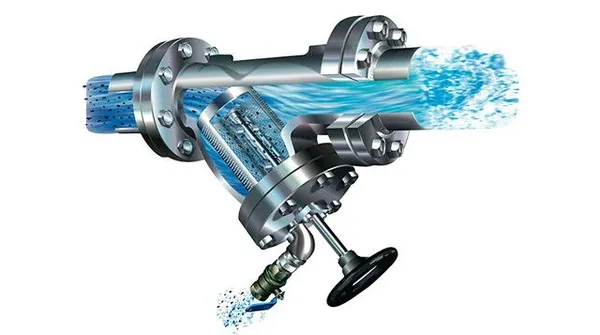
Implementing pre-filtration upstream of the main strainer reduces the load on the strainer mesh and prolongs service life. Pre-filters can capture large debris, fibrous materials, or high-viscosity contaminants before they reach the primary strainer. Multi-stage filtration systems combine coarse and fine filtration in sequence, balancing efficiency with maintenance needs. This approach is particularly effective in chemical processing, wastewater treatment, and food & beverage applications, where fluctuating particle sizes or high solid loads are common. By reducing the frequency of clogging events and maintaining consistent flow rates, pre-filters improve operational stability and help operators avoid costly downtime.
Monitoring Differential Pressure
Pressure gauges installed before and after the strainer provide critical information about strainer performance. A rising differential pressure is an early warning sign of clogging or partial blockage. Operators should define acceptable pressure ranges based on system design and monitor them continuously. When readings exceed recommended limits, cleaning or replacing the strainer is necessary to prevent overloading pumps and downstream equipment. Combining differential pressure monitoring with regular visual inspections and maintenance logs creates a proactive strategy for detecting and resolving strainer problems before they escalate into costly failures.
Material Selection and Design Considerations
Choosing the Right Mesh Size
Selecting an appropriate mesh size is critical to balancing filtration efficiency and system performance. Oversized mesh may allow contaminants to pass through, compromising downstream equipment, while overly fine mesh can clog quickly, increasing differential pressure and operational stress. Evaluating fluid characteristics, particle size distribution, and flow requirements allows operators to choose the most suitable mesh size for their application. In some cases, custom mesh or multi-layered options may be necessary to achieve the desired filtration efficiency without sacrificing flow rate. Regular assessment and adjustments ensure continued optimal performance.
Selecting Corrosion-Resistant Materials
Corrosion and chemical degradation are major contributors to premature strainer failure. Choosing materials such as stainless steel, coated metals, or high-performance polymers can prevent these issues. Material selection should consider fluid pH, temperature, and the presence of abrasive solids. Proper material choice minimizes maintenance needs, extends equipment life, and ensures stable filtration performance even in aggressive industrial environments. Combining corrosion-resistant materials with protective coatings further enhances durability.
Strainer Basket and Housing Design
The design of the strainer basket and housing plays a crucial role in system efficiency. Proper basket support, sealing, and housing geometry reduce bypass, turbulence, and uneven loading, which can cause premature clogging. Well-designed housings facilitate easier maintenance, allow quick mesh replacement, and maintain consistent flow. Considering both fluid properties and operational constraints ensures that strainers perform efficiently and reliably over extended periods.
Advanced Strainer Troubleshooting Techniques
Identifying Subtle Flow Restrictions
Even when visible debris is minimal, strainers can develop subtle flow restrictions that affect overall system efficiency. These restrictions may result from partial clogging, mesh deformation, or accumulation of viscous residues. Operators should monitor differential pressure trends, flow consistency, and fluid quality regularly. Early identification allows preventive cleaning or mesh replacement before a full blockage occurs, reducing unplanned downtime. In addition, documenting operating conditions, particle load, and cleaning frequency helps in predicting maintenance needs and optimizing strainer performance.
Detecting Micro-Damage in Mesh
Over time, repeated stress cycles or abrasive particles may create micro-tears or deformation in the mesh that are not immediately visible. These small defects can allow contaminants to bypass the strainer, potentially damaging downstream equipment. Regular inspection with magnification tools, dye penetration tests, or pressure decay testing can identify these issues early. Implementing a micro-damage detection program ensures that strainers maintain both filtration integrity and system protection over extended operational periods.
Advanced Troubleshooting Checks
| Issue | Detection Method | Recommended Action |
|---|---|---|
| Subtle flow restriction | Differential pressure monitoring | Schedule cleaning or mesh replacement |
| Mesh deformation | Visual inspection, magnification | Replace affected mesh sections |
| Bypass contamination | Particle testing downstream | Adjust mesh size or implement pre-filtration |
Optimizing Strainer Performance for Long-Term Reliability
Balancing Flow Rate and Filtration Efficiency
Optimizing strainer performance requires balancing flow rate with particle retention. High flow rates may stress the mesh and reduce retention, while overly fine meshes may clog too quickly. Selecting a mesh size that fits the application's particle load and process requirements ensures stable operation. Coupling this selection with proper maintenance intervals and pre-filtration significantly improves operational efficiency and prolongs the service life of both the strainer and downstream equipment.
Establishing a Predictive Maintenance Program
Predictive maintenance leverages data on differential pressure, flow trends, and chemical exposure to forecast strainer cleaning or replacement needs. This approach prevents unexpected blockages and extends strainer lifespan. Integrating predictive analytics into daily operations allows operators to schedule maintenance with minimal disruption, optimize inventory for replacement parts, and maintain continuous high-quality filtration performance.
Performance Optimization Metrics
| Metric | Target Range | Recommended Monitoring |
|---|---|---|
| Differential pressure | Within 10% of baseline | Real-time monitoring via gauges |
| Flow rate | Stable per system specification | Continuous flow sensors |
| Particle retention | ≥ 95% of target micron | Downstream sampling |
Conclusion
Proper understanding of common strainer problems and implementing proactive maintenance measures are essential for maintaining reliable and efficient liquid handling systems. Frequent issues such as mesh clogging, corrosion, and improper installation can disrupt operations, reduce equipment lifespan, and increase maintenance costs. By adopting preventive strategies, including routine inspections, differential pressure monitoring, and pre-filtration, operators can significantly reduce the risk of system blockages, maintain stable flow rates, and extend strainer longevity.
Careful material selection, correct mesh sizing, and robust housing design are equally important to prevent failures and optimize performance. Combining these approach es ensures that strainers protect downstream equipment, minimize downtime, and deliver consistent filtration results. Overall, a well-maintained strainer system enhances operational efficiency, lowers long-term costs, and supports smooth, uninterrupted industrial liquid processing.
For a broader comparison of filtration solutions and to understand the key differences between filters and strainers, refer back to our main article:
"Understanding the Key Differences Between Filters and Strainers."