






Proper edge finishing and corrosion prevention are essential after cutting stainless steel mesh. Sharp edges, burrs, and microstructural damage can compromise safety, reduce performance, and accelerate corrosion. This guide details methods for post-cut edge finishing, protective treatments, and inspection techniques to ensure mesh durability and long-term reliability in various applications.

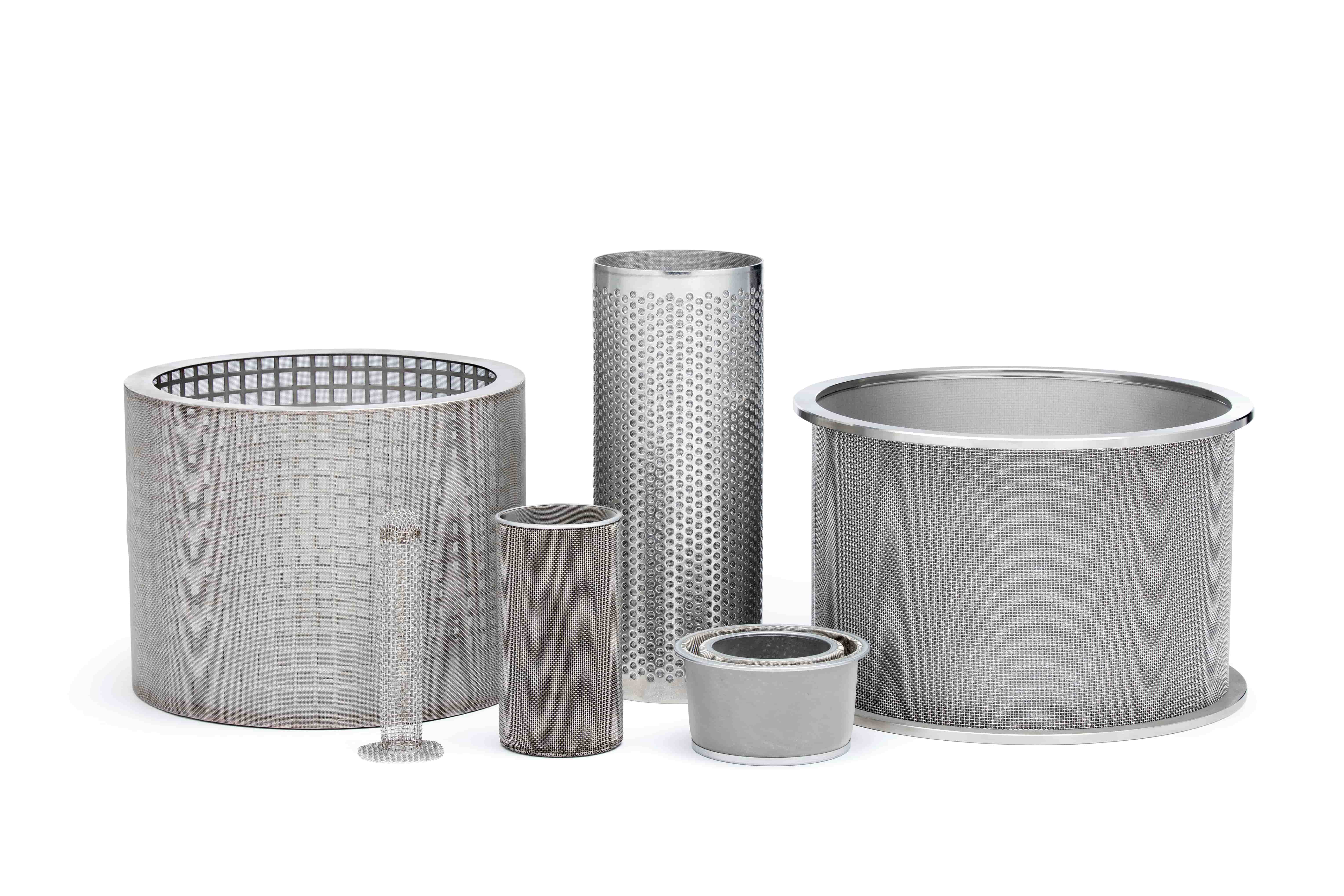
Edge Deburring and Smoothing Techniques
Manual Deburring Methods
After cutting, stainless steel mesh often develops sharp burrs along the edges. Manual deburring involves using files, abrasive pads, or flap discs to remove these imperfections. Proper technique requires consistent pressure and even movement across the edge to avoid altering aperture geometry. For fine woven mesh, excessive force can distort openings, reducing filtration accuracy. Manual deburring is ideal for small panels or detailed adjustments and allows fabricators to control edge quality precisely. Regular inspection during the process ensures that all burrs are removed, minimizing the risk of injury during handling and installation.
Mechanical Edge Finishing
Mechanical edge finishing uses automated machines such as belt grinders, brushing machines, or tumblers to smooth cut edges. This method is effective for medium-to-large mesh panels, providing consistent results while reducing labor costs. Mechanical finishing can also apply controlled pressure to maintain aperture integrity, which is crucial for filtration or protective mesh applications. Proper setup, including the correct abrasive type and feed speed, ensures that edges are smooth without removing excess material or weakening wire intersections.
Edge Rolling and Folding
Rolling or folding the mesh edge provides an additional layer of protection, eliminating sharp tips and improving structural integrity. This technique is particularly useful for panels used in drainage systems or protective barriers where repeated handling may occur. Folding the edge distributes stress across multiple wires, reducing the likelihood of deformation and maintaining dimensional stability. Combined with deburring or mechanical finishing, rolled edges enhance both safety and performance of the mesh panels.

Corrosion Prevention Treatments
Passivation for Stainless Steel Mesh
Passivation is a chemical treatment that removes free iron from the mesh surface and enhances the natural oxide layer, improving corrosion resistance. After cutting, stainless steel edges may expose fresh metal prone to rust or pitting. Immersing panels in nitric or citric acid solutions for the recommended duration ensures uniform protection. Passivation is particularly critical for austenitic grades like 304 and 316 used in outdoor or humid environments. Proper rinsing and drying after treatment prevent residual chemicals from causing localized corrosion.
Coatings and Protective Layers
Applying protective coatings such as polymer films, anti-corrosion sprays, or temporary waxes can prevent oxidation during storage and transport. Coatings are especially valuable for ferritic grades like 430, which are more susceptible to corrosion at cut edges. When selecting coatings, fabricators must ensure they are compatible with the mesh's intended application, do not clog apertures, and can be easily removed or left in place depending on project requirements.
Environmental Considerations and Storage
Even with proper finishing and treatment, storage conditions affect corrosion risk. Stainless steel mesh should be kept in dry, ventilated areas away from chemicals or moisture. Horizontal or vertical stacking must prevent contact between sharp edges to avoid scratches that can compromise passivation. Labeling and separating treated panels ensures that corrosion prevention measures remain effective until installation.
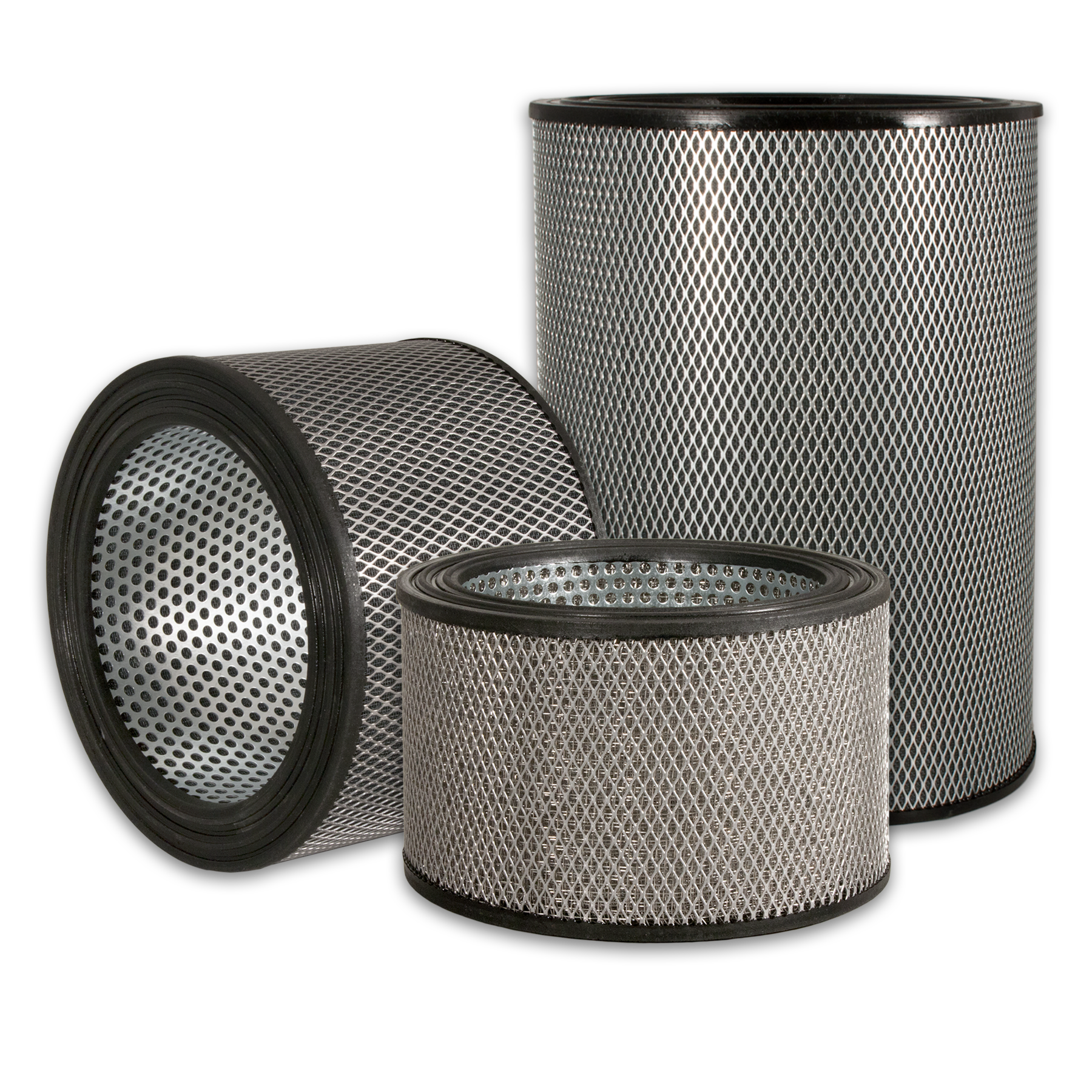

Inspection and Quality Assurance After Edge Finishing
Visual Inspection for Edge Integrity
Visual inspection identifies remaining burrs, cracks, or edge irregularities. Inspectors should systematically examine cut edges for sharp points, missing wire sections, or evidence of stress-induced deformation. Panels intended for filtration, drainage, or structural applications must meet strict edge quality standards. Documenting findings allows corrective measures to be applied before mesh reaches the installation site.
Microscopic and Dimensional Analysis
For high-precision applications, microscopic inspection can reveal subtle surface damage or corrosion initiation sites. Measuring tools verify that edge finishing has not altered aperture size or panel dimensions. Maintaining accurate tolerances ensures reliable performance in filtration, protective barriers, or reinforcement applications. Regular testing supports quality assurance and ensures compliance with client or regulatory specifications.
Traceability and Record-Keeping
Recording finishing methods, treatment types, inspection results, and panel IDs allows fabricators to trace each mesh panel through production. Traceability is crucial for high-volume production and industries where documentation supports regulatory compliance. Well-documented procedures also allow process optimization and continuous improvement in edge finishing and corrosion prevention practices.
Edge Finishing Methods Comparison
| Method | Burr Removal | Aperture Integrity | Labor Requirement | Best Use Case |
|---|---|---|---|---|
| Manual Deburring | High | High | Medium-High | Small panels, precision cuts |
| Mechanical Finishing | High | High | Medium | Medium-to-large panels |
| Edge Rolling/Folding | Medium | Very High | Medium | Structural/Drainage panels |
Corrosion Prevention Measures
| Treatment | Corrosion Resistance | Application Ease | Suitable Stainless Steel Grade |
|---|---|---|---|
| Passivation | Very High | Medium | 304, 316, 316L |
| Protective Coatings | High | Easy | 430, 304, 316 |
| Environmental Control | Medium-High | Easy | All Grades |
Advanced Edge Protection Techniques
Edge Reinforcement Using Stainless Steel Frames
Reinforcing cut edges with stainless steel frames is an effective method to enhance durability and prevent deformation. By welding or mechanically attaching a U-shaped or L-shaped frame along the perimeter of the mesh, the risk of fraying and bending under load is minimized. This technique is especially important for panels used in high-traffic or structural applications, where repeated handling or dynamic forces could compromise unreinforced edges. The frame distributes stress evenly and adds rigidity without significantly increasing weight or obstructing apertures. Proper frame alignment and welding quality are critical to maintain the mesh's dimensional stability and aesthetic appearance.
Wire Crimping and Folding Techniques
Wire crimping and folding along cut edges provides an additional mechanical barrier against fraying. This method involves bending the terminal wires inward or outward, creating a smooth, rounded edge. Crimped edges reduce sharpness, enhance safety during handling, and maintain the overall integrity of the mesh. For woven filtration meshes, careful folding ensures that the aperture geometry remains consistent, preserving filtration efficiency. This method can be applied manually for small panels or using specialized jigs for high-volume production, making it versatile across different manufacturing scales.
Edge Sealing With Adhesive or Resin Coatings
Applying adhesive or resin coatings to cut edges is another advanced protective strategy. Thin layers of epoxy, polyurethane, or other industrial adhesives can bond and stabilize wire ends, preventing micro-fractures and corrosion initiation. Edge sealing is particularly useful for fine woven meshes exposed to corrosive environments, such as chemical processing or marine applications. The coating must be applied evenly to avoid clogging apertures and should be compatible with the stainless steel grade to prevent chemical reactions that might degrade performance over time.
Inspection and Maintenance of Treated Edges
Regular Inspection Protocols
Post-cut and treated edges require systematic inspection to ensure that finishing and protection measures remain effective. Scheduled visual checks should identify cracks, flaking coatings, or signs of localized corrosion. In industrial or filtration applications, inspecting panels after installation and at regular service intervals ensures that any edge deterioration is caught early. Documenting inspection results allows maintenance teams to track the condition of the mesh and plan preventive actions, minimizing unexpected failures or performance drops.
Maintenance of Protective Coatings
Protective coatings applied to mesh edges may degrade over time due to UV exposure, abrasion, or chemical contact. Regular maintenance involves cleaning the edges, reapplying coatings if necessary, and ensuring that any accumulated debris does not compromise the integrity of the treatment. Proper maintenance extends the lifespan of both welded and woven mesh panels and preserves the original corrosion resistance imparted during post-cut treatment. Using compatible cleaning agents and avoiding mechanical damage during maintenance is crucial to prevent compromising the coating.
Edge Retreatment and Re-passivation
If inspection reveals wear, minor corrosion, or mechanical damage, edges can be retreated with passivation or other protective methods. Retreatment restores the protective oxide layer on stainless steel and stabilizes the cut edges against further degradation. For industrial applications where mesh panels undergo frequent handling or high-stress exposure, re-passivation ensures consistent performance over extended service life. Proper documentation of retreatment cycles also supports quality assurance and compliance with industry standards.
Conclusion
Post-cut edge finishing and corrosion prevention are critical to extending the life and functionality of stainless steel mesh. Proper deburring, rolling, and mechanical finishing not only enhance safety but also maintain aperture integrity for filtration and structural applications. Fabricators must select methods appropriate to mesh type, thickness, and intended use, ensuring consistent performance across all panels.
In addition, corrosion prevention through passivation, coatings, and proper storage protects freshly cut edges from environmental degradation. Combined with systematic inspection, dimensional verification, and record-keeping, these measures safeguard the long-term reliability and durability of stainless steel mesh in industrial, construction, and filtration projects. By integrating meticulous edge finishing and corrosion protection practices, engineers can maximize mesh performance while minimizing maintenance and replacement costs.
For a complete guide on cutting techniques and mesh preparation, see
How to Cut Your Stainless Steel Welded Mesh & Woven Mesh?