






Proper cutting of woven stainless steel mesh is crucial to maintaining its filtration performance. Improper techniques can alter aperture size, create frayed edges, or introduce distortion that compromises flow consistency. This article examines how different cutting methods-manual, mechanical, and advanced-impact filtration accuracy, providing engineers and fabricators with practical guidance to ensure reliable performance.

Impact of Manual Cutting on Filtration Precision
Hand Shears and Aperture Consistency
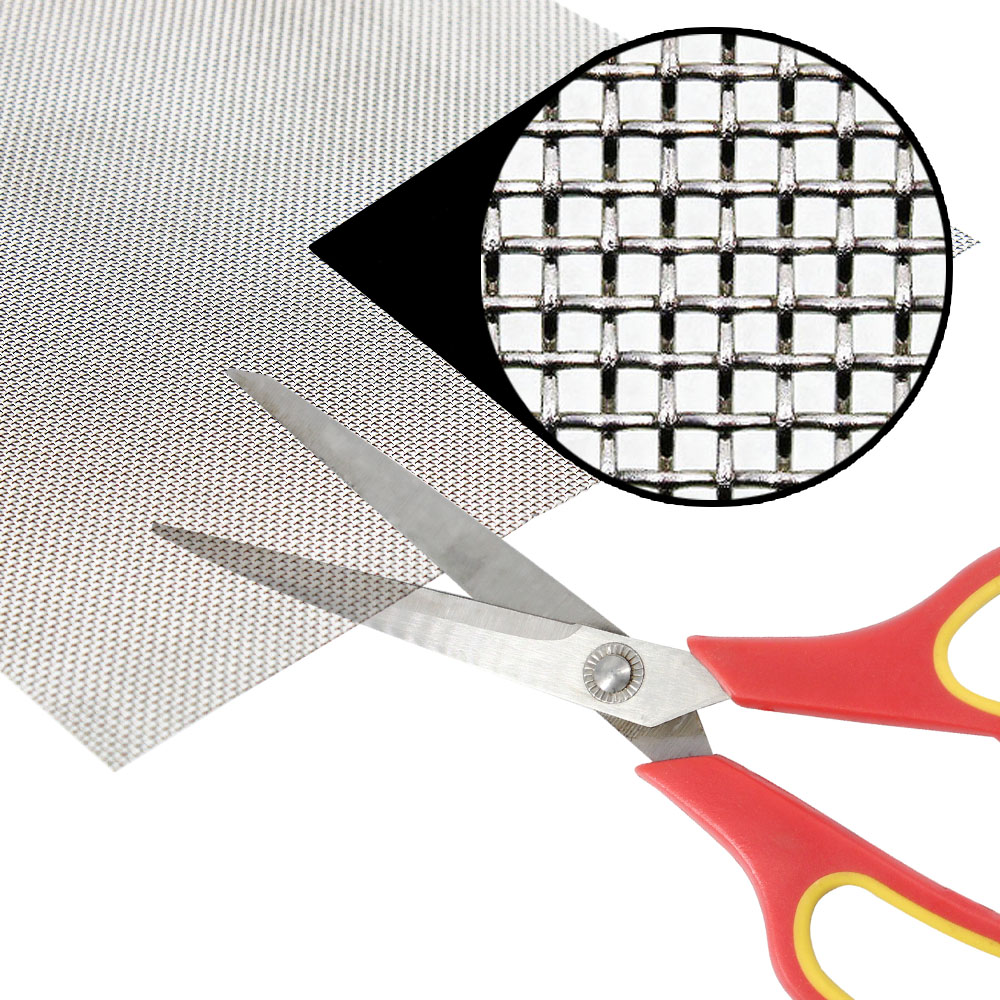
Hand shears provide precise control for small-scale cutting, but operator technique heavily influences mesh integrity. Cutting too quickly or unevenly can slightly shift interwoven wires, affecting the uniformity of aperture size. Even minor variations in opening dimensions can reduce filtration efficiency, particularly in fine mesh used for liquids or air. Stabilizing edges with adhesive tape or temporary clamps is recommended to minimize wire movement. Regular inspection of cut edges ensures that any deviations are corrected before integration into filtration systems.
Tin Snips for Small Panels
Tin snips are suitable for thin woven mesh but are limited by panel size and wire thickness. Excessive pressure may stretch or compress wires near the cut edge, changing the effective mesh opening. For applications requiring precise particle retention, fabricators should test cut samples to ensure aperture geometry remains within specification. Proper operator training and cutting in sequential steps rather than forcing multiple wires simultaneously helps preserve filtration accuracy.
Limitations of Manual Techniques
Manual cutting is inherently prone to small deviations due to human factors such as fatigue, inconsistent pressure, or misalignment. While suitable for occasional adjustments or prototypes, manual methods may not reliably maintain tight aperture tolerances for high-volume production. Combining manual cutting with post-cut stabilization and inspection minimizes errors but still requires careful attention to prevent reduced filtration performance.
Mechanical Cutting Methods and Filtration Accuracy
Guillotine Shears and Dimensional Control
Guillotine shears provide uniform cutting force across woven mesh panels, producing clean edges with minimal deformation. This precision helps preserve consistent aperture size along cut edges, which is critical for high-accuracy filtration. Adjustable settings allow operators to optimize cutting speed and blade clearance according to wire diameter and mesh density, ensuring minimal distortion. Using guillotines for production runs enhances repeatability and reduces scrap due to improper cuts.
CNC Wire Cutting Machines
CNC cutting machines provide programmable control over cutting paths, angles, and feed rates. For woven mesh, this allows precise cuts without shifting wires or altering aperture geometry. CNC systems are particularly effective when multiple panels of different sizes must maintain consistent filtration performance. Integration of automated edge stabilization, such as clamps or rollers, further protects the integrity of the weave during cutting.
Angle Grinders and Mechanical Risks
Angle grinders with stainless steel-rated cut-off wheels can handle thicker woven meshes but may generate heat and vibrations. Excessive heat can slightly expand or warp the wire intersections, altering the effective mesh opening near the edges. Operators should use controlled feed rates, cooling techniques, and proper jigs to minimize distortion. While fast and versatile, angle grinders are less suitable when maintaining strict filtration accuracy is critical.

Advanced Cutting Techniques and Filtration Integrity
Laser Cutting for Complex Shapes
Laser cutting provides exceptional precision for woven mesh without physical contact, eliminating mechanical stress and maintaining uniform aperture size. Heat-affected zones are minimal if proper parameters are used, preserving corrosion resistance and wire strength. Laser cutting is ideal for small apertures or intricate panel designs where filtration performance is highly sensitive to edge integrity.
Plasma Cutting Considerations
Plasma cutting can be used for thicker mesh panels but produces more heat than lasers. This can slightly alter wire intersections if cooling and feed rates are not carefully managed. Post-cut inspection is essential to ensure aperture uniformity has not been compromised. Plasma cutting is generally reserved for applications where high throughput outweighs slight deviations in fine filtration requirements.
Waterjet Cutting Advantages
Waterjet cutting offers high precision without heat generation, preserving the original aperture geometry and preventing wire distortion. It is particularly suitable for extremely fine woven mesh used in filtration systems for liquids or gases. Waterjet technology allows custom shapes and minimal edge fraying, ensuring the mesh meets performance standards immediately after cutting.
Comparison of Cutting Methods and Aperture Integrity
| Cutting Method | Aperture Accuracy | Edge Fraying | Suitable Mesh Type | Speed |
|---|---|---|---|---|
| Hand Shears | Medium | Moderate | Fine, thin | Low |
| Guillotine Shears | High | Low | Medium, coarse | Medium |
| CNC Cutting Machine | Very High | Very Low | All types | High |
| Angle Grinder | Medium | Moderate | Thick mesh | High |
| Laser Cutting | Very High | None | Fine/Intricate | Medium |
| Waterjet Cutting | Very High | None | Fine | Medium |
Edge Stabilization Techniques
Temporary Clamping and Taping
Using clamps or adhesive tape along cut lines prevents wire movement during cutting, which is especially important for fine woven mesh. Proper stabilization ensures that each cut maintains the mesh's original aperture dimensions and avoids fraying. Edge stabilization reduces post-cut finishing time and maintains consistent filtration performance, particularly in laboratory or pharmaceutical-grade applications.
Spot Welding for Edge Reinforcement
Spot welding wires at the edge before cutting creates a reinforced boundary that prevents unraveling. This method is effective for medium to coarse woven meshes used in industrial filtration. Reinforced edges maintain structural integrity during cutting, handling, and installation, ensuring long-term durability.
Edge Treatment Impact on Filtration
| Edge Treatment | Fraying Prevention | Aperture Consistency | Handling Safety | Suitable Mesh Type |
|---|---|---|---|---|
| Temporary Clamps | High | High | Medium | Fine/Medium |
| Adhesive Taping | Medium | Medium | Medium | Fine |
| Spot Welding | Very High | Very High | High | Medium/Coarse |
| Grinding/Brushing | High | High | High | All Types |
Quality Control and Inspection for Filtration Accuracy
Dimensional Checks Post-Cutting
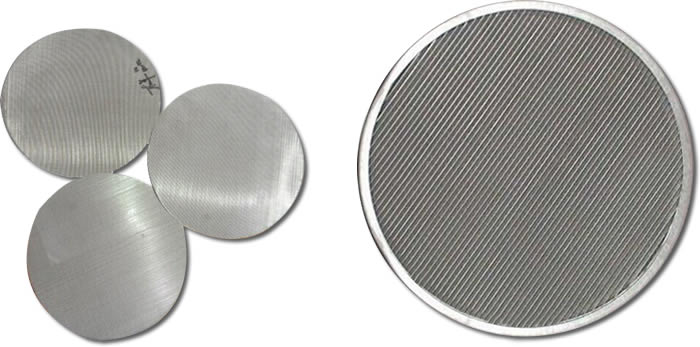
Measuring aperture sizes along cut edges ensures that filtration performance meets design specifications. Dimensional verification can involve calipers, optical measurement, or flow testing. Consistent measurement practices identify minor deviations early, preventing reduced efficiency or failed installations in sensitive filtration systems.
Visual and Microscopic Inspection
Visual inspection detects frayed wires, burrs, or misalignment, while microscopic examination can reveal subtle wire deformation or shifts in aperture geometry. These inspections are especially important for fine mesh used in pharmaceutical, chemical, or precision filtration applications where even small deviations can affect process outcomes.
Documentation and Traceability
Recording cutting parameters, inspection results, and any corrective actions ensures traceability and quality assurance. Documentation supports repeatability in high-volume production and allows engineers to refine cutting methods for consistent filtration performance. Traceable records are also valuable for compliance with industry standards and customer specifications.
Conclusion
Proper cutting of woven stainless steel mesh is essential to maintain filtration accuracy, prevent edge fraying, and ensure long-term performance. Manual methods require careful stabilization and technique, while mechanical and advanced cutting solutions provide higher precision and repeatability. Understanding the relationship between cutting method, mesh type, and wire diameter allows fabricators to choose the optimal approach for each application. Edge stabilization, post-cut finishing, and inspection are equally critical to preserving mesh integrity and maintaining the desired flow characteristics.
Investing in appropriate cutting tools, operator training, and quality control measures ultimately reduces material waste, improves productivity, and guarantees that woven stainless steel mesh meets stringent filtration requirements. By combining meticulous cutting methods with effective inspection and stabilization practices, engineers and fabricators can ensure that stainless steel mesh performs reliably in industrial, commercial, and laboratory filtration applications for years to come.
For a comprehensive guide on cutting both welded and woven stainless steel mesh, visit:
How to Cut Your Stainless Steel Welded Mesh & Woven Mesh?