






Introduction
Filter bags are fundamental elements of many filtration systems across industries - from wastewater treatment and chemical processing to food & beverage and cooling systems. They trap and retain solids while allowing fluids to flow through, making them essential for efficient filtration. Importantly, many filter bags are designed to be washable and reusable, which reduces replacement costs and minimizes waste - but only if they are cleaned properly.
Cleaning filter bags incorrectly can deteriorate their filtering performance, shorten service life, or lead to costly system issues. This comprehensive guide explains why proper cleaning matters, how bag filters work, step-by-step washing methods, advanced cleaning techniques, maintenance schedules, safety considerations, troubleshooting tips, and best practices. It also includes tables comparing cleaning methods, materials, suitable applications, and metrics for replacement vs. washing.
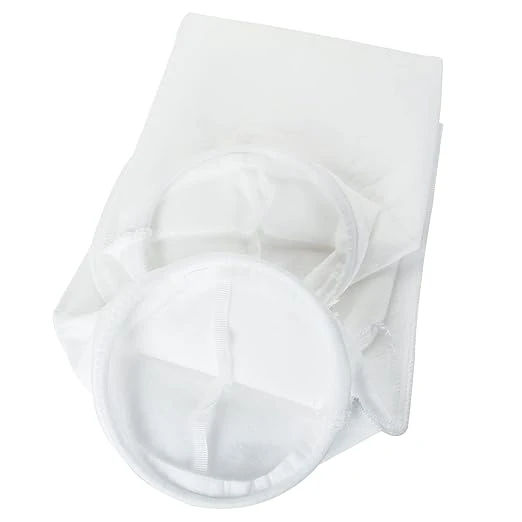
1. Filter Bags: What They Are & Why Cleaning Matters
1.1 What a Filter Bag Is and How It Functions
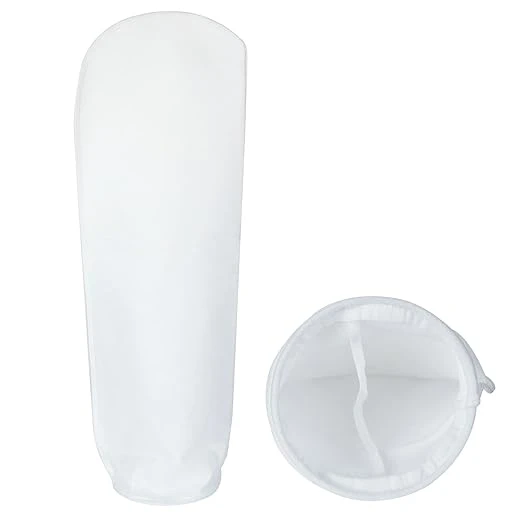
Filter bags are flexible media installed inside a filter housing. The liquid or gas flows from the outside through the bag to the inside (or vice versa, depending on design), with contaminants captured within the fabric matrix or on its surface.
|
Forces at Work |
Explanation |
|
Surface filtration |
Particles trapped on exterior of bag media |
|
Depth filtration |
Particles pulled into fabric structure |
|
Pressure differential |
Drives flow through the bag media |
Bag filters are widely used in industrial, environmental, and municipal systems and are preferred because they:
are capable of high efficiency for a wide range of particle sizes
come in many materials (nylon, polypropylene, PTFE, NOMEX)
are removable and, often, reusable after cleaning
1.2 Why Cleaning Filter Bags Correctly Matters
Cleaning filter bags serves several key purposes:
Restores filtration performance - Removing trapped solids re-establishes flow and filtration accuracy.
Extends service life - Proper washing preserves fabric integrity.
Reduces operational costs - Fewer replacements; more cycles per bag.
Ensures product quality - Prevents build-up that could contaminate product streams.
However, if cleaned incorrectly, bags can experience:
fabric damage due to high-pressure spray or harsh brushing
deformities from improper drying
residual contaminants that cause off-gassing or odors
mold or microbial growth if not washed and dried properly
2. Overview of Filter Bag Materials & Suitability for Washing
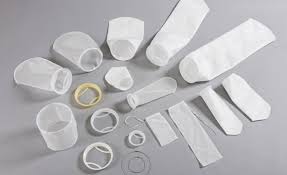
Filter bags can be made from a range of materials, which affects how they should be washed.
Table 1. Filter Bag Materials & Washing Compatibility
|
Material |
Washable? |
Preferred Cleaning Method |
Notes |
|
Nylon mesh (monofilament) |
✔ |
Soak, gentle hand wash |
Surface trapped particles; washing won't harm performance |
|
Polypropylene |
✔ (some cases) |
Rinse & gentle circulating soak |
Check water temp limits; avoid solvents |
|
Polyester |
✔ |
Hand or gentle machine wash |
Resistant to most cleaning agents |
|
PTFE (Teflon) |
✔ (if supported) |
Cold water soak only |
Harsh solvents can damage |
|
Felted depth filters |
✘ or limited |
Mostly mechanical cleaning |
Water can embed particles deeper |
|
Nomex (heat-resistant) |
✔ (limited) |
Hand wash; low temp |
Avoid high temp deterioration |
Note: Not all filter bags are designed to withstand repeated washing - particularly depth filter styles where particles embed deep inside the fabric. In such cases, washing may not effectively remove contaminants and could damage the bag.
READ MORE:Industrial Best Practices for Washing Filter Bags Without Compromising Filtration Efficiency
3. Step-by-Step Guide: Correctly Washing a Filter Bag
This section describes the core method recommended by industrial filtration manufacturers.
3.1 Step 1 - Safely Remove the Filter Bag
Shut down system flow - Close inlet valve and release internal pressure by opening the exhaust.
Remove housing cover - Loosen any clamps, bolts, or locking mechanisms.
Extract filter bag carefully - Avoid shaking to prevent dust or contaminants scattering.
Safety note: protective gear (gloves, goggles, mask) is recommended if the filter contains hazardous material.
3.2 Step 2 - Pre-Soak the Filter Bag
Turn the filter bag inside out and place it in a basin or soak tank. This allows trapped contaminants inside the bag folds to begin releasing.
Do NOT:
spray with high-pressure water jets (can damage fabric)
use concentrated harsh solvents (may degrade media)
Step details:
Fill a soak basin with warm water (temperature appropriate for fabric type - typically 30–40 °C).
Add a mild filtration-safe cleaning agent if needed (avoid solvents unless specified by manufacturer).
Let the bag soak for 10–30 minutes to loosen debris.
3.3 Step 3 - Gentle Manual Cleaning
Using gentle motion:
Rub the fabric softly by hand, especially at the bottom and seams where impurities often accumulate.
Work the water through the media rather than scrubbing aggressively.
Use a soft brush only if absolutely necessary - and very gently - to avoid fraying or scratching the fibers.
The goal is to remove loose solids without abrading the filter media.
3.4 Step 4 - Rinse Thoroughly
Once the visible contaminants are loosened:
Rinse the bag using clean water, allowing the solution to flush away particles.
Keep the bag inverted during rinsing so that particles exit outward.
If water flow is insufficient, change the rinse water and repeat.
Dos and Don'ts:
|
Do |
Don't |
|
Use warm rinse water (within material tolerance) |
Use high-pressure faucets |
|
Rinse until water runs clear |
Leave detergent residues |
|
Inspect both inside and outside |
Use bleach or solvents unless specified |
3.5 Step 5 - Drying the Filter Bag
Proper drying is crucial to prevent:
mold or mildew
residual moisture damage
fabric weakening
Recommended drying procedure:
Shake gently to remove excess water.
Air-dry in a well-ventilated area away from direct sunlight or heat sources.
Ensure the interior is fully dry before reinstalling.
Avoid:
tumble dryers (may warp fibers)
direct flames or heaters near bag media
4. Alternative and Advanced Cleaning Methods
While hand washing is standard, other methods may be appropriate for specific systems.
4.1 Compressed Air Dusting
For dry dust applications (like baghouses or dust collectors), compressed air can be used:
Blow air through bag from the outside to dislodge trapped dust.
Keep nozzle at a safe distance so as not to damage fabric.
This should be done before washing - as an initial dust removal technique.
4.2 Soaking Plus Chemical Solutions
Some industrial facilities use specific cleaning agents or solutions that are compatible with the filter media to remove oil-bound contaminants. Always follow manufacturer guidance and test a small area first.
4.3 Shaking, Tapping, and Mechanical Cleaning
Mechanical methods such as:
shaking the bag
tapping (gently)
reverse airflow
can help loosen stubborn rigid dust or particulates before or after washing.
Reverse airflow cleaning is more common for in-place baghouse filters but the principle can help in offline cleaning too - dislodging deep particles without harsh scrubbing.
5. When to Clean vs. When to Replace
Deciding between cleaning and replacement depends on several factors.
5.1 Differential Pressure Monitoring
In pressurized filter systems (like baghouses or liquid bag filters), rise in differential pressure (ΔP) indicates clogging. When pressure reaches a threshold - often specified by the supplier - cleaning or replacement is advised.
5.2 End of Washing Efficacy
Most filter bags can be cleaned several times before losing effectiveness. Some industrial dust collector bags retain up to ~90% filtration efficiency after 6–8 wash cycles using water before replacement is needed.
5.3 When Cleaning Isn't Effective
If contaminants are deeply embedded or if washing doesn't restore airflow or flow rate, replacement may be necessary. This is especially true for felted depth filter bags, where particles embed inside the fabric.
5.4 Decision Table: Clean vs Replace
|
Condition |
Action |
|
High pressure drop, first occurrence |
Clean |
|
Post-wash performance restored |
Clean, continue use |
|
Stains/contaminants remain after wash |
Consider replacement |
|
Fabric fraying or damage |
Replace |
|
Manufacturer wash-limit reached |
Replace |
6. Maintenance Schedules & Best Practices
6.1 Routine Cleaning Frequency
The frequency of washing depends on:
Volume of contaminants
Type of media filtered
System operational hours
Fluid characteristics
Industrial practice often recommends inspection daily to weekly and cleaning as soon as pressure drop or flow reduction is observed.
6.2 Monitoring Differential Pressure
Tracking ΔP across the filter helps determine when cleaning is needed:
Low ΔP: Normal operation
Moderate rise: Consider cleaning soon
High ΔP: Clean immediately or plan replacement
6.3 Recordkeeping and Lifecycle Tracking
Keeping records of:
installation date
washing cycles
performance metrics
pressure readings
helps extend bag life and reduces unexpected downtime.
7. Safety and Environmental Considerations
7.1 Handling Contaminants
When filter bags trap hazardous or toxic materials:
use appropriate PPE (gloves, respirators)
contain waste water appropriately
dispose washing effluent per regulations
7.2 Washing Wastewater Management
Water used to wash bags may carry contaminants and should be managed according to environmental compliance standards, especially for industrial applications.
8. Case Studies & Practical Examples
8.1 Industrial Wastewater Filtration
A chemical plant uses filter bags upstream of its wastewater discharge. After washing properly using soaking and gentle agitation, flow and filtration performance restored, extending bag life significantly and reducing replacement costs.
8.2 Food & Beverage Filtration
In a food processing line, filter bags are washed daily with warm water and food-grade detergents. Proper drying prevents bacterial growth and maintains product quality.
8.3 Dust Collector Maintenance
In a woodworking shop, compressed air cleaning combined with hand washing extends filter bag service life, preventing downtimes and maintaining extraction efficiency.
9. Troubleshooting Common Problems
9.1 Persistent Odor After Washing
Possible cause: moisture retained in fabric
Solution: more thorough drying; increase airflow around bag.
9.2 Tears or Fabric Damage After Cleaning
Likely cause: high-pressure washing or aggressive brushing
Solution: switch to gentle rinsing and slow soak.
9.3 High Post-Wash Pressure Drop
Cause: residual embedded particles
Solution: repeat soak and rinse; if unresolved, replace bag.
10. Summary
Correctly washing a filter bag is a balance of gentle but thorough cleaning, informed timing based on performance decline, and careful handling of filter media. Proper techniques restore filtration efficiency, extend service life, and reduce operating costs. Using the correct cleaning method, understanding filter bag material properties, monitoring system performance metrics, and maintaining good records all contribute to an optimized filtration operation.
Appendix: Cleaning Method Comparison Table
|
Cleaning Method |
Best For |
Pros |
Cons |
|
Hand soak & gentle wash |
Most liquid filters |
Preserves media |
Labor-intensive |
|
Compressed air dusting |
Dry dust collectors |
Quick particulate removal |
Requires air supply |
|
Reverse airflow |
Baghouse filters |
Effective deep cleaning |
More complex equipment |
|
Shaking/tapping |
Mechanical dislodging |
Simple |
May not remove fines |
|
Chemical soaking |
Heavy oil/grease |
Faster removal |
Must be material-compatible |