






Introduction
In industrial liquid filtration, micron ratings are often treated as simple numerical specifications printed on product labels. However, behind each micron value lies a complex relationship between filtration efficiency, mechanical performance, housing design, pressure dynamics, flow distribution, and long-term system reliability.
Bag filter housings do not operate in isolation-they function as engineered pressure vessels that must accommodate the physical behavior of filter bags under varying flow rates, contamination loads, and differential pressure conditions. When micron ratings change, the entire filtration system responds mechanically and hydraulically.
This article explores how micron units influence not only filtration results but also bag filter housing structure, fluid mechanics, stress loads, system efficiency, and lifecycle performance.
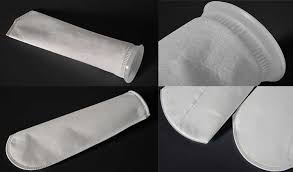
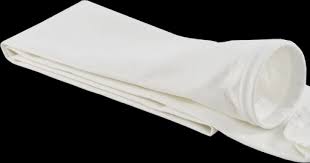
1. Understanding the Micron in a Mechanical Context
A micron (µm) is a measurement of particle size, but from an engineering perspective, it is also a measurement of flow resistance potential.
Particle Capture vs. Flow Path Restriction
Smaller micron ratings mean:
Smaller pore openings in the filter media
Higher surface resistance to fluid flow
Increased internal pressure within the housing
Larger micron ratings mean:
Larger pore openings
Lower flow resistance
Reduced mechanical strain on housing components
This directly links micron rating to:
Housing wall thickness requirements
Seal integrity
Basket support strength
Pressure rating certification
2. The Role of Bag Filter Housing in Filtration Systems
Bag filter housings serve four critical functions:
Structural Containment – Holding the filter bag securely under pressure
Flow Direction – Ensuring even distribution across the bag surface
Seal Integrity – Preventing fluid bypass around the filter media
Pressure Management – Withstanding system operating and surge pressures
When micron ratings decrease, all four functions become more demanding.
3. How Micron Ratings Affect Housing Flow Dynamics
Flow Distribution Inside the Housing
Lower micron filters restrict flow more aggressively. This can cause:
Uneven flow distribution across the bag surface
Channeling along the sides of the bag
Localized pressure spikes inside the housing
High-quality housings counteract this with:
Perforated internal baskets
Flow diffusers at the inlet
Optimized inlet/outlet port positioning

4. Pressure Drop and Structural Load Relationship
Differential Pressure (ΔP)
Differential pressure is the difference between inlet and outlet pressure across the filter bag.
|
Micron Rating |
Typical Initial ΔP |
Clogging Rate |
Housing Stress Level |
|
1–5 µm |
High |
Fast |
Very High |
|
10–25 µm |
Medium |
Moderate |
Medium |
|
50–200 µm |
Low |
Slow |
Low |
As micron ratings decrease:
Pressure rises faster
Internal forces on housing walls increase
Clamp closures, lids, and seals experience higher stress
This is why fine-filtration housings often require:
Thicker stainless steel walls
Reinforced lids
High-grade elastomer seals
5. Housing Design Adjustments Based on Micron Rating
Material Selection
|
Micron Range |
Recommended Housing Material |
Reason |
|
1–10 µm |
High pressure resistance, corrosion protection |
|
|
10–50 µm |
304 Stainless Steel / Carbon Steel |
Balanced strength and cost |
|
50+ µm |
Carbon Steel / Polypropylene |
Lower pressure and mechanical load |
Lower micron filtration often coincides with:
Chemical processes
High-purity fluids
Food and pharmaceutical production
These demand both fine filtration and high corrosion resistance.
6. Bag Support Basket Engineering
The internal basket prevents the filter bag from collapsing under pressure. Micron ratings directly influence basket design.
Low Micron Bags Require:
Tighter perforation patterns
Thicker gauge steel
Full-length support ribs
High Micron Bags Allow:
Wider perforations
Lighter basket construction
Reduced internal reinforcement

7. Seal Performance and Micron Sensitivity
When using fine micron filters, even minor bypass can defeat the entire filtration goal.
Common Seal Types
|
Seal Type |
Performance at Low Microns |
Typical Use Case |
|
Flat Gasket |
Moderate |
General industrial |
|
O-Ring Seal |
High |
Fine filtration |
|
Molded Collar |
Very High |
Food & pharma |
Fine filtration applications almost always require:
Positive compression sealing
Precision-machined seal grooves
FDA-grade elastomers
8. Flow Rate Engineering and Housing Size Selection
Micron ratings influence housing size because lower ratings reduce flow capacity per bag.
Flow Capacity Example
|
Housing Size |
Micron Rating |
Max Flow Rate (GPM) |
|
Size 1 Bag |
1 µm |
25–40 |
|
Size 1 Bag |
25 µm |
70–90 |
|
Size 2 Bag |
1 µm |
50–70 |
|
Size 2 Bag |
50 µm |
150–200 |
Lower micron systems often require:
Larger housings
Multi-bag housings
Parallel filtration systems
9. Multi-Stage Filtration and Housing Configuration
Instead of using one ultra-fine bag filter, many systems use:
Stage 1: 50–100 µm
Stage 2: 10–25 µm
Stage 3: 1–5 µm
This approach:
Reduces housing stress
Extends bag life
Improves system reliability
10. Lifecycle Cost Impact of Micron Selection
Cost Breakdown Table
|
Factor |
Low Micron System |
High Micron System |
|
Housing Cost |
High |
Moderate |
|
Bag Replacement Frequency |
High |
Low |
|
Energy Cost |
High |
Low |
|
Maintenance Labor |
High |
Low |
|
Filtration Quality |
Excellent |
Moderate |
Fine filtration delivers superior results-but at significantly higher system cost.
11. Industrial Applications and Housing Design Strategy
|
Industry |
Typical Micron Range |
Housing Design Focus |
|
Food & Beverage |
1–10 µm |
Sanitary finish, seal integrity |
|
Chemicals |
5–25 µm |
Corrosion resistance |
|
Oil & Gas |
25–100 µm |
Pressure rating, durability |
|
Wastewater |
50–200 µm |
High flow, low maintenance |
|
Pharmaceuticals |
0.5–5 µm |
Absolute filtration, validation |
12. Future Engineering Trends
Smart housings with pressure sensors
CFD-optimized internal flow channels
Modular multi-bag systems
Hybrid bag-cartridge housings
Conclusion
Micron ratings are not just filtration metrics-they are engineering drivers that influence every part of a bag filter housing system. From metal thickness to seal geometry, from flow path design to maintenance schedules, micron selection defines both performance and mechanical behavior.
Understanding this relationship allows engineers and operators to design filtration systems that are not only effective but also durable, cost-efficient, and operationally stable.