






Yes - filter socks can be cleaned and reused, and doing so properly can save money, reduce waste, and maintain excellent aquarium water quality. However, the details matter: how you use them, how often you clean them, what cleaning method you choose, and when it's time to replace them. This guide answers all of those questions and more.
Table of Contents
1.What Are Filter Socks and Why They Matter
2.Can You Reuse Filter Socks?
3.Types of Filter Socks
4.Cleaning Methods Explained
5.Detailed Cleaning Protocols
(1)Washing Machine Method
(2)Bucket Soak Method
(3)Power Washer Method
6.How Often Should You Clean Them
7.Signs Filter Socks Need Replacement
8.Comparison: Felt vs Mesh vs Alternatives
9.Pros and Cons of Reusing Filter Socks
10.Common Mistakes to Avoid
11.Best Practices for Longevity
12.Environmental and Cost Considerations
13.FAQs
14.Conclusion
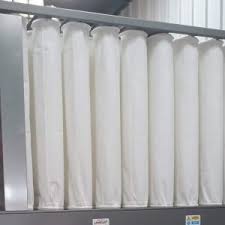
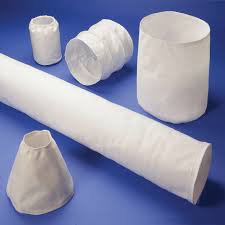
1. What Are Filter Socks and Why They Matter
Filter socks are mechanical filtration devices used in aquarium sumps and filtration systems. They act as the first line of defense by catching larger particles - detritus, uneaten food, fish waste, and organic debris - before water moves through finer filtration stages.
Because they trap solids, filter socks help:
Improve water clarity
Prevent organics from breaking down into nitrate and phosphate
Reduce load on subsequent biological and chemical filtration
Support overall aquarium health and stability
They are especially common in reef tanks, where high water quality is critical.
2. Can You Reuse Filter Socks?
Yes - filter socks can absolutely be reused if properly cleaned and maintained. They are not single-use items as long as the fiber remains intact and effective.
However, reuse is conditional on:
Effective cleaning
Drying and dechlorination (if bleach is used)
Monitoring for wear and tear
Proper rotation and maintenance
Leaving a clogged or dirty sock in your system longer than recommended can be worse than not using one at all, because concentrated waste can break down and release nitrates and phosphates, potentially harming your aquarium's water quality.
3. Types of Filter Socks
Aquarium filter socks differ based on material, construction, and micron rating:
|
Type |
Material |
Pros |
Cons |
|
Felt Socks |
Felt (thicker synthetic fibers) |
Excellent debris removal |
Clog quickly & harder to clean |
|
Mesh Socks |
Nylon mesh |
Easier to clean, less clogging |
Less fine filtration |
|
Drawstring Socks |
Mesh or felt with tie |
Versatile fit for pipes |
Depends on installation quality |
|
Rigid Ring Socks |
Sock with plastic ring |
Secure fit in filter holders |
Slightly harder to install |
Filter socks also come in different micron ratings - smaller numbers (e.g., 100 microns) catch smaller particles but clog faster; larger numbers (e.g., 200 microns) have higher flow and clog slower.
READ MORE:Reusable Filter Socks vs Automated and Alternative Filtration Technologies
4. Cleaning Methods Explained
There are three main ways aquarium hobbyists clean filter socks:
Washing Machine Method - most effective for thorough cleaning.
Bucket Soak Method - strong chemical cleaning outside of household laundry.
Power Washer Method - quick removal of large debris with pressure.
Each method has advantages and limitations depending on your setup, number of socks, and cleaning urgency.
5. Detailed Cleaning Protocols
A. Washing Machine Method
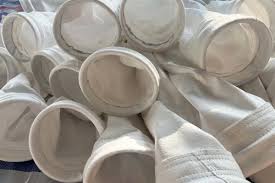
This is the most efficient method for cleaning felt and mesh socks, especially if you have many to process at once.
Steps:
Turn socks inside out to expose trapped debris.
Run a hot rinse cycle in the washing machine first (no socks) to clear detergent residue.
Place socks in the washer and run a heavy-duty, hot water cycle with 2–3 capfuls of fragrance-free bleach.
Do NOT use soap or detergent - these can introduce phosphates and harmaquarium water quality.
Remove socks and let them air dry thoroughly (ideal: 48+ hours).
If you need to reuse sooner, soak in a bucket with fresh water and aquarium water conditioner to neutralize chlorine.

B. Bucket Soak Method
A strong alternative that doesn't require a washing machine.
Steps:
Fill a large bucket with hot fresh water.
Add about 1–2 capfuls of bleach per gallon.
Let socks soak several hours or overnight.
Rinse inside and out with high-pressure water.
Optional: soak again in RO/DI water with water conditioner to remove residual chemicals.
Air dry before reuse.
C. Power Washer Method
This is fastest for removing large detritus buildup.
Steps:
Turn socks inside out.
Use a pressure washer or high-pressure hose to blast debris out.
Rinse both inside and out.
Let socks dry thoroughly.
Note: Too much pressure can damage fibers - use caution.
READ MORE:The Professional Maintenance and Cleaning Manual for Reusing Filter Socks in High-Performance Aquarium Systems
6. How Often Should You Clean Them?
There's no one-size-fits-all schedule - it depends on:
Aquarium bioload
Type and micron of sock
Nutrient levels
Flow rate
However, a typical recommendation is:
|
Situation |
Cleaning Frequency |
|
High bioload |
Every 2–3 days |
|
Moderate bioload |
Every 3–5 days |
|
Light bioload |
Weekly |
|
Mesh socks (less debris) |
Every 5–7 days |
Always clean as soon as the sock is discolored or clogging, because that's when its effectiveness drops and waste breakdown begins.
7. Signs Filter Socks Need Replacement
Even with proper cleaning, filter socks will eventually degrade. Replace them when:
Fibers start to unravel or thin
They no longer trap debris effectively
Micron rating becomes inconsistent
Small holes or tears appear
They begin clogging unusually fast after cleaning
When socks degrade, they lose their mechanical filtration efficiency and create drag on the system.
8. Comparison: Felt vs Mesh vs Alternatives
|
Filter Type |
Ease of Cleaning |
Filtration Power |
Cost |
Longevity |
|
Felt Socks |
Hardest |
Highest |
Moderate |
Medium |
|
Mesh Socks |
Easier |
Moderate |
Moderate |
Higher |
|
Filter Floss Pads |
Disposable |
Variable |
Low |
Short |
|
Automatic Filter Rollers |
Auto |
Excellent |
High |
Very High |
Mesh socks can last through many cleaning cycles with minimal fuss, while felt socks offer the best debris removal but are more labor-intensive to clean.
9. Pros and Cons of Reusing Filter Socks
Pros
Saves money over constant replacement
Reduces waste and environmental impact
Maintains filtration continuity
Easy to wash in batches
Can last months or longer with good care
Cons
Cleaning takes time and effort
Improper cleaning can introduce chemicals
Washing machines might absorb odors
Socks eventually degrade
Frequent cleaning needed in heavy bioload tanks
10. Common Mistakes to Avoid
|
Mistake |
Impact |
|
Using detergent |
Introduces phosphate and harmful chemicals |
|
Not drying thoroughly |
Mold growth and water contamination |
|
Leaving socks too long |
Nitrates and phosphates increase |
|
Rushing cleaning |
Improper debris removal |
|
Reusing damaged socks |
Poor filter performance |
11. Best Practices for Longevity
Rotate several socks so you always have clean ones ready.
Air dry completely to kill bacteria and evaporate chlorine.
Rinse new socks before first use to remove manufacturing residue.
Always remove socks as soon as they clog.
Use bleach carefully and rinse thoroughly with conditioner.
12. Environmental and Cost Considerations
Reusing filter socks significantly reduces:
Plastic and fabric waste
Frequent purchases
Energy use when done in bulk
However, washing machines consume water and electricity - planning batch cleaning reduces resource use.
13. Frequently Asked Questions
Q: Can I wash filter socks with regular laundry?
A: Avoid mixing them with clothes to prevent contamination and odors.
Q: Is bleach safe?
A: Yes - when used without detergent and thoroughly rinsed and dechlorinated before reuse.
Q: Can I use hydrogen peroxide?
A: Yes, some hobbyists report success with peroxide soaks, but bleach remains more common.
Q: How long do filter socks last?
A: Many hobbyists get months to years of use if cleaned and cared for properly.
14. Conclusion
Yes - you can and should reuse filter socks as long as you clean and maintain them properly. Reusable filter socks offer excellent filtration for aquariums, reduce waste, and save money over time. The key is regular maintenance, good cleaning practices, and knowing when it's time to replace them.
Whether you're a beginner or an experienced hobbyist, adopting a thoughtful filter sock routine will help keep your aquarium water pristine and your aquatic life healthy.