






Introduction
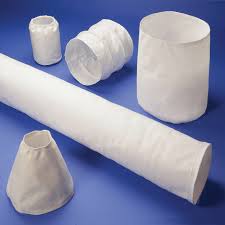
Mechanical filtration has evolved from basic fabric barriers to automated, sensor-driven systems designed for high-volume, low-maintenance operation. While reusable filter socks remain a cornerstone of aquarium filtration, alternatives such as roller mats, canister filters, modular sump trays, and disposable filtration media are increasingly common.
This article provides a multi-dimensional comparison across performance, cost modeling, environmental footprint, system design compatibility, redundancy, and future scalability - offering aquarists and system planners a strategic framework for selecting or integrating filtration technologies.
1. Classification of Mechanical Filtration Technologies
|
Technology |
Filtration Mechanism |
Reusable |
Automation Level |
Complexity |
|
Fabric size exclusion |
Yes |
Manual |
Low |
|
|
Filter Floss |
Fiber mats |
No |
Manual |
Low |
|
Roller Mats |
Motor-driven fleece |
Partial |
Automatic |
High |
|
Canister Filters |
Multi-stage chambers |
Yes |
Semi-auto |
Medium |
|
Drum Filters |
Rotating screens |
Yes |
Automatic |
Very High |
2. Performance Metrics Framework
2.1 Technical Comparison Table
|
Metric |
Filter Socks |
Roller Mats |
Canisters |
Drum Filters |
|
Particle Capture |
High |
Very High |
Medium |
Very High |
|
Flow Stability |
Medium |
High |
Medium |
High |
|
Maintenance Time |
Medium |
Low |
Medium |
Low |
|
Customization |
Very High |
Low |
Medium |
Low |
|
Failure Tolerance |
High |
Medium |
Medium |
Low |
3. Long-Term Cost Modeling (3-Year Projection)
|
System Type |
Initial Cost |
Consumables |
Energy Use |
Total Cost (3 Years) |
|
Filter Socks |
Low |
Very Low |
Low |
Lowest |
|
Filter Floss |
Low |
High |
Low |
Medium |
|
Roller Mats |
High |
Medium |
Medium |
High |
|
Drum Filters |
Very High |
Low |
High |
Very High |
4. Environmental Footprint Assessment
4.1 Sustainability Index
|
System |
Waste Generation |
Carbon Impact |
Water Use |
Sustainability Score |
|
Filter Socks |
Low |
Low |
Medium |
High |
|
Floss Pads |
High |
Medium |
Low |
Low |
|
Roller Mats |
Medium |
Medium |
Medium |
Medium |
|
Drum Filters |
Low |
High |
Medium |
Medium |
READ MORE:The Professional Maintenance and Cleaning Manual for Reusing Filter Socks in High-Performance Aquarium Systems
5. System Design and Integration Flexibility
Filter socks excel in:
Modular sump layouts
Parallel filtration channels
Emergency overflow bypass systems
Custom micron stacking
Automated systems excel in:
High-flow commercial setups
Minimal user intervention environments
Continuous debris export
6. Redundancy and Failure Risk Engineering
|
System |
Single-Point Failure Risk |
Recovery Speed |
|
Filter Socks |
Low |
Immediate |
|
Roller Mats |
Medium |
Moderate |
|
Canisters |
Medium |
Moderate |
|
Drum Filters |
High |
Slow |
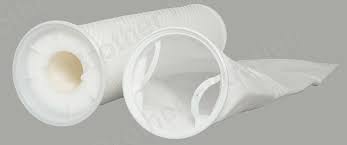
Filter socks offer manual override capability, making them ideal for systems requiring operational resilience.
7. Hybrid Filtration Architectures
7.1 Common Hybrid Models
Socks + Roller Mats
Socks + Media Reactors
Socks + Canister Pre-Filters
7.2 Performance Benefits
Increased redundancy
Improved nutrient control
Optimized maintenance cycles
8. Use-Case Scenario Analysis
|
Scenario |
Optimal System |
Rationale |
|
Budget Hobbyist |
Filter Socks |
Low cost, high control |
|
Large Reef |
Hybrid |
Performance + redundancy |
|
Commercial Display |
Drum Filter |
Automation |
|
Remote Location |
Socks |
Low dependency on parts |
9. Scalability and Expansion Planning
Filter socks allow:
Incremental system growth
Low-cost scaling
Easy integration into existing sumps
Automated systems often require:
Electrical upgrades
Structural modifications
Higher upfront investment
10. Future Trends in Filtration Technology
Smart sensors for sock clog detection
Biodegradable sock materials
Self-cleaning mesh fabrics
AI-controlled roller systems
11. Strategic Decision Matrix
|
User Priority |
Best Choice |
|
Lowest Cost |
Filter Socks |
|
Lowest Maintenance |
Roller Mats |
|
Highest Control |
Filter Socks |
|
Maximum Automation |
Drum Filters |
|
Best Sustainability |
Filter Socks |
Conclusion
Reusable filter socks remain one of the most strategically balanced filtration technologies available, combining affordability, adaptability, sustainability, and system resilience. While automated solutions deliver convenience, socks continue to offer unmatched flexibility, redundancy, and long-term cost efficiency for both hobbyist and professional aquarium systems.