





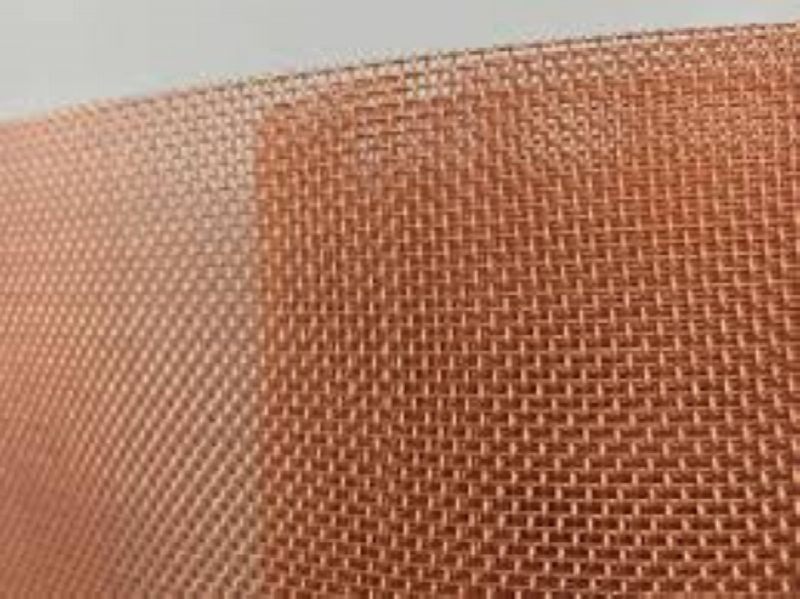
Products Description
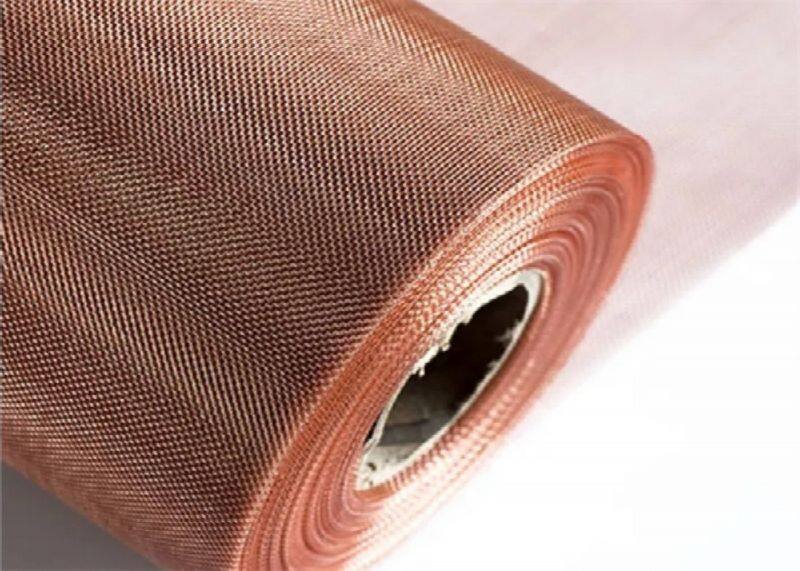
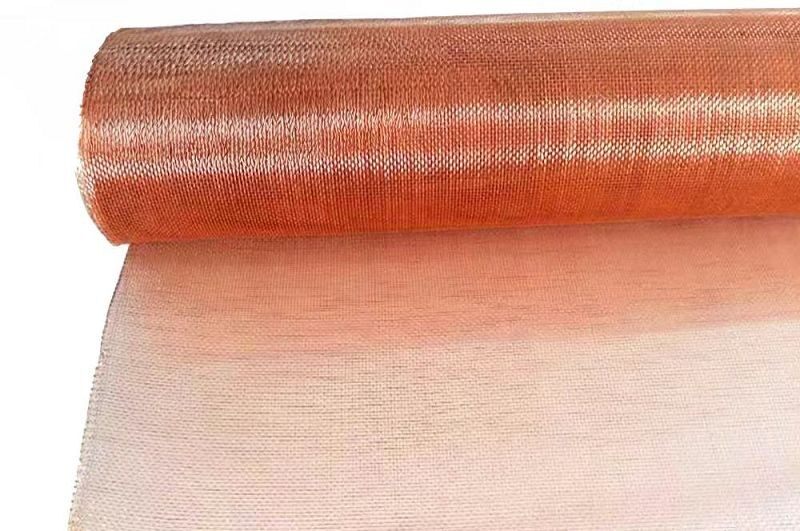
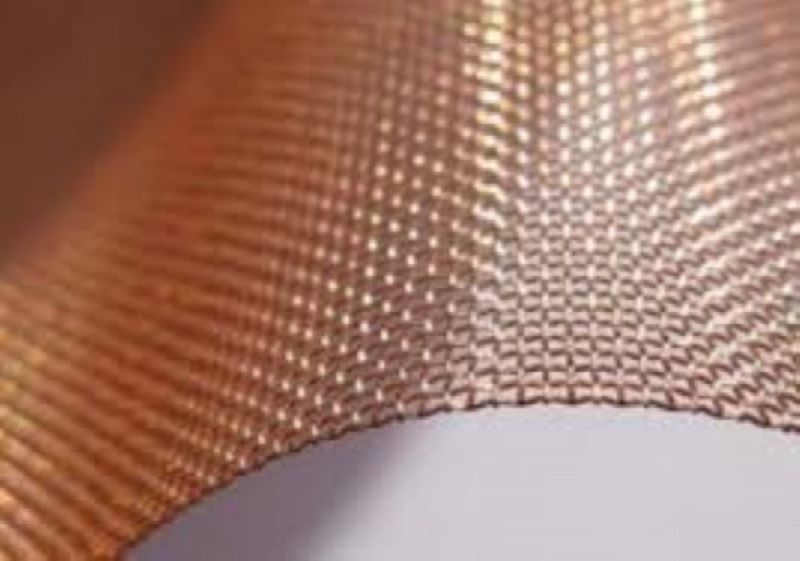
Phosphor bronze wire mesh is a type of wire mesh made from an alloy of copper, tin, and phosphorus. It combines the excellent mechanical properties of copper and tin with the additional benefits that phosphorus brings, such as increased wear resistance, better spring characteristics, and enhanced corrosion resistance. This wire mesh is highly valued for its durability, flexibility, and versatility, making it an ideal choice for various industrial applications, including filtration, sieving, screening, and as protective enclosures.


Types of Phosphor Bronze Wire Mesh:
Phosphor bronze wire mesh comes in various types, with differences in weave patterns, wire thickness, and opening sizes. Common types include:
1.Plain Weave:
This is the most common weave type, where the warp and weft wires are woven at 90-degree angles. It provides a balanced and uniform grid suitable for filtration and screening.

2.Twill Weave:
This weave has two wires passing over and under two other wires alternately, providing a tighter mesh that is often used in applications where finer filtration is needed.

3.Dutch Weave:
A specific variation with finer mesh wires in the weft (horizontal) and thicker wires in the warp (vertical), offering enhanced durability while maintaining fine filtration properties.

4.Reverse Dutch Weave:
Unlike the plain Dutch weave, the reverse Dutch weave features a distinctive configuration: the warp wire is composed of fine mesh (typically mesh wire or woven wire mesh), while the weft wire is made from thicker mesh. Additionally, the weave utilizes a reduced number of wires, enhancing its unique structural properties.

|
Product code |
Mesh/inch |
Wire Diameter |
Opening(mm) |
|||
|
SWG |
M.M. |
Inch |
||||
|
PCMCS-622 |
6 |
22 |
0.711 |
0.028 |
3.522 |
PCMCS-622 |
|
PCMCS-823 |
8 |
23 |
0.610 |
0.024 |
2.565 |
PCMCS-823 |
|
PCMCS-1025 |
10 |
25 |
0.508 |
0.020 |
2.032 |
PCMCS-1025 |
|
PCMCS-1226 |
12 |
26 |
0.457 |
0.018 |
1.660 |
PCMCS-1226 |
|
PCMCS-1427 |
14 |
27 |
0.417 |
0.016 |
1.397 |
PCMCS-1427 |
|
PCMCS-1629 |
16 |
29 |
0.345 |
0.014 |
1.243 |
PCMCS-1629 |
|
PCMCS-1830 |
18 |
30 |
0.315 |
0.0124 |
1.096 |
PCMCS-1830 |
|
PCMCS-2030 |
20 |
30 |
0.315 |
0.0124 |
0.955 |
PCMCS-2030 |
|
PCMCS-2230 |
22 |
30 |
0.315 |
0.0124 |
0.840 |
PCMCS-2230 |
|
PCMCS-2430 |
24 |
30 |
0.315 |
0.0124 |
0.743 |
PCMCS-2430 |
|
PCMCS-2631 |
26 |
31 |
0.295 |
0.0116 |
0.682 |
PCMCS-2631 |
|
PCMCS-2831 |
28 |
31 |
0.295 |
0.0116 |
0.612 |
PCMCS-2831 |
|
PCMCS-3032 |
30 |
32 |
0.247 |
0.011 |
0.573 |
PCMCS-3032 |
|
PCMCS-3233 |
32 |
33 |
0.254 |
0.010 |
0.540 |
PCMCS-3233 |
|
PCMCS-3434 |
34 |
34 |
0.234 |
0.0092 |
0.513 |
PCMCS-3434 |
|
PCMCS-3634 |
36 |
34 |
0.234 |
0.0092 |
0.472 |
PCMCS-3634 |
|
PCMCS-3835 |
38 |
35 |
0.213 |
0.0084 |
0.455 |
PCMCS-3835 |
|
PCMCS-4036 |
40 |
36 |
0.193 |
0.0076 |
0.442 |
PCMCS-4036 |
|
PCMCS-4236 |
42 |
36 |
0.193 |
0.0076 |
0.412 |
PCMCS-4236 |
|
PCMCS-4437 |
44 |
37 |
0.173 |
0.0068 |
0.404 |
PCMCS-4437 |
|
PCMCS-4637 |
46 |
37 |
0.173 |
0.0068 |
0.379 |
PCMCS-4637 |
|
PCMCS-4837 |
48 |
37 |
0.173 |
0.0068 |
0.356 |
PCMCS-4837 |
|
PCMCS-5037 |
50 |
37 |
0.173 |
0.0068 |
0.335 |
PCMCS-5037 |
|
PCMCS-6036 |
60 × 50 |
36 |
0.193 |
0.0076 |
- |
PCMCS-6036 |
|
PCMCS-6037a |
60 × 50 |
37 |
0.173 |
0.0068 |
- |
PCMCS-6037a |
|
PCMCS-6037b |
60 |
37 |
0.173 |
0.0068 |
0.250 |
PCMCS-6037b |
|
PCMCS-7039 |
70 |
39 |
0.132 |
0.0052 |
0.231 |
PCMCS-7039 |
|
PCMCS-8040 |
80 |
40 |
0.122 |
0.0048 |
0.196 |
PCMCS-8040 |
|
PCMCS-8042 |
80 |
42 |
0.102 |
0.004 |
0.271 |
PCMCS-8042 |
|
PCMCS-9041 |
90 |
41 |
0.112 |
0.0044 |
0.170 |
PCMCS-9041 |
|
PCMCS-10042 |
100 |
42 |
0.102 |
0.004 |
0.152 |
PCMCS-10042 |
|
PCMCS-10043 |
100 |
43 |
0.091 |
0.0036 |
0.168 |
PCMCS-10043 |
|
PCMCS-12043 |
120 × 108 |
43 |
0.091 |
0.0036 |
- |
PCMCS-12043 |
|
PCMCS-12044 |
120 |
44 |
0.081 |
0.0032 |
0.131 |
PCMCS-12044 |
|
PCMCS-12045 |
120 |
45 |
0.071 |
0.0028 |
0.140 |
PCMCS-12045 |
|
PCMCS-14046 |
140 |
46 |
0.061 |
0.0024 |
0.120 |
PCMCS-14046 |
|
PCMCS-15046 |
150 |
46 |
0.061 |
0.0024 |
0.108 |
PCMCS-15046 |
|
PCMCS-16046 |
160 |
46 |
0.061 |
0.0024 |
0.098 |
PCMCS-16046 |
|
PCMCS-18047 |
180 |
47 |
0.051 |
0.002 |
0.090 |
PCMCS-18047 |
|
PCMCS-20047 |
200 |
47 |
0.051 |
0.002 |
0.076 |
PCMCS-20047 |
|
PCMCS-22048 |
220 |
48 |
0.041 |
0.0016 |
0.065 |
PCMCS-22048 |
|
PCMCS-25048 |
250 |
48 |
0.041 |
0.0016 |
0.061 |
PCMCS-25048 |
Advantages

Advantages of Phosphor Bronze Wire Mesh
- Long Service Life: Thanks to its corrosion resistance and durability, phosphor bronze wire mesh tends to have a longer lifespan compared to other wire mesh types.
- High Performance in Harsh Conditions: Its resistance to harsh chemicals, seawater, and extreme temperatures makes it ideal for challenging environments.
- Excellent Strength-to-Weight Ratio: The mesh maintains high strength while being lightweight, which is beneficial for applications that require both strength and ease of handling.
- Aesthetic Appeal: Over time, phosphor bronze develops a distinctive patina that adds a unique aesthetic to architectural applications.
Disadvantages:
- Cost: Phosphor bronze wire mesh can be more expensive than other wire mesh options, such as stainless steel or galvanized steel, due to the cost of the materials involved.
- Work Hardening: Although it is flexible, excessive bending or flexing can cause phosphor
Applications of Phosphor Bronze Wire Mesh:
Filtration and Separation:
Industrial Filtration: Phosphor bronze mesh is commonly used in various filtration systems to filter liquids, gases, and powders due to its high precision and resistance to clogging. It can be used to filter chemicals, oils, and food products.
Water Filtration: It is ideal for water filtration systems in both residential and industrial settings, especially in marine environments where saltwater resistance is crucial.
Screening and Sieving:
Mining and Mineral Processing: In mining, phosphor bronze mesh is used to sieve or screen mineral ores and aggregate materials. Its resistance to abrasion and corrosion makes it ideal for tough working environments.
Agricultural Screening: The mesh is also used in agricultural settings for separating seeds, grains, and other materials.
Electronics and Electrical Applications:
Shielding: Because phosphor bronze is non-magnetic and has good electrical conductivity, it is used as shielding material in electronic enclosures to protect sensitive components from electromagnetic interference (EMI).
Heat Sinks: The material's excellent heat conductivity makes it suitable for use in heat sinks and thermal management solutions in electronic devices.


Marine and Aerospace:
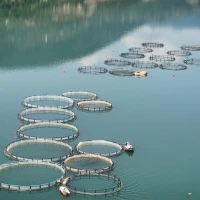
Corrosion Resistance in Marine Environments: Phosphor bronze's resistance to corrosion makes it highly valuable for marine applications, such as boat parts, seawater filtration systems, and underwater equipment.
Aerospace Components: It is sometimes used in aerospace applications where strength, corrosion resistance, and low magnetic properties are needed.
Decorative and Architectural Use:
Architectural Mesh Panels: Phosphor bronze wire mesh is sometimes used in modern architecture for facades, partitions, or decorative cladding due to its aesthetic appeal, which can develop a patina over time.
Jewelry and Craft: The mesh is sometimes used in artistic and jewelry applications due to its unique color and finish.
Protective Barriers:
Enclosures and Guarding: The strong, durable, and flexible properties of phosphor bronze wire mesh make it suitable for creating protective barriers or enclosures in both industrial and commercial settings.


