






Metal materials play an essential role in modern filtration systems, especially in industries such as chemical processing, wastewater treatment, food & beverage production, pharmaceuticals, petrochemical refining, and high-precision industrial separation. Among the many filtration components available today, metal lath and metal mesh (wire mesh) are two of the most frequently used structural or filtration elements. Although their names sound similar, the two are fundamentally different in structure, manufacturing processes, performance characteristics, and application purposes.
Metal mesh-particularly woven wire mesh-is widely recognized as the core filtration medium across the industry. Its fine woven structure, variable mesh count options, and accurate micron ratings make it suitable for both coarse and precision filtration. Metal lath, on the other hand, is mainly used as a supporting layer rather than a direct filtration medium. Its unique expanded or punched structure offers rigidity, mechanical strength, and durability that protects the main filter media from pressure deformation or collapse.
Understanding the differences between these two materials is essential when designing or selecting filtration components. In many filtration systems, metal mesh and metal lath actually work together: metal mesh provides the filtering precision, while metal lath provides strength and prevents the mesh from tearing or deforming under load. This article offers a complete comparison between the two materials from the filtration industry perspective-covering their definitions, structures, manufacturing methods, advantages, limitations, and application differences. Additionally, selection guidelines and practical engineering considerations are included to help filtration engineers, manufacturers, and end users make optimal decisions.

What Is Metal Lath in the Filtration Industry?
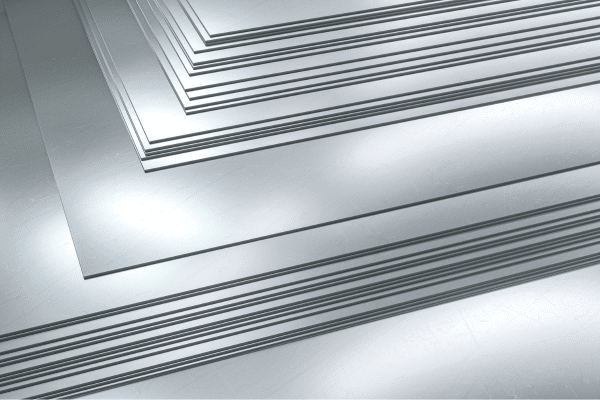
Metal lath is traditionally known for its use in construction, but in the filtration world, the term refers to expanded metal, perforated plate, or reinforcement sheet metal designed to support the wire mesh or filter media. It is not used to determine filtration precision; instead, it provides mechanical strength, rigidity, and durability in multi-layer filter structures.
For a deeper understanding of how metal lath, perforated plates, and wire mesh work together to reinforce filtration systems, you can read our detailed guide on filtration support layers such as expanded metal lath, perforated plate, and wire mesh.
Understanding Filtration Support Layers: Expanded Metal Lath, Perforated Plate, and Wire Mesh
Structure and Manufacturing Process of Metal Lath
Metal lath used in filtration is usually created through two main processes:
1) Expanded Metal Lath
A metal sheet is slit and stretched into a diamond-shaped pattern.
No material is removed; the sheet simply expands, creating an interlocked, one-piece mesh-like structure.
2) Perforated Metal Lath
A steel plate is punched with round, square, hexagonal, or slotted holes, allowing controlled open area and high structural strength.
The non-woven, non-interlaced structure makes lath extremely rigid. The expanded strands act as structural ribs and distribute pressure evenly, which is why this material is commonly placed behind a woven wire mesh inside filter cartridges, filter baskets, or pressure filters.
Mechanical Strength and Durability
Metal lath is widely used because it provides exceptionally strong load-bearing properties:
● Resists crushing and collapsing inside pressure-driven filtration systems
● Withstands vibration, fluid turbulence, and physical impact
● Maintains shape even under repeated pressure cycles
● Supports fine mesh, preventing deformation or wire breakage
This stability is critical in applications such as hydraulic oil filtration, petrochemical processing, and wastewater treatment, where the pressure differential can be significant.
Common Materials and Thickness Options
Typical materials include:
● Stainless steel: 304, 316, 316L
● Low carbon steel (for non-corrosive environments)
● Aluminum (for lightweight applications)
Sheet thickness may range from 0.3 mm to 2.5 mm, depending on the required support strength. Stainless steel 316L is preferred for filtration systems involving chemicals or marine exposure due to its superior corrosion resistance.
Applications of Metal Lath in the Filtration Industry
Metal lath functions as a supporting layer and is rarely used as the primary filtering medium. Typical applications include:
● Inner and outer reinforcement layer for pleated filters
● Structural support for wire mesh in oil filtration
● Protection layer for fine micron mesh in chemical filtration
● Drainage and flow-distribution layer in cartridge filters
● Core structure inside filter tubes and strainers
In multi-layer sintered mesh elements, metal lath often acts as the heavy supporting layer that allows the filter to withstand high differential pressure.
Types of Metal Lath Used in Filtration
| Type of Metal Lath | Structure | Sheet Thickness | Strength Level | Common Application |
|---|---|---|---|---|
| Expanded Metal Lath | Slit & stretched diamond openings | 0.3–1.5 mm | High | Pleated filter support |
| Perforated Metal Sheet | Round/square punched holes | 0.5–2.5 mm | Very High | Filter baskets, strainers |
| Ribbed Lath | Reinforced rib patterns | 0.5–1.2 mm | Medium | Flow distribution |
| Flattened Expanded Metal | Press-flattened diamond openings | 0.4–1.0 mm | Medium-High | Outer support layer |
Load Distribution and Pressure Management in Filtration Systems
Metal lath plays an essential role in maintaining consistent load distribution throughout a filtration system, especially where fluctuating fluid pressures or heavy flow surges occur. In industrial liquid processing, differential pressure often builds up across the filtration media as contaminants accumulate. Without proper support, woven wire mesh can deform, bend inward, or collapse under pressure. Metal lath prevents this by spreading the force evenly over a larger structural platform, ensuring the mesh maintains its designed geometry.
This load distribution is particularly valuable in cartridge filters, pleated filter elements, and large-scale hydraulic filtration systems. By creating a rigid foundation, metal lath enhances filtration stability, maintains consistent flow paths, and reduces the risk of premature equipment failure. As a result, filtration efficiency remains stable over longer operational cycles, reducing downtime and overall maintenance cost.
Compatibility with Multi-Layer Filtration Structures
Modern filtration systems increasingly rely on multi-layer structures to achieve both strength and precision. Metal lath integrates seamlessly into these systems, acting as a foundational layer that supports finer filtration materials without interfering with fluid dynamics. In sintered multi-layer mesh, for example, the lath may form the thickest and strongest layer, giving the entire structure mechanical stability.
Its compatibility with woven, sintered, and laminated meshes makes it a versatile reinforcement option. Additionally, the open structure of expanded or perforated lath ensures minimal impact on flow rate, allowing liquids and gases to pass through efficiently while still delivering excellent rigidity. This makes metal lath an indispensable component in high-pressure petrochemical filters, backwashable filters, and polymer melt filtration assemblies.


What Is Metal Mesh and Why Is It Essential in Filtration?
Metal mesh-especially woven wire mesh-is the main filtration medium for industrial liquid and gas processing. Unlike metal lath, which is sheet-based, metal mesh is made by weaving metal wires into a variety of patterns to achieve different micron ratings and mesh counts.
Types of Wire Mesh Used in Filtration
The most common wire mesh types include:
Woven Wire Mesh
● Plain weave
● Twill weave
● Dutch weave (including Reverse Dutch and Twill Dutch)
● Dutch weave is widely used in high-precision filtration because the warp and weft wires vary in size, forming a tight, strong, micron-rated structure.
Knitted Wire Mesh
Used for demisters, mist eliminators, air-oil separators.
Sintered Wire Mesh
Multiple layers of mesh sintered into a strong porous structure with stability and backwash capability.
Wire Mesh as the Primary Filtration Medium
Wire mesh determines filtration accuracy through:
● Mesh count
● Wire diameter
● Micron rating
● Open area percentage
A finer mesh means higher filtration precision but also higher flow resistance.
Wire mesh offers excellent consistency, making it ideal for processes requiring accurate particle retention.
Material Options for Wire Mesh
Common metals include:
● Stainless steel 304 / 316 / 316L
● Monel
● Hastelloy
● Duplex stainless steel
● Brass or copper (for low-corrosion applications)
316L is the most widely used due to its corrosion resistance and suitability for pharmaceutical and food filtration.
Filtration Applications of Wire Mesh
Wire mesh is used in:
● Hydraulic oil filters
● Fuel filtration
● Chemical processing
● Food processing and edible oil filtration
● Water and wastewater treatment
● High-pressure sintered filter elements
● Polymer and plastic extrusion filters
In each of these systems, wire mesh is the component responsible for particle retention-making it the central element of the filtration process.
Comparison of Common Wire Mesh Types
| Mesh Type | Structure | Filtration Accuracy | Pressure Resistance | Common Application |
|---|---|---|---|---|
| Plain Weave | 1:1 over-under | Coarse–medium | Medium | General filtration |
| Twill Weave | Each wire passes over 2 wires | Medium–fine | High | Industrial liquids |
| Dutch Weave | Different warp/weft sizes | Fine–ultra fine | Very High | Hydraulic oil filters |
| Sintered Mesh | Multiple layers bonded | Precise & stable | Extremely High | Backwashable filters |
Micron Rating Precision and Consistency Across Batches
One of the greatest advantages of woven wire mesh is its extraordinary consistency in micron rating from batch to batch. Because wire mesh is produced through highly controlled weaving processes, each aperture size, wire position, and mesh count is repeated with exact precision. This level of consistency is critical in industries that require stable filtration results, such as pharmaceuticals, chemicals, and food processing.
The uniformity of micron size ensures predictable particle retention, stable flow performance, and reliable quality control. Unlike perforated metal or expanded metal lath-which cannot achieve micron-level filtration-wire mesh can range from coarse 10–20 mesh to ultra-fine meshes capable of filtering down to a few microns. This makes wire mesh the preferred medium when accuracy, repeatability, and product purity are essential.
For a deeper understanding of how mesh count and micron rating directly influence particle retention, flow behavior, and overall filtration performance, you can read our detailed guide on:
How micron rating and mesh count affect filtration performance.
Thermal and Chemical Resistance Advantages of Wire Mesh
Wire mesh, especially stainless steel 316L, offers superior thermal and chemical resistance compared with most synthetic filters or non-woven materials. This characteristic makes it ideal for harsh industrial environments involving hot liquids, corrosive chemicals, or high-pressure steam processing. Woven stainless steel mesh retains its structural integrity even at elevated temperatures, ensuring that the filtration aperture does not deform or widen.
Furthermore, its resistance to acids, solvents, oils, and alkaline chemicals makes wire mesh suitable for applications in petrochemical plants, wastewater treatment equipment, and food-grade filtration systems. While metal lath provides structural support, it is the wire mesh layer that ensures the chemical compatibility and temperature endurance essential for advanced industrial operations.
To learn more about how to select the most suitable mesh specification for different industrial applications, read our in-depth guide:
Choosing the Right Wire Mesh for Industrial Filtration.
Key Differences Between Metal Lath and Metal Mesh in Filtration Applications
Structural Differences
Metal Lath
● Sheet-based
● Expanded or perforated
● Provides rigidity, not precision
Metal Mesh (Wire Mesh)
● Woven or knitted
● Determines micron rating
● Flexible but requires support
Functional Differences
● Lath = support, reinforcement, protection
● Mesh = particle filtration
Metal lath allows the mesh to withstand high pressure without deforming.
Mesh provides precise particle control.


Performance Differences
| Attribute | Metal Lath | Metal Mesh |
|---|---|---|
| Filtration role | Support layer | Main filtration |
| Strength | Very high | Medium–high |
| Precision | Very low | Very high |
| Flexibility | Low | High |
| Cost | Lower | Higher (high-precision mesh) |
Where They Are Used Together
Many filtration products require both:
● Pleated filters
● Sintered multi-layer elements
● Filter baskets
● Suction strainers
● High-pressure filter cartridges
Lath protects and reinforces, while wire mesh provides accuracy.
Summary of Key Differences
| Feature | Metal Lath | Metal Mesh |
|---|---|---|
| Manufacturing | Expanded/perforated sheet | Woven wire |
| Precision | Not micron rated | Micron rated |
| Strength | High | Medium |
| Common Use | Support layer | Filtration layer |
| Typical Material | 304/316 steel sheets | Stainless steel wires |
Differences in Manufacturing Tolerances and Quality Control
Metal lath and metal mesh differ significantly in manufacturing tolerances. Wire mesh production involves precise weaving processes where wire diameter, mesh count, and tension must remain consistent. Small deviations can change the micron rating and affect filtration accuracy. Therefore, strict quality control is mandatory throughout weaving, annealing, and finishing.
In contrast, expanded metal lath and perforated sheets have broader tolerances because they do not serve as micron-level filtration media. Their primary purpose is structural reinforcement, and slight variations in opening size do not impact performance. This difference in quality control requirements explains why wire mesh is more expensive and why it is chosen for applications requiring precision filtration rather than simply mechanical support.
Differences in Maintenance, Cleaning, and Service Life
Wire mesh requires more frequent cleaning than metal lath because it directly traps particles. Backwashing, ultrasonic cleaning, and chemical rinsing are commonly used to remove contaminants from woven mesh. Fine-micron mesh may clog more easily, requiring scheduled maintenance to preserve flow rate.
Metal lath, however, rarely becomes clogged because its openings are large and designed for support rather than filtration. It typically lasts much longer and can withstand repeated pressure cycles without significant wear. In multi-layer filters, the mesh is often replaced periodically while the lath layer remains intact. Understanding this difference helps manufacturers design stronger, more cost-effective filtration systems while minimizing downtime.
How to Choose Between Metal Lath and Metal Mesh for Your Filtration System
When to Use Metal Lath
Use metal lath when your system requires:
● High-pressure resistance
● Structural support
● Protection of finer media
● Prevention of collapse during backflushing
Lath is essential in large industrial filters or pleated designs.
When to Use Metal Mesh
Choose wire mesh when you need:
● A specific micron rating
● High temperature resistance
● Food-grade or chemical-grade filtration
● Reusable media with backwashing capability
Wire mesh is the core filtering medium.
When to Combine Both Materials
Many filtration designs perform best with a combination:
● Inner layer: metal lath
● Middle layer: wire mesh
● Outer layer: protective lath or coarse mesh
This prevents damage, increases lifespan, and improves mechanical stability.
Cost Considerations and Selection Tips
● Lath is generally more affordable
● Wire mesh cost depends on mesh count and alloy
● High-pressure applications often require both
● Always match mesh micron rating to particle size requirements
● Use 316L for corrosive or hygienic conditions
Evaluating Pressure Differential and Structural Stability Requirements
When choosing between metal lath and wire mesh, one of the most important considerations is the expected pressure differential in the system. High-pressure systems, such as hydraulic and chemical processing filters, require strong internal support to prevent deformation of micron-rated mesh. Metal lath provides this stability, allowing the filter to operate safely even under sudden pressure spikes.
For low-pressure or moderate-flow systems where precision is more important than structural strength, wire mesh may be used alone. However, combining both materials is recommended for environments with fluctuating or unpredictable pressure conditions. Evaluating these mechanical factors ensures long-term reliability and prevents unexpected filter failures.
Cost-Benefit Analysis and Optimization of Filtration Efficiency
A proper cost-benefit analysis helps determine the ideal balance between filtration precision, service life, and operational cost. Wire mesh offers high filtration performance but usually comes at a higher price, especially in fine micron ratings. Metal lath is cost-effective and durable but cannot perform particle filtration on its own.
Combining both materials creates an optimized filtration structure that minimizes maintenance, extends service life, and maintains stable performance over long periods. This hybrid approach is widely used in pleated filters, basket strainers, and industrial filter cartridges. By prioritizing system requirements and budget considerations, engineers can design filtration solutions that maximize efficiency without overspending.
Conclusion
Metal lath and metal mesh serve distinctly different but highly complementary functions in modern filtration systems, and understanding their roles is crucial for achieving long-term reliability and optimal filtration performance. Metal lath provides the essential mechanical framework that supports and stabilizes the filtration structure. Its expanded or perforated design offers superior rigidity, enabling it to withstand high differential pressures, flow turbulence, vibration, and thermal expansion-conditions commonly found in demanding industrial filtration environments. As a non-woven and non-micron-rated material, its primary function is not filtration accuracy but structural reinforcement. By preventing deformation or collapse of finer filter media, metal lath prolongs the service life of the filter assembly and ensures stable operational performance.
Wire mesh, in contrast, is the precision-engineered component responsible for actual particle separation and contaminant control. Manufactured through tightly regulated weaving processes, wire mesh delivers consistent micron ratings, reliable flow characteristics, and repeatable filtration accuracy across batches. Its versatility-from plain weave to Dutch weave and sintered multi-layer structures-allows it to meet the needs of both coarse and ultra-fine filtration tasks. Stainless steel wire mesh, in particular, offers excellent chemical resistance, temperature tolerance, and hygienic performance, making it ideal for applications in hydraulic systems, petrochemical processing, food and beverage production, and wastewater treatment. While wire mesh determines the filtration efficiency, it often relies on metal lath for mechanical support in high-pressure or high-load environments.
For engineers and manufacturers, selecting the right combination of metal lath and wire mesh depends on factors such as system pressure, operating temperature, fluid characteristics, desired micron rating, and budget considerations. In many cases, a hybrid construction-using metal lath as the support layer and wire mesh as the precision filtration layer-delivers the strongest overall performance. This approach enhances structural integrity, minimizes downtime caused by filter damage or collapse, and reduces long-term maintenance costs. Ultimately, the synergy between metal lath and metal mesh reflects a core principle in filtration system design: durability and precision must work together. By leveraging the strengths of both materials, filtration systems can operate more efficiently, remain more stable under pressure, and deliver consistently high-quality filtering results across a wide range of industrial applications.
You might also be interested in these articles:
Choosing the Right Wire Mesh for Industrial Filtration Why Passivation Is So Important to Maintain Stainless Steel Performance The Science Behind Stainless Steel Passivation: How the Passive Film Protects Metal Performance Passivation Methods, Standards, and Best Practices for Industrial Stainless Steel Real-World Applications and Failure Analysis: Why Passivation Determines Stainless Steel Durability