





Filtration systems rely on more than just the primary filter media. To achieve stable, long-lasting, and efficient performance, they also require strong and properly designed support layers. In industrial filtration-whether handling liquids, gases, petrochemicals, hydraulic oils, or high-temperature applications-the combination of expanded metal lath, perforated plate, and wire mesh plays a critical role. Each material supports the filtration process in a different way, ensuring that the filter medium does not collapse, deform, or tear under pressure.
In this guide, we break down the roles, advantages, and recommended applications of the three most common support materials used in industrial filtration assemblies. Understanding these support layers helps engineers and procurement teams make better decisions when designing or sourcing filter elements.


The Role of Support Layers in Industrial Filtration
Support layers are fundamental to any industrial filtration system. They reinforce the filter media and ensure that it maintains its designed micron rating under pressure. Without adequate support, fine filtration materials can stretch, collapse, or tear, resulting in performance failure.
Maintaining Structural Stability Under Pressure
Support layers prevent filter deformation caused by differential pressure, backwashing, and flow turbulence. In high-pressure applications such as hydraulic and fuel filtration, they maintain the geometry of cartridges, ensuring uninterrupted filtration performance.
Ensuring Micron Accuracy and Flow Uniformity
When filter media loses its shape, the pore openings change, causing inconsistent filtration. Proper support ensures the filter holds its micron rating, allowing for predictable and efficient separation of particles.
Extending Filter Lifespan and Reducing Operational Costs
A strong support structure significantly reduces the risk of tearing, collapse, and premature clogging. This results in fewer shutdowns, extended filter life, and reduced replacement costs.
Enhancing Durability in High-Stress Environments
Industrial filtration often involves vibration, temperature fluctuations, and corrosive materials. A robust support layer protects the filter medium and increases resistance to mechanical and chemical stress.
Expanded Metal Lath as a Filtration Support Layer
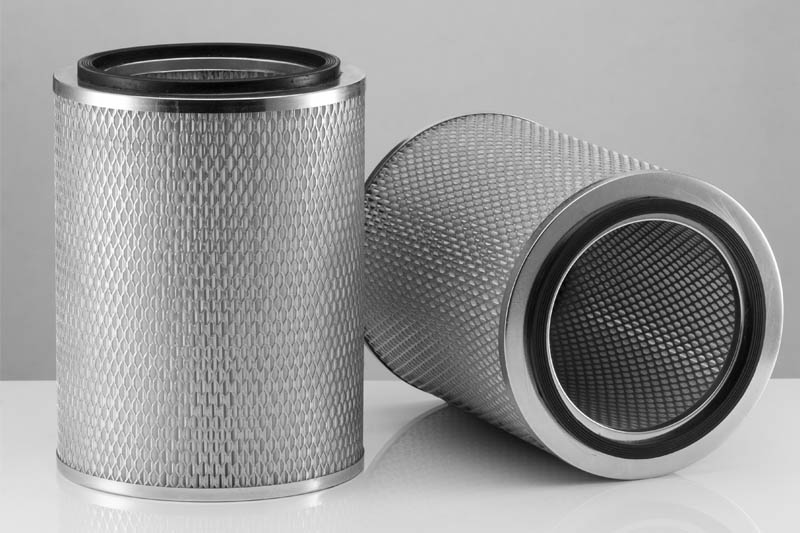
Expanded metal lath is produced by slitting and stretching a solid metal sheet into a mesh-like pattern. This continuous structure provides superior rigidity and large open areas suitable for high-flow filtration systems.
Common Specifications of Expanded Metal Lath
| Specification | Typical Range | Notes |
|---|---|---|
| Thickness | 0.5–2.5 mm | Heavy-duty support strength |
| Opening Size | 5–30 mm | Allows high flow rate |
| Open Area | 60–80% | Low resistance to fluid |
| Materials | SS304, SS316, carbon steel | SS316 for corrosion-heavy uses |
Continuous Structure With Superior Strength
Unlike welded structures, expanded metal lath is made from a single sheet, eliminating weak points. This makes it ideal for systems experiencing vibration or pressure spikes.
Excellent Resistance to Deformation
Even under significant load, expanded metal lath maintains its shape. This makes it a preferred support for pleated filters, large cylinders, and sintered mesh elements.
Ideal for Backwashing and Reverse Flow
Because it doesn't collapse easily, expanded metal lath performs well in filters that undergo frequent cleaning or reverse-flow regeneration.
H3: Wide Compatibility With Filtration Media
Expanded metal lath works well with both woven wire mesh and synthetic filter cloth, supporting multi-layer configurations found in chemical and fuel filtration.
Perforated Plate as the Backbone Support Layer
Perforated plate offers unmatched rigidity and is often the core structural component of filter cartridges. Its consistent hole patterns allow engineers to fine-tune strength and flow characteristics.
Common Perforated Plate Hole Types
| Hole Pattern | Diameter | Features | Common Use |
|---|---|---|---|
| Round | 1–10 mm | Best balance of flow + strength | Oil & hydraulic filters |
| Slotted | 1×5 – 3×30 mm | High-flow capacity | Water treatment |
| Hexagonal | 3–8 mm | Maximizes open area | Air & dust filtration |
Superior Mechanical Strength for High-Pressure Systems
Perforated plates withstand significant internal and external pressure, preventing collapse during demanding filtration cycles.
Precise Control Over Hole Geometry
The ability to customize hole size and layout allows designers to manage flow rates accurately, making perforated plates suitable for oil, gas, and petrochemical filtration.
Maintains Filter Shape and Prevents Collapse
Cartridge filters rely on perforated plates to preserve structural geometry, ensuring consistent filtration even during reverse flow or pressure shock.
High Durability in Extreme Environments
Perforated plates are commonly used in high-temperature, corrosive, or abrasive environments because they maintain their structural integrity under harsh conditions.

Wire Mesh as a Precision Support or Filtration Layer
Wire mesh is the most flexible support material. It can function as both a structural support layer and the primary filtering medium. Its woven construction ensures control over aperture size and mechanical performance.
Versatility in Weave Types for Different Support Needs
Wire mesh comes in plain weave, twill weave, and Dutch weave. Each type provides different strength, precision, and flow characteristics suitable for filtration systems.
Enhanced Support for Fine-Micron Filters
Fine filter media such as membranes require stable surface support. Wire mesh prevents stretching or tearing, especially under continuous pressure.
Corrosion-Resistant and Hygienic
Stainless steel wire mesh is ideal for chemical, food, and pharmaceutical applications due to its resistance to corrosion, heat, and contamination.
Integral Part of Sintered Multi-Layer Mesh
Wire mesh is commonly sintered into multi-layer sheets, forming a strong, precise, and cleanable filtration structure used in hydraulic and fuel systems.
Material Selection Considerations for Support Layers
Influence of Metal Grade on Corrosion and Load Performance
The selection of metal grade plays a decisive role in determining how effectively a support layer performs under corrosive, high-pressure, or thermally unstable industrial environments. Stainless steel grades such as 304 and 316 remain the most prevalent choices due to their combination of mechanical strength and resistance to oxidation. Grade 316, in particular, contains molybdenum, which significantly improves its ability to withstand chloride-rich conditions commonly found in chemical processing, offshore applications, and filtration housed in aggressive liquid streams. Carbon steel, although economical, is used mainly where corrosion is not a primary concern or when coatings can compensate for environmental exposure. By choosing the correct grade, operators ensure that wire mesh, perforated plate, and expanded metal lath maintain long-term structural reliability.
Material Thickness and Its Effect on Support Layer Rigidity
Thickness is a defining parameter for any filtration support layer because it directly affects load-bearing capacity, deformation resistance, and overall stability during pulsating flow or pressure cycling. Expanded metal lath typically requires a heavier gauge to prevent collapse under high-velocity flow, while perforated plates rely on thickness to maintain shape when supporting fine wire mesh. When thickness is insufficient, filtration assemblies may experience buckling or accelerated fatigue, especially in systems exposed to constant vibration or thermal expansion. For this reason, thickness selection must balance structural requirements with weight, cost, and compatibility with the target filtration medium. Properly sized support layers ensure consistent filter integrity throughout prolonged operational cycles.
Engineering and Performance Optimization in Filtration Systems
Enhancing Flow Dynamics Through Layered Support Structures
Layering support media-such as combining wire mesh with perforated plate or expanded metal lath-allows engineers to optimize flow distribution, particle capture stability, and mechanical reinforcement. Each layer contributes a specific function: the fine wire mesh provides precision filtration, while the heavier metal layers stabilize the structure under pressure. Strategically stacking these materials reduces turbulence, minimizes localized stress points, and improves fluid uniformity entering the main filtration medium. This approach is particularly advantageous in high-viscosity liquids, fuel systems, and chemical reactors where both accuracy and durability must coexist.
Balancing Open Area and Mechanical Strength for System Efficiency
A recurring engineering challenge is maintaining the highest possible open-area ratio without compromising structural integrity. Expanded metal lath provides high open area but slightly lower rigidity, whereas perforated plate offers superior stability with generally less porosity. Wire mesh falls in between and can be tailored by selecting weave pattern, wire diameter, and mesh count. Engineers must evaluate flow rate requirements, allowable pressure drop, contaminant load, and downstream sensitivity. Achieving the optimal balance ensures the filtration system operates with maximum efficiency, reduced energy consumption, and extended component lifespan.
Conclusion
The relationship between expanded metal lath, perforated plate, and wire mesh is essential for designing efficient and long-lasting industrial filtration systems. Each support layer material provides distinct mechanical and functional benefits, allowing engineers to build filtration assemblies that withstand pressure fluctuations, abrasive particles, corrosive fluids, and high flow rates. When combined strategically, these materials contribute to enhanced stability, improved particle retention, and more consistent fluid dynamics across the filtration structure. Understanding their unique characteristics allows manufacturers and end-users to choose the best combination for their specific application, whether it involves chemical processing, fuel filtration, water treatment, or high-temperature industrial operations.
As industries continue demanding higher performance and longer filtration life cycles, the importance of selecting the correct support media becomes even greater. Filtration systems that incorporate balanced strength, appropriate open area, and the right metal grade can reduce maintenance, extend operational uptime, and improve product quality. This makes comprehensive knowledge of support layers an integral part of optimizing industrial filtration workflows. By recognizing the strengths and limitations of each material-expanded metal lath for rigidity, perforated plate for structural stability, and wire mesh for precision-users can achieve consistent, reliable, and cost-effective filtration performance.