

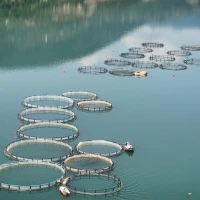




A mesh screen is a versatile engineering material composed of interlaced or connected strands of metal, fiber, or polymer that form a consistent pattern of openings. These screens are fundamental to modern industry, acting as the primary medium for filtration, separation, and structural protection. Unlike a solid plate, a mesh screen is defined by its "permeability"-the ability to allow gases, liquids, or specific particle sizes to pass through while retaining larger solids. Its history spans from ancient woven reeds to modern, high-precision laser-etched foils used in space exploration.
The true complexity of a mesh screen lies in its geometry. Parameters such as mesh count, wire diameter, and weave style are not arbitrary; they are precisely calculated to balance flow rates with mechanical strength. Whether it is the fine silk screen used in high-end printing or the heavy-duty stainless steel mesh used in oil refineries, the mesh screen is an indispensable component that quietly ensures the efficiency and safety of global supply chains. This guide serves as an exhaustive resource to help you understand the mechanics, materials, and diverse functions of this essential tool.

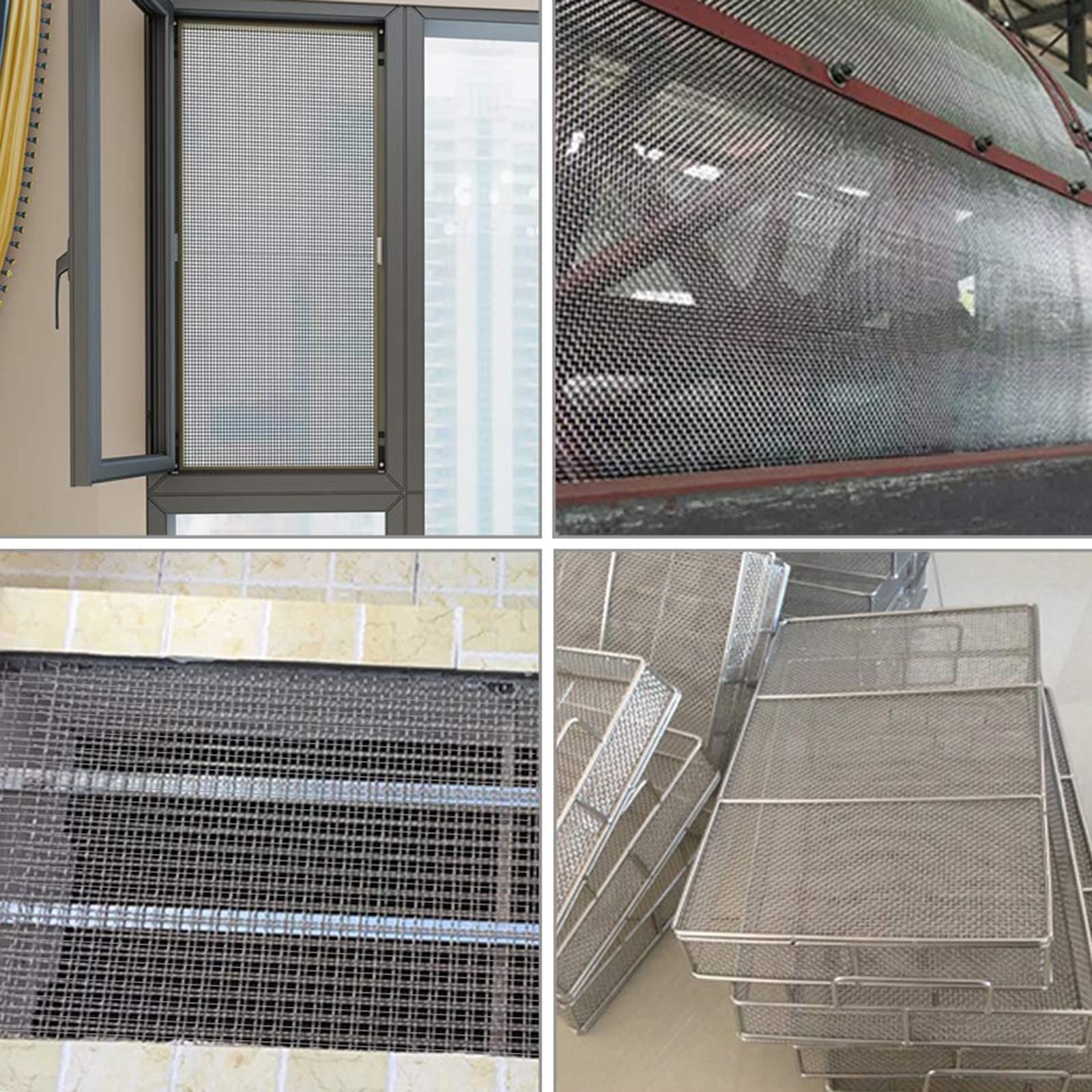
The Anatomy and Geometry of a Mesh Screen
Defining Mesh Count and Micron Rating
The performance of any mesh screen is dictated by its "Mesh Count," which refers to the number of openings per linear inch. For example, a 100-mesh screen has 100 openings in every inch of length and width. As the mesh count increases, the size of the openings decreases, allowing for finer filtration. In high-precision sectors, this is often converted into "microns" ($1\mu m = 1/1,000,000$ of a meter), which measures the absolute gap between strands. Understanding this relationship is critical: a high-count mesh with thin wires might provide the same micron rating as a lower-count mesh with thicker wires, but the structural integrity and flow capacity will differ significantly.
Open Area and Flow Dynamics
The "Open Area" is the percentage of the total screen area that is comprised of holes. It is a vital metric for engineers designing ventilation systems or liquid filters. Calculated as $(Opening / (Opening + Wire Diameter))^2 \times 100$, the open area determines the "pressure drop" across the screen. A screen with 70% open area allows for rapid flow but may lack the strength to resist high-velocity impacts. Conversely, a screen with 30% open area is robust but can easily clog or "blind." Designing the perfect mesh screen involves finding the intersection where the flow is maximized without compromising the screen's ability to retain particles or withstand mechanical stress.
Wire Diameter and Structural Rigidity
The thickness of the strands, or "Wire Diameter," is the primary factor in a screen's weight and durability. Thicker wires provide higher tensile strength and resistance to abrasion, which is essential in mining or construction sieving. However, as the wire gets thicker within a fixed mesh count, the opening size decreases. This trade-off is the core of mesh engineering. For architectural mesh, larger wire diameters are used to create "self-supporting" panels that do not sag. In micro-filtration, wires as thin as a human hair are used to create screens that can filter bacteria while remaining flexible enough to be pleated into high-surface-area filter cartridges.
Material Variations: Metal, Synthetic, and Natural
While stainless steel is the industry standard for durability, mesh screens are manufactured from a vast array of materials. Synthetic meshes, such as Nylon and Polyester, are prized in the medical and food industries for their flexibility, chemical resistance, and non-reactive properties. For extremely high-temperature or corrosive environments, exotic alloys like Monel, Inconel, or Titanium are used. Even natural fibers like silk still find use in high-precision screen printing due to their unique elasticity. Choosing the right material involves evaluating the "operating environment"-including temperature, chemical exposure, and mechanical load-to ensure the screen does not degrade prematurely.
Classification of Mesh Screens by Construction
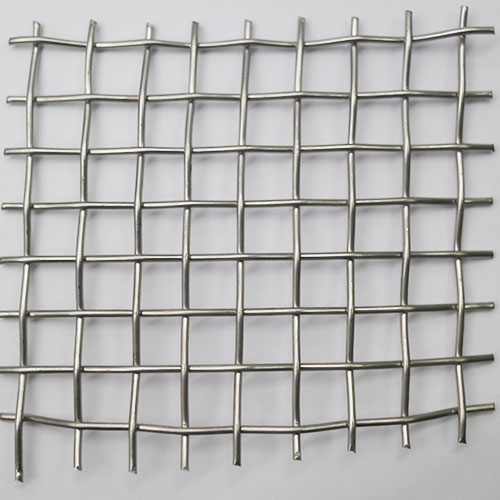
Woven Mesh: Precision and Flexibility
Woven mesh is produced on industrial looms similar to textile weaving. Each wire is interlaced in a "warp and shute" pattern, which allows for extremely precise opening sizes. This construction is highly flexible, making it the preferred choice for filtration elements that need to be wrapped or shaped. Woven mesh can achieve the finest micron ratings available, down to 1 micron in specialized Dutch weaves. Because the wires are not fused, the mesh can "flex" under pressure, which is an advantage in vibrating sieves but can be a disadvantage if the wires are not properly "crimped" to prevent shifting.

Welded Mesh: Rigidity and Geometric Stability
Welded mesh is created by laying wires in a grid and fusing them at every intersection using electrical resistance welding. This creates a permanent, rigid bond that prevents any wire movement. Welded mesh is the go-to choice for safety guards, security fencing, and reinforcement, as it maintains its shape even when sections are cut away. It is generally produced in larger opening sizes than woven mesh. Its structural stability makes it easier to handle and install in large panels, as it does not require a complex tensioning frame to remain flat and square.
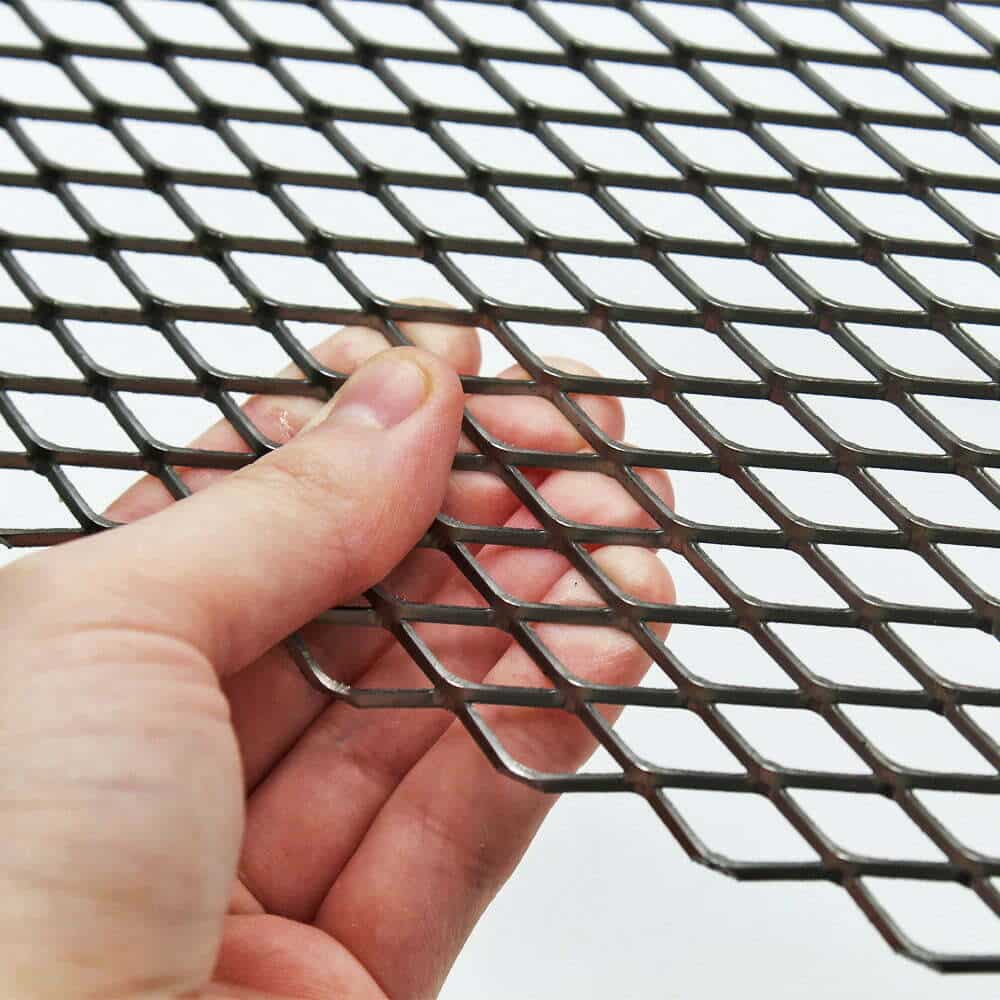
Expanded and Perforated "Screens"
Expanded metal screens are made by slitting and stretching a single sheet of metal, creating a diamond-shaped pattern with no joins or welds. This results in a material that is incredibly strong for its weight and is entirely "jointless," preventing the accumulation of dirt or bacteria. Perforated screens are made by punching holes in a solid plate. While these are technically different from wire mesh, they serve similar functions in industrial screening. Expanded screens are valued for their three-dimensional texture which provides grip and light diffusion, while perforated screens offer the most precise control over hole geometry and pattern.
Knitted and Non-Woven Variations
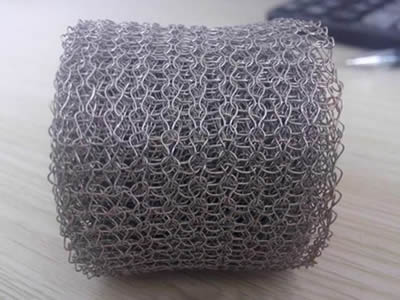
Knitted wire mesh is made using a circular knitting machine, resulting in a series of interlocking loops. This creates a highly flexible, "spongy" material that is excellent for shock absorption, vibration damping, and mist elimination in chemical towers. Non-woven mesh, or "sintered fiber felt," consists of randomly oriented metal fibers that are compressed and bonded. This creates a high-porosity material that can capture high dirt loads while maintaining low pressure drops. These variations are used in specialized applications like engine breathers, electromagnetic shielding, and high-efficiency gas filtration.
For a deeper dive into how these construction methods affect performance, see our detailed comparison:
[Woven vs. Welded Mesh: Choosing the Right Construction]
Material Science in Mesh Engineering
Stainless Steel Grades (304 vs. 316)
The choice between Grade 304 and 316 stainless steel is the most common decision in mesh engineering. Grade 304 is the standard for general use, providing excellent strength and oxidation resistance. However, for environments exposed to salt, chlorides, or acids, Grade 316 is required. The addition of Molybdenum in 316 significantly enhances its resistance to pitting and crevice corrosion. In the long term, 316 mesh proves more cost-effective in marine or chemical settings by preventing the microscopic holes that eventually lead to wire snapping and structural failure.
Polymer Meshes: Nylon and Polyester
Polymer meshes offer a lightweight, non-conductive, and corrosion-proof alternative to metal. Nylon is particularly valued for its high abrasion resistance and its "hydrophilic" nature, making it ideal for water-based filtration. Polyester mesh, on the other hand, is "hydrophobic" and has excellent dimensional stability, meaning it won't stretch or sag when wet. These materials are widely used in the medical sector for surgical implants and blood filtration, as well as in the food industry for flour sifting and juice straining where metallic contamination must be avoided at all costs.
High-Temperature and Exotic Alloys
When temperatures exceed the limits of standard stainless steel (approx. 800°C), exotic alloys must be specified. Inconel and Monel are nickel-based alloys that maintain their tensile strength and resist oxidation at temperatures up to 1100°C. Titanium mesh is used in the aerospace and medical sectors for its incredible strength-to-weight ratio and biocompatibility. These exotic materials are more difficult and expensive to weave, but they are essential for the most demanding applications in jet engines, deep-sea oil exploration, and chemical reactors.
Surface Treatments and Coatings
The performance of a mesh screen can be further enhanced through various surface treatments. Galvanizing provides a sacrificial zinc layer for carbon steel mesh, protecting it from rust. Passivation is a chemical treatment for stainless steel that removes surface iron and strengthens the protective oxide layer. Powder coating adds color and UV resistance for architectural projects, while Electro-polishing creates a mirror-finish that is extremely easy to clean, making it the standard for the pharmaceutical and food processing industries.
Material choice is the first line of defense against corrosion. Explore our guide on:
[Mesh Screen Materials: From Polymers to Exotic Alloys]
Key Functions and Industrial Applications
Industrial Filtration and Separation
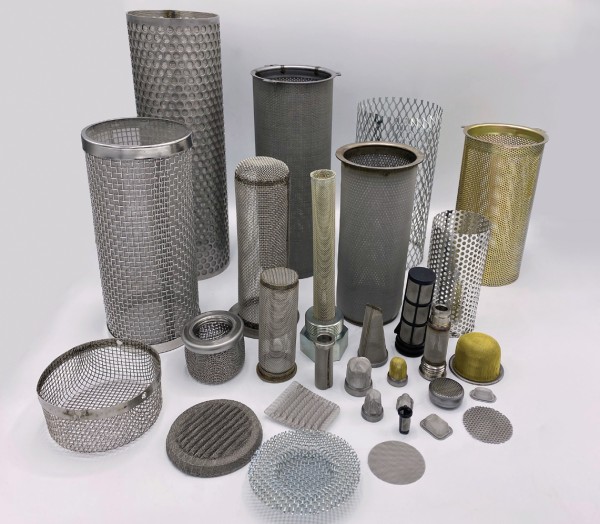
Filtration is the primary function of mesh screens. In oil refineries, specialized mesh layers (sand control screens) prevent grit from damaging pumps. In the pharmaceutical industry, fine mesh ensures that active ingredients are separated to the exact micron level. The ability of mesh to be cleaned and reused makes it a sustainable alternative to disposable paper or felt filters. By selecting the correct weave and micron rating, industries can achieve high-purity results while maintaining the flow rates required for mass production.

Architectural and Decorative Mesh
Architects use large-scale mesh screens for building facades, sunshades, and interior partitions. Mesh provides a unique aesthetic that changes with the light while serving functional roles like wind reduction and fall protection. Because mesh is transparent from certain angles, it can be used to hide unsightly mechanical equipment (like HVAC units) without blocking the airflow. The durability of stainless steel ensures that these architectural elements remain beautiful and structurally sound for the life of the building without requiring paint or frequent maintenance.
Security and Protective Screening
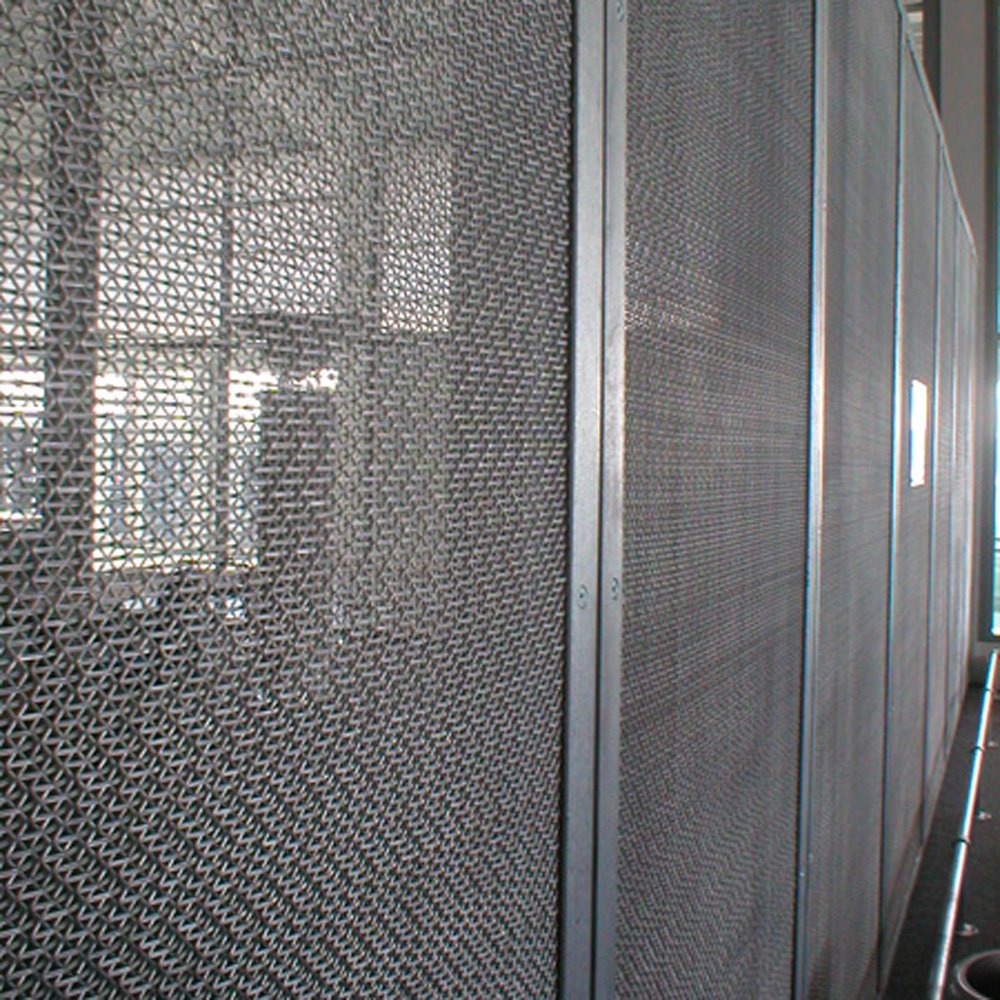
From window security screens to prison partitions, high-strength mesh is used to prevent intrusion. Specialized "security mesh" is tested for its resistance to knife shear and heavy impacts. In the industrial sector, mesh screens are used as machine guards, preventing operators from coming into contact with moving parts while allowing them to see the machinery in operation. The open nature of mesh also ensures that heat and fumes are not trapped within the guard, maintaining a safer working environment.
Acoustic and Electromagnetic Shielding
Fine copper and bronze mesh screens are used to block electromagnetic interference (EMI) and radio frequency interference (RFI). This is critical in hospitals to protect sensitive MRI machines and in government buildings to prevent data leaks. Additionally, mesh can be used for acoustic damping; the complex path that sound waves must take through a fine mesh lattice helps to dissipate energy and reduce noise levels in aircraft engines and industrial exhaust systems.
From aerospace to architecture, the uses are endless. Learn more in:
[Top 10 Industrial Applications for Mesh Screens]
Comparative Performance Benchmarks
Permeability vs. Particle Retention
The fundamental trade-off in mesh design is between permeability (how much goes through) and retention (what gets caught). A screen that catches smaller particles naturally has smaller holes, which restricts flow and increases pressure. To solve this, engineers use "depth filtration" or multilayered mesh systems where a coarse mesh supports a finer mesh. This allows for the high retention of fine particles without the immediate "blinding" that would occur if only the fine mesh were used.
Tensile Strength vs. Weight
Stainless steel mesh is prized for its high strength-to-weight ratio. A mesh screen can often provide the same protective strength as a solid metal plate but at only 20% of the weight. This is a critical factor in the transportation and aerospace industries, where every pound of weight saved reduces fuel consumption. The tensile strength of the individual wires, combined with the interlaced structure, allows the mesh to absorb significant energy and resist tearing even when under high stress.
Chemical and Thermal Resilience
Unlike plastic screens, metal mesh can operate in temperatures that would melt or degrade synthetics. It also resists a wide range of chemicals, from acidic cleaning agents to alkaline industrial solvents. However, the "resilience" of a screen is also about its "dimensional stability"-its ability to maintain its opening size under these stresses. Stainless steel is particularly stable, ensuring that a 50-micron filter remains a 50-micron filter even when exposed to boiling chemicals or vibrating under mechanical load.
Advanced Customization and Manufacturing Precision
Laser Cutting and Edging Solutions
In high-precision industries, the way a mesh screen is cut can dictate its final performance. Laser cutting offers a non-contact method that prevents the fraying of woven wires and the distortion of thin-gauge sheets. This technology allows for the creation of complex geometric shapes that would be impossible with traditional mechanical shearing. For automotive filters or medical components, laser edging ensures that every perimeter wire is fused, preventing any loose strands from contaminating the fluid stream. The precision of CNC laser systems ensures that tolerances remain within microns, a requirement for automated assembly lines where consistency is paramount.
Sintering and Multilayer Lamination
Sintering is an advanced thermal process where multiple layers of mesh are bonded together without the use of adhesives or binders. By subjecting the mesh stack to high heat and pressure in a vacuum furnace, the wire contact points fuse at a molecular level. This results in a "Sintered Mesh" that combines the fine filtration of a woven cloth with the structural rigidity of a heavy plate. This technique is extensively used in polymer extrusion and pharmaceutical nutsche filters, where the screen must withstand massive back-pressure during cleaning cycles without deforming or losing its micron rating.
Surface Cleaning and Degreasing Standards
Industrial mesh screens often undergo a rigorous "ultrasonic cleaning" process to remove residual oils from the weaving looms. In the oxygen service industry or food processing, even a trace amount of lubricant can cause catastrophic failure or contamination. Beyond simple degreasing, "pickling" and "passivation" are used to ensure the protective oxide layer is fully developed. These cleaning standards are governed by protocols like ASTM G93, which ensures that the mesh is "oxygen clean" and free from particulates. This attention to surface chemistry extends the service life of the screen by preventing localized corrosion at the sites of embedded impurities.
Specialized Coatings for Enhanced Performance
To push the boundaries of standard alloys, specialized coatings can be applied to mesh screens. Teflon (PTFE) coatings are used to create "non-stick" surfaces in sticky chemical environments, preventing the "blinding" of the mesh. Ceramic coatings can provide additional heat and abrasion resistance for volcanic or industrial furnace applications. Furthermore, hydrophilic or hydrophobic coatings can be applied to polymer meshes to selectively allow or repel water, which is a critical function in fuel-water separators used in modern aircraft engines. These coatings allow the mesh to perform "active" functions beyond simple physical separation.
Mesh Screen Performance by Material Type
| Material Type | Max Temp (°C) | Corrosion Resistance | Tensile Strength | Common Use |
| SS 316 | 900+ | Excellent | Very High | Chemical / Marine |
| Aluminum | 200 | Medium | Medium | Window Screens |
| Nylon | 100 | High (Chemical) | Low | Medical / Food |
| Copper | 250 | Medium | Medium | EMI Shielding |
| Monel | 500 | Superior (Acids) | High | Petrochemical |

Quality Control and Specification Standards
Visual and Optical Inspection Protocols
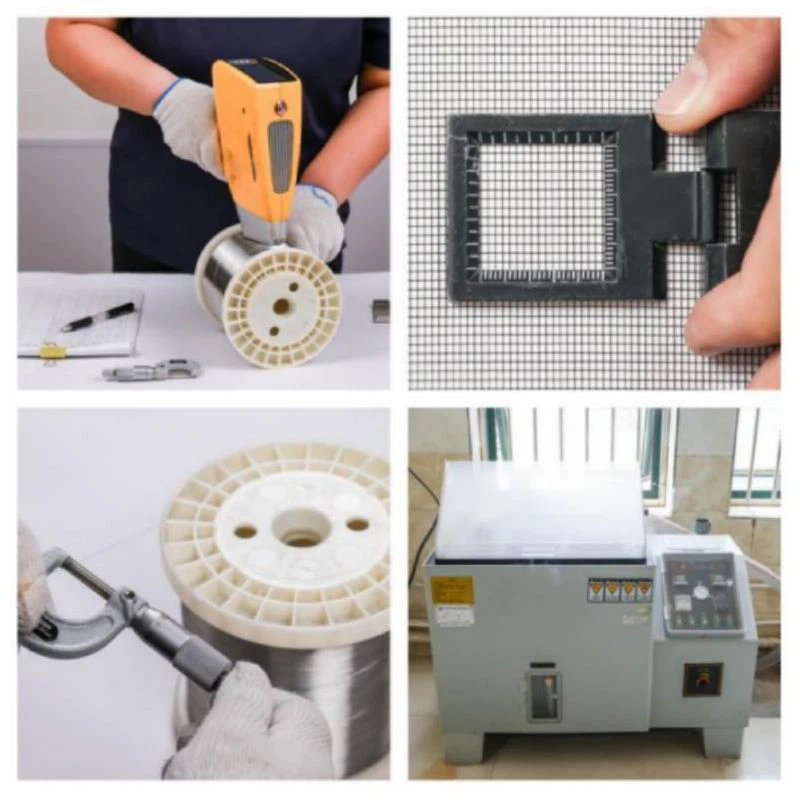
Quality control for high-mesh-count screens involves sophisticated optical inspection systems. Because the human eye cannot detect a missing wire or a variation in micron size in a 400-mesh screen, digital comparators and high-resolution cameras are used. These systems scan the entire surface area for "weft defects" or "warp deviations." In the world of high-precision sieving, even a 5-micron variance can lead to inaccurate test results. Therefore, optical verification is the first line of defense in ensuring that a mesh screen meets the "Certified" or "Standard" grade requirements of international laboratories.
Mechanical Stress Testing and Verification
Before deployment, mesh samples often undergo "Tensile Testing" to verify they meet the specified breaking strength. For filters, the "Bubble Point Test" is the industry standard for verifying the largest pore size. This involves submerging the mesh in a liquid and measuring the air pressure required to force bubbles through the openings. A consistent bubble point across the entire sheet confirms that the weave is uniform and that there are no "pinholes" or oversized gaps. These mechanical tests provide the empirical data needed for engineering safety factors in high-pressure oil or aerospace systems.
Compliance with Global Standards (ASTM, ISO)
To ensure that mesh manufactured in one country fits equipment designed in another, strict adherence to global standards is required. ASTM E11 is the definitive standard for testing sieves, while ISO 9044 covers industrial wire cloth. These standards define the allowable tolerances for wire diameter and mesh opening size. A "Certificate of Conformance" provided by the manufacturer is the buyer's guarantee that the product has been tested against these benchmarks. Compliance ensures that when you specify a 50-micron screen, you are receiving a product that has been measured using standardized, reproducible methods.
Traceability and Mill Test Reports (MTR)
In the nuclear, medical, and aerospace industries, every piece of mesh must be fully traceable to its "melt" or "heat." A Mill Test Report (MTR) provides the exact chemical analysis of the steel and its mechanical properties. This document is the "identity card" of the mesh, documenting its origin and the testing results. Traceability ensures that if a failure occurs in the field, the root cause can be identified-whether it was a metallurgical defect or a manufacturing error. This level of documentation is what allows mesh screens to be used in mission-critical environments where failure is not an option.
Specification Standards for Common Mesh Screens
| Standard | Metric Covered | Application Sector | Key Benefit |
| ASTM E11 | Sieve Accuracy | Testing / Sifting | Precision particle grading |
| ISO 9044 | Industrial Wire Cloth | General Manufacturing | Global quality consistency |
| ASTM E2016 | Weave Tolerances | High-Precision | Reliable micron ratings |
| AS 5041 | Knife Shear Resistance | Security Screens | Verified intrusion protection |
Installation, Maintenance, and Lifecycle
Proper Tensioning and Framing Techniques
A mesh screen is only as strong as its installation. For woven mesh, proper tensioning is essential to prevent "sagging" or "wire migration." This often involves the use of specialized tensioning frames that apply equal force across the warp and shute directions. In architectural applications, "spring-tensioning" is used to account for thermal expansion, ensuring the mesh remains flat and aesthetic throughout the seasons. For industrial filters, the mesh is often "pleated" to increase its surface area, which requires precise folding techniques that do not damage the delicate wire structure or create "stress risers" that could lead to premature failure.
Cleaning and Regeneration Methods
To extend the life of a mesh screen, regular cleaning-or "regeneration"-is necessary. Depending on the application, this can involve "back-washing" (reversing the flow to dislodge particles), ultrasonic cleaning, or chemical soaking. In the polymer industry, screens are often cleaned in a "burn-off oven" or via "hydrolysis" to melt away trapped plastics. The ability of stainless steel mesh to withstand these harsh cleaning cycles without losing its filtration accuracy is what makes it a more sustainable and cost-effective choice compared to disposable paper or synthetic filters over the long term.
Identifying and Preventing "Blinding"
"Blinding" occurs when particles become trapped in the mesh openings, effectively sealing the screen. This is a common challenge in the food and mining sectors. To prevent this, engineers use "vibratory motors" or "tapping balls" that keep the mesh in constant motion, dislodging near-size particles. Another solution is the use of "Self-Cleaning Mesh" (like Ripple Screens), where individual wires vibrate independently to shake off sticky materials. Understanding the particle shape and its moisture content is key to selecting a weave pattern-such as an oblong or rectangular mesh-that minimizes the risk of blinding and maintains continuous production flow.
Lifecycle Analysis and Replacement Planning
The final stage of mesh management is lifecycle analysis. Every screen has a finite life, determined by factors like abrasion, corrosion, and fatigue. By monitoring the "pressure drop" across a filter or the "sifting efficiency" of a sieve, maintenance teams can predict when a screen is nearing the end of its useful life. Proactive replacement planning prevents catastrophic "blowouts" that can ruin a production batch or damage downstream equipment. High-quality stainless steel mesh, while more expensive initially, often provides the lowest "total cost of ownership" due to its extended intervals between replacements and its high resistance to mechanical degradation.
Conclusion
In conclusion, the mesh screen is a sophisticated engineering component that balances the conflicting requirements of flow and retention. Its effectiveness is not measured by a single metric but by the precise alignment of its geometry and material with the specific demands of its environment. As technology advances, we are seeing the rise of "smart" mesh screens-integrated with sensors or specialized coatings-that can actively monitor filtration quality or repel specific chemical compounds.
Ultimately, selecting the right mesh screen requires a deep understanding of the trade-offs between open area, wire diameter, and material longevity. By evaluating the lifecycle costs and mechanical requirements of your project, you can choose a screen that provides consistent performance and structural security. Whether you are designing a micro-filter for a medical device or a massive facade for a stadium, the humble mesh screen remains the most reliable solution for managing the passage of matter and energy in the modern world.