





Filter bags play a critical role in modern industrial filtration systems. From liquid filtration in chemical plants to dust collection in cement factories, filter bags help improve product purity, protect equipment, reduce emissions, and ensure efficient production processes. Choosing the right filter bag can significantly improve filtration efficiency, extend service life, and reduce operating costs.
In this complete guide, we will explore the different types of filter bags, their applications across industries, and the best practices for selecting and maintaining them.
What Are Filter Bags?
Filter bags are porous filtration products designed to separate solid particles from liquids or gases. They are commonly installed inside bag filter housings or dust collectors where contaminated media passes through the filter material while particles are trapped inside or on the surface.
Filter bags are widely used because they offer:
● High filtration efficiency
● Large dirt holding capacity
● Easy installation and replacement
● Low operating cost
● Wide material compatibility
Depending on the application, filter bags can be manufactured from synthetic fibers, natural fibers, or metal mesh materials.
Main Types of Filter Bags
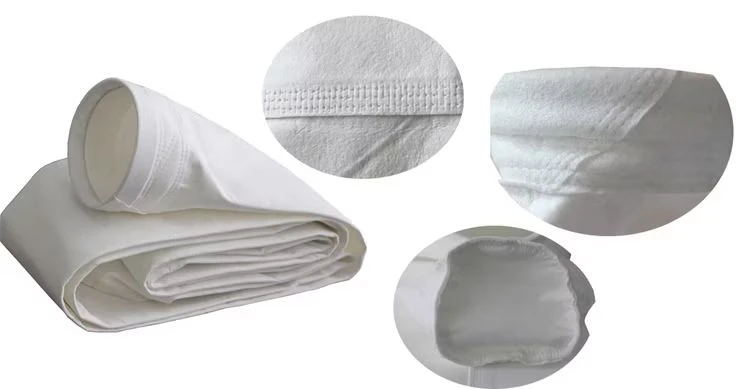
Polyester Filter Bags
Features
● Good abrasion resistance
● Excellent dimensional stability
● Cost-effective solution
● Suitable for dry operating conditions
Temperature Resistance
Typically up to 130°C (266°F).
Common Applications
● Cement plants
● Food processing
● Pharmaceutical industry
● Dust collection systems
● Powder coating filtration
Polyester filter bags perform especially well in environments with low moisture and moderate temperatures.
Polypropylene Filter Bags
Polypropylene filter bags offer excellent chemical resistance and are widely used for liquid filtration.
Features
● Resistant to acids and alkalis
● Low moisture absorption
● Lightweight and economical
● Excellent for chemical processing
Temperature Resistance
Usually up to 90°C (194°F).
Common Applications
● Chemical processing
● Electroplating
● Water treatment
● Ink and paint filtration
● Oil and lubricant filtration
Polypropylene is ideal when chemical compatibility is the primary concern.


Nylon Filter Bags
Nylon filter bags are known for their high strength and excellent wear resistance.
Features
● Smooth surface finish
● High tensile strength
● Excellent abrasion resistance
● Reusable and washable
Temperature Resistance
Typically around 120°C (248°F).
Common Applications
● Food filtration
● Beverage processing
● Paint filtration
● Industrial water filtration
● Mining industry
Nylon mesh filter bags are especially popular in applications requiring coarse filtration and repeated cleaning.
Nomex Filter Bags
Nomex filter bags are high-temperature filtration solutions designed for demanding industrial environments.
Features
● Excellent heat resistance
● Strong dimensional stability
● Good resistance to abrasion
● Flame-resistant properties
Temperature Resistance
Continuous operating temperature up to 200°C (392°F).
Common Applications
● Asphalt plants
● Steel industry
● Carbon black plants
● High-temperature dust collection
Nomex bags are commonly used where standard synthetic materials would fail due to heat exposure.


PTFE Filter Bags
PTFE filter bags provide superior chemical and thermal resistance.
Features
● Outstanding corrosion resistance
● Hydrophobic surface
● Non-stick properties
● Extremely long service life
Temperature Resistance
Up to 260°C (500°F).
Common Applications
● Chemical plants
● Waste incineration
● Pharmaceutical production
● Highly corrosive environments
Although PTFE filter bags are more expensive, they provide exceptional long-term performance in harsh operating conditions.
Filter Bag Micron Ratings Explained
Micron rating refers to the size of particles a filter bag can capture.
| Micron Rating | Filtration Capability | Typical Use |
|---|---|---|
| 1-5 Micron | Fine filtration | Pharmaceuticals, fine chemicals |
| 10-50 Micron | Medium filtration | Water treatment, paints |
| 100-200 Micron | Coarse filtration | Food processing, pre-filtration |
| 200+ Micron | Large particle removal | Industrial screening |
Selecting the correct micron rating is essential for balancing filtration efficiency and flow rate.
Common Filter Bag Styles
Mesh Filter Bags
Mesh bags provide surface filtration and are suitable for reusable applications.
Advantages
● Washable and reusable
● High flow rates
● Low pressure drop
Best For
● Large particle filtration
● Food industry
● Paint filtration


Felt Filter Bags
Felt filter bags use depth filtration to capture particles throughout the media thickness.
Advantages
● Higher dirt holding capacity
● Better fine particle retention
● Longer service intervals
Best For
● Fine dust collection
● Liquid filtration
● Industrial process filtration
Industries That Use Filter Bags
Filter bags are essential across many industries.
Water Treatment
Used for removing sediment, suspended solids, and contaminants from industrial water systems.
Food & Beverage
Applications include edible oil filtration, sugar processing, brewing, and dairy production.
Chemical Industry
Filter bags help remove impurities during chemical manufacturing processes.
Cement & Mining
Dust collector bags are used to control airborne particles and maintain environmental compliance.
Pharmaceutical Industry
High-precision filter bags help maintain product purity and process consistency.
How to Choose the Right Filter Bag
Selecting the right filter bag depends on several important factors.
Operating Temperature
Always choose a material capable of withstanding continuous operating temperatures.
Chemical Compatibility
Acids, alkalis, solvents, and oils can damage incompatible filter materials.
Particle Size
Choose the correct micron rating based on the contaminants being removed.
Flow Rate
Higher flow systems may require larger or multiple filter bags.
Filtration Efficiency
Different applications require different levels of filtration precision.
Reusability
Some mesh filter bags can be cleaned and reused multiple times, reducing operating costs.
Best Practices for Filter Bag Maintenance
Proper maintenance can significantly extend filter bag life and improve filtration performance.
Regular Inspection
Check for:
● Tears or holes
● Excessive clogging
● Chemical damage
● Uneven wear
Monitor Pressure Drop
A sudden increase in differential pressure may indicate blockage or saturation.
Proper Cleaning
Reusable filter bags should be cleaned according to the manufacturer's recommendations to avoid damaging the filter media.
Timely Replacement
Using damaged or overloaded filter bags can reduce filtration efficiency and harm equipment.
Common Problems and Solutions
| Problem | Possible Cause | Solution |
|---|---|---|
| Short filter life | Excessive temperature | Upgrade filter material |
| Low filtration efficiency | Incorrect micron rating | Choose finer filtration |
| High pressure drop | Clogged filter bag | Replace or clean filter |
| Chemical damage | Material incompatibility | Use chemically resistant media |
| Frequent bag failure | Improper installation | Reinstall correctly |
Future Trends in Filter Bag Technology
The filtration industry continues to evolve with advancements in materials and manufacturing technologies.
Key trends include:
● High-efficiency nanofiber filter media
● Energy-saving low-pressure filtration
● Longer-life PTFE membrane bags
● Sustainable and recyclable filtration materials
● Smart monitoring systems for predictive maintenance
These innovations help industries reduce costs, improve efficiency, and meet stricter environmental regulations.
Conclusion
Filter bags are essential components in industrial filtration systems across countless industries. From polyester and polypropylene to Nomex and PTFE, each material offers unique advantages depending on operating conditions and filtration requirements.
Understanding filter bag types, micron ratings, material compatibility, and maintenance practices can help businesses improve filtration efficiency, reduce downtime, and lower operating costs.
Whether you are working in water treatment, food processing, pharmaceuticals, or heavy industry, selecting the right filter bag is critical for achieving reliable and efficient filtration performance.