






1. Introduction
Selecting between SS304 and SS316 stainless steel wire mesh is a critical decision in industrial, architectural, and food-processing projects. While SS316 offers superior corrosion resistance, SS304 remains the most cost-effective solution in mild, indoor environments.
The ideal choice requires balancing upfront cost, long-term durability, maintenance requirements, environmental conditions, and application-specific performance. This article explores:
Specification considerations for wire mesh
Application-specific recommendations
Comparative cost analysis (material, installation, and lifecycle)
Cleaning and maintenance impact on alloy selection
Lifecycle modeling and decision matrices
By understanding these factors, engineers, procurement specialists, and facility managers can make informed, cost-effective, and technically sound alloy choices.
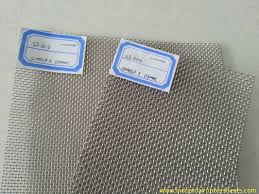

2. Wire Mesh Specification Considerations
Selecting the appropriate stainless steel mesh requires attention to multiple parameters:
2.1 Alloy Grade
SS304: Indoor, mild, or low-cost applications
SS316: Chloride-rich, acidic, marine, or high-sanitization environments
2.2 Mesh Count / Aperture
Fine mesh (≥400 mesh) requires higher ductility and minimal work hardening → 316 slightly easier for ultra-fine wires.
Coarse mesh can tolerate 304 if environmental exposure is mild.
2.3 Wire Diameter
Thinner wires (<0.3 mm) are more prone to corrosion and mechanical failure; molybdenum addition in SS316 improves durability.
2.4 Weld Type and Technique
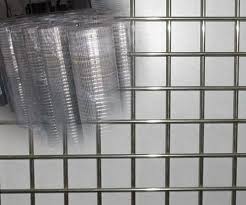
Welded Mesh: SS316L strongly recommended for chloride and acid resistance
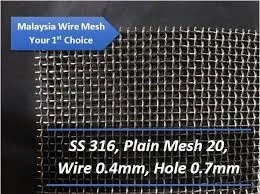
Woven Mesh: Both alloys acceptable if cleaning and environmental exposure are mild
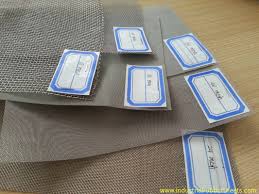
2.5 Surface Finish
Electropolishing and passivation enhance corrosion resistance, especially for SS316 in harsh environments.
2.6 Operational Environment
Indoor, dry → SS304 sufficient
Outdoor, coastal, chemical, food-processing → SS316 required
3. Material Cost Analysis
Initial material cost is a major factor in alloy selection:
3.1 Material Cost Table
|
Factor |
SS304 |
SS316 |
Notes |
|
Raw Material |
$$/kg |
$$/kg + 20–35% |
Varies with market price |
|
Availability |
High |
High |
Both readily available globally |
|
Fabrication Cost |
Low |
Slightly higher |
TIG/MIG welding similar; minor adjustments for 316 |
|
Surface Finishing |
Same |
Same |
Electropolishing optional |
Observation: While SS316 costs more upfront, lifecycle analysis often favors it in corrosive environments.
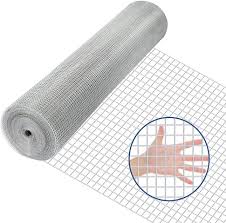
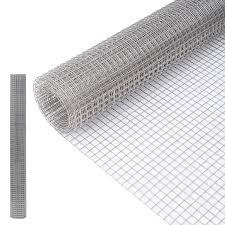
3.2 Installation Cost
Labor, welding, cutting, and mounting costs are nearly identical for both alloys.
Welded mesh joints require post-weld passivation, particularly for 316, which slightly increases labor.
4. Application Recommendations
Selecting the correct grade ensures structural integrity, reduced maintenance, and compliance with safety/hygiene regulations.
4.1 SS304 Recommended Applications
Indoor architectural mesh
Dry filtration systems
Bakery and cereal processing
Cleanroom mesh (non-saline)
Ventilation and air-handling screens
4.2 SS316 Recommended Applications
Marine and coastal installations
Food-processing brine tanks and seafood handling
Chemical plant filters
Pharmaceutical, CIP/SIP environments
Outdoor industrial fencing
High-sanitization equipment
Salt-laden and acidic washdown areas
Engineering Insight: For welded mesh exposed to chloride or acids, 316L is superior due to low carbon reducing intergranular corrosion.
5. Lifecycle Cost Evaluation
Lifecycle costs include:
Initial material and installation
Replacement frequency
Maintenance labor
Downtime or operational impact
5.1 Expected Service Life Table
|
Environment |
SS304 |
SS316 |
Notes |
|
Indoor dry |
20+ years |
20+ years |
Both alloys sufficient |
|
Outdoor mild |
8–12 years |
12–20 years |
316 lasts 1.5× longer |
|
Coastal / Salt spray |
3–5 years |
10–15 years |
SS304 fails quickly |
|
Chemical processing |
4–6 years |
10–14 years |
Frequent cleaning and acid exposure |
|
Brine / Seafood |
<3 years |
8–12 years |
Replacement of 304 frequent |
5.2 Total Cost Modeling
Scenario: Coastal fencing
SS304: $10,000 initial + $25,000 replacement in 3–5 years → Total 10-year cost ≈ $35,000
SS316: $13,000 initial, no replacement → Total 10-year cost ≈ $13,000
Conclusion: Though 316 costs more upfront, lifecycle cost is lower in harsh environments.
6. Cleaning & Maintenance Impact
Frequent cleaning, especially with acidic or chloride-containing agents, can accelerate corrosion of SS304.
6.1 Cleaning Chemical Compatibility Table
|
Chemical |
SS304 |
SS316 |
|
Alkaline detergent |
Excellent |
Excellent |
|
Acidic cleaner (citric, acetic) |
Moderate |
Excellent |
|
Chlorine solution |
Moderate |
Good |
|
Bleach |
Risk of pitting |
Moderate resistance |
|
Saltwater washdown |
Moderate |
Excellent |
Practical Note: For facilities using aggressive cleaning protocols, SS316 reduces downtime and avoids repeated replacements.
7. Specification Decision Matrix
|
Requirement |
Choose SS304 |
Choose SS316 |
|
Budget sensitive |
✅ |
- |
|
Long service life |
- |
✅ |
|
Severe environment |
- |
✅ |
|
Indoor non-corrosive |
✅ |
- |
|
High-sanitization |
- |
✅ |
|
Chloride exposure |
- |
✅ |
|
Brine/food processing |
- |
✅ |
|
Welded mesh for harsh chemicals |
- |
✅ |
Insight: Lifecycle, environmental exposure, and maintenance schedule outweigh initial cost in many cases.
8. Case Studies
8.1 Coastal Architectural Mesh
SS304: rusted and pitted within 18 months
SS316: intact for 12+ years
8.2 Food Processing Brine Conveyor
SS304: frequent wire replacement and downtime
SS316: minimal maintenance, improved hygiene
8.3 Chemical Filtration System
SS304: partial corrosion within 2–3 years
SS316: no detectable corrosion after 10 years
These examples reinforce that environmental exposure drives alloy selection.
9. Additional Design Considerations
Mesh Aperture: Smaller openings increase surface area → higher corrosion risk
Wire Diameter: Thinner wires are more sensitive; 316 is safer for very fine mesh
Welding: Electropolished 316L welds have superior longevity
Surface Finish: Passivation and electropolishing extend life in chemical/food applications
Mechanical Loads: Both alloys strong, but stress-corrosion cracking risk higher for 304
10. Summary Table: Alloy Selection for Wire Mesh
|
Factor |
SS304 |
SS316 |
Recommendation |
|
Indoor dry |
✅ |
✅ |
Both suitable |
|
Outdoor mild |
Moderate |
✅ |
316 recommended |
|
Coastal / marine |
Poor |
✅ |
316 essential |
|
Chemical processing |
Moderate |
✅ |
316 preferred |
|
Food industry (non-salt) |
✅ |
✅ |
Both acceptable |
|
Food industry (salt/brine) |
Poor |
✅ |
316 essential |
|
Welded mesh for harsh exposure |
Moderate |
✅ |
316L recommended |
|
Lifecycle cost |
Lower upfront |
Lower long-term |
Consider environment |
learn more:Corrosion Resistance & Environmental Durability of SS304 vs SS316 Stainless Steel Wire Mesh
11. Conclusion
SS304 is the cost-effective choice for indoor, dry, or mild applications.
SS316 is essential in marine, chemical, acidic, or high-sanitization environments.
Lifecycle cost, environmental exposure, cleaning frequency, and welded mesh requirements often justify the higher initial cost of SS316.
Proper alloy selection minimizes maintenance, extends mesh service life, and ensures regulatory and operational compliance.
Engineering Takeaway: For any chloride, acid, or high-humidity application, SS316 wire mesh is the industry standard. For mild, indoor environments where cost is critical, SS304 remains a reliable option.