



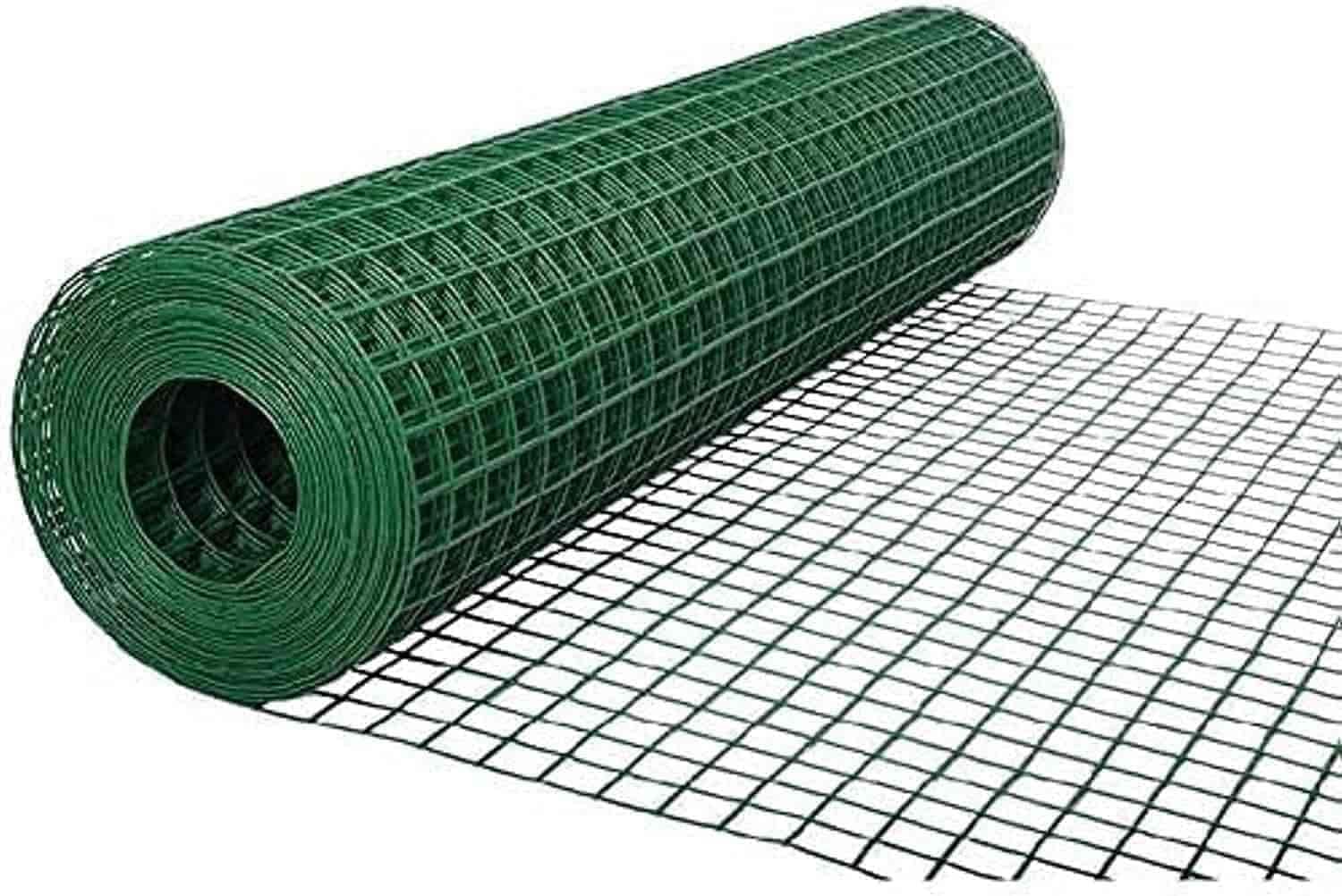
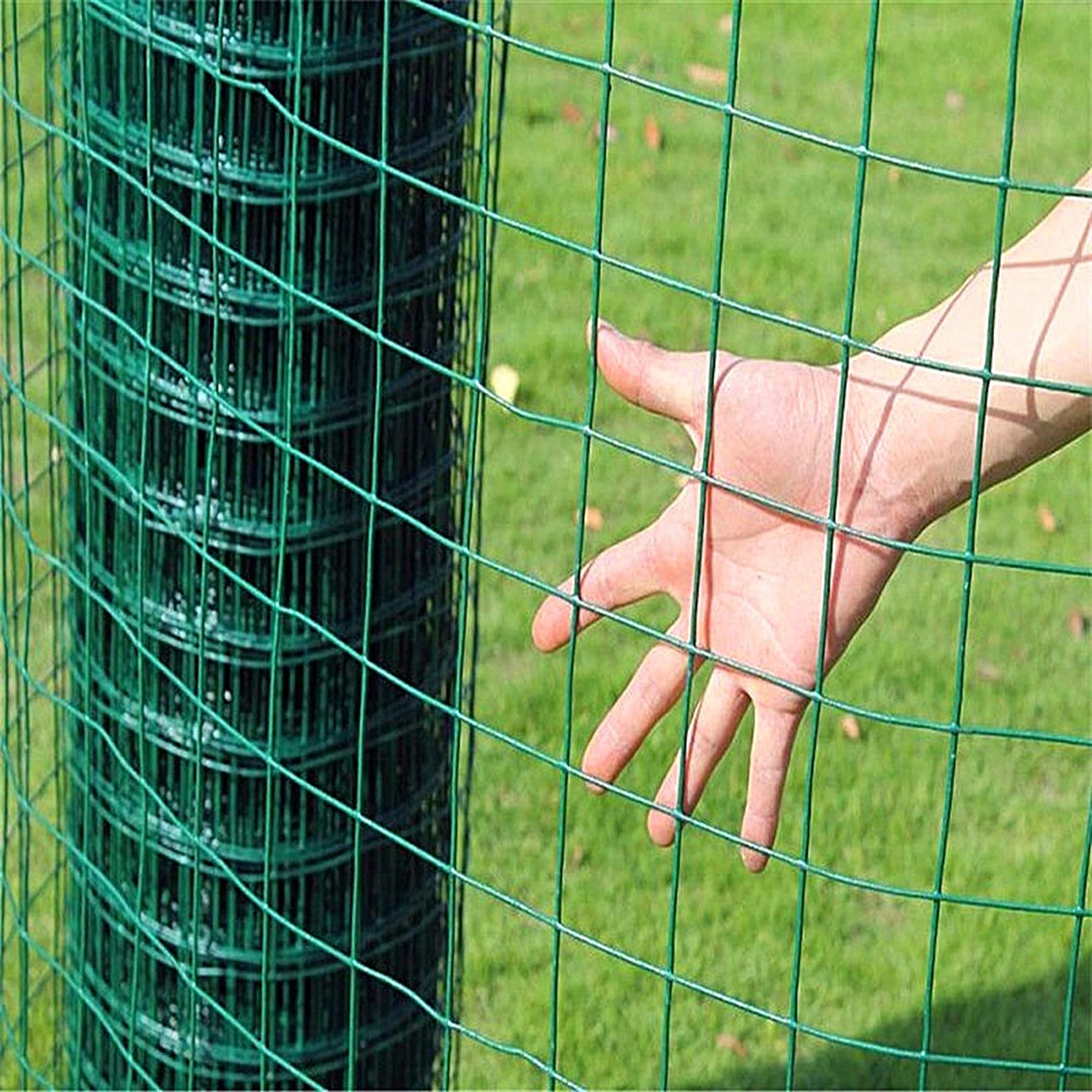
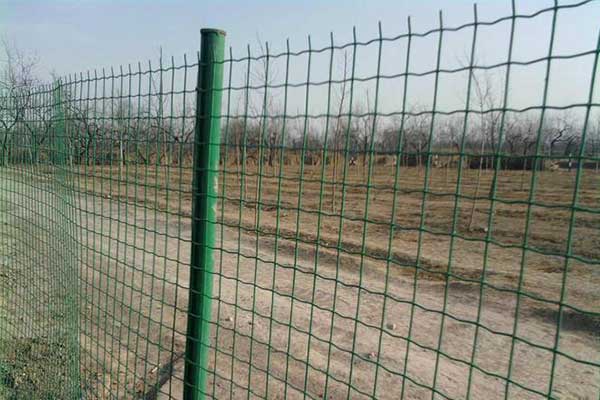
PVC coated wire mesh is widely used in animal enclosures, garden fencing, and various outdoor structures due to its durability, corrosion resistance, and aesthetic appeal. However, even the most resilient materials require proper maintenance to maximize their lifespan and functionality. In this guide, we explore practical strategies for inspecting, cleaning, repairing, and maintaining PVC coated wire mesh in outdoor environments, ensuring long-term performance while minimizing replacement costs.
Proper maintenance not only preserves the structural integrity of the mesh but also ensures the safety and well-being of animals or plants it protects. Neglecting routine care can lead to accelerated corrosion of underlying steel, reduced coating effectiveness, and overall deterioration of the enclosure.

Inspection and Early Detectioncription
Regular inspection is the first step in maintaining PVC coated wire mesh. Early detection of issues such as scratches, rust, or loose fittings can prevent more extensive damage and costly repairs. Outdoor exposure can subject the mesh to sunlight, moisture, temperature fluctuations, and physical impacts, all of which may gradually compromise its protective coating or structural integrity.
A structured inspection plan should include visual checks and physical testing:
● Visual inspection: Look for scratches, chips, fading, or coating discoloration.
● Structural assessment: Check for bent or sagging panels, loose fasteners, and broken welds.
● Environmental review: Identify areas prone to pooling water, high humidity, or abrasive contact with soil or vegetation.
Suggested Table: Common Inspection Issues and Recommended Actions
| Issue / Task | Recommended Action | Notes |
|---|---|---|
| Scratch / Coating Chip | Apply PVC touch-up paint | Prevent underlying steel corrosion |
| Bent / Sagging Panels | Realign or replace | Check after heavy snow or strong wind |
| Loose Fasteners | Tighten or replace | Monthly inspection recommended |
| Discoloration / Fading | Clean and assess coating | UV exposure may weaken PVC layer |
| Rust Spots on Uncoated Edges | Treat with rust inhibitor | Apply before repainting |
In addition to visual inspection, consider using a simple magnet or small probe to test for hidden rust or coating separation, especially along welds and corners. Documenting findings in a logbook or mobile app allows for trend tracking and early detection of recurring issues. Pay special attention to areas where animals frequently rub or climb, as these high-contact zones are more susceptible to scratches or coating wear. For larger enclosures, aerial inspection using drones or long poles can help identify sagging or deformation in hard-to-reach areas. Periodic comparison with baseline installation photos can help detect gradual changes that are not immediately visible during routine checks.
Cleaning and Surface Care
Even though PVC coated wire mesh is corrosion-resistant, accumulated dirt, debris, or organic material can affect its appearance and performance over time. Regular cleaning helps maintain both aesthetics and structural longevity.
Practical Cleaning Guidelines
Frequency: Clean at least once every three months in moderate climates, or more often in dusty, coastal, or high-pollution areas.
Methods:
● Use mild soap and water with a soft brush or sponge to remove dirt.
● Avoid abrasive tools or harsh chemicals that could damage the PVC coating.
● Debris removal: Clear leaves, mud, and organic matter that can trap moisture against the mesh.
● Preventive care: After cleaning, rinse thoroughly and inspect for small coating cracks or scratches.
Suggested Table: Cleaning Methods and Recommendations
| Cleaning Method | Suitable For | Frequency | Notes |
|---|---|---|---|
| Soap and Water | General dirt & dust | Every 3 months | Gentle brush to avoid scratches |
| Pressure Wash | Heavy dirt or pollen | Twice a year | Use low pressure to protect PVC |
| Vinegar Solution | Mold or mildew | As needed | Rinse thoroughly afterward |
| Lubricate Hinges / Fasteners | Doors or gates | Every 6 months | Maintains smooth operation and prevents rust |
Regular cleaning also helps prevent long-term UV damage and fading, especially in areas with strong sunlight exposure. Over time, UV-resistant PVC coatings may slightly discolor but will still maintain protective properties if well-maintained.
For coastal or industrial areas where airborne salt or pollutants accumulate, it is advisable to rinse the mesh with fresh water more frequently to prevent long-term chemical degradation. Lightly polishing the PVC surface with a soft cloth after washing can enhance appearance and reduce dust accumulation. For stubborn algae, mildew, or bird droppings, a diluted bleach solution may be applied carefully, followed by thorough rinsing to prevent coating damage. Installing guttering or drainage at the base of the enclosure can also prevent water pooling that accelerates rust formation along edges. Regular preventive cleaning ensures both aesthetic appeal and structural protection, extending the service life of the mesh.
Repair and Protective Measures
Even with proper cleaning and inspection, minor damage can occur due to environmental factors or accidental impact. Prompt repair ensures continued protection and structural stability.
● Scratch and Chip Repair: Apply touch-up PVC paint to prevent steel exposure and rust formation.
● Panel Straightening: Bent or sagging sections should be carefully realigned or replaced to maintain the fence's rigidity and appearance.
● Fastener Maintenance: Tighten or replace loose screws, bolts, and clips to avoid structural weaknesses.
● Seasonal Protection: During winter or stormy seasons, check for ice or snow buildup that can bend or stress panels. Consider temporary supports for critical sections.
Proper protective measures prolong the functional life of PVC coated wire mesh and reduce long-term maintenance costs.
For areas experiencing frequent mechanical stress from animals or environmental forces, consider applying additional PVC patch coatings to reinforce edges or corners. Replacing small damaged sections promptly prevents larger structural compromises. Using corrosion-resistant fasteners and periodically tightening them ensures panel rigidity. For outdoor enclosures exposed to direct sunlight, UV-protective sprays can further enhance coating longevity. During winter, protective tarps or temporary windbreaks can reduce snow and ice accumulation, while in summer, shading vulnerable panels helps prevent warping or fading. Regular minor repairs prevent costly large-scale replacements.
Seasonal Maintenance Tips
Outdoor wire mesh faces unique challenges depending on the season. Structured seasonal care can prevent common issues:
● Spring: Inspect for rust spots or damage caused by winter weather. Clean accumulated debris and check gate operation.
● Summer: Monitor for UV fading or warping due to heat. Apply protective coatings if necessary.
● Autumn: Remove fallen leaves and prevent moisture buildup. Check fencing near soil contact for corrosion risks.
● Winter: Protect against ice and snow accumulation. Reinforce any panels under stress and check for fastener loosening due to contraction and expansion.
Seasonal attention ensures that PVC coated wire mesh maintains its strength, appearance, and safety throughout the year.
Seasonal Maintenance Checklist
| Season | Maintenance Task | Recommended Frequency | Notes |
|---|---|---|---|
| Spring | Inspect for winter damage | Once | Check fasteners, coating, and structure |
| Summer | UV inspection and cleaning | Once | Prevent fading or surface cracks |
| Autumn | Debris removal & moisture control | Twice | Clear leaves, check soil contact |
| Winter | Reinforce panels & remove snow | As needed | Avoid deformation from ice or snow |
Maintaining surrounding landscaping is also essential. Trim branches to prevent abrasion and falling debris from damaging the mesh. Ensure the ground around the fence slopes away to avoid water pooling near posts. In high-traffic zones, rotating animals to different sections can prevent excessive wear on specific panels. After extreme weather events such as storms or heavy snowfall, conduct a detailed inspection to detect subtle bends, fastener loosening, or coating stress. Planning a seasonal inspection schedule alongside regular cleaning and repairs ensures that the enclosure remains structurally sound and visually appealing year-round.
Conclusion
Maintaining PVC coated wire mesh in outdoor environments is essential for ensuring both its longevity and functionality. Regular inspection, cleaning, timely repairs, and seasonal attention not only preserve the structural integrity of the mesh but also protect the animals, plants, and property it safeguards. By proactively addressing minor scratches, bends, rust spots, or fastener issues, owners can prevent costly replacements and avoid potential safety hazards.
Cleaning routines, particularly in high-exposure environments such as coastal areas or industrial zones, help maintain the mesh's aesthetic appeal while preventing chemical or UV-related degradation. Protective measures, including touch-up coatings, panel straightening, and seasonal reinforcements, further extend the service life of the material, ensuring reliable performance through extreme weather conditions. Moreover, integrating thoughtful landscaping and proper drainage management reduces environmental stressors, keeping the mesh in optimal condition.
In summary, PVC coated wire mesh offers a durable, corrosion-resistant, and visually appealing solution for animal enclosures, garden fencing, and other outdoor structures. However, its long-term effectiveness depends on consistent and thorough maintenance practices. Implementing a structured inspection, cleaning, and repair schedule allows property owners to maximize the investment in their enclosures while ensuring safety, functionality, and longevity. By combining preventive care with timely corrective actions, PVC coated wire mesh can continue to deliver reliable performance for many years, making it an ideal choice for both residential and commercial applications.