






Stainless steel filters are widely used in demanding industrial environments where corrosion resistance, mechanical strength, and long service life are essential. However, selecting the correct stainless steel grade is not always straightforward. Different grades behave differently under temperature, chemical exposure, pressure variation, and particulate characteristics. Choosing the wrong material may lead to rapid corrosion, premature failure, or unstable filtration quality.
This guide provides a detailed breakdown of how to evaluate stainless steel grades for industrial filtration. Whether you work in chemicals, pharmaceuticals, food processing, oil & gas, or water treatment, understanding grade selection will help you maximize filter performance, cut downtime, and ensure compliance with process standards.
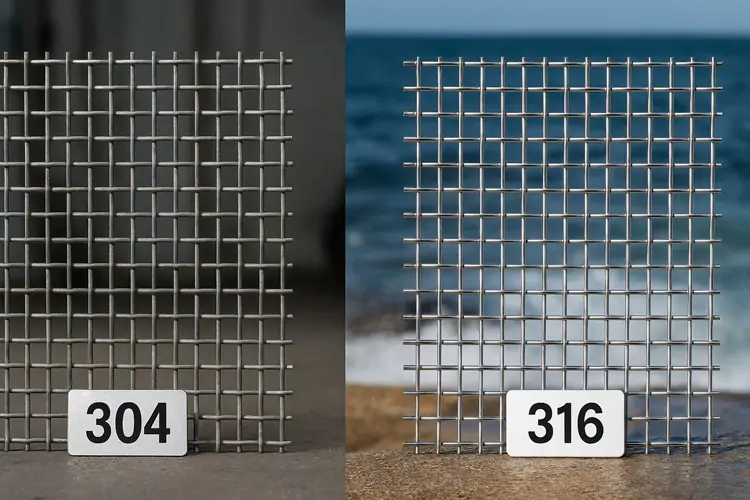
Understanding the Performance Characteristics of Common Stainless Steel Grades
Mechanical Strength and Structural Stability Across Grades
Mechanical strength is a key factor when choosing stainless steel filters, particularly in high-pressure or high-flow systems. Grades like 316 and 316L deliver excellent tensile strength and maintain structural integrity under fluctuating pressure cycles, making them ideal for pump-driven systems and continuous operation environments. In contrast, 304 stainless steel is strong but slightly less resilient under aggressive mechanical stress, especially when particles impact the filter surface at high velocity. Applications involving backwashing, vibration, or rapid pressure changes benefit from stronger alloys like 321 or 310S, which resist creep and deformation at elevated temperatures. Understanding how each grade behaves under stress conditions allows operators to select a filter that will withstand long-term mechanical demands without warping, cracking, or collapsing.
Corrosion Resistance and Chemical Compatibility
Corrosion resistance is one of the primary reasons stainless steel filters outperform synthetic or mild steel alternatives. Grade 316/316L, with added molybdenum, provides superior protection against chlorides, saltwater, acids, and aggressive cleaning chemicals. This makes it a top choice for chemical processing, marine environments, and food applications where sanitation agents can be harsh. Meanwhile, 304 offers good general corrosion resistance but may degrade faster in chloride-rich or acidic environments. Specialty grades like 904L or duplex stainless steels deliver even higher resistance for extreme chemical exposure. Selecting the wrong grade can lead to pitting, crevice corrosion, or structural thinning, so always match the material's corrosion resistance to your process chemistry.
Temperature Resistance and Long-Term Thermal Stability
High-temperature filtration requires stainless steel grades capable of maintaining strength and resisting oxidation. Grade 310S is specifically engineered for elevated temperatures, maintaining excellent stability even above 1000°C. Grade 321, stabilized with titanium, resists carbide precipitation during prolonged heating, making it a reliable choice for thermal cycling environments. In contrast, 304 and 316 stainless steels are sufficient for moderate temperatures but may lose strength or form scaling under extreme heat. Applications such as hot gas filtration, thermal oil systems, or high-temperature chemical reactions must consider the thermal profile of the stainless steel grade to prevent heat-related degradation and ensure consistent filtration performance.
Matching Stainless Steel Grades to Industrial Operating Conditions
Selecting Grades for High-Pressure and High-Velocity Systems
Industrial systems with elevated pressure or rapid flow movement require stainless steel grades with high tensile strength and excellent fatigue resistance. Grades like 316L and 321 maintain stable performance under continuous load and can withstand mechanical vibration from pumps or compressors. High-velocity fluids containing abrasive particles can also wear down weaker materials, leading to surface erosion or mesh deformation. Choosing a grade with proper hardness and durability ensures that the filter maintains its geometry, pore size, and efficiency over extended operation. Proper material selection in high-pressure environments is essential to avoid catastrophic failures and maintain consistent filtration outcomes.
Choosing the Right Grade for Aggressive Chemical Environments
Chemical compatibility is often the decisive factor in grade selection. For acidic, caustic, or chloride-rich fluids, 316L is typically the minimum requirement due to its enhanced molybdenum content. Applications involving strong acids, oxidizing agents, or disinfectants may require 904L or duplex grades to prevent pitting and stress corrosion cracking. In contrast, neutral or mildly corrosive liquids such as potable water or lubricating oils can use 304 without compromising lifespan. By understanding the chemical characteristics of the process fluid, operators can avoid rapid material degradation, reduce maintenance frequency, and ensure long-term system reliability.
Selecting Grades for Hygienic and Sanitary Applications
Food, beverage, and pharmaceutical industries require stainless steel grades that resist contamination, support easy cleaning, and meet hygienic standards such as FDA and EU regulations. Grade 316L is the industry standard due to its superior corrosion resistance and ability to withstand aggressive cleaning cycles, including CIP and SIP processes. Its low carbon content reduces the risk of surface contamination or scaling. While 304 is sometimes used in non-critical zones, its lower resistance to cleaning chemicals can make it unsuitable for high-sanitation applications. Selecting the right grade ensures compliance with hygiene protocols and preserves product purity.
Evaluating Cost, Availability, and Lifecycle Considerations
Balancing Initial Material Cost with Long-Term Performance
Although stainless steel filters represent a higher upfront investment compared to polymer or mild steel filters, choosing the correct grade significantly reduces lifetime operational costs. Higher-grade materials like 316L or duplex stainless steels may cost more initially but provide superior corrosion resistance and durability, resulting in fewer replacements, less downtime, and lower total maintenance expenditure. In contrast, selecting a cheaper grade unsuitable for the operating environment can lead to premature failure and higher long-term costs. Evaluating lifecycle cost rather than initial expense helps ensure sustainable filtration performance.
Availability of Specific Grades and Its Impact on Lead Time
Not all stainless steel grades are equally stocked or readily available worldwide. Grades like 304 and 316/316L are widely produced and accessible with minimal lead time. Specialty materials-such as 904L, duplex alloys, or 310S-may require extended delivery periods depending on regional supply chains. This availability factor is critical when planning system upgrades, replacements, or large-scale installations. Choosing a widely available grade can prevent project delays and help maintain consistent production schedules while still meeting performance requirements.
Estimating Service Life Based on Material Properties
The expected service life of a stainless steel filter depends heavily on the material grade, operating conditions, and exposure to chemical or thermal stress. For example, 316L may last significantly longer than 304 in chloride-containing environments due to its superior corrosion resistance. Higher-grade alloys also better resist fatigue, thermal cycling, and mechanical stress. By estimating material longevity, operators can design maintenance schedules, predict replacement intervals, and ensure uninterrupted operation. A grade with a longer service life often results in improved reliability and lower lifecycle costs.
Cost Analysis and ROI of Stainless Steel Filter Systems
| Cost Factor | Description | Impact on ROI |
|---|---|---|
| Initial Investment | Includes housing, filter media, installation | Higher upfront but longer lifespan |
| Operating Costs | Energy consumption, flow resistance, cleaning | Lower than disposable systems |
| Maintenance Frequency | Cleaning intervals and part replacement | Less frequent → higher savings |
Understanding Initial Investment Costs
The initial investment for stainless steel filter systems is typically higher compared to disposable or polymer-based filtration solutions. This cost includes the stainless steel housing, filter media, necessary fittings, and installation labor. However, what makes this investment worthwhile is the durability and long operational life of the materials. Stainless steel filters can withstand extreme temperatures, corrosive fluids, and high pressures, significantly reducing the likelihood of damage or early failure. When evaluating cost, companies should consider the long-term performance stability and reduction in replacement cycles. While other filtration methods may appear cheaper upfront, they often require frequent replacements or generate performance issues that lead to equipment downtime. By contrast, stainless steel filters provide a stable and predictable operational lifespan, making the initial investment easier to justify within long-term budgeting and procurement planning.
Long-Term Operating Costs and Energy Savings
One of the most important advantages of stainless steel filters is their lower long-term operating cost. Because they offer high structural strength and excellent permeability, stainless steel media tends to maintain more consistent flow rates as contaminants accumulate. This reduces the energy burden on pumps and allows the system to operate closer to optimal efficiency for longer periods. Additionally, stainless steel filters are compatible with backwashing, ultrasonic cleaning, and steam sterilization, reducing the need for frequent manual intervention. These cleaning methods extend the usable life of the filter media and minimize filter changeouts. Over time, reduced maintenance labor, improved energy efficiency, and fewer system interruptions translate into measurable cost savings. For industrial plants where operational uptime is a critical metric, stainless steel filters provide substantial financial benefits.
Calculating ROI for Stainless Steel Filtration Systems
ROI for stainless steel filters should not be measured solely by upfront cost comparison. Instead, companies should evaluate cost per operating hour, cost per filtered volume, and downtime reduction. Stainless steel filters often outperform disposable filters by lasting several years instead of weeks or months. Additionally, their ability to be cleaned and reused dramatically lowers replacement expenses. Improved system reliability also means fewer shutdowns, lower risk of equipment wear, and better product quality consistency. When these factors are combined-longer service lifespan, reduced maintenance, fewer replacement purchases, and stable filtration performance-the ROI typically surpasses alternate options. Many industries find that stainless steel filters recover their initial cost within months, especially in high-volume or continuous-flow systems.
For a complete understanding of stainless steel filter categories, applications, construction methods, and performance factors, you can return to our main guide:
Comprehensive Guide to Stainless Steel Filters: Types, Applications, and Benefits.