






Introduction
In modern filtration technology-across laboratories, pharmaceuticals, chemical processing, environmental analysis, food & beverage, and industrial uses-nylon filters have become a go-to solution. Their combination of mechanical strength, chemical compatibility, hydrophilicity, and reliability make them highly versatile. According to the description by a manufacturer of nylon filters, such filters are often made from polyamide (nylon), and are available as membranes, cartridges, or discs. They offer high mechanical strength, durability, low extractables, and compatibility with aqueous and many organic solutions.
This article offers a deep dive into nylon filters: what they are; how they work; their advantages and limitations; their major applications; how to choose and use them properly; and practical tips and considerations to maximize performance and lifespan.
1. What Are Nylon Filters?
1.1 Materials and Construction
Material: Nylon filters are typically made from synthetic polymer polyamide (often Nylon-66 or other polyamide variants).
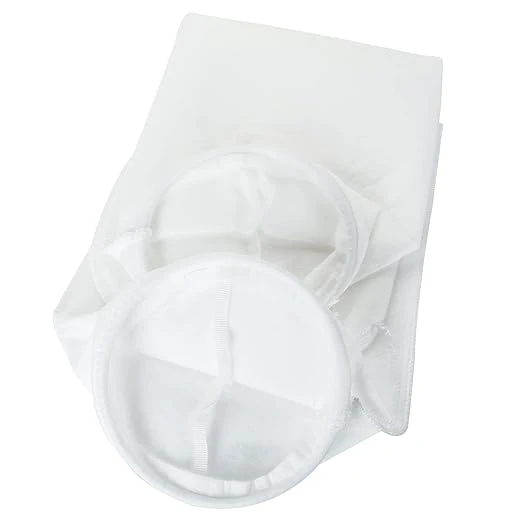
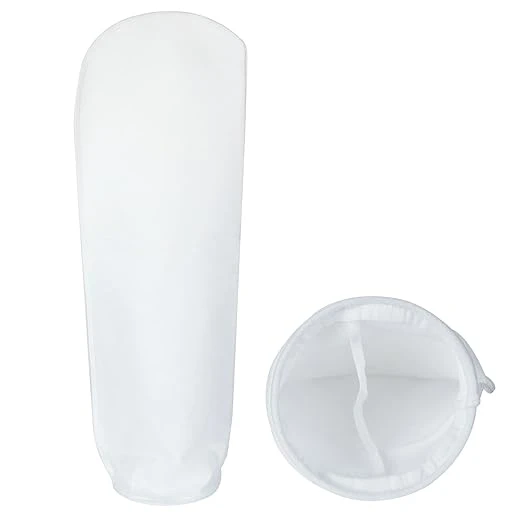
Forms: They come in various forms: membrane filters (flat discs, sheets), cartridges, capsules, syringe filters, and mesh/mesh-net filters.
Pore / Mesh Size Range: Nylon membranes and meshes cover a wide pore size / opening range. For instance, woven nylon mesh filters may have mesh openings from as low as ~ 10 µm up to over 1000 µm, depending on the weave, while microporous nylon membranes may have pore sizes as fine as 0.1–0.2 µm.
Hydrophilicity: Nylon is naturally hydrophilic, which means it readily wets with water and aqueous solutions. That property is advantageous for liquid filtration, especially for water-based or polar-solvent-based solutions.
Mechanical Properties: Nylon filters (membranes/mesh) have good mechanical strength - they resist tearing, punctures, and mechanical stresses during filtration, making them robust for typical lab or industrial filtration tasks.
Chemical Compatibility: Nylon filters offer wide chemical compatibility: many aqueous solutions, organic solvents, alcohols, and moderately aggressive solutions (depending on concentration) can be filtered.
Thus, nylon filters combine physical robustness, chemical versatility, and hydrophilicity - making them suitable for many filtration challenges.
2. Key Advantages of Nylon Filters
Here are the primary benefits of nylon filters that explain their widespread use.
2.1 Broad Chemical Compatibility
Nylon filters are compatible with a wide variety of solvents - aqueous, alcoholic, many organic solvents - and can tolerate a range of chemical conditions (within the polyamide's compatibility limits).
This flexibility enables nylon filters to be used in:
Water-based solutions
Alcohols / polar organic solvents
Many process chemicals
Mixed aqueous–organic systems
Because of this, they are widely used across chemical processing, pharmaceutical, solvent filtration, environmental testing, and general laboratory workflows.
2.2 Hydrophilicity & Ease of Wetting
Nylon's natural hydrophilicity eliminates (or greatly reduces) the need for extensive pre-wetting prior to liquid filtration. This simplifies workflow and reduces time - especially important in sterile filtration, sample prep, or rapid lab operations.
-
This property is especially useful when filtering aqueous solutions, buffers, media, or other hydrophilic fluids.
2.3 Mechanical Strength, Durability & Thermal Stability
Nylon membranes and meshes are robust: they resist tear, puncture, mechanical stress, and pressure during filtration.
Additionally, many nylon filters support moderate thermal exposure, enabling autoclaving or heat-based sterilization in many cases (depending on configuration).
Their durability makes them suitable for repeated use or demanding filtration scenarios (e.g., solvent filtration under pressure, repeated sterilization cycles).
2.4 Wide Range of Pore / Mesh Sizes
Because nylon filters are available in a wide variety of pore sizes (from sub-micron membranes to coarse woven meshes), they offer flexible filtration: from sterile filtration or fine particulate removal, to coarse pre-filtration, debris removal, or mesh screening.
This makes nylon filters a versatile "one material" solution for multiple stages of filtration, reducing the need to stock multiple material types.
2.5 Low Extractables & Sample Integrity
Good-quality nylon filters tend to have low extractables / leachables - meaning they do not introduce significant contaminants into the filtrate. That is critical in sensitive applications like pharmaceutical manufacturing, HPLC/GC sample prep, biological sample filtration, environmental testing, etc.
Low extractables translate to minimal interference with downstream analysis or processes, preserving sample integrity.
2.6 High Flow Rates & Efficient Filtration
Thanks to good mechanical strength, compatible pore geometries, and stable structures, nylon filters can deliver relatively high flow rates with reasonable pressure drop, especially when properly selected (pore size, filter format, etc.).
This efficiency is beneficial for large-volume filtration, industrial processes, or routine lab/quality-control work.
read more:Mastering Nylon Filter Selection, Maintenance, and Optimization: Best Practices for All Application
3. Typical Applications of Nylon Filters
Because of the combination of advantages above, nylon filters are widely used across diverse industries and applications. Below are some of the main use cases.
|
Application Area |
Specific Uses of Nylon Filters |
Why Nylon is Suited |
|
Pharmaceutical / Biotechnology |
Sterile filtration of APIs, antibiotics, vaccine precursors; buffer & media sterilization; bioreactor feed filtration |
Hydrophilicity, low extractables, chemical compatibility, sterilizable membranes/cartridges |
|
Chemical Processing & Solvent Filtration |
Filtration of organic solvents, reaction mixtures, cleaning solutions, process streams in chemical plants |
Chemical resistance, solvent compatibility, robust mechanical strength |
|
Food & Beverage |
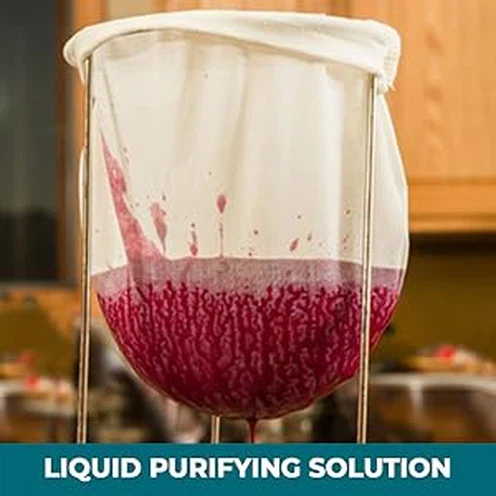
Clarification/filtration of juices, wines, beers, syrups; removal of particulates, microbes, yeast; filtration in beverage processing |
Good for aqueous and some organic solutions; low extractables; range of pore sizes for coarse/fine filtration |
|
Laboratory & Analytical Work |
HPLC / GC sample preparation, buffer filtration, environmental water or solvent sample prep, microbiology pre-filtration |
Sterilizable, low leachables, hydrophilic membranes, fine pore sizes (e.g. 0.22 µm, 0.45 µm) for microbial removal or fine particulate separation |
|
Environmental & Water Testing |
Water quality monitoring, pollutant or particulate sampling, sample pre-filtering, environmental labs, wastewater pre-filtration |
Wide chemical and solvent compatibility; fine pore-size membranes; robustness under varied environmental conditions |
|
Industrial Filtration & Solvent Handling |
Filtration of oils, lubricants, paints/coatings, inks, solvents in petrochemical, paint, coating, or automotive industries |
Chemical compatibility, mesh/ pore size flexibility, cost-effectiveness vs. metal filters |
These wide-ranging applications underscore how versatile nylon filters are, especially when compared to more specialized filter materials.
4. Limitations and Considerations When Using Nylon Filters
No filter material is perfect. While nylon offers many advantages, it also has limitations and conditions where it may not be ideal.
4.1 Chemical / Solvent Compatibility Is Not Universal
Although nylon is compatible with many solvents, acids, bases, and solutions, not all chemicals are compatible. Strong acids or highly aggressive solvents may degrade polyamide. Users must verify compatibility (consult chemical-compatibility charts) before using nylon filters for aggressive chemical environments.
In some cases, more chemically-resistant filter materials (e.g., PTFE) may be required.
4.2 Moderate Thermal & Pressure Limits
While nylon membranes generally offer reasonable thermal stability and some can withstand sterilization (e.g., autoclaving) or elevated temperatures, they are not suitable for very high-temperature or extremely high-pressure filtration.
For applications requiring extreme thermal or pressure resistance, metal or ceramic filters may be better.
4.3 Potential Protein Binding / Bio-Compatibility Concerns (Some Types)
Although many nylon membranes advertise low extractables, in certain biological or protein-rich workflows protein binding may occur (depending on membrane treatment/finish).
For applications where protein yield or bioactive recovery is critical (e.g., enzyme filtration, biological drug filtration), alternative low-binding membranes might be preferred, or validated recovery tests should be performed.
4.4 Fouling / Clogging with Particulate or Viscous Fluids
With samples high in suspended solids, colloids, or viscous fluid (e.g., slurries, dense suspensions, oils with particulates), nylon membranes can foul quickly, leading to decreased flow, increased pressure drop, or even filter rupture.
In such cases, pre-filtration (coarse filters or screens), serial filtration, or alternative filter media may be required.
4.5 Limited Longevity in Harsh Solvent or Acidic / Highly Reactive Environments
Repeated exposure to aggressive chemicals, or aggressive cleaning protocols, may degrade nylon over time, leading to shortening of lifespan or performance degradation. It is essential to review chemical-compatibility charts and consider periodic replacement or use of alternative materials.
5. How to Choose the Right Nylon Filter - Key Selection Criteria
Selecting an optimal nylon filter requires balancing application needs, fluid properties, and performance requirements. Below is a decision-support framework.
Table 1. Nylon Filter Selection Criteria
|
Selection Factor |
Why It Matters |
Guideline / Consideration |
|
Pore Size / Mesh Size |
Determines particle/contaminant size cut-off |
Use smaller pores (0.22 µm–0.45 µm) for sterile or fine filtration; larger mesh (10–100+ µm) for coarse solids or debris |
|
Form Factor (membrane disc, cartridge, syringe filter, mesh screen) |
Affects volume, flow rate, maintenance, usability |
For small-volume lab use → membranes or syringe filters; for high-volume / industrial → cartridges or mesh screens |
|
Chemical Compatibility |
Prevents filter degradation or sample contamination |
Check solvent/acid/base compatibility charts; avoid high-strength acids/halogens if possible; test first when uncertain |
|
Flow Rate & Pressure Requirements |
Ensures efficient filtration without damage |
For high flow or pressure, choose robust cartridge formats or larger area membranes; avoid overstressing small discs |
|
Hydrophilicity / Wettability |
Impacts ease of use and priming |
Nylon hydrophilic membranes are good for aqueous / polar solutions; ensure complete wetting before filtration |
|
Extractables / Leachables Sensitivity |
Critical in pharma, analytical, biotech |
Use low-extractables nylon, ideally with manufacturer COA; validate in matrix of interest |
|
Compatibility with Downstream Process |
Avoids downstream contamination or interference |
For solvent-sensitive processes (e.g. HPLC, chromatography), validate filter compatibility and cleanliness |
|
Cost and Reusability Considerations |
Affects lifecycle cost and environmental impact |
Nylon meshes & robust cartridges often reusable; membranes/syringe filters often single-use |
Using this framework helps ensure that the selected nylon filter will perform reliably and cost-effectively for the intended application.
6. Best Practices & Tips for Using Nylon Filters
Based both on manufacturer recommendations and general filtration best practices, here are tips to maximize performance, lifespan, and reliability of nylon filters.
6.1 Pre-Filtration (Pre-filtering)
Whenever the sample fluid has large particles, debris, or high turbidity, it is advisable to use a coarse pre-filter (e.g., 5–100 µm mesh, or simple screen) ahead of the nylon filter. This reduces load on the nylon filter, extends its life, and prevents rapid clogging.
6.2 Verify Chemical Compatibility & Perform Small-Scale Test
Before scaling up, test the nylon filter with a small volume of the actual solution under the same temperature, pressure, and flow conditions. Check for:
Membrane degradation
Extractables or leachables
Clogging rate
Any interactions with solutes
Especially necessary when using strong solvents, acidic or basic solutions, or unusual chemical mixtures.
6.3 Pressure and Flow Monitoring
Operate within the manufacturer's recommended pressure / flow limits. Excess pressure or flow can cause mechanical stress, membrane rupture, or bypass leakage, compromising filtration performance.
6.4 Proper Wetting and Priming (for Membrane Filters)
Because nylon membranes are hydrophilic, they generally wet quickly - but for consistent performance, allow sufficient priming/wetting time before filtration. This reduces channeling or bubble formation which can degrade filtration quality.
6.5 Use of Cartridge or Capsule Filters for High-Volume or Repeated Filtration
For industrial or production-scale operations (solvent filtration, chemical processing, buffer sterilization), use nylon cartridge filters or capsule filters rather than small discs or syringe filters. Cartridges provide larger surface area, better mechanical stability, easier handling, and longer service life.
6.6 Regular Replacement or Maintenance in High-Load Environments
In applications with high particulate load, frequent solvent exposure, or repeated sterilization cycles, plan for regular filter replacement or maintenance. Overused or degraded filters risk failure, contamination, or inconsistent performance.
6.7 Documentation and Traceability (Especially in Regulated Industries)
For regulated industries (pharma, biotech, food/beverage), maintain documentation such as:
Certificate of Analysis (CoA) for membranes
Lot/batch numbers
Chemical compatibility records
Sterilization / cleaning logs
Filter change schedules
These ensure traceability, compliance, and quality assurance.
read more:Industrial and Laboratory Applications of Nylon Filters: A Deep Technical Overview
7. Common Types of Nylon Filters & Their Typical Use Cases
Here is a breakdown of typical nylon filter types and where they are best applied.
|
Filter Type |
Typical Pore / Mesh Range |
Best Use Case |
Remarks |
|
Membrane Disc Filters |
0.1 – 0.45 µm (microfiltration) |
Sterile filtration, buffer sterilization, microbiology, HPLC sample prep |
Excellent for fine particulate or microbial removal; disposable |
|
Syringe Filters (nylon membrane) |
0.2 – 5 µm |
Small-volume lab filtration, sample clarification |
Convenient, fast, but limited volume |
|
Cartridge / Capsule Filters |
0.2 µm up to coarse mesh depending on design |
Industrial-scale filtration: solvents, chemicals, water treatment, volume processing |
High capacity, durable, reusable (depending on solvent/chemistry) |
|
Woven or Mesh Nylon Net Filters |
10 µm – 1000 µm (or more) |
Pre-filtration: paint, ink, coatings, large-particle removal, debris screening |
Good for coarse filtration; reusable; low cost |
Selecting the correct filter type ensures efficient, cost-effective, and reliable filtration.
8. Why Nylon Filters Are Often Chosen Over Other Materials
Compared to some alternative filter materials (e.g., cellulose-based, PTFE, PES, glass fiber, stainless mesh), nylon filters present a strong balance of pros and cons. Here's a comparative outline.
Table 2. Nylon vs Typical Alternative Filter Materials
|
Material |
Strengths Compared to Nylon |
Weaknesses or Limitations vs Nylon |
|
Nylon (PA) |
Broad solvent and chemical compatibility; hydrophilic; low extractables; durable; wide pore range; cost-effective |
Moderate thermal/pressure limits; not universally chemical-resistant; requires careful compatibility check |
|
PTFE |
Very high chemical resistance; high-temperature stability |
Hydrophobic (needs pre-wetting), higher cost, may have lower flow rates for aqueous fluids |
|
PES / PVDF |
Good for protein binding or biomolecule recovery; some offer low-protein-binding variants |
Sometimes more expensive, limited solvent compatibility compared to nylon, sometimes hydrophobic requiring pre-wetting |
|
Cellulose / Cellulose Acetate |
Good for disposable, low-cost filters, sometimes high flow rates |
Lower chemical resistance; limited solvent compatibility; less durable; can degrade in some solvents |
|
Stainless Steel / Metal Mesh |
Very high temperature/pressure resistance; durable; reusable many times |
Higher cost, heavier, potential for metal contamination or corrosion in aggressive environments; may require more complex cleaning |
Because of this balance, in many processes-especially where moderate chemical aggressiveness, aqueous or mixed-solvent compatibility, moderate to high flow, and reliability are needed-nylon emerges as an optimum choice.
9. Practical Case Scenarios Illustrating Nylon Filter Use
Here are several real-world-style scenarios illustrating how nylon filters are applied, and what design decisions arise.
Case 1: HPLC Sample Preparation in Analytical Laboratory
Problem: A lab must prepare hundreds of aqueous and partially organic solvent samples for HPLC. There is risk of particulate contamination damaging the column.
Solution: Use nylon membrane syringe filters (0.22 or 0.45 µm) to remove particulates and protect the HPLC column. Nylon's hydrophilicity ensures quick priming, and chemical compatibility handles solvents. Low extractables guarantee sample purity.
Outcome: Reduced column downtime, improved chromatogram consistency, minimal sample contamination.
Case 2: Solvent Filtration in Chemical Manufacturing
Problem: A chemical plant needs to filter a polar organic solvent solution (mixture with water and alcohol) containing particulate contaminants, before a batch reaction.
Solution: Install a nylon cartridge filter (appropriate pore size) upstream of reaction vessel. Nylon's solvent compatibility, chemical resistance, and mechanical strength make it suitable.
Outcome: Reliable filtration, no filter degradation, safe downstream reaction.
Case 3: Food & Beverage Clarification
Problem: A fruit juice production line needs to clarify juice (remove pulp, suspended solids) without altering flavor or introducing contaminants.
Solution: Use nylon mesh or membrane filters sized appropriately (e.g. ~5–50 µm depending on clarity requirement). The hydrophilic, food-safe nature of nylon makes filtration efficient without affecting taste.
Outcome: Clear product, stable filtration, minimal flavor impact, compliance with food safety standards.
Case 4: Environmental Water Testing / Microbiology
Problem: Water samples from field need to be filtered to capture bacteria, particulates, etc., before analysis.
Solution: Use 0.22 µm nylon membrane filters for sterile-type filtration, then culture or analyze captured particulates/microbes.
Outcome: Reliable microbial / particulate capture, stable membranes, minimal contamination, reproducible results.
10. Tips to Optimize Nylon Filter Usage & Avoid Common Pitfalls
Based on industry experience and technical data, here are practical recommendations when using nylon filters:
Always Align Filter Pore Size with Target Particle / Contaminant Size
Choosing too coarse a pore may let unwanted particles pass; too fine a pore may clog quickly.
Use Pre-Filtration for High-Load or High-Sediment Fluids
A coarse pre-filter or mesh filter upstream significantly extends nylon filter lifespan.
Check Chemical Compatibility Before Use
Even though nylon is broadly compatible, always verify with manufacturer's chemical compatibility charts-especially for solvents, acids/bases, or unusual reagents.
Monitor Pressure, Flow, and Filter Integrity
Do not exceed manufacturer's pressure limits; monitor for leaks, pressure drop, or unusual flow resistance.
Handle Ethanol / Alcohol Solutions With Care
When filtering mixed solvents, ensure that the nylon membrane is rated for the specific mixture.
Use Cartridge or Capsule Filters for Large Volumes or Continuous Processes
Disc or syringe filters are fine for small-scale or batch filtering; for continuous or large-volume filtration, cartridges are more robust and economical.
Follow Proper Cleaning / Sterilization Procedures (if Reusable)
Autoclave or chemical sterilization must be compatible with nylon and validated to avoid degradation.
Maintain Traceability / Documentation in Regulated Use Cases
For pharma, biotech, or food use - maintain batch records, Certificates of Analysis (CoA), lot numbers, and ensure compliance with relevant regulations.
Discard or Replace Filters After Clogging or Saturation
Filters past their useful life may pass contaminants or lose integrity; do not overextend use beyond recommended cycles.
11. Summary Comparison: Nylon Filters vs Other Filter Types (Membranes, Meshes, PP, PTFE, etc.)
Here's a comparative overview summarizing where nylon filters excel and where they are limited compared to other common filter types.
Table 3. Comparison of Filter Materials
|
Criterion |
Nylon Filter |
PTFE / PVDF Membrane |
Cellulose / CA Membrane |
Stainless Steel Mesh |
|
Chemical / Solvent Compatibility |
Good (wide solvent range; many aqueous & alcoholic solvents) |
Excellent (almost all solvents/chemicals) |
Poor–Moderate (limited solvents) |
Excellent (broad chemical/temperature) |
|
Hydrophilicity / Wetting |
Hydrophilic - easy wetting |
Hydrophobic (unless treated) - requires pre-wetting |
Hydrophilic |
Depends on mesh/finish |
|
Mechanical Strength & Durability |
High (robust, tear-resistant) |
Moderate–High but brittle in some cases |
Low–Moderate |
Very High (rigid, reusable) |
|
Pore/Mesh Size Range |
Very wide (0.1 µm to >1000 µm) |
Fine (ultra- to microfiltration) |
Fine / medium (microfiltration) |
Wide (coarse to medium) |
|
Cost |
Moderate |
Higher |
Low–Moderate |
High (but reusable) |
|
Extractables / Leachables |
Low (good purity) |
Very low (depending on grade) |
Moderate–High |
Potential for metal leaching / corrosion |
|
Temperature/Pressure Resistance |
Moderate (autoclaving possible) |
High (depending on membrane) |
Low–Moderate |
Excellent |
|
Typical Use Cases |
Aqueous / solvent filtration; lab; pharma; chemical; food & beverage; environmental |
Aggressive chemical filtration; extreme solvent systems; sterilization |
Disposable or inexpensive filtration; non-solvent aqueous filtration |
High-temperature or high-pressure filtration; coarse particulate filtration; reuse |
This table underscores why nylon is often considered the "balanced" choice - good across many criteria, though not perfect in extreme conditions.
12. Conclusion & Recommendations
Nylon filters offer a highly balanced, versatile filtration solution. Their combination of:
broad chemical compatibility,
hydrophilicity,
mechanical strength,
wide pore / mesh size range,
low extractables,
cost-efficiency
makes them suited to a broad spectrum of applications, from lab-scale sterile filtration to large-scale chemical or solvent processing, from food & beverage clarification to environmental water sampling.
However - as with any filter material - success depends on correct selection, correct use, and correct maintenance. Users should carefully match the filter type (membrane, cartridge, mesh) and pore size to the application, pre-filter when needed, monitor pressure and flow, document use (especially in regulated environments), and replace the filter when it shows signs of clogging or degradation.
When to choose nylon filters:
You need a versatile, cost-effective, robust filter for aqueous or moderately aggressive solvent systems.
You want hydrophilic filtration (especially for water, buffers, aqueous solvents).
You need low leachables, minimal contamination, and reliable performance.
Your application spans laboratory, pharmaceutical, chemical, food/beverage or environmental testing.
When to consider alternatives:
If you filter very aggressive solvents, strong acids/bases, or require extreme temperature/pressure resistance → consider PTFE, metal, or specialized membranes.
If you have high particulate load or abrasion risk → consider mesh pre-filters or stainless-steel mesh.
If sample recovery (e.g., proteins) is critical and low-binding is essential → validate or consider alternative low-protein-binding membranes (e.g., PES, PVDF, low-binding PTFE, etc.).