






Pre-filtration is one of the most effective ways to extend bag filter life, reduce clogging, and maintain stable flow rates. Whether you work in chemicals, wastewater treatment, food & beverage, or paints & coatings, adding the right pre-filtration step can significantly lower operating costs and improve filtration efficiency. This guide explores actionable strategies that protect your main filter bags and ensure smoother system performance.

Why Pre-filtration Matters in Liquid Filtration Systems
Bag filters are designed to capture fine and mid-size particles, but when they receive excessive solids, fibers, gels, or oversized debris, they clog prematurely. Pre-filtration removes this burden. By removing contaminants early, the main filter bag experiences slower loading, lower differential pressure, and longer service life.
Reducing Particle Load Before It Reaches the Filter Bag
Many industrial liquids contain a wide range of particle sizes. Without pre-filtration, oversized contaminants quickly block the bag's pores, causing rapid pressure increase and reduced flow rate. Using strainers, coarse screens, or basket filters helps trap these larger solids, thereby preventing sudden clogging events.
Smoothing Out Flow Variations
High particle fluctuations often cause unstable flow and inconsistent filtration quality. Pre-filters act as stabilizers by catching major solids upfront, allowing the downstream bag filter to work under more predictable load conditions. This leads to more consistent output quality and fewer interruptions.
Reducing Equipment Wear and Tear
Pre-filtration plays a crucial role in protecting pumps, valves, and other downstream equipment by removing large or abrasive particles before they reach sensitive components. In industrial processes, oversized solids or sharp debris can cause scratching, erosion, or clogging, which may lead to frequent maintenance requirements, premature equipment failure, and increased operational costs. By introducing a pre-filtration step, operators can capture these materials upstream, significantly reducing wear and tear on the entire system. This proactive approach not only prolongs the life of pumps and valves but also minimizes unscheduled downtime, improves system reliability, and reduces maintenance labor and spare part expenses. Consistent monitoring and maintenance of pre-filters further enhance protection and ensure that main filter bags perform optimally without being subjected to unexpected particle surges. Ultimately, pre-filtration contributes to a more predictable operating environment and enhances the overall efficiency of liquid processing systems.
Enhancing Process Efficiency and Product Quality
Pre-filters stabilize flow rates and maintain consistent pressure across main bag filters, preventing short-circuiting and ensuring uniform contaminant capture within the media. High particle fluctuations or sudden spikes in solids can disrupt filtration performance, causing inconsistent product quality or increased reprocessing costs. Pre-filtration reduces the load on primary filters, allowing them to operate under predictable conditions and maintain optimal retention efficiency. This results in fewer interruptions, more consistent output, and improved operational efficiency. In applications such as food processing, pharmaceuticals, and coatings, maintaining clarity, purity, and chemical consistency is critical. Properly designed pre-filtration systems can also reduce energy consumption by avoiding excessive pump strain caused by clogged filters. By combining flow stabilization with early contaminant removal, pre-filters provide a dual benefit: protecting equipment while ensuring the end product meets stringent quality standards.
Typical Liquids and Recommended Pre-filtration Solutions
| Liquid Type | Recommended Pre-filter | Mesh Range | Typical Applications |
|---|---|---|---|
| High-fiber liquids | Coarse Mesh Screen | 10–20 mesh | Pulp slurry, textile wastewater |
| High solid content liquids | Stainless Steel Basket Strainer | 30–100 mesh | Coatings, mining slurries, chemicals |
| Viscous liquids | Multi-layer Metal Screen | 20–60 mesh | Food pastes, resin solutions |
| General industrial liquids | Combination Filter | 50–80 mesh | Industrial cleaning fluids, circulation water |
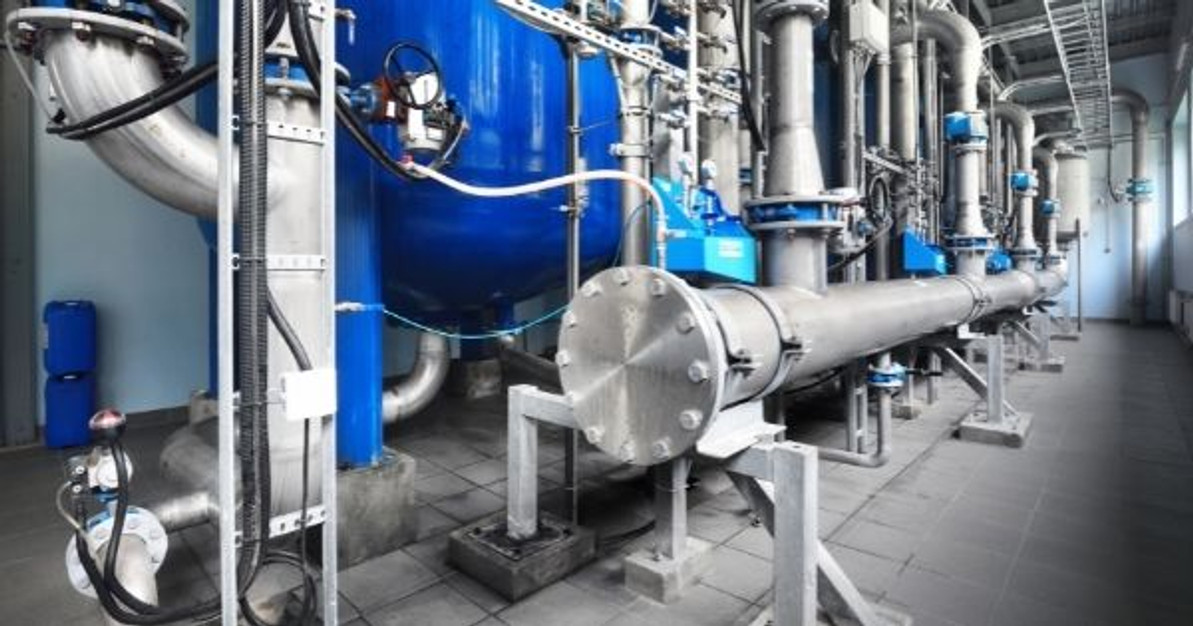
Common Pre-filtration Options and Their Applications
Different industries and liquids require different pre-filtration solutions. Choosing the right one depends on viscosity, solid concentration, particle characteristics, and flow requirements.

Stainless Steel Basket Strainers for Heavy Solids
Basket strainers with 30–100 mesh stainless steel inserts are ideal for coatings, mining slurries, and chemical applications with heavy or irregular solids. They remove large contaminants before the liquid reaches the finer bag filter, dramatically reducing clogging frequency.

Coarse Mesh Screens for Viscous or Fiber-Rich Fluids
Liquids containing fibers, gels, or semi-solid materials can prematurely blind filter bags. Coarse screens-such as 10–20 mesh-break down clumps and remove fibrous contaminants early, helping the downstream filter maintain normal flow.
Selecting Pre-filters Based on Particle Size Distribution
Effective pre-filtration begins with a detailed understanding of the particle size distribution in your process liquid. Larger particles should be removed with coarse mesh screens or basket strainers, while finer particles may require multi-stage pre-filtration. Without proper sizing, oversized solids can reach the main bag filter, causing rapid clogging and increased differential pressure. By analyzing the particle spectrum, operators can select pre-filters that optimize protection and maintain stable flow, without imposing excessive resistance. Correctly chosen pre-filters reduce maintenance requirements, extend bag filter service life, and improve overall filtration efficiency. This approach is particularly important in industries with highly variable solid loads, such as wastewater treatment, chemical processing, and food production, where unplanned shutdowns can be costly.
Considering Flow Rate and System Pressure
The operating flow rate and system pressure significantly impact pre-filter selection. High-flow systems require pre-filters with large surface areas to avoid excessive pressure drops, while low-pressure systems cannot tolerate overly fine pre-filters. Selecting a pre-filter that balances protection and flow stability is essential for ensuring that the main bag filter performs efficiently. Excessive pressure drop across the pre-filter reduces flow and can force pumps to work harder, increasing energy consumption and operational costs. Conversely, undersized pre-filters may allow large particles through, leading to rapid bag filter wear. Pre-filter design should also account for variations in flow and transient pressure spikes, ensuring consistent protection under dynamic operating conditions. By maintaining proper flow and pressure, pre-filtration maximizes system reliability, reduces downtime, and safeguards product quality.
Common Pre-filtration Equipment Specifications
| Equipment Type | Max Flow (m³/h) | Operating Pressure (bar) | Advantages | Limitations |
|---|---|---|---|---|
| Basket Strainer | 50–500 | 1–10 | Handles large particles, durable | Large footprint |
| Coarse Mesh Screen | 10–200 | 0.5–5 | Low cost, flexible installation | Prone to clogging, frequent cleaning required |
| Multi-layer Metal Screen | 20–300 | 2–8 | Multi-stage protection, high efficiency | Higher cost, complex maintenance |
| Combination Filter | 30–250 | 1–6 | Versatile, suitable for various liquids | Initial design requires precise calculation |

Best Practices for Implementing Effective Pre-filtration
Installing a pre-filter is not enough; it must be correctly selected, sized, and maintained to protect the bag filters efficiently.
Match the Pre-filter Micron Rating to the Main Filter Bag
A common mistake is choosing pre-filters that are too fine, which causes unnecessary pressure drop. The ideal pre-filter micron rating should be 3–5 times larger than the main filter bag's rating.
Example:
● Main bag filter: 25 micron
● Recommended pre-filter: 80–120 micron
This combination provides optimal protection without compromising flow.
H3: Establish a Scheduled Cleaning or Replacement Routine
Pre-filters accumulate solids much faster than main filter bags. To prevent upstream pressure spikes, operators should implement regular cleaning or replacement intervals. A fixed maintenance schedule avoids unexpected stoppages and helps maintain stable pressure and flow.
Monitoring Differential Pressure Across the Pre-filter
Monitoring differential pressure upstream and downstream of the pre-filter is essential for assessing particle accumulation and potential clogging. Gradual increases indicate normal loading, while sudden spikes may signal blockages or equipment issues. Consistent monitoring allows operators to plan cleaning or replacement intervals before the pre-filter impacts the main bag filter. By maintaining optimal differential pressure, pre-filters prevent system strain, extend bag filter lifespan, and reduce maintenance-related downtime. Pressure gauges, data logging, and automated alerts enhance monitoring accuracy and support proactive maintenance schedules. Operators should regularly inspect and document pressure trends to identify abnormal patterns early, ensuring reliable filtration performance over extended periods.
Evaluating Pre-filter Material Compatibility
Pre-filters must be chemically and mechanically compatible with process fluids. Stainless steel is preferred for high-temperature or corrosive liquids, while coated metals or plastics may be suitable for mild chemicals. Selecting appropriate materials ensures pre-filter durability, reduces the risk of chemical degradation, and prevents premature failure. Material choice also affects cleaning methods, maintenance frequency, and service life. By carefully matching pre-filter materials to process conditions, operators protect both the pre-filter and the main bag filter, optimize filtration efficiency, and maintain consistent product quality.
Conclusion
Implementing effective pre-filtration strategies is essential for extending the service life of bag filters and maintaining stable system performance. By removing large particles, fibers, and gels before they reach the main filter bag, pre-filters reduce differential pressure, prevent clogging, and minimize wear on downstream equipment. Consistent monitoring, scheduled cleaning, and selecting appropriate micron ratings ensure that pre-filters provide reliable protection, reduce maintenance costs, and improve operational efficiency across industries such as chemicals, food & beverage, coatings, and wastewater treatment.
Careful consideration of pre-filter type, material compatibility, and flow requirements further enhances filtration performance and product quality. Stainless steel baskets, coarse mesh screens, and multi-layer screens each offer unique advantages depending on particle size, fluid viscosity, and chemical exposure. By integrating pre-filtration into the filtration system design, operators can achieve more predictable flow, reduced energy consumption, and consistent end-product clarity, ultimately safeguarding both the main filter bags and the overall production process.