






Filter bags are critical for maintaining liquid filtration efficiency across industries such as chemicals, food & beverage, pharmaceuticals, coatings, and wastewater treatment. Regular inspection and testing ensure that bags perform as designed, prevent contamination, and avoid unexpected downtime. This guide provides a practical checklist for inspecting, testing, and maintaining filter bags, helping operators optimize service life and maintain consistent filtration quality.

Why Regular Inspection Matters
Routine inspection of filter bags helps identify early signs of wear, contamination, or structural failure before they impact system performance. Ignoring visual and functional checks can result in reduced flow rates, increased differential pressure, product contamination, or even downstream equipment damage.
Detecting Physical Damage Early
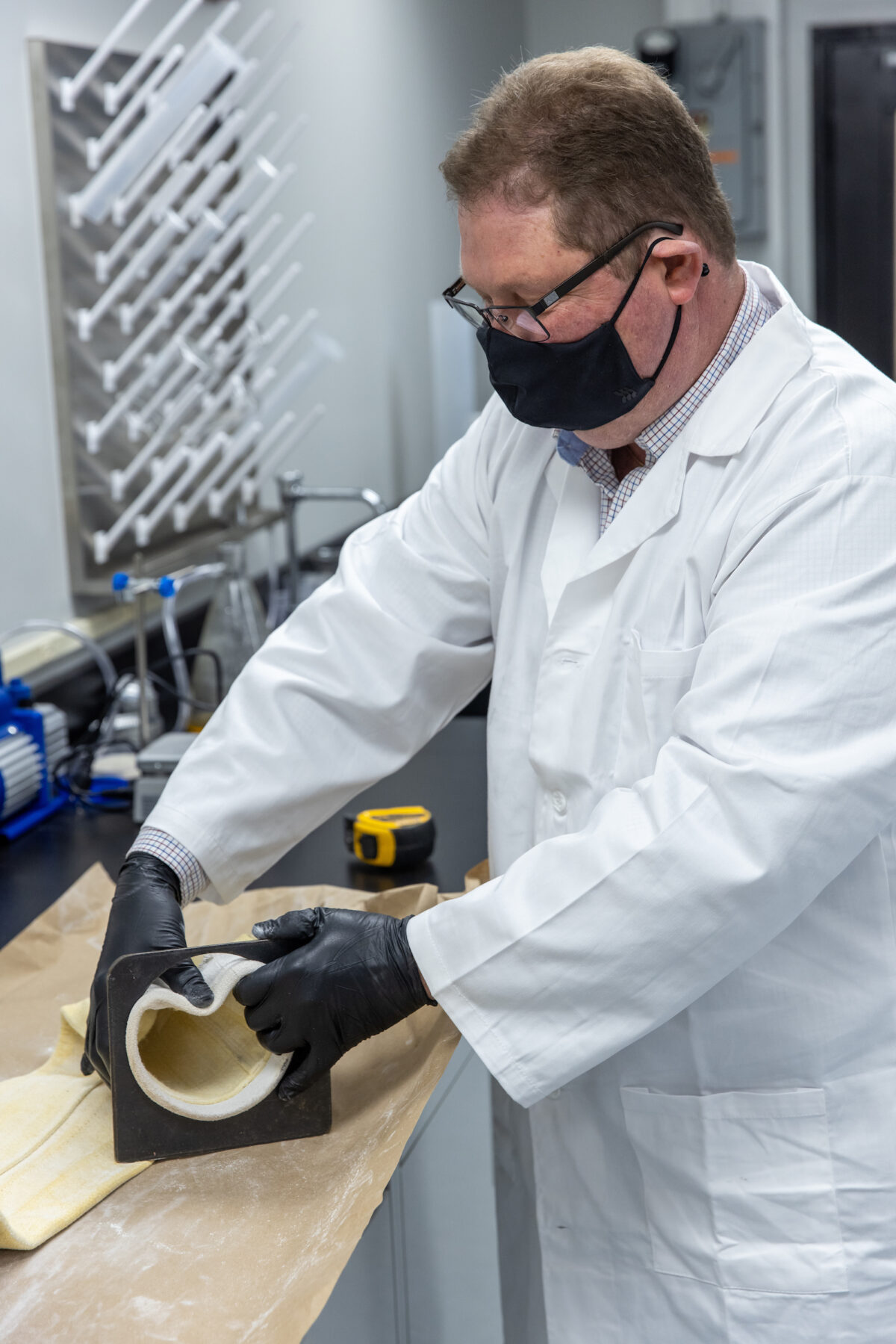
Filter bags are subject to pressure fluctuations, chemical exposure, and mechanical stress, which can cause tears, punctures, or thinning. During inspection, carefully examine the media for small holes, frayed edges, or structural deformation. Early detection of these issues prevents contaminants from bypassing the filter and ensures consistent product quality. Operators should handle bags gently, avoid sharp tools, and use appropriate lighting to spot subtle defects that might otherwise be missed.
Identifying Media Saturation and Clogging
Even without visible tears, filter bags may be saturated with particulates that reduce flow efficiency. Inspect the color, surface texture, and stiffness of the media. Heavily darkened or hardened sections indicate clogging and potential loss of filtration capacity. Regularly monitoring saturation levels and replacing bags when they exceed recommended limits helps maintain differential pressure within safe operating ranges and prolongs the life of both the filter and associated equipment.
Essential Testing Procedures for Filter Bags
Testing filter bags ensures that they meet micron ratings, flow requirements, and chemical compatibility standards. Combining visual inspections with functional tests provides a complete assessment of bag condition.
Differential Pressure Testing
Measure the pressure drop across the filter under standard operating conditions. A rising differential pressure can indicate clogging, saturation, or improper seating. Record readings at regular intervals and compare with baseline values to track performance degradation. Sudden spikes or inconsistent readings signal that the bag should be replaced or that system adjustments are needed to prevent damage.
Flow Rate and Filtration Efficiency Checks
Evaluate the flow rate and perform particle retention tests to confirm that the filter bag is effectively capturing contaminants. Reduced flow rates, combined with particle breakthrough in downstream samples, indicate declining filter performance. Regularly testing ensures that replacement occurs proactively, protecting product quality and preventing strain on pumps, valves, and other downstream equipment.
Tools and Equipment for Effective Inspection
Having the right tools makes inspection and testing faster, safer, and more accurate. A standard toolkit includes visual aids, pressure gauges, flow meters, and sample collection containers.
Visual Inspection Tools
Flashlights, magnifying glasses, and inspection cameras help detect fine tears, fiber degradation, and saturation. High-resolution cameras can document the condition of bags for maintenance records, enabling trend analysis and predictive replacement scheduling. Proper illumination ensures that subtle defects are identified before they compromise filtration performance.
Testing Instruments and Measurement Devices
Pressure gauges, differential manometers, and calibrated flow meters are essential for monitoring filter performance. Collecting and analyzing data allows operators to verify that bags meet design specifications and remain within safe operating limits. Recording test results also facilitates audits and quality assurance in regulated industries.

Recommended Inspection Schedule
A proactive inspection schedule minimizes the risk of unexpected downtime and ensures continuous filtration efficiency. Frequency depends on industry, fluid properties, and bag type.
Daily and Weekly Checks
High-risk processes, such as food, beverages, or corrosive chemicals, require frequent inspections. Daily visual checks combined with weekly flow and pressure measurements provide an early warning system for potential bag failure, helping operators maintain consistent production quality.
Monthly and Quarterly Evaluations
Comprehensive testing-including differential pressure tracking, particle retention analysis, and media condition documentation-should be performed monthly or quarterly. These evaluations complement regular maintenance routines and help adjust replacement schedules based on real-world performance data.
Sample Inspection Checklist Table
| Inspection Item | Frequency | Purpose | Notes |
|---|---|---|---|
| Visual Media Check | Daily | Detect tears, holes, saturation | Use proper lighting and handle gently |
| Differential Pressure Measurement | Weekly | Monitor clogging or flow restrictions | Record readings for trend analysis |
| Flow Rate Verification | Weekly | Ensure proper filtration performance | Compare with baseline values |
| Particle Retention Test | Monthly | Verify micron rating effectiveness | Collect downstream samples |
| Bag Seating and Seal Check | Daily | Prevent bypass of unfiltered liquid | Ensure proper installation |
Advanced Inspection Techniques
Using Ultrasonic or Dye Penetrant Tests
Ultrasonic testing and dye penetrant methods help detect microscopic tears, pinholes, or delamination that are invisible to the naked eye. Ultrasonic waves can reveal irregularities in fiber thickness or structural inconsistencies within filter bags, while dye penetrants highlight cracks and stress points on the media surface. Applying these advanced techniques during routine maintenance enables early identification of potential failures, reduces the likelihood of contaminant bypass, and prolongs bag lifespan. Documenting test results also supports quality audits and predictive maintenance planning.
Thermal Imaging for Hot or Chemical Processes
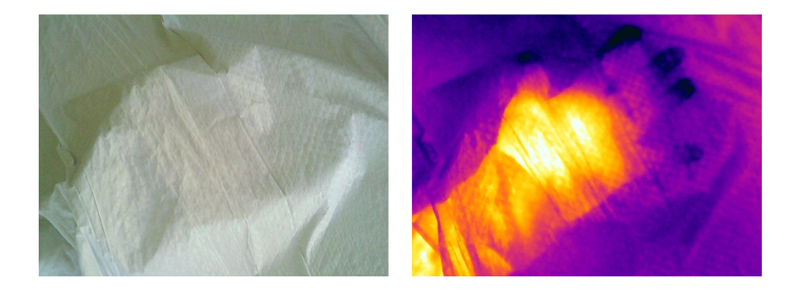
Thermal imaging can identify hotspots, irregular flow, or areas of chemical degradation in operating filter housings. Uneven temperatures may indicate localized clogging, media thinning, or internal chemical reactions that compromise filter integrity. Operators can use infrared cameras to scan filter bags in situ without removing them, ensuring non-invasive monitoring. This approach is particularly useful in high-temperature applications, chemical processing, or solvent-heavy environments where standard visual inspections are insufficient.

Microscopic Fiber Analysis
Microscopic examination of fibers allows detailed assessment of wear, swelling, or chemical attack. Samples collected from filter bags can be analyzed under a microscope to detect early-stage degradation, fiber alignment issues, or pore structure changes. This level of inspection is critical in industries requiring precise particle retention, such as pharmaceuticals or high-purity chemical processing. By monitoring fiber conditions, operators can proactively replace media before noticeable performance decline occurs.
Documentation and Record-Keeping
Maintaining Inspection Logs
Keeping detailed records of inspections, tests, and observed anomalies helps track filter bag performance over time. Logs should include inspection dates, test results, media type, operational conditions, and any corrective actions taken. This systematic record-keeping supports predictive maintenance and helps identify recurring issues or patterns that may require changes in operational parameters.
Creating a Digital Database
Digitizing inspection records allows for easier data analysis, trend recognition, and reporting. By storing information in a database, operators can generate performance charts, identify failure rates, and correlate media degradation with specific operational conditions. This proactive approach helps in adjusting replacement schedules and selecting more suitable materials for future processes.
Compliance and Audit Readiness
Documented inspection and testing procedures demonstrate compliance with industry standards and regulations. Maintaining accurate records ensures that audits, quality checks, or regulatory reviews can be completed efficiently. Well-documented maintenance routines also provide operators with confidence in filter performance, reducing the risk of unexpected failures and ensuring consistent product quality.
Sample Maintenance Schedule Table
| Task | Frequency | Purpose | Notes |
|---|---|---|---|
| Visual Media Inspection | Daily | Detect physical damage | Use proper lighting, inspect carefully |
| Differential Pressure Check | Weekly | Monitor clogging | Record readings for trend analysis |
| Flow Rate Measurement | Weekly | Ensure consistent filtration | Compare against baseline values |
| Particle Retention Test | Monthly | Verify micron accuracy | Collect downstream samples |
| Ultrasonic/Dye Test | Quarterly | Detect microscopic defects | Non-destructive, preventive |
| Thermal Imaging | Quarterly | Identify hotspots/clogging | Useful for hot or chemical processes |
| Microscopic Fiber Analysis | Semi-Annual | Detect early fiber degradation | Supports predictive maintenance |

Troubleshooting Common Filter Bag Issues
Identifying Flow Restrictions
Flow restrictions in filter bags often result from excessive particle buildup, collapsed media, or improper seating. Operators should monitor differential pressure and flow rate to detect these issues early. Identifying the root cause helps determine whether cleaning, repositioning, or replacing the bag is necessary. Preventive troubleshooting reduces downtime and maintains consistent filtration quality.
Addressing Media Tears or Punctures
Even small tears or punctures in filter media can allow contaminants to bypass the bag, compromising downstream processes. Visual inspections combined with dye penetrant or microscopic testing can detect these defects early. Timely intervention prevents contamination, equipment wear, and potential regulatory non-compliance.
Correcting Chemical or Thermal Damage
Filter bags exposed to aggressive chemicals or temperature extremes may become brittle, warped, or discolored. Regular inspection and testing allow operators to identify chemical attack or thermal degradation before performance declines. Selecting compatible media and implementing protective measures ensures the bag maintains structural integrity and filtration efficiency.
Conclusion
Regular inspection and testing of filter bags are essential to maintaining reliable, high-quality filtration in industrial processes. By implementing a structured checklist-including visual inspections, differential pressure monitoring, flow rate measurements, and advanced techniques like ultrasonic testing or microscopic fiber analysis-operators can identify potential issues early. This proactive approach helps prevent unexpected failures, reduces contamination risks, and extends the operational life of the filter bags, ultimately saving costs and minimizing downtime.
Additionally, thorough documentation and record-keeping support predictive maintenance and compliance with industry standards. Maintaining logs, creating digital databases, and tracking trends over time allow operators to make informed decisions regarding bag replacement and preemptive corrective actions. By combining proper inspection, testing, and record management, facilities can ensure consistent filtration performance, protect downstream equipment, and maintain product quality across demanding applications.