





In high-tonnage liquid-solid separation, pressure leaf filtration systems operate under continuous hydraulic stress, abrasive solids loading, and frequent pressure cycling. While the active wire cloth layer is responsible for particle retention and cake building, it is also the most vulnerable component in the assembly. Exposure to hard mineral slurry, severe pre-coat erosion, or accidental mechanical impact can cause localized mesh tears long before the underlying drainage core reaches the end of its operational life.
For facilities operating fully welded or permanently crimped panels, a localized mesh failure usually means taking the leaf out of service and shipping it back to the manufacturer for factory re-meshing or scrapping the unit entirely. This introduces inventory overhead, high freight costs, and prolonged operational downtime.
This technical guide explores the mechanics of Multi-Layer Bolted & Clamped Wire Cloth Filter Leaves, analyzing perimeter compression forces, fastener locking under vibration, structural stress distribution, and lifecycle maintenance optimization for the industrial filter leaf.
To review foundational alloy selections, weave mechanics, and baseline panel specifications across our complete product family, visit our foundational [Stainless Steel Filter Leaf].
Mechanics of Perimeter Clamping & Uniform Mesh Tension
The primary structural requirement of a bolted filter leaf is maintaining continuous, leak-proof perimeter compression without causing localized stress concentrations or wire shearing along the clamping boundary.
Pressure Distribution along Clamping Bars
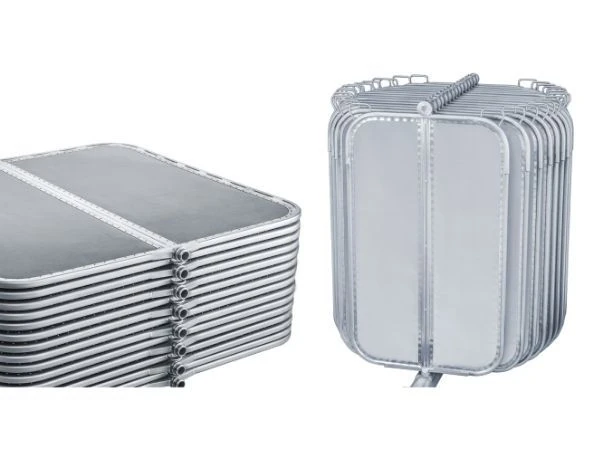
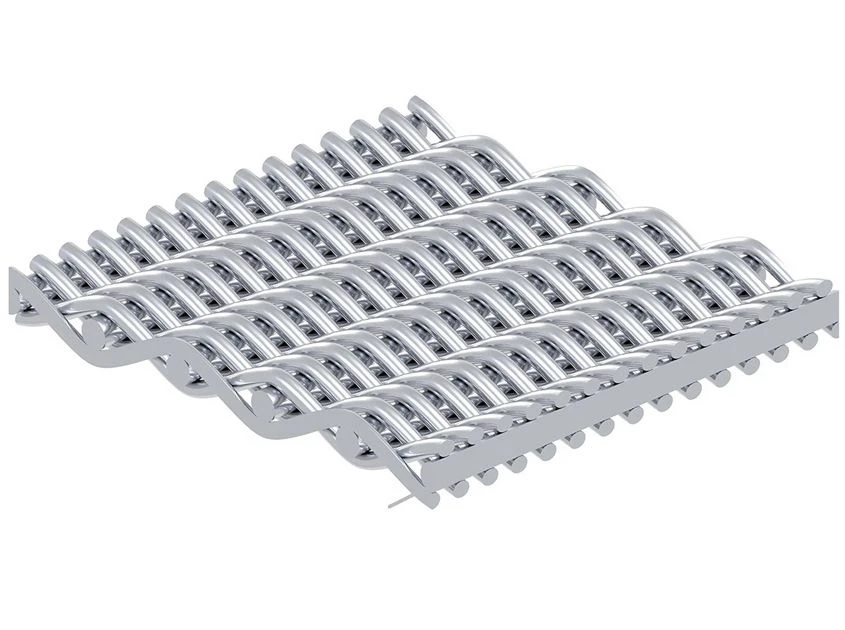
In a bolted leaf design, the outer wire cloth panels are sandwiched between a heavy C-channel base frame and solid perimeter clamping bars. Tightening the high-tensile machine screws generates direct downward compression that locks the active wire mesh against the rigid 5-layer internal drainage core matrix.
● Preventing Mesh Slippage: As differential pressure increases across the panel, fluid drag creates outward tensile force on the active mesh. The clamping force applied by the perimeter bolts must exceed this hydraulic tension to prevent the mesh from pulling out of the frame rim.
● Eliminating Edge Bypass: Uniform compression along the perimeter seals the edges of the active cloth against the base frame, preventing unfiltered slurry from bypassing the filtration layer into the internal clean filtrate drain.
● Stress Relieving Fastener Slots: Machined bolt holes along the clamping bars feature radiused edges to distribute mechanical torque evenly, preventing sharp edges from cutting individual wire strands during assembly or thermal expansion.
Fastener Integrity Under Dynamic Vibratory Discharge
Dry cake discharge in pressure leaf filtration relies on pneumatic or electric vibrators mounted to the vessel leaf support structure. High-frequency vibration breaks the bond between the filter cake and the wire cloth, allowing the cake to fall freely into the bottom discharge hopper.
Vibration Resistance Engineering
While effective for cake release, continuous high-frequency vibration presents a challenge for mechanical fasteners, as un-secured bolts can back out over time under dynamic resonance.
● Anti-Loosening Washers: Utilizing spring-lock washers or twin-washer locking systems creates spring tension and positive friction between the bolt head and clamping bar, resisting rotational movement caused by high-frequency vibration.
● Anti-Galling Fastener Metallurgy: Stainless steel fasteners are prone to thread galling during high-torque tightening. Utilizing specialized anti-galling stainless alloys or applying dry-film lubricant coatings ensures threads remain intact through repeated assembly and disassembly cycles.
● Synchronized Energy Transfer: Because the clamping bars are tightly secured to the C-channel frame, vibratory energy transmits directly through the frame into the wire cloth face, ensuring complete cake discharge without dampening energy through loose components.
On-Site Re-Meshing Protocol & Lifecycle Cost Analysis
The ability to perform complete re-meshing directly within the plant maintenance bay changes the cost structure of pressure leaf maintenance cycles.
| Maintenance Step | Permanently Welded Leaves | Bolted & Clamped Filter Leaves |
| Failure Response | Remove leaf; pull from spares or ship to factory | Remove leaf to plant maintenance bay |
| Disassembly Method | Grinding or torch-cutting welded seams | Unbolt perimeter clamping bars with standard tools |
| Component Replacement | Entire leaf assembly or complete factory re-mesh | Replace active wire cloth panels only |
| Drainage Core Usage | Often damaged during mesh removal | 100% Retained and reused |
| Turnaround Time | Weeks (Including shipping and factory lead time) | Hours (In-house maintenance turnaround) |
On-Site Maintenance Workflow for Bolted Filter Leaves
When servicing bolted filter leaves during planned maintenance turnarounds, follow this standard engineering procedure:
● Fastener Removal & Inspection: Unbolt perimeter clamping screws and inspect threads for wear or galling. Replace damaged fasteners as needed.
● Core Cleaning & Flushing: Remove worn wire cloth panels and inspect the internal 5-layer drainage core. High-pressure wash or ultrasonically clean the core matrix to remove trapped fine solids.
● Mesh Alignment & Tensioning: Lay pre-cut replacement wire cloth panels across the core. Align active mesh panels evenly across both sides of the base frame.
● Torque Sequencing: Position perimeter clamping bars and hand-tighten all bolts. Apply final torque using a crisscross star pattern to ensure balanced compression across the panel face.
Conclusion
Bolted and clamped wire cloth filter leaves provide an engineered balance between structural durability and maintenance flexibility. By enabling rapid on-site wire cloth replacement while preserving the underlying heavy-duty drainage core, plant operators can lower lifecycle maintenance costs, streamline spare parts management, and minimize operational downtime in demanding industrial clarification processes.
To review replacement solutions for legacy vessels, read our guide on [Engineering Micro-Clarification: Full-Stack Retrofit Engineering and Hydraulic Balancing in Pressure Filter Leaf] or contact our technical team to discuss field-serviceable leaf configurations for your facility.