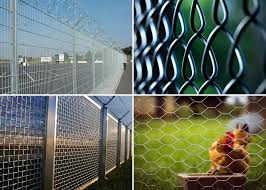
1. Understanding Stainless Steel Wire Mesh: Characteristics, Types, and Common Uses
Before you pick up a pair of snips or an angle grinder, it's essential to fully understand what stainless steel wire mesh is and why its structure determines how it should be cut. Cutting stainless steel wire mesh is not a one-size-fits-all operation-each type of mesh behaves differently, and mastering these nuances is the foundation for precision and safety.
1.1 What Is Stainless Steel Wire Mesh?
Stainless steel wire mesh is a network of interconnected metal wires woven or welded to create a strong, flexible, and corrosion-resistant structure. It's made primarily from stainless steel alloys-most commonly 304 and 316 grades-each designed for specific performance needs.
The 304 stainless steel variant is the most widely used because of its balance between cost, strength, and corrosion resistance. 316 stainless steel, enhanced with molybdenum, offers superior resistance to chlorides and chemicals, making it the preferred choice for marine or chemical processing environments.
Wire mesh is valued for its structural integrity, longevity, and ease of fabrication. The interwoven or welded pattern ensures consistent aperture sizes (the openings between wires), which is crucial for filtration, sieving, and screening applications.
A simple definition might suggest that wire mesh is merely a grid-but in reality, it's a precision-engineered component with critical tolerances and mechanical behaviors that must be respected during fabrication, especially cutting.

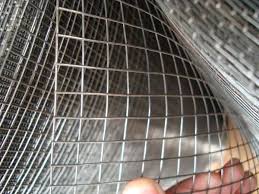
1.2 The Mechanical and Structural Properties
When cutting stainless steel wire mesh, several key mechanical properties affect tool selection and technique:
|
Property |
Description |
Impact on Cutting |
|
Tensile Strength |
Resistance to stretching or breaking under tension. |
High tensile strength makes stainless mesh difficult to shear with hand tools. |
|
Hardness |
The metal's resistance to deformation or scratching. |
Harder grades require more force or power tools to cut. |
|
Elasticity |
Ability to return to its original shape after bending. |
Flexible meshes can spring back during cutting-requiring clamping. |
|
Ductility |
Ability to deform without breaking. |
Allows bending or trimming without fracture, but edges can warp. |
|
Corrosion Resistance |
Ability to withstand rust and oxidation. |
Cutting exposes unprotected metal that may need passivation afterward. |
These mechanical traits explain why no single cutting method works universally for all mesh types. A mesh that bends easily under light pressure may be cut efficiently with hand snips, while a dense welded mesh may require industrial shearing or even plasma cutting.
1.3 Major Types of Stainless Steel Wire Mesh
Stainless steel wire mesh is categorized primarily by manufacturing technique and weaving pattern. Understanding these types helps in choosing the proper tool and cutting strategy.
1.3.1 Woven Wire Mesh
Created by interlacing wires in a method similar to textile weaving.
Common weave styles include:
Plain weave: one wire alternates over and under the next; the simplest and most common pattern.
Twill weave: each wire passes over two and under two, giving a tighter weave and more strength.
Dutch weave: uses thicker warp wires and finer weft wires for precise filtration.
Cutting challenge: prone to fraying because of loose wire intersections.
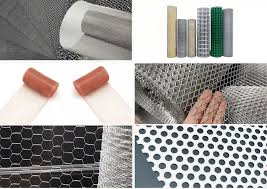
1.3.2 Welded Wire Mesh
Wires are joined at each intersection through spot welding.
Offers high rigidity and a smooth, flat surface.
Common in fencing, reinforcement, and protective panels.
Cutting challenge: weld points resist shearing; edges may require grinding.
1.3.3 Crimped Wire Mesh
Each wire is pre-crimped before weaving, ensuring tight, locked intersections.
Popular in mining screens, vibrating sieves, and industrial filtration.
Cutting challenge: uneven crimps make alignment difficult; requires strong, sharp tools.
1.3.4 Perforated Metal Mesh
Made from stainless steel sheets punched with uniform holes or slots.
Offers high strength and is ideal for architectural cladding, acoustic control, and ventilation.
Cutting challenge: thicker material demands power tools or plasma cutters.
1.4 Industrial and Everyday Applications
The versatility of stainless steel mesh stems from its strength-to-weight ratio, corrosion resistance, and adaptability. Some notable sectors using stainless mesh include:
Industrial Filtration: Used in chemical plants, refineries, and wastewater facilities for separating particles and fluids.
Architecture: Balconies, facades, and shading systems often feature woven or perforated mesh for durability and modern aesthetic.
Agriculture: Protects crops and livestock while allowing airflow and light penetration.
Automotive and Aerospace: Applied in grilles, exhaust systems, and shielding.
Home and DIY Projects: Used for window screens, garden barriers, and custom decorative designs.
In every case, precise cutting ensures the mesh fits perfectly, maintains strength, and avoids frayed or hazardous edges.


1.5 Why the Cutting Process Matters
The cutting phase is where theory meets practice. A poor cut can compromise the entire mesh structure. Incorrect cutting can lead to:
Uneven apertures, causing filtration inefficiency.
Frayed edges, leading to mechanical failure or safety risks.
Heat discoloration, affecting the visual appeal and corrosion resistance.
Material waste, increasing production costs.
Precision cutting preserves both the mesh's integrity and its function, making it an essential skill in manufacturing and construction.
2. Tools and Techniques for Cutting Stainless Steel Wire Mesh
Once the mesh type and size are identified, the next step is determining how to cut it properly. Choosing the right tool and technique ensures smooth edges, dimensional accuracy, and minimal waste.
2.1 Factors to Consider Before Cutting
Before selecting tools, assess the following factors:
Mesh thickness (wire gauge): Thicker wires require more robust tools.
Mesh size (aperture width): Fine meshes need delicate precision; larger meshes may tolerate rougher cuts.
Sheet dimensions: Cutting large panels might demand power tools or industrial shears.
Edge quality requirement: Architectural or decorative projects often demand polished edges.
Quantity: For mass production, automated or CNC cutting is more efficient.
This assessment prevents tool wear, reduces material waste, and ensures professional-quality results.
2.2 Manual Cutting Tools and Their Applications
|
Tool |
Best For |
Advantages |
Drawbacks |
|
Tin Snips / Aviation Snips |
Thin woven mesh |
Clean, precise, portable |
Limited to thin wire (<0.8 mm) |
|
Bolt Cutters |
Welded or crimped mesh |
High force, durable |
Coarse cuts, less control |
|
Hacksaw |
Small sections or round mesh |
Cheap and easy to use |
Slow, rough edges |
|
Wire Cutters / Pliers |
Isolated cuts or trimming |
Simple, accessible |
Not ideal for large sheets |
Manual tools are perfect for DIY work or small batches but can be labor-intensive for large or heavy-gauge sheets.
2.3 Power Tools for Professional Results
|
Tool |
Best For |
Advantages |
Limitations |
|
Angle Grinder (with Cut-Off Disc) |
Heavy welded or perforated mesh |
Fast and precise |
Generates heat, sparks |
|
Bench Shear / Guillotine Shear |
Medium-thickness mesh |
Clean, straight lines |
Stationary, costly |
|
Electric Shears / Nibblers |
Woven or perforated sheets |
Smooth cuts, minimal distortion |
Requires electricity, expensive |
|
Plasma Cutter |
Thick mesh or large sheets |
Extremely fast, cuts any thickness |
Needs training and safety precautions |
|
Laser Cutter |
Fine mesh precision |
Perfect edge quality, no burrs |
Expensive setup, for industry use |
For professional fabrication, CNC laser and plasma cutting dominate because they combine precision with repeatability-ideal for large-scale projects.

2.4 Cutting Techniques by Mesh Type
Woven Wire Mesh
Place the mesh flat and secure it tightly.
Mark the cut line using a fine-tip permanent marker.
Cut slowly using snips or electric shears to prevent fraying.
Seal the cut edges with epoxy or tack welds to maintain integrity.
Welded Wire Mesh
Use bolt cutters or an angle grinder for thicker joints.
Clamp securely to avoid vibration.
After cutting, file or grind any sharp edges.
Crimped Wire Mesh
Avoid cutting across crimps when possible; cut along the "wave."
Use bench shears for uniform cuts.
Finish with edge welding if used in vibration-heavy environments.
Perforated Metal Mesh
Use a jigsaw or plasma cutter for best results.
Always support the sheet fully to prevent warping.
Smooth edges using a fine grinding disc or sandpaper.
2.5 Edge Treatment and Precision Techniques
After cutting, edges may have burrs, sharp fragments, or unevenness. Follow these steps to refine them:
Deburring: Use a hand file or rotary deburring tool.
Grinding: Smooth rough areas with a flap disc.
Polishing: For decorative applications, use a fine abrasive pad.
Sealing: Apply clear coat or passivation treatment to prevent corrosion.
Pro tip: Always cut slightly outside the final dimension, allowing space for finishing adjustments without damaging the intended size.
2.6 Minimizing Heat and Deformation
Heat from cutting tools can damage stainless steel's passive oxide layer. To prevent this:
Use cutting discs designed for stainless steel to reduce friction.
Avoid excessive pressure; let the tool's speed do the work.
For large jobs, apply cooling fluid or take short breaks between cuts.
Deformation control is equally important:
Clamp tightly.
Cut in short, controlled movements.
For thin meshes, sandwich between boards to maintain shape.
2.7 Professional Tips for Long-Lasting Results
Always test-cut a small piece first to confirm the tool choice.
Replace worn-out blades immediately to ensure clean cuts.
Label mesh offcuts for reuse-waste reduction saves money.
Maintain tools regularly; dull edges cause uneven cuts and increase hazards.

learn more:How to Cut Stainless Steel Wire Mesh?
3. Safety First: Essential Precautions When Cutting Stainless Steel Mesh
Cutting stainless steel wire mesh is not merely a matter of choosing the right tool-it is also an exercise in safety, discipline, and precision. The combination of sharp metal edges, flying fragments, and mechanical cutting tools makes this process potentially hazardous for both beginners and professionals. Understanding and implementing correct safety practices ensures not only a smoother workflow but also the protection of workers and the longevity of equipment.
3.1 The Nature of the Risk: Why Safety Cannot Be Compromised
Unlike soft materials such as plastic or nylon mesh, stainless steel is rigid and resistant to deformation. When cut, its wires can snap back or spring apart with surprising force, producing sharp edges capable of causing deep lacerations. The fine wires can also produce metallic splinters-tiny shards that may embed in skin or eyes if not handled properly. Additionally, during mechanical cutting (especially with angle grinders or power shears), sparks and metal dust are released, which can irritate respiratory systems or ignite flammable substances nearby.
Real-world context:
In industrial environments-such as shipyards, chemical plants, or architectural fabrication workshops-cutting stainless steel mesh is often part of larger operations involving welding, shaping, or mounting. Safety managers in these settings often require strict personal protective equipment (PPE) compliance and workspace controls to avoid costly downtime or injury reports.
3.2 Personal Protective Equipment (PPE): The Non-Negotiables
1. Eye Protection:
Always wear ANSI-approved safety goggles or a full-face shield. Small wire ends or metal dust can easily become airborne, and even a minor contact with the cornea can cause long-term vision issues.
2. Hand Protection:
Cut-resistant gloves, ideally made of Kevlar or stainless-steel fiber blends, are essential. Regular fabric gloves can easily tear, offering no real defense against metal edges. Gloves also help maintain a firm grip when handling slippery or oily mesh.
3. Respiratory Gear:
When cutting with power tools, use a P100-rated respirator or N95 mask to filter out fine metal dust particles. Prolonged exposure to airborne stainless-steel dust can irritate the lungs and, in rare cases, contribute to metal fume fever.
4. Hearing Protection:
Electric grinders, saws, and pneumatic shears can exceed 90 dB of noise output. Consistent exposure to this level can cause hearing loss over time. Wearing earplugs or earmuffs is essential for prolonged work.
5. Protective Clothing:
Long-sleeved flame-resistant shirts, durable pants, and closed-toe steel-capped boots prevent skin abrasions and shield against sparks. Avoid synthetic fabrics that can melt and adhere to skin.
3.3 Workspace Setup: Organizing for Safety and Efficiency
A safe workspace begins with proper layout and preparation:
Stable Workbench: Ensure the mesh is clamped securely on a flat, sturdy surface. Mesh movement during cutting can lead to uneven edges and tool kickback.
Clear Surroundings: Remove any flammable materials-solvents, rags, wood shavings-from the immediate area.
Adequate Lighting: Proper visibility prevents mistakes and ensures precise alignment of cuts.
Ventilation: Always work in a well-ventilated environment to disperse fumes and airborne particulates.
Tip: For small-scale projects in workshops or garages, a portable fume extractor is an excellent investment to keep air quality safe.
3.4 Handling and Post-Cutting Safety
After cutting, the edges of stainless steel mesh are often razor-sharp. Immediate deburring or edge treatment is necessary before further handling. Workers should also:
Brush or vacuum metal shavings before removing gloves.
Store cut mesh pieces vertically or between protective boards.
Label partially cut sections to avoid accidental injury during later handling.
Industrial best practice: In production facilities, each cutting station often has a dedicated "de-sharp" area where mesh edges are filed or ground smooth before being transported for assembly.
3.5 Safety Culture and Training
Beyond equipment and rules, the mindset of safety is equally critical. Companies that invest in routine safety training-covering PPE use, tool inspection, and hazard recognition-report dramatically fewer accidents. Even hobbyists should make a habit of pre-task safety checks and tool maintenance.
Cutting stainless steel mesh may appear simple, but one misstep can lead to painful or costly outcomes. Mastery of safety is therefore not optional-it's the foundation of all successful fabrication.
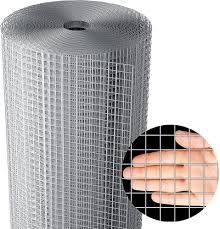
4. Finishing and Maintenance After Cutting Stainless Steel Mesh
Once stainless steel wire mesh is cut, the process isn't complete. The newly exposed edges, micro-burrs, and potential oxidation zones can affect both performance and appearance. Finishing and maintenance are essential to ensure that the cut sections maintain their structural integrity, corrosion resistance, and aesthetic appeal over time.
4.1 Edge Finishing: The Art of Refinement
Freshly cut stainless steel mesh edges are rarely perfect. The cutting process can leave burrs-tiny metal protrusions that not only look unsightly but also pose safety hazards and hinder proper fitting.
Common finishing techniques include:
Deburring files or sandpaper: Ideal for small pieces or thin meshes. Using a fine-grit metal file can smooth sharp edges without damaging nearby wires.
Rotary tools or die grinders: For precision work, especially on thicker or welded meshes.
Chemical edge smoothing: In industrial processes, mild acid etching is sometimes used to remove microscopic burrs and restore the chromium oxide layer that protects stainless steel from corrosion.
Proper finishing also improves bonding if the mesh is to be welded, framed, or coated later.
4.2 Cleaning and Surface Treatment
After cutting and deburring, cleaning is the next crucial step. Residues such as cutting oils, metal dust, or fingerprints can compromise corrosion resistance.
Cleaning methods include:
Degreasing: Use mild solvents or industrial-grade stainless steel cleaners. Avoid chlorine-based chemicals, as they can cause pitting corrosion.
Passivation: Immersing or wiping the mesh with a nitric or citric acid solution restores the protective oxide layer. This step is especially important when the mesh will be used outdoors or in chemical-processing environments.
Rinsing and Drying: Always rinse thoroughly with deionized water and dry with lint-free cloths to prevent water spots.
4.3 Surface Coatings and Protective Finishes
Depending on the intended use, you may wish to enhance corrosion resistance or aesthetic qualities through surface coatings:
Electropolishing: Smooths and brightens the surface at a microscopic level, making it easier to clean and less prone to contamination.
Powder coating: Adds color and provides an additional barrier against oxidation. Common in decorative or architectural uses.
Galvanic coatings or plating: While not typical for stainless steel (since it's inherently corrosion-resistant), some projects benefit from dual-layer protection, especially in marine conditions.

4.4 Maintenance Practices for Longevity
Even stainless steel requires periodic care to maintain peak performance. Dust, salt, or chemical deposits can reduce corrosion resistance over time.
Best maintenance practices include:
Regular inspection: Check for signs of discoloration, rust specks, or loose wires.
Gentle cleaning: Use a soft cloth or nylon brush with a mild detergent. Avoid steel wool, which can leave rust-prone carbon steel particles on the surface.
Environmental awareness: In coastal or industrial areas, more frequent cleaning may be needed due to airborne chlorides.
Record keeping: For critical installations (e.g., filtration systems), maintain a log of cleaning intervals and treatments applied.
4.5 Sustainable Disposal and Recycling
Sustainability is an often-overlooked aspect of mesh maintenance. Stainless steel is 100% recyclable, and scrap mesh should be properly sorted and sent to certified recyclers rather than discarded. Recycling saves energy and raw material costs while reducing waste from metalworking operations.
Proper finishing and maintenance not only extend product life but also uphold the visual and functional quality of stainless steel mesh in every application-from architectural facades to precision filtration.