






In high-capacity chemical processing, edible oil refining, and industrial liquid-solid separation, vertical pressure leaf filter systems utilize stacked rectangular panels to achieve large filtration surface areas within compact vessel footprints. Because these panels are often tall and wide, they are subjected to intense mechanical stress, including cyclic differential pressure, heavy cake weight accumulation, and dynamic vibratory acceleration during dry-cake discharge.
Selecting the proper structural architecture for rectangular filter leaves is critical. Frame deflection, diagonal racking, or mesh slackening directly leads to pre-coat cracking, premature solids breakthrough, and uneven cake drop.
This technical guide provides an engineering analysis of Rectangular Filter Leaves, focusing on long-span structural mechanics, corner joint integrity, pre-coat stability, and vibration energy transmission.
To explore foundational alloy options, weave structures, and primary filtration mechanics across our entire product line, visit our core [Stainless Steel Filter Leaf].
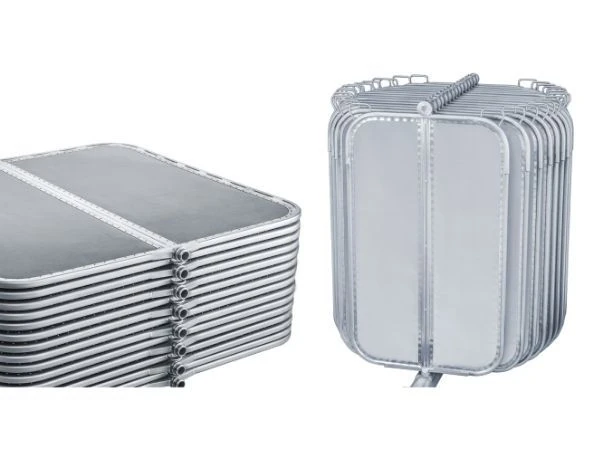
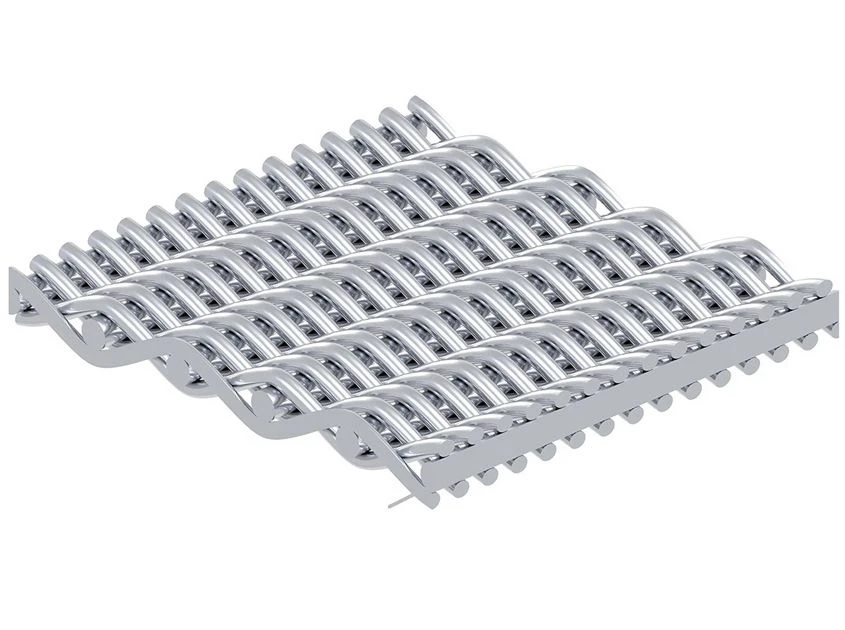
Long-Span Structural Mechanics and Deflection Control
Rectangular leaves installed in large vertical vessels must span substantial distances without bending. During filtration, fluid pressure compresses the outer mesh against the internal drainage core.
Managing Bending Moments and Section Modulus
The structural performance of a rectangular frame is determined by its cross-sectional profile:
● Section Modulus Improvement: Utilizing thick-walled roll-formed C-channel or rectangular tubular sections provides a significantly higher moment of inertia compared to flat strip edging. This resists lateral bowing along long unsupported vertical edges.
● Mitigating Mesh Bagging: When a frame bows inward under pressure, the tensioned surface mesh slacks. This causes "mesh bagging," which alters the internal drainage gap, increases hydraulic resistance, and traps solids. Rigid outer frames keep surface wire cloth flat and taut.
● Core Compression Resistance: A 3-layer or 5-layer heavy wire drainage matrix acts as an internal pillar structure, preventing the outer filter mesh from collapsing into the drainage channel under differential pressures up to 5–6 bar.
Corner Joint Mechanics and Anti-Racking Design
The four corners of a rectangular filter leaf represent its primary structural stress points. During installation, handling, and dynamic vibratory cake discharge, torsional forces concentrate at these joints.
Eliminating Racking via Mitered Construction
In lighter-duty leaves, overlapping corner tabs or spot-welded seams often fail under cyclic fatigue:
● Full-Penetration Corner Welds: Precision CNC-mitered 45-degree joints are continuous-welded to unify the mitered outer frame into a rigid monolith. This structural integration supports the tensioned filter cloth and protects the heavy 5-layer internal wire matrix core from diagonal racking (turning from a rectangle into a parallelogram under stress).
● Vibration Energy Transmission: During dry cake discharge, pneumatic vibrators impart high-frequency impact energy to the leaf top frame. A fully rigid rectangular chassis transfers this energy uniformly down through the precision CNC-machined discharge hub, loosening the cake instantly across the mesh face without absorbing energy through frame flexure.
Pre-Coat Uniformity and Fluid Flow Distribution
Achieving a uniform pre-coat layer (e.g., diatomaceous earth, perlite, or cellulose) across a large rectangular panel requires balanced fluid velocity across the entire active surface.
| Design Parameter | Impact on Filtration Performance | Operational Advantage |
| Planar Surface Flatness | Prevents localized velocity spikes | Even pre-coat cake thickness from top to bottom |
| High Open-Area Core | Reduces internal hydraulic friction | Maximizes filtrate flow rate toward bottom discharge |
| Precision Outlet Hubs | Ensures zero-leak seating in manifold | Eliminates raw slurry contamination in clean filtrate |
| Tensioned Mesh Surface | Prevents cake cracking during pressure surges | Maintains pre-coat integrity during flow interruptions |
Engineering Quality Protocol for Rectangular Leaves
Ensuring long-term reliability for heavy-duty industrial applications requires strict manufacturing controls:
● Diagonal Squareness Inspection: Every rectangular chassis is measured across its diagonals using precision fixtures to ensure perfect squareness before mesh installation.
● Dynamic Weld Inspection: Frame joints and outlet hub connections undergo dye-penetrant testing (PT) to verify zero porosity and full weld penetration.
● Flatness Verification: Finished leaves are checked on optical leveling tables to guarantee panel flatness within tight millimetric tolerances.
Conclusion
Rectangular filter leaves engineered with heavy structural frames and mitered corner joints deliver superior long-span stability, prevent pre-coat cracking, and ensure fast, complete cake drop during vibratory discharge. By investing in heavy-duty panel architecture, plant operators can maximize cycle throughput and significantly lower total maintenance costs.
For applications requiring shell-conforming geometries in horizontal tanks, review our specialized guide on [Circular Filter Leaves: Engineering Arc Rigidity, Shell Contouring, and Cake Stability] or contact our application engineers for custom recommendations.
Related Articles
1. Troubleshooting 5 Common Operational Issues in Vertical Pressure Leaf Filters
2. The Structural Engineering Behind Filter Leaves: How Rim Closing Styles Affect Lifespan
3. Handling Extreme Conditions: Selecting Filter Leaves for Molten Sulfur & Sulfuric Acid Plants
4. How to Choose the Right Stainless Steel Filter Leaf for Edible Oil Refining?
5. How to Clean and Maintain Stainless Steel Filter Leaves for Optimal Performance