





The ubiquity of the mesh screen in modern industry is a testament to its fundamental utility. While often overlooked as a simple component, the mesh screen is actually a precision-engineered tool that facilitates essential processes across a staggering array of sectors. From the microscopic filters used in life-saving medical devices to the massive structural facades of international airports, the ability of a mesh to selectively allow passage while maintaining structural integrity is a cornerstone of industrial efficiency. Its role is so pervasive that it is nearly impossible to find a manufacturing supply chain that does not rely on a mesh screen at some critical juncture.
This article explores the top ten most significant applications of mesh technology in the contemporary world. We will move beyond the common perception of mesh as mere "window screening" and delve into the high-stakes environments of petrochemical refining, aerospace engineering, and electromagnetic shielding. By examining these diverse use cases, we can better appreciate how the intersection of material science and geometric precision enables the mesh screen to solve complex engineering challenges. Whether the goal is to protect a turbine from debris, ensure the purity of a pharmaceutical batch, or provide fall protection in a stadium, the mesh screen remains the premier choice for professional designers and engineers globally.

Petrochemical and Oil & Gas Refinement
Sand Control and Downhole Completion
In the early stages of oil extraction, "sand control" is a critical challenge. Mesh screens, specifically multilayered sintered screens or premium wrapped screens, are installed in the wellbore to prevent sand and grit from entering the production stream. If sand were allowed to flow freely, it would rapidly erode expensive pumps and valves, leading to catastrophic equipment failure. These screens must withstand immense hydrostatic pressure and corrosive "sour gas" environments. By using high-grade stainless steel or Monel mesh, operators can ensure that only hydrocarbons reach the surface, significantly extending the lifespan of the extraction infrastructure.
Catalyst Recovery and Support
Chemical reactors often utilize expensive catalysts to drive reactions. Mesh screens are used as "catalyst baskets" or support grids to keep these materials in place while allowing liquid or gaseous reactants to pass through. The strength of the mesh is paramount here, as it must support the weight of the catalyst bed under high-flow conditions. Furthermore, at the end of a cycle, fine-mesh filters are used for "catalyst recovery," capturing microscopic particles that would otherwise be lost. The high-temperature resistance of alloys like Inconel allows these screens to operate continuously in the intense heat of a refinery's cracking unit.
Mist Elimination in Distillation Towers
In distillation and evaporation columns, "mist eliminators" (also known as demister pads) are made from knitted wire mesh. As vapor rises through the column, it carries tiny liquid droplets. When the vapor passes through the dense, tortuous path of the knitted mesh, the droplets collide with the wire surfaces, coalesce, and fall back into the liquid pool. This process is essential for preventing "carry-over," ensuring that the final output is pure and that downstream compressors are protected from liquid damage. The efficiency of the mist eliminator depends entirely on the surface area and void volume provided by the mesh structure.
Fuel and Lubricant Filtration
Every drop of fuel used in heavy industrial machinery must be filtered to remove particulates that could clog injectors or damage engine cylinders. Stainless steel mesh filters are the preferred choice for these systems because they can be cleaned and reused, unlike disposable paper filters. In high-pressure hydraulic systems, "last-chance filters" made of fine mesh are placed immediately before critical components to catch any debris generated by internal wear. The absolute micron rating of the mesh ensures that even microscopic metal shavings are captured, preventing a single failure from cascading into a total system shutdown.
Aerospace and Automotive Engineering
Engine Intake and Debris Protection
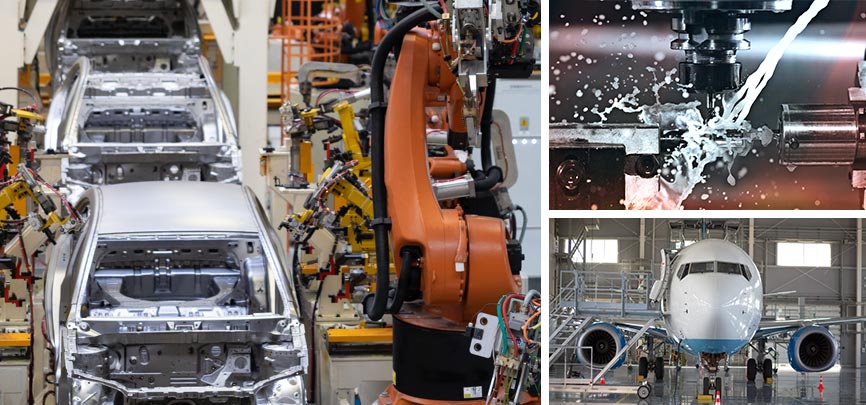
Aerospace engines require massive amounts of air, but they must be protected from "Foreign Object Damage" (FOD). High-strength mesh screens are used in air intakes to block birds, ice, and runway debris from entering the engine. These screens must be light enough to not compromise fuel efficiency but strong enough to withstand high-velocity impacts. Titanium and specialized stainless steel meshes are often used for their superior strength-to-weight ratios. In helicopters, "inlet barrier filters" made of pleated mesh protect engines from sand and dust in desert environments, significantly reducing maintenance costs.
Airbag Inflator Filters
A life-saving but hidden application of mesh is found in every modern vehicle's airbag system. When an airbag deploys, a solid propellant burns rapidly to produce gas. A series of multilayered stainless steel mesh filters are used to cool the hot gas and capture any solid combustion byproducts before they enter the nylon bag. This prevents the bag from melting and ensures the occupant is not exposed to hot particulates. These filters must perform perfectly in a fraction of a second, demonstrating the incredible reliability and heat-dispersion capabilities of high-quality metal mesh.
Acoustic Damping in Exhaust Systems
Modern environmental regulations demand quieter engines. Mesh screens are used within the internal baffles of mufflers and jet engine nacelles for acoustic damping. The complex, porous structure of the mesh breaks up sound waves and converts kinetic energy into a small amount of heat through friction. By layering different mesh counts, engineers can target specific frequencies of noise. Unlike solid baffles, the mesh allows for airflow, preventing backpressure issues that would reduce engine performance. This application is a perfect example of mesh being used for "energy management" rather than just physical separation.
Hydraulic and Fuel Line Safeguards
Both aircraft and high-performance cars rely on complex hydraulic systems for braking and flight control. Fine mesh screens are integrated into these lines to act as permanent safeguards. Because these systems operate under extreme pressure and vibration, the mesh must be "sintered" to ensure that no individual wires can break off and become contaminants themselves. These "inline filters" are designed for the life of the vehicle, providing a permanent defense against the microscopic contaminants that are the primary cause of hydraulic valve failure and fluid degradation.
Architecture and Security Infrastructure
Building Facades and Solar Shading
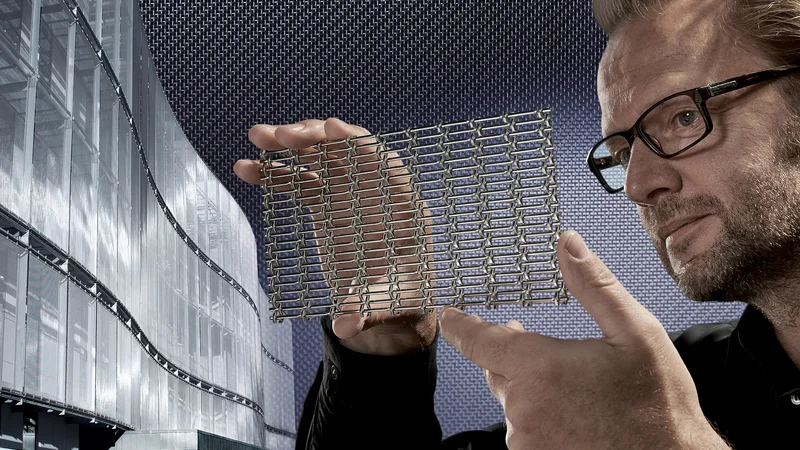
Architectural mesh has transformed the aesthetic of modern cities. Large panels of stainless steel mesh are used as "cladding" for parking garages, stadiums, and office buildings. Beyond the visual appeal, these screens serve a functional purpose as solar shades. By calculating the "open area," architects can allow natural light into a building while blocking a significant portion of solar heat gain, reducing the energy needed for air conditioning. The transparency of the mesh also allows for natural ventilation, making it an environmentally friendly alternative to solid glass or concrete walls.
Security Screens and Forced Entry Prevention
High-strength mesh is the premier material for security window and door screens. Unlike traditional bars, which are unsightly and block the view, security mesh (often 304 or 316 grade with a heavy wire diameter) is nearly invisible from a distance but provides a formidable barrier. These screens are tested against "knife shear" and "impact" standards to ensure they cannot be breached by intruders using common hand tools. The mesh is often powder-coated black to eliminate glare, providing homeowners and businesses with a secure environment that does not feel like a cage.
Fall Protection and Balustrade Infill
Safety is a primary concern in public spaces like bridge walkways and multi-story balconies. Stainless steel mesh is used as "infill" for balustrades and as "safety netting" under bridges. Its high tensile strength and ability to be tensioned across large spans make it an ideal fall-protection material. Because it is resistant to UV light and corrosion, it does not degrade like synthetic nets, ensuring that the safety barrier remains effective for the entire lifespan of the structure. Its flexibility also allows it to be used in "3D" applications, such as climbing structures in modern playgrounds.
EMI/RFI Shielding for Secure Facilities
In an age of electronic espionage, "Electromagnetic Interference" (EMI) shielding is a critical requirement for government buildings, data centers, and hospitals. Fine copper or bronze mesh is embedded into walls and windows to create a "Faraday Cage." This prevents sensitive electronic signals (like Wi-Fi or cellular data) from leaking out of the building and blocks external interference from disrupting sensitive equipment like MRI machines. The mesh allows for visibility and airflow while creating a continuous conductive barrier that "grounds" any incoming or outgoing electromagnetic radiation.
Industrial Application Matrix
| Application Sector | Primary Function | Preferred Material | Key Performance Requirement |
| Petrochemical | Sand Control | SS 316L / Monel | Corrosion & Pressure Resistance |
| Aerospace | FOD Protection | Titanium / SS 304 | Strength-to-Weight Ratio |
| Architecture | Solar Shading | SS 304 / Aluminum | Open Area & Aesthetics |
| Security | Intrusion Barrier | SS 316 (Heavy) | Shear & Impact Resistance |
| Electronics | EMI Shielding | Copper / Bronze | High Electrical Conductivity |
Food, Beverage, and Pharmaceuticals
Sanitary Sifting and Grading
In food production, mesh screens are used to ensure that products like flour, sugar, and spices are of a uniform size and free from contaminants. These "sifting screens" must be made of "food-grade" stainless steel (usually 304 or 316) that is free from any oils or residues. In some cases, "magnetic" stainless steel mesh (Grade 430) is used; if a wire breaks due to fatigue, it can be caught by magnetic detectors further down the line, ensuring that no metal fragments reach the consumer. This is a critical part of the Hazard Analysis and Critical Control Point (HACCP) safety protocols.
Pharmaceutical Particle Separation
The pharmaceutical industry requires the highest levels of precision in particle separation. Mesh screens are used in "Nutsche Filters" and centrifuges to separate active pharmaceutical ingredients (APIs) from solvents. These screens are often "electro-polished" to create an ultra-smooth surface that prevents bacteria from sticking and makes the screen easier to sterilize. The micron rating must be absolute; a single oversized opening could allow a batch to be contaminated with oversized crystals, leading to the loss of millions of dollars in product and potential regulatory fines.

Juice and Beverage Clarification
From large-scale breweries to orange juice plants, mesh screens are used for "clarification"-the removal of pulp, hops, or sediment from the final liquid. Multilayered mesh filters allow for high-speed processing while maintaining the clarity of the beverage. Because these screens are in constant contact with acidic liquids (like fruit juice) and are cleaned with caustic chemicals, Grade 316L is the standard. The durability of metal mesh allows it to withstand the frequent "backwashing" cycles used to clear the screen without the tearing that would occur with paper or cloth filters.
Fluidized Bed Drying
In the production of granulated medicines and certain food products, "fluidized bed dryers" are used. A mesh screen forms the bottom of the drying chamber. High-velocity air is blown up through the mesh, lifting the wet particles and causing them to "fluidize" or act like a boiling liquid. This ensures that every particle is dried evenly and quickly. The mesh must have a very specific "open area" to create the correct air pressure and must be strong enough to support the weight of the product when the air is turned off.
Environmental and Waste Management
Wastewater Treatment and Sludge Dewatering
Mesh screens are the first line of defense in municipal wastewater treatment plants. Coarse "bar screens" remove large debris, while finer "traveling water screens" remove smaller solids. In the "dewatering" phase, heavy-duty mesh belts are used to squeeze water out of sludge, turning it into a solid "cake" that can be transported. These screens are exposed to a cocktail of chemicals and biological agents, making the corrosion resistance of Grade 316 stainless steel or specialized polymer meshes essential for maintaining a continuous, 24/7 operation.
Desalination and Marine Protection
Desalination plants, which turn seawater into drinking water, rely heavily on mesh for "pre-filtration." Before the water reaches the sensitive reverse osmosis membranes, mesh screens remove algae, shells, and sand. Because salt water is incredibly corrosive, these screens are often made of Duplex Stainless Steel or Titanium. Additionally, "intake screens" are designed with specific mesh counts to be "fish-friendly," preventing marine life from being sucked into the plant's machinery while still allowing the massive volumes of water required for the process to flow through.
Air Pollution Control and Scubbers
Industrial chimneys and "scrubbers" use mesh screens to remove particulates and droplets from exhaust gases before they are released into the atmosphere. In many cases, these screens are coated with "catalytic" materials that help to break down harmful nitrogen oxides (NOx) or sulfur oxides (SOx). These applications require the mesh to survive in extremely hot, acidic gas streams. The use of mesh in environmental protection is a growing sector as global regulations on air quality become increasingly stringent, demanding higher filtration efficiencies from industrial operators.
Recycling and Material Grading
The recycling industry uses "trommel screens" and vibrating sieves made of heavy-duty woven or welded mesh to sort materials by size. Whether it is sorting crushed glass, shredded plastic, or construction debris, the mesh must be incredibly resistant to abrasion. Often, these screens are made from "High-Tensile Carbon Steel" or specialized AR (Abrasion Resistant) alloys. The strength of the mesh allows it to handle the impact of heavy falling debris, ensuring that materials are accurately graded for reuse in the circular economy.
Selection Guide for Common Applications
| Application | Recommended Mesh Type | Micron Range | Reasoning |
| API Filtration | Sintered 5-Layer | 1 - 40 $\mu m$ | Rigidity & Sterility |
| Window Security | Woven Black-Coated | 1000 - 2000 $\mu m$ | Visibility & Strength |
| Oil Demisting | Knitted Wire | N/A (Surface Area) | Droplet Coalescence |
| Hydraulic Filter | Twill Dutch Weave | 10 - 75 $\mu m$ | High Pressure Resistance |
| Acoustic Guard | Plain Woven | 200 - 500 $\mu m$ | Energy Dissipation |
Conclusion
The industrial applications for mesh screens are as varied as they are vital. From the smallest medical filter to the largest architectural facade, the mesh screen is a unique material that combines the strength of metal with the transparency and permeability of a fabric. Its ability to be customized-through alloy selection, weave pattern, and surface treatment-allows it to meet the specific demands of almost any environment, no matter how corrosive, hot, or high-pressure.
Ultimately, the "strength" of the mesh screen is found not just in its tensile capacity, but in its versatility. As new industries emerge-such as green hydrogen production and advanced battery manufacturing-the mesh screen will undoubtedly find new roles to play. For the engineer or designer, the challenge lies in understanding the vast array of available specifications to select the screen that provides the best balance of performance and longevity. In the complex world of modern manufacturing, the humble mesh screen remains an irreplaceable pillar of industrial progress.
For the technical definitions and geometric principles behind these applications, return to the main article:
[What is a Mesh Screen: All You Need to Know]