






As a leading perforated tube supplier, I understand the critical importance of proper storage for these essential industrial components. Perforated tubes are widely used in various industries, including construction, automotive, and manufacturing, due to their unique properties and versatility. However, improper storage can lead to damage, corrosion, and reduced performance, which can ultimately result in costly replacements and production delays. In this blog post, I will share some valuable insights and best practices on how to store perforated tubes properly to ensure their longevity and optimal performance.
Understanding the Characteristics of Perforated Tubes
Before delving into the storage methods, it is essential to understand the characteristics of perforated tubes. These tubes are typically made from various materials, such as stainless steel, aluminum, and carbon steel, each with its own set of properties and requirements. The perforations, or holes, in the tubes can vary in size, shape, and pattern, depending on the specific application. These features make perforated tubes susceptible to different types of damage, including scratches, dents, and corrosion.
Choosing the Right Storage Location
The first step in proper storage is selecting the right location. The storage area should be dry, clean, and well-ventilated to prevent the accumulation of moisture and dust. Moisture can cause corrosion, especially in metal perforated tubes, while dust can scratch the surface and affect the performance of the tubes. Avoid storing perforated tubes in areas prone to flooding, extreme temperature fluctuations, or direct sunlight, as these conditions can also damage the tubes.
It is also advisable to store perforated tubes away from chemicals, solvents, and other corrosive substances. These materials can react with the metal and cause corrosion or other forms of damage. If possible, allocate a dedicated storage area for perforated tubes to minimize the risk of contamination and damage.
Protecting the Surface of Perforated Tubes
The surface of perforated tubes is vulnerable to scratches and dents, which can affect their appearance and performance. To protect the surface, it is recommended to use protective covers or wrapping materials. Plastic sheeting, bubble wrap, or foam padding can be used to cover the tubes and prevent them from coming into direct contact with each other or other objects. This will help to minimize the risk of scratches and dents during storage and handling.
In addition to protective covers, it is also important to handle perforated tubes with care. Use appropriate lifting equipment, such as cranes or forklifts, to avoid dropping or mishandling the tubes. When stacking the tubes, ensure that they are properly aligned and supported to prevent them from collapsing or shifting.
Organizing and Labeling Perforated Tubes
Proper organization and labeling are essential for efficient storage and easy access to perforated tubes. Group the tubes by size, material, and application to make it easier to find the required tubes when needed. Use clear and visible labels to identify each group of tubes, including the size, material, and quantity. This will help to reduce the time and effort required to locate specific tubes and prevent confusion.
It is also a good idea to maintain an inventory system to keep track of the quantity and location of perforated tubes in storage. This will help to ensure that the stock levels are maintained at an optimal level and that any shortages or excesses can be identified and addressed promptly.
Preventing Corrosion in Metal Perforated Tubes
Corrosion is a common problem in metal perforated tubes, especially in environments with high humidity or exposure to corrosive substances. To prevent corrosion, it is important to take appropriate measures, such as applying a protective coating or using corrosion inhibitors.
A protective coating, such as paint or powder coating, can provide a barrier between the metal surface and the environment, preventing moisture and oxygen from reaching the metal and causing corrosion. Corrosion inhibitors, on the other hand, can be added to the storage environment or applied directly to the metal surface to slow down the corrosion process.
Regular inspection and maintenance are also crucial for preventing corrosion. Check the perforated tubes regularly for signs of corrosion, such as rust or discoloration. If any corrosion is detected, take immediate action to remove the corrosion and apply a protective coating or corrosion inhibitor to prevent further damage.
Storing Different Types of Perforated Tubes
Different types of perforated tubes may require different storage methods. For example, stainless steel perforated tubes are more resistant to corrosion than carbon steel tubes, but they can still be damaged by scratches and dents. Aluminum perforated tubes are lightweight and corrosion-resistant, but they are also more prone to deformation.

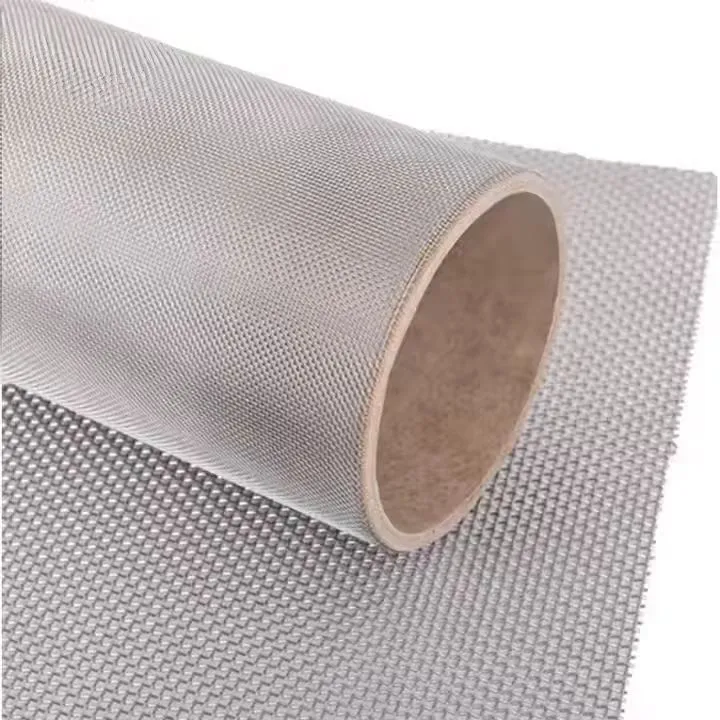
When storing stainless steel perforated tubes, it is important to protect the surface from scratches and dents to maintain its appearance and performance. Use protective covers or wrapping materials and handle the tubes with care. Aluminum perforated tubes should be stored in a dry and well-ventilated area to prevent moisture from causing corrosion. Avoid stacking the tubes too tightly, as this can cause deformation.
Conclusion
Proper storage of perforated tubes is essential for maintaining their quality and performance. By choosing the right storage location, protecting the surface, organizing and labeling the tubes, preventing corrosion, and storing different types of tubes appropriately, you can ensure that your perforated tubes remain in good condition and are ready for use when needed.
If you are in the market for high-quality perforated tubes, we are here to help. As a leading perforated tube supplier, we offer a wide range of perforated tubes in various materials, sizes, and patterns to meet your specific needs. Our tubes are manufactured to the highest standards and are backed by our commitment to quality and customer satisfaction.
For more information about our perforated tubes or to discuss your specific requirements, please feel free to contact us. We look forward to working with you and providing you with the best perforated tube solutions for your business.
References
-
ASM International. (2004). Corrosion Basics: An Introduction. Materials Park, OH: ASM International.
-
National Association of Corrosion Engineers (NACE). (2016). Corrosion Prevention and Control for Oil and Gas Production Facilities. Houston, TX: NACE International.
-
Tubes International. (2020). Perforated Tubes: A Comprehensive Guide. [Online]. Available at: [No link provided]
-
For more information on related products, you can also check out Copper Wire Mesh, Nickle Wire Mesh, and SS Mesh for Palm Oil Filtration.