






Hey there! As a supplier of 304 stainless steel wire mesh, I often get asked if it can be used in food processing. Well, let's dive right into it and find out.
First off, what exactly is 304 stainless steel wire mesh? 304 stainless steel is a common type of stainless steel that contains 18% chromium and 8% nickel. This combination gives it excellent corrosion resistance, making it a popular choice in various industries. The wire mesh is made by weaving or welding stainless steel wires together to form a grid-like structure.
Now, when it comes to food processing, safety is the top priority. We need to make sure that any material used in contact with food is non-toxic and won't contaminate the food. 304 stainless steel is considered food-grade, which means it meets the standards set by regulatory bodies for use in food processing. It's free from harmful substances like lead and mercury, so it won't leach any dangerous chemicals into the food.
One of the key advantages of using 304 stainless steel wire mesh in food processing is its durability. Food processing environments can be harsh, with exposure to moisture, acids, and other corrosive substances. 304 stainless steel can withstand these conditions without rusting or corroding, ensuring a long lifespan for the wire mesh. This not only saves money in the long run but also reduces the risk of contamination from rust or other debris.
Another benefit is its easy cleaning and maintenance. In food processing, hygiene is crucial. 304 stainless steel wire mesh can be easily cleaned with common cleaning agents, and it doesn't harbor bacteria or other microorganisms. This helps to maintain a clean and safe food processing environment.
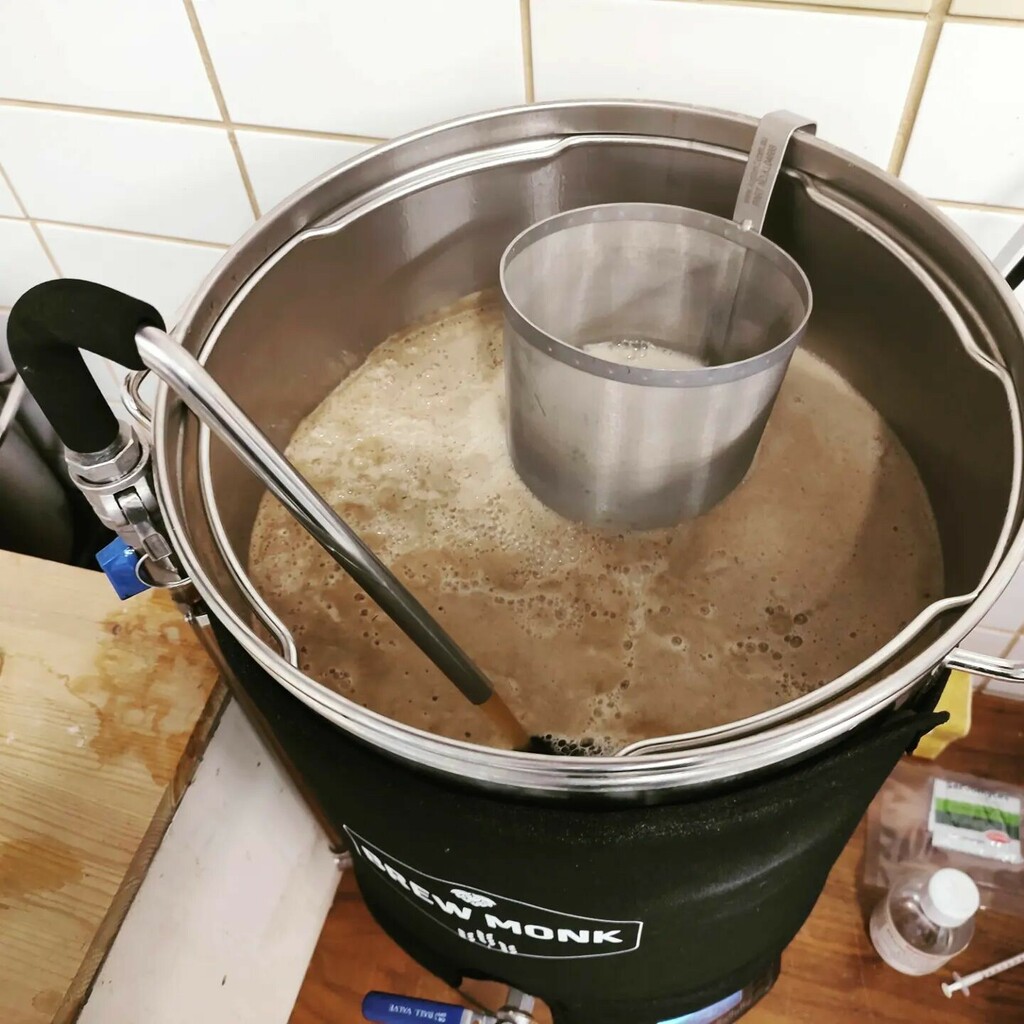
Let's talk about some specific applications of 304 stainless steel wire mesh in food processing. It can be used for sieving and filtering food products. For example, in the production of flour, the wire mesh can be used to separate different particle sizes, ensuring a consistent quality of the final product. It can also be used in the filtration of liquids, such as in the brewing industry to remove solids from the beer.

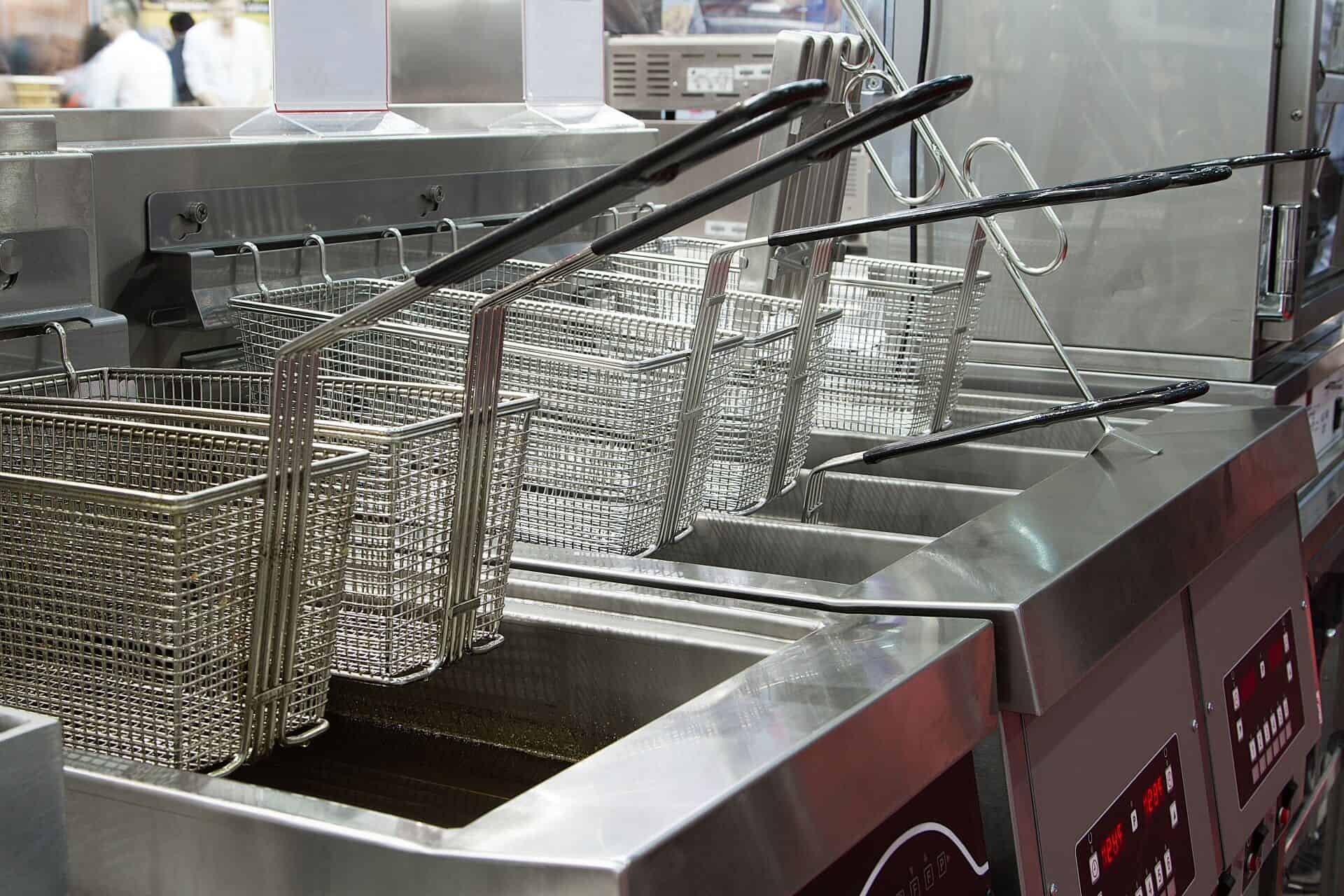
In addition, 304 stainless steel wire mesh can be used in food handling and storage. It can be made into baskets, trays, and racks for holding food items. These structures are strong and durable, and they can be easily sanitized to prevent the growth of bacteria.

However, it's important to note that while 304 stainless steel wire mesh is suitable for most food processing applications, there are some cases where a different type of wire mesh might be more appropriate. For instance, in highly corrosive environments or when dealing with certain acidic foods, 316 Stainless Steel Wire Mesh might be a better choice. 316 stainless steel contains molybdenum, which gives it even better corrosion resistance than 304 stainless steel.
There are also other types of wire mesh that might be used in specific food processing applications. Phosphor Bronze Wire Mesh is known for its high strength and good conductivity, and it can be used in some specialized food processing equipment. Nickle Wire Mesh is another option, which has excellent corrosion resistance and can be used in certain food processing environments.
So, to answer the question, yes, 304 stainless steel wire mesh can definitely be used in food processing. It's a safe, durable, and easy-to-maintain option that meets the requirements of the food industry. If you're in the food processing business and are looking for a reliable wire mesh solution, 304 stainless steel wire mesh is a great choice.
If you're interested in purchasing 304 stainless steel wire mesh for your food processing needs, feel free to reach out. We have a wide range of wire mesh products available in different sizes and specifications to meet your specific requirements. Whether you need a small quantity for a trial or a large order for a commercial operation, we can provide you with high-quality products at competitive prices.
References
- "Stainless Steel in Food Processing: A Guide to Selection and Use" by the Stainless Steel Institute
- "Food Safety and Hygiene in Processing" by the World Health Organization