






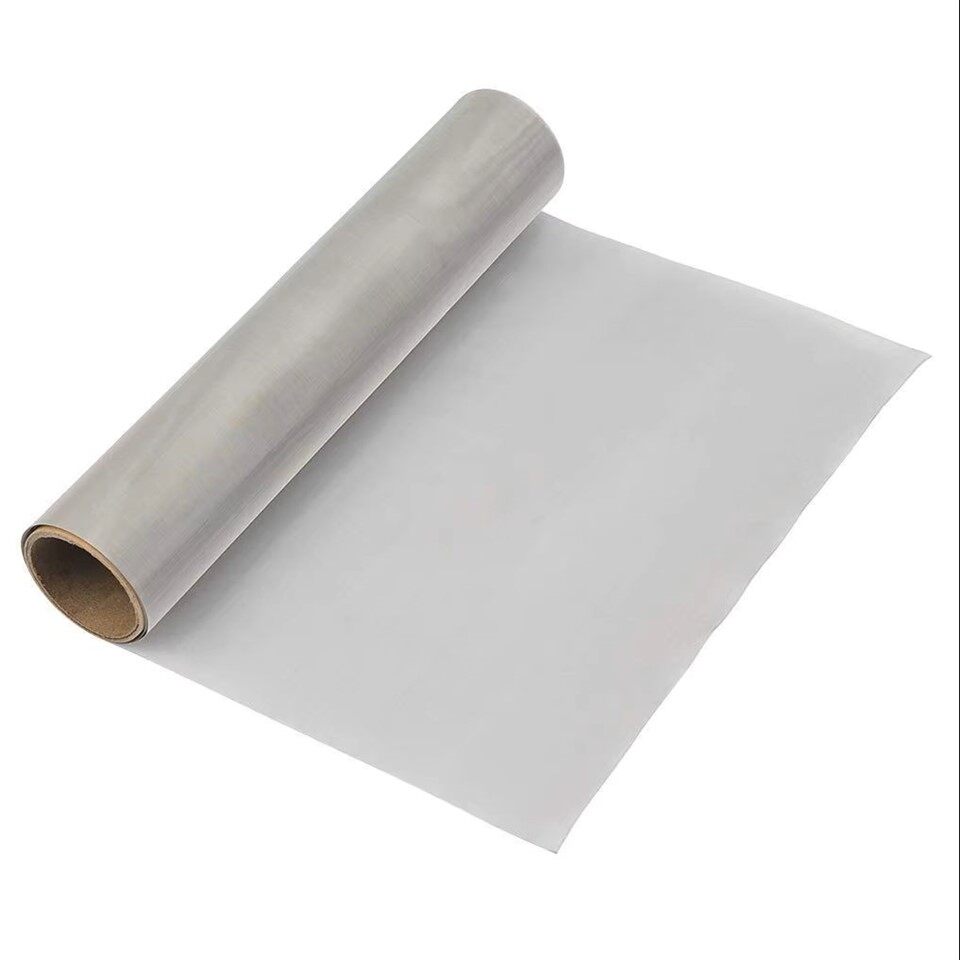
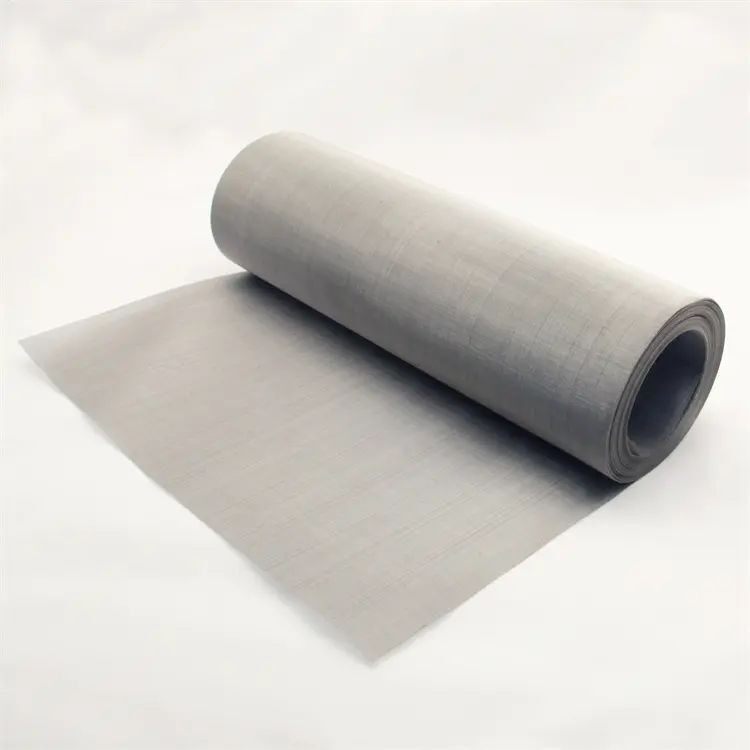
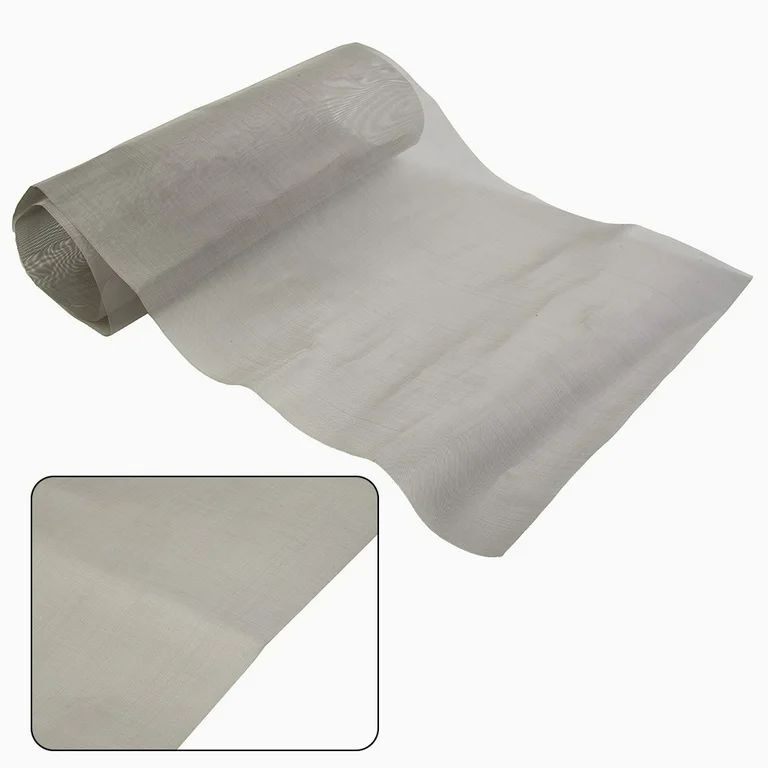
Filtration wire cloth is a woven metal medium supplied before it is built into a cartridge or filter element. The buyer defines mesh count, wire diameter, aperture, weave, alloy and cut size; the fabricator then adds support, end caps, seals and connections.
CHG Metal supplies 304, 316, 316L, 321, 310S and 904L filtration cloth in plain, twill and Dutch weave. Rolls, sheets and pre-cut pieces are available. Liquid-filtration enquiries should include the target micron rating and allowable pressure drop.

| Mesh Count | Wire Diameter (mm) | Opening Size (mm) |
|---|---|---|
| 10 mesh | 0.55 | 1.99 |
| 20 mesh | 0.28 | 0.99 |
| 30 mesh | 0.21 | 0.64 |
| 40 mesh | 0.19 | 0.45 |
| 60 mesh | 0.13 | 0.29 |
| 80 mesh | 0.12 | 0.20 |
| 100 mesh | 0.10 | 0.15 |
| 150 mesh | 0.06 | 0.11 |
| 200 mesh | 0.05 | 0.073 |
| 325 mesh | 0.035 | 0.043 |
| 400 mesh | 0.03 | 0.037 |
| Material | Corrosion Resistance | Temp Resistance | Features | Typical Use |
|---|---|---|---|---|
| 304 | ★★★★☆ | ≤870°C | Common, economical | Food, general filtration |
| 316 | ★★★★★ | ≤900°C | Excellent corrosion, seawater resistant | Chemical, marine |
| 316L | ★★★★★ | ≤900°C | Low carbon, cleaner welding | Pharma, hygienic filtration |
| 321 | ★★★★☆ | ≤925°C | Stabilized for high heat | High-temperature filters |
| 310S | ★★★★★ | ≤1100°C | Extreme heat resistance | Furnace, thermal filters |
| 904L | ★★★★★ | ≤400°C | Strong acid resistance | Acidic filtration systems |
| Micron Rating | Approx. Mesh Count | Application |
|---|---|---|
| 5 μm | 325–400 mesh | Hydraulic, precision filtration |
| 10 μm | 200–325 mesh | Fuel filters, polymer filtration |
| 20 μm | 100–150 mesh | Industrial liquids |
| 50 μm | 60–80 mesh | Water, oil separation |
| 100 μm | 40–60 mesh | Food sieving, coarse filtration |
| 500 μm | 20–30 mesh | Solid separation |
| 800–1000 μm | 10–15 mesh | Protective screening |

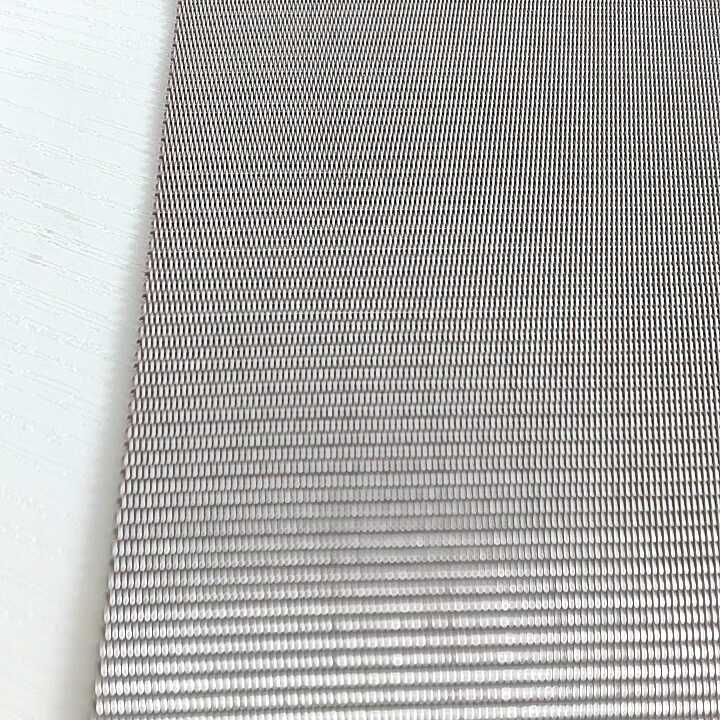
Cloth or Finished Filter?
Wire cloth is a material; a filter element includes support, end caps, seals and connections. Buying cloth shifts fabrication responsibility to the customer. Buying an element places interface and performance responsibility on the element manufacturer.
For cloth, specify cut direction, width, length and edge. For an element, specify interface, layer structure and pressure drop.
Alloy and Cut Processing
304 suits general filtration; 316/316L is used for chlorides and chemicals; 321/310S for higher temperatures; 904L for stronger corrosion. The cloth, support and frame should use compatible materials.
Rolls suit continuous production. Sheets suit punching and manual assembly. Finished goods are checked for mesh, aperture, width, surface and packing.
For a stainless steel filtration wire cloth order, state whether the cloth will be used as fine filter cloth mesh or dutch weave filter cloth. The cut width, orientation and support layer should be included on the purchase drawing.
Filtration Cloth Inspection
Checks cover alloy, wire diameter, mesh, aperture, weave, width, length, surface and winding condition. Pre-cut pieces add dimensions, edge and orientation.
Material certificates, permeability, bubble-point or particle-challenge data can be specified.
FAQ
Q: Can wire cloth replace a filter element directly?
A: Not always. An element also includes support, end caps and an interface, so the housing must be reviewed.
Q: How many micron is 100 mesh?
A: The original plain-weave reference is about 150 microns, but wire diameter and weave change the result.
Q: Can you cut cloth to size?
A: Yes. Provide the dimensions, orientation, quantity and edge requirement.
Request a Quote
Send the required alloy, mesh or micron rating, wire diameter, weave, roll or sheet size, medium, flow and quantity to CHG Metal for a quotation.


