






Wire-based materials are essential components in filtration, separation, screening, and reinforcement applications. Among the most commonly used are wire mesh and wire cloth, which are often mistakenly considered identical. While both are woven or fabricated from metal wires, subtle differences in construction, material selection, and intended application determine their performance and suitability. This article explores the distinctions between wire mesh and wire cloth, focusing on their design, industrial applications, material properties, and filtration performance, helping engineers and buyers select the right product for their needs.

Structural Differences Between Wire Mesh and Wire Cloth
Wire mesh and wire cloth differ primarily in wire thickness, weave tightness, and functional intent. These differences affect flow characteristics, mechanical strength, and compatibility with filtration systems.
Wire Diameter and Material Thickness
Wire mesh typically uses thicker wires, providing higher mechanical strength and durability. Wire cloth employs finer wires, offering a smoother surface and higher precision for particle retention. In filtration systems, thicker wire mesh is often used as support or reinforcement, while wire cloth serves as the primary filtering medium.
For a deeper engineering breakdown of how wire diameter affects strength, flow behavior, and filtration performance, you can read our in-depth guide:
How Wire Diameter Influences Mechanical Strength and Filtration Behavior.
Weave Type and Tightness
Wire mesh often features simple square or welded constructions, designed for general strength and stability. Wire cloth employs more precise woven patterns, such as plain weave or twill, providing consistent aperture size for accurate particle separation. Industries requiring high filtration precision, such as pharmaceuticals, food, or chemical processing, frequently rely on wire cloth.
Flexibility vs Rigidity
Thicker wire mesh tends to be rigid, making it suitable for support structures, screens, and sieves. Wire cloth, being finer, is more flexible and can be shaped to fit tight filtration housings or complex geometries. This flexibility allows for customized filtration solutions in hydraulic oil systems, liquid filtration tanks, and air purification units.
Surface Finish and Precision
Wire cloth typically has a smoother surface, reducing the risk of particle entrapment and facilitating cleaning or backwashing. Wire mesh may have a rougher finish, which is acceptable for bulk filtration, reinforcement, or industrial screening applications where extreme precision is not required.
Filtration Industry Applications
The filtration industry relies heavily on both wire mesh and wire cloth for efficient particle separation and system longevity. Proper selection ensures operational efficiency, reduced downtime, and consistent product quality.
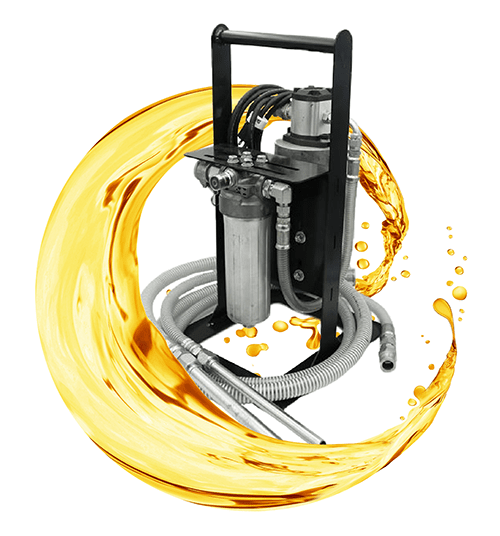
Hydraulic Oil and Fuel Filtration
Wire cloth is widely used in hydraulic and fuel filters due to its fine apertures and high precision. It prevents contaminants from damaging sensitive pumps, valves, and hydraulic systems, supporting long-term reliability in automotive, aerospace, and heavy machinery applications.

Liquid Processing and Chemical Filtration
In chemical and food & beverage industries, wire cloth provides consistent micron retention, ensuring product purity and preventing cross-contamination. Stainless steel wire cloth is particularly favored for its corrosion resistance and long service life.

Air and Gas Filtration
Wire mesh often acts as a structural support or pre-filtration layer for high-volume air filters. It enhances mechanical strength and protects finer filter media, extending the lifespan of HEPA or pleated filters used in HVAC systems, industrial air cleaners, and cleanrooms.

Filtration Housing Support
Wire mesh is commonly used as reinforcement in filter cartridges, bag filters, and cartridge housings. Its rigid construction ensures that softer filter media maintain shape under high flow rates or differential pressures.
Other Industry Applications
While filtration is the primary domain, wire mesh and wire cloth are also applied in other industrial contexts, albeit to a lesser degree.
Architectural and Decorative Uses
Wire mesh serves as a durable decorative panel, façade material, or safety barrier in buildings. Wire cloth may be used for fine metal screens or insect-proofing in windows.
Mining and Material Screening
Coarse wire mesh is utilized in mining, aggregate sorting, and sieve applications to separate large particles or debris. Wire cloth can provide more precise grading when required.
Food Processing and Cooking
Wire cloth is sometimes employed in baking, frying, or cooling racks due to its uniform mesh size and corrosion-resistant properties. Wire mesh may appear in structural supports for food-grade machinery.
Material Options and Performance Characteristics
The choice of material affects corrosion resistance, mechanical strength, and operational lifespan.
Stainless Steel
304 and 316 stainless steel wire cloth are ideal for high-purity filtration, chemical resistance, and long service life. They are widely used in hydraulic oil filters, water treatment, and pharmaceutical liquid filtration.
Carbon Steel
Carbon steel wire mesh is more economical and provides sufficient strength for bulk filtration, sieving, and structural reinforcement. It is commonly used in mining, construction, and coarse industrial screening.
Nickel, Copper, and Specialty Alloys
Specialty alloys offer enhanced corrosion resistance, temperature tolerance, or electrical conductivity, supporting applications in chemical processing, electronics, or extreme environments.
Surface Coatings
Epoxy-coated or PVC-coated wire mesh increases chemical resistance, reduces fouling, and extends service life in aggressive or outdoor environments.


Choosing Between Wire Mesh and Wire Cloth for Filtration
Selecting the right wire material involves balancing filtration precision, mechanical strength, and operational conditions.
Filtration Precision
Wire cloth provides higher micron accuracy for fine filtration, critical in food & beverage, pharmaceuticals, and chemical processes. Wire mesh is suitable for pre-filtration or coarse particle removal.
Mechanical Strength and Flow Rate
Wire mesh withstands higher flow rates and mechanical stress, supporting filter cartridges or industrial screening systems. Wire cloth is more delicate but enables precise particle separation.
Chemical and Temperature Compatibility
Consider fluid chemistry, temperature, and pressure. Stainless steel wire cloth suits aggressive chemicals and high-temperature fluids. Coated wire mesh protects against corrosion in less critical environments.
Maintenance and Longevity
Wire cloth is easier to clean with backwashing or chemical cleaning cycles, whereas wire mesh provides long-term structural support without frequent maintenance. Combining both in multi-stage filtration often yields optimal performance.
Wire Mesh vs Wire Cloth
| Feature | Wire Mesh | Wire Cloth |
|---|---|---|
| Wire Diameter | Thicker, rigid | Finer, flexible |
| Weave Type | Square, welded | Plain, twill |
| Filtration Precision | Coarse, general | High, precise |
| Typical Use | Support, screening | Fine filtration, sieving |
| Material Options | Steel, alloy, coated | Stainless steel, alloy |
| Cleaning & Maintenance | Durable, low maintenance | Requires care, easier cleaning |
Advanced Wire Selection for Extreme Filtration Conditions
High-Temperature Filtration Applications
Wire mesh and wire cloth used in high-temperature environments, such as chemical reactors or molten metal filtration, must withstand thermal expansion and avoid deformation. Stainless steel alloys such as 310S or 321 provide exceptional heat resistance. Wire cloth is often selected for precise separation of fine particles at elevated temperatures, while wire mesh may provide structural reinforcement for filter elements exposed to thermal stress. Choosing the right alloy and weave ensures consistent performance without compromising flow rates or micron retention.
Corrosive and Aggressive Fluid Compatibility
In applications involving strong acids, alkalis, or solvents, material selection is critical. Nickel, Hastelloy, or coated stainless steel wire mesh can endure aggressive fluids without structural failure. Wire cloth is preferred where fine filtration is required under corrosive conditions, such as pharmaceutical or chemical processing. Proper selection balances longevity, filtration precision, and operational cost, reducing unscheduled downtime and maintenance frequency.
Abrasive Particle Handling
Systems processing slurries, powders, or abrasive liquids require wire mesh or cloth that resists wear and maintains dimensional stability. Wire mesh, with thicker wires, provides durability for pre-filtration, while finer wire cloth ensures precise retention of target particles. Understanding the particle hardness, size distribution, and slurry velocity allows engineers to select materials that prevent premature degradation, minimizing filter replacement cycles.
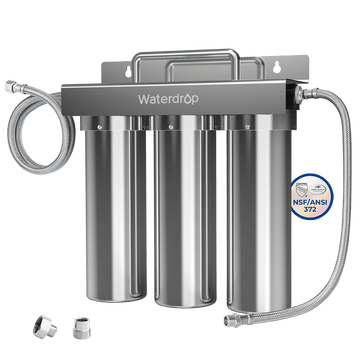

Multi-Stage Filtration System Design
Pre-Filtration with Wire Mesh
Wire mesh is commonly used as a first-stage filter to capture large debris and protect downstream finer media. Its rigidity and coarse aperture prevent clogging of primary wire cloth filters, extending system lifespan. Pre-filtration design also reduces differential pressure spikes, stabilizing flow and reducing energy consumption in pumps and valves.
Fine Filtration Using Wire Cloth
Downstream stages often rely on wire cloth to capture smaller particles, achieving high clarity and product purity. The mesh size, weave pattern, and material type directly influence micron retention and flow rates. Correct placement ensures accurate separation, consistent performance, and minimal risk of bypass in sensitive filtration systems.
Combining Mesh and Cloth for Efficiency
A multi-stage approach leverages wire mesh for structural support and coarse capture, while wire cloth provides precision filtration. This combination maximizes system efficiency, reduces maintenance, and ensures long-term reliability. Engineers can optimize stage placement and material choice based on particle load, chemical exposure, and operational conditions.
Comparison of Wire Types and Material Selection
| Wire Type | Best Use Case | Material Options | Typical Micron Range | Maintenance Frequency |
|---|---|---|---|---|
| Wire Mesh | Structural support, coarse filtration | Carbon Steel, Stainless, Coated | 100–2000 μm | Low |
| Wire Cloth | Fine filtration, precise separation | 304/316 Stainless Steel | 5–200 μm | Medium |
Material Considerations for Wire Mesh
Selecting the right wire material ensures resistance to corrosion, mechanical fatigue, and temperature extremes. Stainless steel meshes dominate in chemical and hydraulic applications due to longevity and corrosion resistance, whereas carbon steel is economical for coarse, low-precision industrial use.
Material Considerations for Wire Cloth
Wire cloth requires higher precision alloys to maintain micron rating over time. 316L stainless steel is widely used in food, beverage, and pharmaceutical industries, providing chemical resistance, thermal stability, and smooth surfaces for easy cleaning.
Surface Treatment and Coating Options
Coatings such as epoxy, PVC, or nickel plating improve corrosion resistance, reduce fouling, and extend operational life in harsh conditions. Proper surface treatment is essential for wire mesh in pre-filtration and wire cloth in fine filtration, ensuring consistent performance and cost-effectiveness.

Advanced Weave Patterns and Their Impact on Filtration
Plain Weave Advantages
Plain weave is the simplest and most widely used weave for wire mesh and wire cloth. It provides uniform opening size, excellent dimensional stability, and consistent flow characteristics. In filtration systems, plain weave ensures predictable retention rates, making it ideal for hydraulic, chemical, and industrial applications. Its rigidity helps prevent deformation under moderate pressure, while surface smoothness reduces particle entrapment in non-target areas. Proper tensioning during installation maintains optimal performance.
Twill Weave Benefits
Twill weave wire cloth features a diagonal pattern that increases strength and flexibility. This pattern allows finer wire diameters without compromising mechanical integrity. In high-solid or abrasive environments, twill weave provides enhanced resistance to clogging and wear. It is particularly useful in chemical processing or pre-filtration stages where particles vary in size and consistency. Twill weave also improves flow distribution across the filter surface, ensuring even media utilization.
Dutch Weave Applications
Dutch weave is designed for fine filtration and precise separation, with tight wire spacing and high micron retention. It is commonly used in hydraulic fluid filtration, pharmaceutical processes, and beverages. Dutch weave offers excellent particle capture efficiency and maintains stable flow rates even under high pressure. Proper selection of wire material and weave density ensures durability and resistance to chemical exposure. Operators benefit from predictable maintenance intervals due to its long service life.
Combination Weave Systems
Combining multiple weave patterns in a single filtration element enhances overall performance. Coarser meshes handle large particles, while finer cloths capture smaller contaminants. Hybrid systems maximize flow efficiency, reduce pressure drop, and extend service life. Engineers often design multi-layered filters with plain, twill, and Dutch weaves for demanding industrial applications. This approach balances cost, durability, and filtration precision across various operating conditions.
For a deeper, engineering-level breakdown of how different weave patterns influence micron accuracy, flow rate, and durability, read our extended guide:
How Weave Patterns Affect Filtration Accuracy and Flow Rate.
Maintenance, Cleaning, and Longevity of Wire Filters
Cleaning Frequency and Methods
Proper cleaning prolongs the life of wire mesh and wire cloth. Techniques include backflushing, ultrasonic cleaning, chemical soaking, or mechanical brushing. High-frequency maintenance is essential in systems with abrasive or viscous fluids, while less frequent cleaning suffices for clean water or low-solid applications. Cleaning choice depends on material, weave type, and operational environment. Inappropriate cleaning can damage the mesh, reducing micron retention and lifespan.
Inspection and Wear Monitoring
Regular inspection identifies wear, corrosion, or deformation early. Signs such as broken wires, frayed edges, or uneven surfaces indicate declining performance. Visual inspections should be complemented with flow testing or particle counting in critical applications like hydraulic oil filtration. Consistent monitoring allows for planned replacement rather than emergency downtime, reducing operational risks.
Chemical and Environmental Impacts
Exposure to aggressive chemicals, UV light, or high humidity can accelerate degradation. Stainless steel mesh offers resistance to many chemicals, but protective coatings or alternative alloys may be required for extreme conditions. Environmental factors also affect cleaning schedules and maintenance frequency. Understanding the operational context allows engineers to select materials and protective measures for optimal longevity.
Storage and Handling Best Practices
Proper handling and storage prevent physical damage and contamination. Wire filters should be stored in dry, controlled environments, avoiding bending, crushing, or exposure to corrosive vapors. Protective caps, racks, or packaging maintain shape and cleanliness before installation. Educating maintenance personnel on correct handling practices significantly extends service life and reduces unexpected failures.
Conclusion
Understanding the differences between wire mesh and wire cloth is critical for designing effective filtration systems. While both serve the purpose of separating particles from fluids or gases, their construction, weave patterns, and material choices directly influence filtration performance. Wire mesh typically refers to the more general woven structure, used for broader industrial applications, whereas wire cloth often indicates precision-weaved fabric suitable for fine filtration, laboratory, or specialized chemical processes. Choosing the right type ensures that filtration efficiency, pressure drop, and flow rates align with system requirements.
The material of construction plays a significant role in durability and chemical compatibility. Stainless steel, brass, and high-grade alloys offer corrosion resistance and mechanical stability, while polymer-coated or synthetic wires provide flexibility for unique operating environments. Proper selection based on fluid chemistry, temperature, and particle size ensures consistent performance and prevents premature failure. In high-demand industries such as hydraulic oil filtration, petrochemical processing, or pharmaceuticals, even minor deviations in mesh specifications can lead to contamination, equipment wear, or costly downtime.
Maintenance practices further impact the long-term effectiveness of wire filters. Regular cleaning, inspection, and handling prevent physical damage, clogging, and fiber deformation. Understanding how operational variables-like flow velocity, pressure fluctuations, and solid loading-affect the filter helps establish predictive maintenance schedules. Implementing structured maintenance protocols maximizes the lifespan of both wire mesh and wire cloth filters, reduces operational interruptions, and maintains product quality across industrial processes.
Finally, the choice between wire mesh and wire cloth should be guided by a combination of performance requirements, operational conditions, and cost considerations. Wire mesh may suffice for bulk filtration and general industrial applications, whereas wire cloth is indispensable for precise particle separation and high-purity processing. By evaluating these factors comprehensively, engineers and maintenance teams can optimize system efficiency, enhance equipment longevity, and ensure reliable, consistent filtration outcomes. Proper understanding and application of these filtration media ultimately safeguard both product quality and operational performance.