






1. Introduction
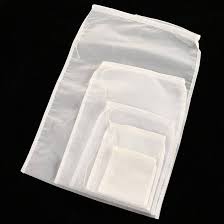
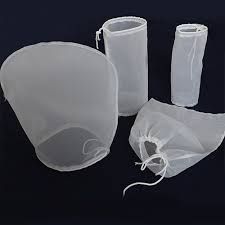
Nylon filters-also known as NY filters, nylon membrane filters, nylon mesh, and nylon filter bags-play a critical role in modern industrial filtration. Across chemical plants, pharmaceutical facilities, food production environments, and water treatment operations, nylon filtration products help maintain product purity, control contamination, ensure safety, and optimize process efficiency.
This article provides an in-depth technical exploration of the industrial uses of nylon filters, supported by application-specific analysis, case studies, chemical compatibility data, performance tables, and system engineering explanations.
2. Why Nylon Filters Are Ideal for Industrial Use
Industries choose nylon filtration because of its unique combination of mechanical strength, hydrophilicity, solvent compatibility, and flexible form factors.
2.1 Key Technical Advantages
High mechanical durability: withstands pump pressure, abrasion, and high-velocity flows
Hydrophilic: no surfactant required for wetting, reducing contamination risk
Resistant to hydrocarbons, alcohols, and many industrial solvents
Available in a wide pore-size range (0.1 µm to 2,000 µm)
Reusable in many mesh applications
Low extractables, important for pharmaceuticals and high-purity chemicals
These characteristics make nylon essential for industries that require both precision filtration and mechanical resilience.
3. Chemical & Petrochemical Industry Applications
The chemical industry is one of the largest users of nylon filters due to their compatibility with solvents, resins, and hydrocarbon-based fluids.
3.1 Solvent Processing and Purification
Nylon membranes and mesh filters are used to:
Remove polymer flakes and undissolved residues
Clarify alcohols, ketones, and esters
Filter dilute acids (where compatible)
Prepare solvents for chromatography and reactions
Performance Requirements
high flow rates
chemical compatibility
low extractables
absolute pore sizes for precise retention
Common Pore Sizes
|
Solvent Type |
Recommended Nylon Filter |
Pore Size |
|
Alcohols |
Nylon membrane |
0.22–0.45 µm |
|
Hydrocarbons |
Nylon mesh |
10–100 µm |
|
Reaction solvents |
Membrane or cartridge |
0.1–1.0 µm |
3.2 Resin & Polymer Production
During polymer synthesis, nylon filters help achieve:
controlled particle size
removal of coagulated resin chunks
elimination of agglomerates
stabilization of viscosity
Nylon filter bags (1–200 µm) are commonly installed in batch reactors and recirculating loops.
Case Example: Acrylic Resin Manufacturing
A manufacturer producing acrylic polymer emulsions used a 25 µm nylon bag filter to remove oversized particles. Benefits included:
22% reduction in viscosity deviation
17% fewer downstream clogging events
improved batch-to-batch consistency
3.3 Ink, Paint & Coating Formulation
Nylon mesh is widely used in:
pigment dispersion
coating filtration
varnish polishing
print-ink clarification
Because nylon mesh is strong and washable, operators can reuse it multiple times before replacement.
read more:Optimizing Nylon Filter Performance: Installation, Maintenance, Troubleshooting & Best-Practice Guidelines
4. Applications in Pharmaceuticals & Biotechnology
Pharmaceutical processing demands filtration materials that are:
chemically clean
low in extractables
hydrophilic
capable of sterilization
Nylon membranes meet all of these requirements.
4.1 Buffer & Media Filtration
Every buffer solution used for cell culture or chromatography must be filtered to remove particulates.
Nylon offers:
fast flow rates
minimal protein binding (lower than PES but acceptable for many media)
compatibility with aqueous and organic buffers
Typical pore sizes:
0.22 µm: sterilizing-grade
0.45 µm: general sterile filtration
1 µm: prefiltration for media
4.2 Vaccine Manufacturing
During vaccine production, nylon filters may be used in:
prefiltration of cell lysates
clarification of harvested fluid
filtration of adjuvants
purification steps prior to chromatography
Because nylon can be gamma-sterilized or autoclaved (within temperature limits), it is suitable for regulated production lines.
4.3 Fermentation & Bioreactors
Fermentation broths contain:
cell debris
residual nutrients
metabolic waste
suspended solids
Nylon bag filters and membranes help remove these materials without disturbing sensitive biological components.
Performance Example (Yeast Fermentation)
|
Filter Type |
Pore Size |
Retention Performance |
|
Nylon bag |
50 µm |
Removes coarse solids |
|
Nylon mesh |
25 µm |
Removes yeast clusters |
|
Nylon membrane |
1 µm |
Clarifies media |
5. Food & Beverage Industry Applications
Nylon is classified as food-safe when manufactured according to FDA and EU standards.
5.1 Dairy Processing
Nylon mesh is commonly used in:
milk filtration
cheese whey clarification
removal of curd fragments
Because nylon maintains pore size under pressure, flow remains stable during continuous production.
5.2 Edible Oil & Fat Processing
Nylon bag filters remove:
seed particles
husk residue
carbon from bleaching earth
waxes in final polishing
Nylon's chemical compatibility with oils makes it ideal for this environment.
5.3 Juice, Beverage & Brewing
Nylon filters improve:
clarity
flavor stability
microbiological control (when used as prefilters)
Example: Craft Brewing
Brewers use nylon mesh (100–300 µm) to remove:
large proteins
hop particles
yeast clumps
This results in better clarity and reduced sediment in the final product.
6. Electronics & Semiconductor Industry
Semiconductor production requires ultra-clean fluids. Even microscopic particles can damage chips or reduce yield.
Nylon cartridge filters are used in:
prefiltration of ultrapure water
removal of micro-bubbles
filtering coatings for wafer processing
Why Nylon Is Suitable
low particle shedding
intrinsic hydrophilicity
high precision in pore-size control
compatibility with IPA and organic solvents used in cleaning
7. Water Treatment & Environmental Engineering
Nylon filters are widely used in:
industrial wastewater polishing
stormwater sampling
microplastic analysis
sediment control
groundwater treatment
7.1 Mechanical Strength Advantage
Nylon mesh does not deform under operating pressures typically seen in:
multi-stage water filtration systems
pump-fed industrial loops
sediment filters for municipal facilities
7.2 Stormwater & Sediment Control
Nylon filter socks, mesh tubes, and bag filters:
prevent sediment runoff
capture construction-site debris
filter hydrocarbon-contaminated water
protect drainage systems
8. Oil, Gas & Petrochemical Applications
Nylon filter bags and mesh cartridges are used for:
hydraulic fluid filtration
diesel, kerosene, and jet-fuel prefiltration
removing rust particles
protecting pumps and nozzles
Advantages
high burst strength
compatibility with hydrocarbons
stable under vibration and turbulence
9. Automotive & Machinery Manufacturing
Industrial lubrication systems and coolant loops rely heavily on filtration.
9.1 Metalworking Fluids
Nylon filters remove:
metal shavings
abrasive grains
oxidized particles
This protects:
cutting tools
pumps
precision spindles
Example: CNC Coolant Filtration
A nylon 50 µm mesh filter extended coolant life by 30%, reducing tool wear by 14%.
10. Textile, Paper & Packaging Industries
During papermaking and textile production, nylon filters are used to:
remove pulp clumps
filter dye solutions
clarify coating chemicals
prevent nozzle clogging
11. Case Studies Demonstrating Nylon Filter Performance
11.1 Solvent-Based Adhesive Manufacturer
Problem: frequent clogging in coating nozzles
Solution: switch from stainless steel mesh to 25 µm nylon mesh
Results:
35% fewer nozzle clogs
22% improved coating consistency
lower operating cost
11.2 Semiconductor Facility UPW Line
Problem: micro-bubble contamination during wafer cleaning
Solution: install 0.2 µm nylon membrane cartridge filters
Results:
99.5% reduction in bubble count
improved cleaning precision
8% higher wafer yield
11.3 Brewer Clarification System
Problem: turbidity in craft beer
Solution: implement multi-stage nylon filtration (300 µm → 75 µm → 5 µm)
Results:
clearer product
longer shelf stability
reduced sediment complaints
12. Technical Comparison Against Other Filter Materials
|
Filter Material |
Strengths |
Limitations |
Best Uses |
|
Nylon |
Hydrophilic, durable, reusable, solvent-resistant |
Sensitive to strong acids & bases |
Water, solvents, food, chemicals |
|
PTFE |
Chemically inert |
Hydrophobic, needs pre-wetting |
Harsh chemicals, aggressive solvents |
|
Polypropylene |
Low cost, good chemical resistance |
Hydrophobic |
General prefiltration |
|
Stainless Steel |
Reusable, strong |
Higher cost, lower chemical neutrality |
High-temp, corrosive environments |
|
PES |
Low protein binding |
Less solvent-resistant |
Biopharmaceutical applications |
This table highlights nylon's unique position: a balance of performance, cost, and versatility.
13. Limitations & When Nylon Should Not Be Used
Although nylon is widely applicable, it is not universal.
13.1 Incompatible Environments
strong acids (sulfuric, nitric, HCl above certain concentrations)
strong bases (sodium hydroxide, ammonia solutions)
prolonged exposure to high temperatures above ~160°C
13.2 Sensitive Applications
Nylon can adsorb proteins; for highly sensitive biological samples, PES or PVDF should be considered.
14. Lifecycle, Maintenance & Operational Considerations
14.1 Reusability
Nylon mesh filters are often reusable through:
backwashing
ultrasonic cleaning
solvent rinsing
14.2 Replacement Indicators
rising pressure drop
declining flow rate
visible blinding or fouling
14.3 Storage Considerations
keep dry and away from UV
avoid strong chemical fumes
store membranes in clean, sealed packaging
15. Conclusion
Nylon filters are among the most versatile and high-performing filtration materials available today. Their hydrophilic nature, chemical resistance, mechanical durability, and customizable pore structures allow them to serve a massive array of industrial sectors-from pharmaceuticals to petrochemicals, from food production to semiconductor manufacturing.
Their performance advantages, cost-effectiveness, and broad adaptability explain why nylon remains a standard material in modern industrial filtration systems.