






Wire mesh is a versatile metal material made by weaving or welding wires into a grid-like structure. It serves as a critical component across multiple industries-especially filtration, hydraulic systems, oil and fuel processing, chemical plants, and industrial screening. While wire mesh appears simple, its wire diameter, weave pattern, material type, and aperture size determine how it performs in engineering applications. Understanding its structure and capabilities helps engineers select the right mesh for durability, flow control, and filtration accuracy.
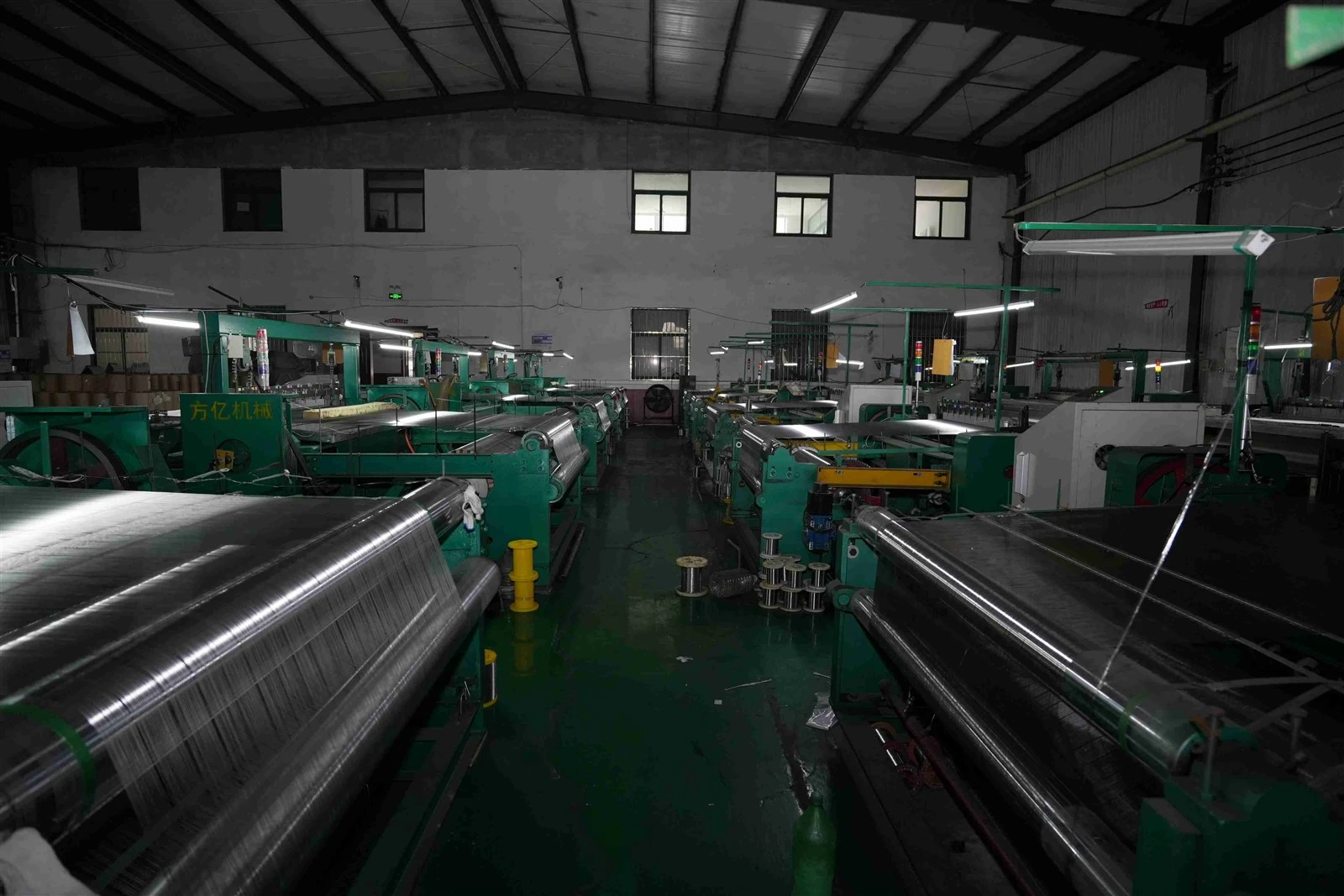

How Wire Mesh Is Manufactured
Wire mesh is produced through weaving or welding processes, each offering different levels of strength and filtration capability.
Woven Wire Mesh Construction
Woven wire mesh is created by interlacing wires over and under each other in a controlled pattern. This method is ideal for precise filtration applications because the aperture size remains consistent throughout the mesh. Industries such as hydraulic oil filtration, chemical processing, and fuel purification rely on woven mesh for accurate particle retention and stable micron performance.
Welded Wire Mesh Construction
Welded mesh is produced by electrically welding wires at their intersection points. This results in superior rigidity and structural strength, making it suitable for reinforcement, pre-filtration, and protective screening. Although less precise in micron accuracy, welded mesh withstands high loads and mechanical stresses.
Surface Treatment and Finishing
Wire mesh can be treated with epoxy, galvanization, or PVC coating to improve corrosion resistance, surface smoothness, or cleanability. Filtration systems often use epoxy-coated stainless steel mesh to reduce fouling and extend service life.


Types of Wire Mesh Used in Filtration
Different mesh types offer varying levels of precision, durability, and pressure tolerance.
Plain Weave Mesh for General Filtration
Plain weave mesh provides balanced strength and open-area ratio, making it ideal for hydraulic filters, fuel filters, and cooling systems. Its predictable pore geometry ensures stable micron retention.
Twill Weave Mesh for High-Pressure Systems
Twill weave withstands higher differential pressures because its diagonal structure distributes stress evenly. It is commonly used in chemical reactors, high-flow oil systems, and abrasive fluid filtration.
Dutch Weave Mesh for Fine Micron Filtration
Dutch weave offers extremely tight pore structures, suitable for fine polishing filters, chemical purification, and pharmaceutical-grade liquid filtration. It is preferred where ultra-precise separation is required.
Material Options for Wire Mesh
Stainless Steel Mesh (304/316/316L)
Stainless steel mesh dominates the filtration industry because of its chemical resistance, heat tolerance, and long lifespan. 316L is preferred for high-purity and corrosive environments.
Carbon Steel Mesh
Carbon steel mesh provides strong mechanical support at low cost, making it suitable for coarse filtration, mining screens, and construction reinforcement.
Specialty Alloy Mesh
Nickel, Inconel, Hastelloy, copper, and brass meshes are used in environments involving extreme temperatures, acids, solvents, or electrical conductivity requirements.
Industrial Applications of Wire Mesh
Hydraulic Oil and Fuel Filtration
Wire mesh protects pumps, valves, and cylinders from damaging particles. It is commonly used as pre-filtration support or as the main filtering layer in synthetic and stainless-steel filter elements.
For readers needing a deeper breakdown of how wire mesh functions specifically in hydraulic and fuel filtration systems, we recommend reading our extended guide below:
The Role of Wire Mesh in Hydraulic and Fuel Filtration Systems
Chemical and Liquid Processing
High-purity liquids require precise micron control, making wire mesh indispensable for chemical dosing systems, solvent purification, and beverage production.
For a deeper understanding of how wire mesh enhances liquid processing and chemical filtration performance, see our guide:
Wire Mesh in Liquid Processing and Chemical Filtration Systems.
Air and Gas Filtration
Coarse wire mesh supports pleated filters, HEPA panels, and industrial air cleaners by preventing deformation and improving airflow.
To explore how wire mesh improves air and gas filtration systems, including HVAC applications, read our detailed guide:
Wire Mesh in Air, Gas, and HVAC Filtration Systems.
Engineering Factors When Selecting Wire Mesh
Aperture Size and Micron Rating
The opening size directly determines what particles can pass. Engineers must consider particle load, contamination levels, and desired filtration precision.
Pressure Resistance and Strength
Wire diameter, weave pattern, and alloy type collectively determine the mesh's ability to resist pressure and mechanical stress.
Flow Rate and Open Area
Higher open area improves flow but reduces filtration accuracy. Finding the balance is essential for stable system performance.
Comparison Table - Wire Mesh Types and Their Applications
| Mesh Type | Best Use Case | Pressure Resistance | Micron Accuracy | Common Materials |
|---|---|---|---|---|
| Plain Weave | General filtration | Medium | Medium | SS304/316 |
| Twill Weave | High-pressure systems | High | High | SS316/316L |
| Dutch Weave | Ultra-fine filtration | Very High | Very High | SS316L |
| Welded Mesh | Support & reinforcement | Very High | Low | Carbon Steel, SS |


Manufacturing Processes That Define Wire Mesh Quality
Wire Drawing and Diameter Precision Control
Wire mesh performance begins with the precision of wire drawing, a process that determines the final wire diameter and mechanical consistency. High-quality mesh uses wires drawn through multiple dies to ensure dimensional uniformity, tensile strength, and surface smoothness. Diameter accuracy directly impacts mesh stability, aperture size consistency, and filtration efficiency. In industrial filtration-especially hydraulic oil, fuel, and chemical systems-even a minor deviation in wire diameter can lead to uneven flow distribution, premature clogging, or structural deformation under pressure. Precision-controlled drawing ensures that the wire can withstand repeated loading, vibration, or chemical exposure without fatigue. For manufacturers serving demanding applications, tight tolerance control (±0.005 mm) is considered essential. This base-level precision forms the foundation for high-quality weaving and long-term system reliability.
Weaving Technology and Aperture Accuracy
Advanced weaving machines determine how accurately wire mesh maintains its aperture size and geometric stability. Automated looms apply consistent tension to prevent wire shifting, distortion, or wave patterns that could compromise filtration precision. In hydraulic and fuel systems, even small irregularities can cause uneven micron retention or allow contaminants to bypass through larger-than-expected openings. High-precision weaving ensures that every intersection is tightly bound, creating a consistent and predictable flow path. Modern looms also support complex patterns-plain, twill, Dutch, reverse Dutch-allowing engineers to match structural strength with desired micron ratings. Tight weaving tolerances extend mesh lifespan by minimizing wear caused by fluid turbulence or mechanical vibration. Ultimately, weaving quality determines the mesh's suitability for fine filtration, structural reinforcement, or high-pressure applications.
Surface Treatment for Corrosion and Fouling Resistance
Once woven, wire mesh undergoes surface treatments that enhance durability, corrosion resistance, and fouling prevention. Stainless steel mesh may receive pickling and passivation to remove impurities and form a protective chromium oxide layer. Epoxy-coated mesh is used in environments with strong chemicals or moisture, where uncoated steel would degrade quickly. For filtration systems, cleanability is a major concern; treated surfaces reduce particle adhesion and improve backwashing efficiency. Electro-polished mesh is preferred in food, pharmaceutical, and high-purity applications due to its ultra-smooth finish. Surface treatment also affects fatigue resistance, critical in hydraulic oil filters subjected to pulsating pressure cycles. Without proper finishing, the mesh may suffer early wire cracking, rust, or clogging, reducing operational lifespan. Selecting the correct treatment ensures maximum reliability and minimized maintenance.
Structural Behavior of Wire Mesh Under Industrial Stress
Load Distribution and Tensile Strength in Dynamic Systems
Wire mesh in filtration and separation systems often operates under dynamic loads-pressure pulses, vibration, and flow turbulence. Tensile strength determines how well the mesh resists stretching or deformation under these conditions. Thicker wires distribute mechanical stress more effectively, making woven wire mesh ideal for supporting finer filter media. In hydraulic oil circuits, pressure fluctuations may reach several hundred PSI, requiring mesh that maintains geometric stability without permanent deformation. Engineers evaluate breaking strength, elastic modulus, and yield point to ensure compatibility with system demands. Wire mesh that lacks adequate tensile strength may bow, warp, or fail prematurely, causing micron inaccuracy or damage to downstream components. Proper structural performance ensures long-term reliability and predictable operation in filtration, screening, and reinforcement applications.
Fatigue Resistance and Long-Term Durability
Industrial filtration systems expose mesh to repetitive loading cycles that can cause metal fatigue. Fatigue resistance determines whether the mesh maintains integrity over thousands of pressure oscillations or thermal expansion cycles. Stainless steel meshes-especially 316 and 316L-exhibit high fatigue tolerance due to their superior ductility and corrosion resistance. In hydraulic and chemical filtration, where pressure cycles occur continuously, fatigue failure may lead to wire cracking, aperture deformation, or total structural collapse. Proper weave design, adequate wire diameter, and appropriate material selection dramatically extend service life. Dutch weaves, for example, offer excellent stability for fine filtration under high pressure. Fatigue resistance also affects maintenance schedules, helping operators optimize replacement intervals and reduce downtime. High-end mesh may last years longer than low-grade alternatives.
Impact Resistance and Deformation Behavior
Wire mesh frequently encounters physical impacts-from solid particles, slurry abrasion, or installation handling. Impact resistance determines how well the mesh withstands sudden mechanical forces without breaking or deforming. Coarse wire mesh with thicker wires provides superior impact strength and is often used in mining screens, pre-filtration, and mechanical protection layers. Fine wire cloth, although more delicate, resists deformation better when supported by a rigid backing mesh. In industrial filtration, deformation can alter aperture size and compromise micron accuracy. Selecting mesh with appropriate rigidity prevents collapse under vacuum pressure or crushing during assembly. Operators must consider particle hardness, velocity, and flow characteristics when choosing mesh for abrasive environments. Strong impact resistance ensures stable performance in demanding operating conditions.
Wire Mesh Selection Strategies for Engineering Teams
Matching Mesh Specifications to Filtration Stages
Engineers rarely use a single mesh type for an entire filtration system. Instead, they design multi-stage filtration processes with coarse mesh for pre-filtration and fine wire cloth for polishing filtration. Matching mesh specifications-wire diameter, aperture size, and weave pattern-to each stage determines overall system efficiency. For hydraulic oil systems, coarse mesh removes large debris before fine wire cloth captures micro-contaminants. This approach minimizes clogging, reduces pressure drops, and extends filter lifespan. Engineers must evaluate the expected particle size distribution, flow rate, and contamination load to select the optimal mesh combination. Proper specification matching ensures stable performance, cost efficiency, and extended system longevity.
Evaluating Environmental and Chemical Conditions
Environmental factors such as chemical exposure, temperature, humidity, and pH levels greatly influence mesh selection. Stainless steel meshes excel in chemical filtration due to corrosion resistance, while coated carbon steel may suffice for less demanding environments. High-temperature conditions require heat-resistant alloys like 310S or Inconel. Engineers must analyze compatibility with process fluids to prevent corrosion, pitting, or stress cracking. Fluid properties-viscosity, aggressiveness, and temperature-determine the mesh's expected lifespan and required surface treatment. Selecting mesh based on environmental demands reduces replacement frequency and prevents system failures. Proper assessment ensures long-term reliability.
Cost Optimization Without Compromising Performance
In industrial projects, cost-performance balance is critical. Wire mesh options range from economical carbon steel to premium stainless steel or specialty alloys. Engineers must weigh upfront costs against long-term operating expenses. Premium materials may reduce maintenance, downtime, and replacement frequency, often yielding better lifetime value. In some systems, using a combination-such as carbon steel mesh for structural support and stainless steel wire cloth for fine filtration-provides optimal performance at a reduced cost. Evaluating total cost of ownership, rather than initial price, ensures financially sound decisions. Proper cost optimization enhances competitiveness without compromising system reliability.


Failure Modes and Troubleshooting of Wire Mesh Systems
Common Mechanical Failures and Their Causes
Wire mesh failures often result from mechanical stress, metal fatigue, improper installation, or chemical corrosion. Common issues include mesh distortion, broken wires, frayed edges, and aperture deformation. These failures negatively impact filtration efficiency, potentially allowing contaminants to bypass and damage sensitive equipment. In hydraulic applications, even small failures can cause severe system wear or clogging. Understanding root causes-overloading, poor material selection, incorrect weave, or inadequate support-helps engineers prevent recurrence. Comprehensive failure analysis allows operators to redesign components, adjust operating conditions, or select stronger mesh material.
Flow-Related Problems and Performance Degradation
Flow-related issues such as turbulence, pressure drop, and clogging occur when mesh selection does not match system requirements. Fine wire cloth may clog quickly under high-solid loads, while coarse mesh may fail to retain target particles. Improper flow distribution leads to uneven media wear and reduced efficiency. Engineers can mitigate these problems by optimizing mesh aperture size, thickness, and weave type for expected fluid behavior. Regular monitoring-pressure differentials, flow rates, contamination levels-helps anticipate and resolve performance degradation. Proper troubleshooting ensures consistent filtration quality and minimizes downtime.
Preventive Maintenance to Mitigate Failures
Preventive maintenance extends mesh lifespan and reduces system failures. Recommended practices include scheduled inspections, ultrasonic cleaning, chemical flushes, and flow testing. Early detection of wear and corrosion allows operators to replace components before catastrophic failure occurs. Proper handling and storage also prevent damage prior to installation. In demanding hydraulic or chemical systems, maintenance intervals should be based on contamination load and operational stress. Structured maintenance programs significantly improve long-term reliability and cost efficiency. Preventive care ensures mesh maintains original micron accuracy and structural integrity.
Industry-Specific Use Cases for Wire Mesh
Hydraulic and Fuel Filtration Applications
Wire mesh plays a vital role in hydraulic and fuel systems by protecting pumps, valves, injectors, and actuators from harmful contaminants. Coarse mesh serves as pre-filtration, removing large particles that could accelerate wear. Fine wire cloth ensures micron-level retention to maintain system cleanliness. Stainless steel meshes provide chemical resistance against oil additives, fuels, and hydraulic fluids. Proper mesh selection prevents clogging, stabilizes pressure, and extends service life. In high-precision environments-automotive, aerospace, heavy equipment-reliable filtration is essential for maintaining performance and preventing costly failures.
Chemical Processing and Liquid Purification
Chemical processing industries rely heavily on wire mesh for liquid separation, catalyst retention, and contamination control. Stainless steel wire cloth provides consistent micron ratings and withstands corrosive chemicals. Mesh filters are used in reactors, pipelines, clarifiers, and solvent recovery systems. Dutch weaves-known for fine retention-are essential in high-purity applications. Proper mesh selection ensures product consistency, reduces fouling, and minimizes downtime. The ability to withstand high temperature and pressure makes wire cloth indispensable in chemical filtration operations.
Air, Gas, and HVAC Filtration
Wire mesh is widely used in air filtration systems for support, pre-filtration, and structural reinforcement. Mesh prevents damage to delicate filter media, distributes airflow evenly, and minimizes turbulence. Stainless steel mesh resists corrosion in humid or outdoor environments. Applications include HVAC units, industrial air cleaners, turbine inlets, and cleanrooms. Wire mesh also supports pleated HEPA filters, ensuring they maintain shape and performance under high airflow. Proper mesh selection enhances efficiency, reduces energy consumption, and prolongs filter life.
Conclusion
Wire mesh plays a foundational role across modern engineering, filtration, architecture, and industrial manufacturing because of its structural versatility and wide range of material configurations. Understanding what wire mesh is-and how its wire diameter, weave pattern, opening size, and alloy selection influence performance-allows engineers and procurement teams to select solutions that are mechanically strong, reliable, and compatible with specialized operating conditions. From hydraulic oil filtration to large-scale material screening, wire mesh serves as both a protective layer and a functional filtration or reinforcement medium. Its adaptability across pressure levels, temperatures, and chemical exposures makes it a preferred choice in industries that demand predictable and continuous performance.
In filtration-focused applications, wire mesh contributes more than surface-level strength. It stabilizes multi-layer filter assemblies, protects delicate wire cloth, and provides consistent pre-filtration that extends downstream media life. Whether used in coarse screening, slurry separation, or as a support cage for pleated filters, wire mesh ensures uniform flow distribution and reduces the risk of collapse during high-pressure operations. Choosing the right aperture size, opening ratio, and wire material helps control clogging behavior, maintain flow efficiency, and reduce maintenance interruptions. As industries push toward higher cleanliness standards-especially in hydraulics, petrochemicals, food processing, and precision fuel systems-the role of correctly specified wire mesh becomes even more critical for system reliability and contamination control.
Looking forward, advancements in alloy engineering, automated weaving, and surface treatment technologies will expand the performance capabilities of wire mesh even further. Engineers will continue to rely on wire mesh for its balance of strength, corrosion resistance, and cost-effectiveness, but new applications-such as battery production, renewable energy systems, fine chemical refinement, and advanced aerospace components-will demand even greater accuracy and durability. By understanding the principles outlined in this guide and continuously evaluating operational needs, businesses can maximize the longevity, efficiency, and return on investment of every filtration or structural system that incorporates wire mesh. Ultimately, mastering wire mesh selection and application is key to achieving consistent performance, reducing downtime, and ensuring long-term success across complex industrial environments.