





Stainless steel mesh is a critical component across filtration, separation, reinforcement, and protective applications. Different grades-304, 316, 316L, and 430-offer unique properties in corrosion resistance, mechanical strength, temperature tolerance, and chemical compatibility. Choosing the appropriate grade is essential for engineers and procurement teams to ensure filtration efficiency, long-term durability, and cost-effectiveness. This guide examines each grade in detail, exploring composition, advantages, limitations, and common industrial applications.

Grade 304 Stainless Steel Mesh
Composition and Key Properties
Grade 304 stainless steel contains roughly 18% chromium and 8% nickel, forming an austenitic structure. Chromium provides corrosion resistance by forming a passive oxide layer, while nickel enhances ductility, toughness, and structural stability. The mesh maintains integrity from -200°C to 870°C, suitable for indoor, outdoor, and moderate industrial environments. Its tensile strength and elongation allow repeated mechanical stress, vibration, or pressure pulses without deformation. While 304 offers moderate resistance to acids and bases, it is less resistant to chloride-rich environments than 316. The combination of durability, chemical tolerance, and flexibility makes it ideal for general-purpose filtration, structural support, and protective screening applications.
Applications in Filtration Systems
304 mesh is widely used in hydraulic oil, fuel, chemical, and HVAC filtration systems. In hydraulic filters, it often serves as pre-filtration or structural support for finer wire cloth. In air filtration, it reinforces pleated or HEPA filters, preventing collapse under high airflow or differential pressure. The food and beverage industry uses 304 mesh for sieving, straining, and screening due to corrosion resistance and compliance with hygiene standards. Moderate chemical resistance allows use in solvent recovery and chemical dosing systems. Its affordability combined with versatility makes it a standard material for general industrial applications, providing reliable long-term performance.
Advantages of Using 304 Mesh
304 mesh offers durability, versatility, and ease of fabrication. It can be woven or welded into a range of aperture sizes and wire diameters, suitable for both coarse and fine filtration. The mesh maintains dimensional stability under mechanical stress, ensuring consistent micron retention and flow control. Weldability and bendability allow custom filter shapes, while cleaning with ultrasonic, chemical, or mechanical methods prolongs operational life. Its balance between corrosion resistance and cost-effectiveness makes 304 mesh highly reliable where extreme chemical tolerance is not required.
Limitations and Considerations
Despite its benefits, 304 mesh is susceptible to chloride-induced pitting and crevice corrosion in marine or harsh chemical environments. Strong acids, alkalis, or salty water reduce its lifespan. Compared to 316 and 316L, 304 offers moderate chemical resistance and is less suitable for high-purity applications. Welding can slightly reduce intergranular corrosion resistance unless low-carbon variants are used. High-pressure or abrasive systems may require thicker or more robust meshes. Engineers must specify wire diameter, weave pattern, and maintenance schedule to ensure reliability and avoid premature failure.
For a more detailed exploration of 304 stainless steel mesh properties and applications, see our dedicated guide:
Properties and Applications of 304 Stainless Steel Mesh.
Grade 316 Stainless Steel Mesh
Composition and Enhanced Corrosion Resistance
Grade 316 stainless steel includes 16–18% chromium, 10–14% nickel, and 2–3% molybdenum. The addition of molybdenum significantly improves resistance to chloride corrosion, pitting, and crevice corrosion, making it suitable for marine, chemical, and high-salinity environments. Like 304, 316 maintains an austenitic structure, providing toughness and ductility at both high and low temperatures. Its mechanical strength ensures mesh stability under dynamic loads, vibration, and pressure fluctuations. 316 is commonly used where both chemical resistance and structural integrity are critical, including hydraulic, fuel, and chemical filtration.
Industrial Applications
316 mesh is widely applied in corrosive environments such as saltwater filtration, chemical processing, and pharmaceutical manufacturing. In hydraulic systems, it protects pumps, valves, and actuators from particle contamination in aggressive fluids. Fuel filtration systems rely on 316 mesh for ethanol-blended fuels, biodiesel, and high-sulfur diesel. Its resistance to corrosion allows it to maintain micron retention and structural stability without frequent replacement. Food, beverage, and pharmaceutical industries use 316 mesh for fine sieving and solvent filtration, ensuring product purity and compliance with industry standards.
Advantages in Chemical and Marine Environments
The key advantage of 316 mesh is its superior corrosion resistance, particularly against chlorides and oxidizing agents. It is highly durable under abrasive or high-pressure flow conditions, providing structural support to delicate filter media. It withstands chemical exposure without losing dimensional stability or pore accuracy. 316 mesh can be cleaned repeatedly using ultrasonic, chemical, or mechanical methods without degradation. Its resistance to fatigue and mechanical stress ensures long-term performance in demanding filtration systems.
Limitations and Cost Considerations
316 mesh is more expensive than 304, which may be a concern for large-scale projects. While it is highly corrosion-resistant, extremely aggressive acids or high-temperature chemical processes may still require specialty alloys. For extreme chloride exposure, careful attention must be paid to installation and maintenance to prevent localized corrosion. Engineers must balance upfront cost with long-term performance, ensuring that 316 mesh is used where its benefits justify the investment.
Grade 316L Stainless Steel Mesh
Composition and Low-Carbon Benefits
Grade 316L is a low-carbon variant of 316 stainless steel, typically containing less than 0.03% carbon. The reduced carbon content minimizes the risk of intergranular corrosion after welding or high-temperature exposure. 316L maintains the excellent corrosion resistance of 316, particularly against chlorides, while providing additional stability in welded or high-temperature applications. Its austenitic structure ensures ductility and toughness, allowing the mesh to withstand repeated mechanical stresses, vibration, and thermal cycling without deformation. These properties make 316L ideal for critical filtration systems in chemical, pharmaceutical, and marine environments, where both purity and mechanical integrity are required.
Industrial Applications
316L mesh is frequently used in chemical reactors, pharmaceutical processing, and high-purity liquid filtration. In hydraulic oil and fuel systems, it provides durable support for fine wire cloth while resisting aggressive fluids. Food and beverage industries use 316L for solvent filtration, catalyst retention, and strainers, ensuring hygienic compliance. Marine applications benefit from 316L's enhanced resistance to saltwater corrosion. Its low carbon content makes it suitable for welded frames and multi-stage filter assemblies, where the risk of intergranular corrosion could compromise performance or require frequent maintenance.
Advantages of Using 316L
316L offers the combined benefits of high corrosion resistance, structural stability, and suitability for welded or complex assemblies. Its low carbon content reduces the risk of corrosion at heat-affected zones, extending operational life. Mesh constructed from 316L maintains micron accuracy and flow consistency over long-term use, even under chemical exposure or temperature fluctuations. Reusability is another advantage: the mesh can be backwashed, chemically cleaned, or mechanically brushed without degradation. For engineers specifying high-purity or highly corrosive systems, 316L provides predictable, reliable performance.
Limitations and Considerations
Despite its advantages, 316L remains more costly than 304 and requires careful material selection for extremely aggressive chemical environments. High chloride concentrations combined with elevated temperatures can still lead to localized pitting if maintenance is neglected. Its mechanical strength is slightly lower than standard 316, so thicker wires or reinforced structures may be necessary in high-pressure systems. Engineers must weigh cost against corrosion resistance, mechanical needs, and cleaning requirements to ensure system reliability. Proper specification, installation, and preventive maintenance remain critical to maximizing lifespan and performance.
For an in-depth guide on 316 and 316L stainless steel mesh in aggressive environments, see:
316 and 316L Stainless Steel Mesh for Corrosive Applications.
Grade 430 Stainless Steel Mesh
Composition and Magnetic Properties
Grade 430 is a ferritic stainless steel containing 16–18% chromium and very low nickel. Unlike austenitic stainless steels (304/316), 430 is magnetic and offers moderate corrosion resistance. Its ferritic structure provides good resistance to stress corrosion cracking and excellent formability for welded or fabricated components. While not suitable for highly corrosive environments, 430 is ideal for indoor or dry conditions and applications where magnetic properties are desirable. Its mechanical strength allows use in coarse filtration, structural support, and reinforcement applications, but it is less ductile than 304 or 316.
Applications in Filtration and Industry
430 mesh is commonly used in air filters, HVAC panels, decorative screening, and general-purpose sieving where corrosion exposure is limited. Its magnetic property is advantageous in electromagnetic applications or where metal detection is required. In industrial settings, 430 mesh supports coarse filtration in non-corrosive fluids and provides structural reinforcement in protective screens. It is often chosen for applications prioritizing cost efficiency over chemical resistance, offering durability, ease of fabrication, and low maintenance in suitable environments.
Advantages of 430 Mesh
The key advantages of 430 mesh include affordability, magnetic response, and good mechanical strength in low-corrosion environments. It can be welded, bent, or formed into custom shapes, making it versatile for engineering and architectural applications. While it lacks the high corrosion resistance of 304/316, its hardness and rigidity allow effective coarse filtration and support structures. 430 mesh is often selected for cost-conscious projects, indoor air filtration, or screening applications where chemical exposure is minimal and structural stability is the primary requirement.
Limitations and Considerations
430 mesh is vulnerable to pitting and rust in high-humidity or chemically aggressive environments. Its lower ductility limits use in high-pressure hydraulic or chemical systems. Stainless steel alloys such as 304 or 316 are preferred for corrosive or high-purity applications. Maintenance and protective coatings can mitigate rust formation, but engineers must carefully evaluate environmental exposure. 430 mesh is best applied in non-critical filtration, air handling, decorative screens, or indoor reinforcement, where performance requirements align with its properties and limitations.

Learn more about 430 stainless steel mesh applications in:
430 Stainless Steel Mesh: Cost-Effective Industrial and Structural Applications.
Corrosion Resistance and Environmental Performance
Factors Affecting Corrosion Resistance
Corrosion resistance in stainless steel mesh is influenced by alloy composition, surface finish, and environmental exposure. High chromium and nickel content improves resistance to oxidation, pitting, and stress corrosion cracking. In chloride-rich or acidic environments, 316 and 316L outperform 304 and 430. Surface treatments such as passivation, electro-polishing, and epoxy coatings further protect the mesh. Engineers must consider temperature, humidity, chemical exposure, and pH levels when specifying mesh for filtration, HVAC, or chemical processing to prevent premature degradation.
Effect of Surface Finishes on Durability
The surface finish of stainless steel mesh directly impacts fouling resistance, cleanability, and longevity. Smooth, polished finishes reduce particle adhesion and make cleaning processes like backwashing or ultrasonic treatment more effective. Rougher finishes may trap contaminants, accelerating corrosion. Epoxy or PVC-coated meshes resist chemical attack in harsh environments. Correct selection of surface finish ensures both operational efficiency and extended service life in hydraulic systems, fuel filtration, chemical reactors, and food-grade applications.
Environmental Performance in Industrial Settings
Stainless steel mesh must maintain integrity under varying environmental conditions, including temperature fluctuations, moisture, and exposure to aggressive chemicals. Proper alloy selection ensures mesh can withstand thermal expansion without warping or fatigue. In marine, chemical, or high-humidity environments, 316L is preferred, while 430 may suffice for dry or indoor applications. Understanding environmental performance allows engineers to predict maintenance cycles, reduce downtime, and extend mesh lifespan across industrial systems.
Mechanical Properties and Strength Considerations
Tensile Strength and Load-Bearing Capacity
Tensile strength determines how much load a stainless steel mesh can endure before deforming or breaking. Thicker wires and tighter weaves increase mechanical strength, making the mesh suitable for structural support, pre-filtration, or coarse screening. Engineers calculate load-bearing requirements based on system pressure, fluid velocity, and particle mass to ensure mesh stability. In hydraulic or fuel filtration systems, improper tensile specification can lead to mesh collapse, micron inconsistency, and damage to downstream components.
Flexibility versus Rigidity
Mesh rigidity affects installation, handling, and compatibility with filter housings. Austenitic meshes (304/316/316L) are more ductile and can conform to curved or custom housings, while ferritic 430 is more rigid and ideal for flat or structural applications. Flexible mesh allows tighter fits in compact filtration units but may require backing support to prevent deformation under pressure. Balancing flexibility and rigidity is crucial for multi-stage filtration, high-pressure oil systems, or chemical reactors.
Fatigue Resistance Under Cyclical Stress
Repeated loading and vibration can fatigue stainless steel mesh over time. Fatigue resistance is critical in hydraulic systems, pumps, and chemical processing equipment, where pressure fluctuations occur continuously. Mesh with high fatigue resistance maintains aperture geometry and micron retention over thousands of cycles, reducing the need for replacement. Engineers select alloys, wire diameters, and weave patterns to optimize fatigue performance for each application.
Thermal and Chemical Stability
High-Temperature Resistance
Certain applications, such as chemical reactors or oil filtration at elevated temperatures, require mesh that maintains strength without warping. 316 and 316L resist oxidation and thermal expansion at temperatures exceeding 500°C, while 304 tolerates moderately high temperatures. Ferritic 430 has lower high-temperature performance but can still be used in HVAC or air filtration. Correct alloy selection ensures mesh stability and prevents contamination due to thermal deformation.
Chemical Compatibility
Mesh in contact with acids, alkalis, solvents, or fuel additives must resist corrosion while preserving micron accuracy. 316/316L excels in aggressive chemical environments, 304 is suitable for mild chemicals, and 430 is limited to non-aggressive conditions. Engineers evaluate pH, concentration, temperature, and flow characteristics to choose mesh that will withstand operational conditions without structural compromise.
Impact on Filtration Performance
Chemical and thermal stability directly influence filtration efficiency. Mesh exposed to incompatible chemicals may corrode, change aperture size, or fail mechanically, allowing contaminants to bypass filters. Properly selected alloys retain micron consistency, flow rates, and structural integrity, ensuring reliable operation across industrial, chemical, and hydraulic applications.
Maintenance, Cleaning, and Longevity of Stainless Steel Mesh
Recommended Cleaning Methods
Effective cleaning ensures long-term mesh performance. Backwashing, ultrasonic cleaning, chemical soaking, or mechanical brushing remove trapped particles without damaging wire surfaces. The method depends on mesh type, weave pattern, and the type of fluid filtered. Frequent cleaning prevents clogging, corrosion, and fatigue-related failures, prolonging service life.
Inspection and Monitoring Practices
Regular inspection identifies wear, corrosion, or aperture deformation early. Operators monitor pressure drop, flow rate, and visual signs of fatigue or rust. Early detection allows planned maintenance rather than emergency replacement, minimizing system downtime and preventing contamination of hydraulic, fuel, or chemical systems.
Preventive Measures for Longevity
Preventive strategies include proper storage, handling, surface treatment, and installation support. Mesh should be stored in dry, controlled environments and protected from crushing or bending. Selecting the correct alloy, wire diameter, and weave pattern reduces maintenance frequency, ensures consistent micron accuracy, and extends operational life in demanding industrial conditions.
Applications of Different Stainless Steel Mesh Grades

304 Stainless Steel Mesh in General Filtration
304 stainless steel mesh is widely used in applications where moderate chemical resistance and temperature tolerance are sufficient. Common industries include HVAC systems, water filtration, and food processing. Its balanced composition of chromium and nickel offers good corrosion resistance against mild oxidizing agents and provides structural integrity for repeated use. Engineers select 304 mesh when operational environments are relatively stable, with limited exposure to strong acids, chlorides, or high temperatures. Its cost-effectiveness and availability make it suitable for bulk filtration tasks, protective screens, and industrial sieving. Proper installation ensures the mesh maintains dimensional stability, consistent aperture sizes, and predictable filtration efficiency, extending the service life of the system.

316 and 316L Mesh for Corrosive Environments
316 and 316L stainless steel meshes are preferred for high-corrosion applications due to their higher molybdenum content, which improves resistance to pitting and crevice corrosion. These grades are ideal for chemical processing, pharmaceuticals, and marine environments where exposure to chlorides, acids, or saline solutions is frequent. The low-carbon variant, 316L, further minimizes sensitization during welding, making it suitable for complex filter assemblies. Engineers use 316/316L mesh to maintain micron accuracy and prevent contamination over long operational cycles. Its enhanced chemical and temperature resilience ensures predictable performance in aggressive fluids, reduces maintenance requirements, and prolongs the life of both the mesh and downstream filter media.
430 Stainless Steel in Low-Corrosion, Structural Applications
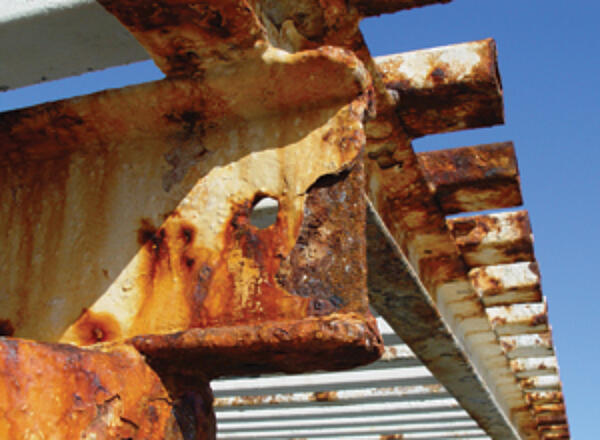
430 stainless steel mesh is a ferritic alloy with good strength, low cost, and moderate corrosion resistance in dry or mildly oxidizing environments. It is frequently used in air filtration, decorative panels, and industrial screening where chemical exposure is limited. While not suitable for aggressive chemicals or high-chloride conditions, 430 mesh provides structural support, abrasion resistance, and dimensional stability. Its lower nickel content makes it more rigid, which can be advantageous in certain installation geometries. Engineers often pair 430 mesh with protective coatings or backing structures to improve longevity in moderate-duty applications. Choosing 430 requires careful consideration of environmental conditions to prevent premature corrosion or structural failure.
Cost, Procurement, and Industry Considerations
Balancing Performance and Cost
Selecting the appropriate stainless steel mesh grade involves evaluating both performance requirements and budget constraints. 304 mesh is generally the most cost-effective for moderate applications, while 316 and 316L offer higher durability and corrosion resistance but at a higher price point. 430 provides a low-cost option for non-corrosive structural uses. Engineers must weigh material cost against maintenance savings, system longevity, and downtime reduction. An upfront investment in higher-grade mesh often reduces long-term operational costs by minimizing replacement frequency, avoiding contamination, and maintaining filtration efficiency.
Procurement Challenges and Supply Chain Factors
Procurement of stainless steel mesh requires consideration of lead times, availability, and consistency in wire diameter and weave precision. Specialty grades like 316L may have longer lead times or require specific certifications for use in pharmaceutical, food, or chemical applications. Suppliers must ensure tight tolerances, consistent surface treatment, and compliance with industry standards to guarantee operational reliability. Engineers and procurement teams collaborate to evaluate vendors' quality assurance processes, inventory capacity, and adherence to standards such as ASTM, ISO, or FDA guidelines to avoid delays or compromised mesh quality.
Industry-Specific Preferences and Standards
Different industries have unique specifications and regulatory requirements for stainless steel mesh. Food and beverage applications prioritize sanitary finishes, smooth surfaces, and corrosion resistance, favoring 316/316L mesh. Chemical processing emphasizes resistance to aggressive fluids, thermal stability, and precise micron control. HVAC and general industrial filtration may rely on 304 or 430 mesh for structural stability and cost efficiency. Understanding industry standards, local regulations, and operational expectations allows engineers to specify the optimal mesh grade, balance performance and cost, and ensure compliance with safety and quality requirements.
Conclusion
Understanding the differences between stainless steel mesh grades-304, 316, 316L, and 430-is essential for engineers, procurement teams, and maintenance professionals. Each grade offers unique properties in terms of corrosion resistance, tensile strength, chemical tolerance, and cost. Selecting the correct grade ensures that filtration, screening, or structural applications perform reliably under specific environmental conditions. From moderate-duty 304 mesh to highly resistant 316L, the choice directly impacts system longevity, operational efficiency, and maintenance frequency. Careful consideration of wire diameter, weave pattern, and surface finish further enhances the performance and durability of the mesh in demanding industrial processes.
Beyond material selection, understanding the operational context-including chemical exposure, temperature, pressure, and regulatory standards-is equally critical. Proper specification and installation of the mesh prevent premature failures, contamination, and downtime. Investing in the appropriate stainless steel mesh grade not only safeguards equipment but also reduces long-term operational costs and ensures compliance with industry requirements. By combining informed grade selection with precise engineering and maintenance practices, industries can achieve optimal filtration, structural support, and process reliability across diverse applications.