






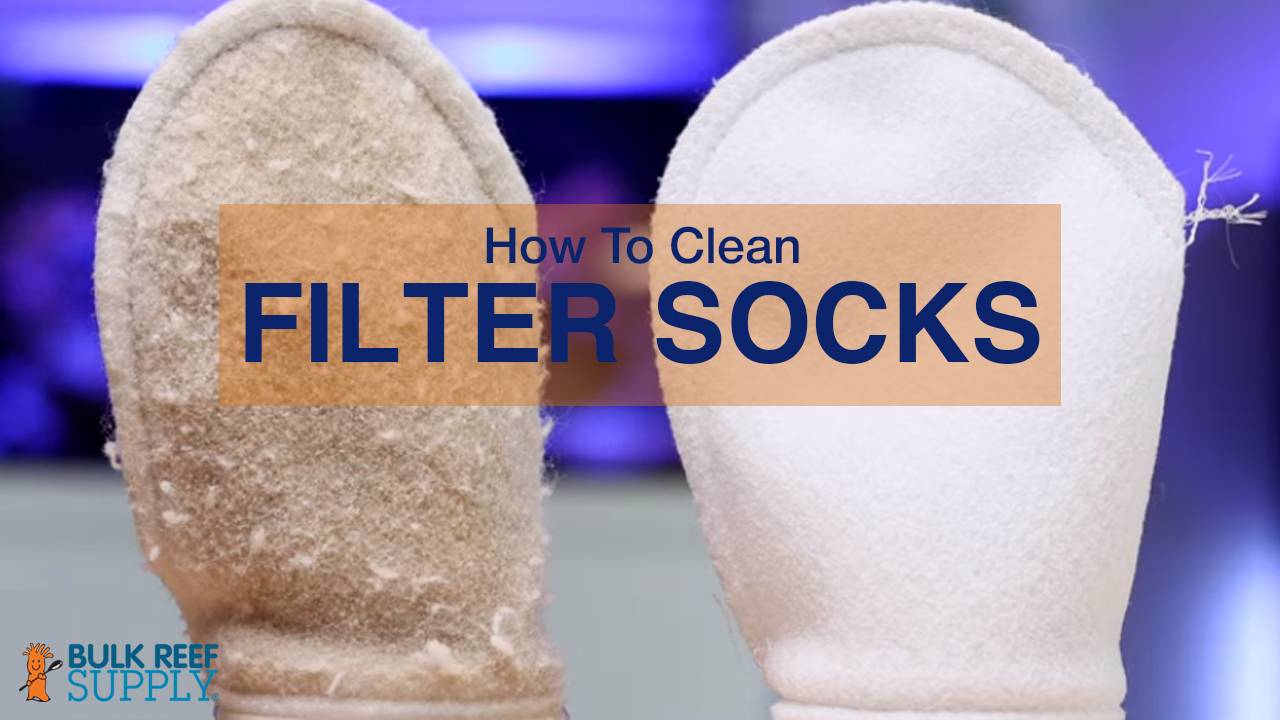
Filter socks are one of the unsung heroes of aquarium filtration: simple in concept but powerful in practice. They catch detritus, uneaten food, and other particulates before water flows deeper into your filtration system. But left uncleaned, these socks can become hotspots for waste breakdown, feeding unwanted nitrate and phosphate levels back into your system. That's why mastering effective cleaning - so you can reuse filter socks again and again - is not just convenient, it's crucial for tank health.
This article covers everything from how filter socks work to step-by-step cleaning methods (with pros and cons), maintenance schedules, materials comparison, and best practices to keep your aquarium sparkling. We've also included handy tables and pro tips to make the process easy to follow.
1. What Are Filter Socks and Why They Matter
Filter socks are mechanical filtration media placed at the point where water exits your aquarium's overflow and enters a sump or filtration compartment. Their job is to trap larger waste particles so that the rest of your filtration system (protein skimmers, bio media, chemical filters) can work more efficiently.
How Filter Socks Work
|
Feature |
Purpose |
|
Mechanical Filtration |
Captures solids, detritus, and particulate waste before it breaks down. |
|
Debris Control |
Removes uneaten food and fish waste that would otherwise contribute to water quality issues. |
|
First Line of Defense |
Protects pumps and secondary filtration from clogging and overload. |
|
Improves Water Clarity |
Helps maintain clearer display water. |
If filter socks are left dirty for too long, they can do more harm than good - rotting organic matter will begin to release unwanted nitrogen compounds like nitrate and phosphate back into your aquarium.
2. Types of Filter Socks
Filter socks vary by material, size, and mounting style. Here's a simple breakdown:
|
Type |
Description |
Pros |
Cons |
|
Felt Filter Socks |
Thick felt material with fine porosity. |
Excellent debris removal. |
Clogs faster; harder to clean. |
|
Nylon Mesh Socks |
Thin mesh material. |
Easier to clean; less frequent clogging. |
Doesn't catch as much debris. |
|
Drawstring Socks |
No rigid top - tied to a pipe or tube. |
Flexible mounting. |
Not as stable as ring-top socks. |
|
Ring-Top Socks |
Rigid plastic ring for secure placement in a holder. |
Stable mounting; common. |
Slightly more expensive. |
|
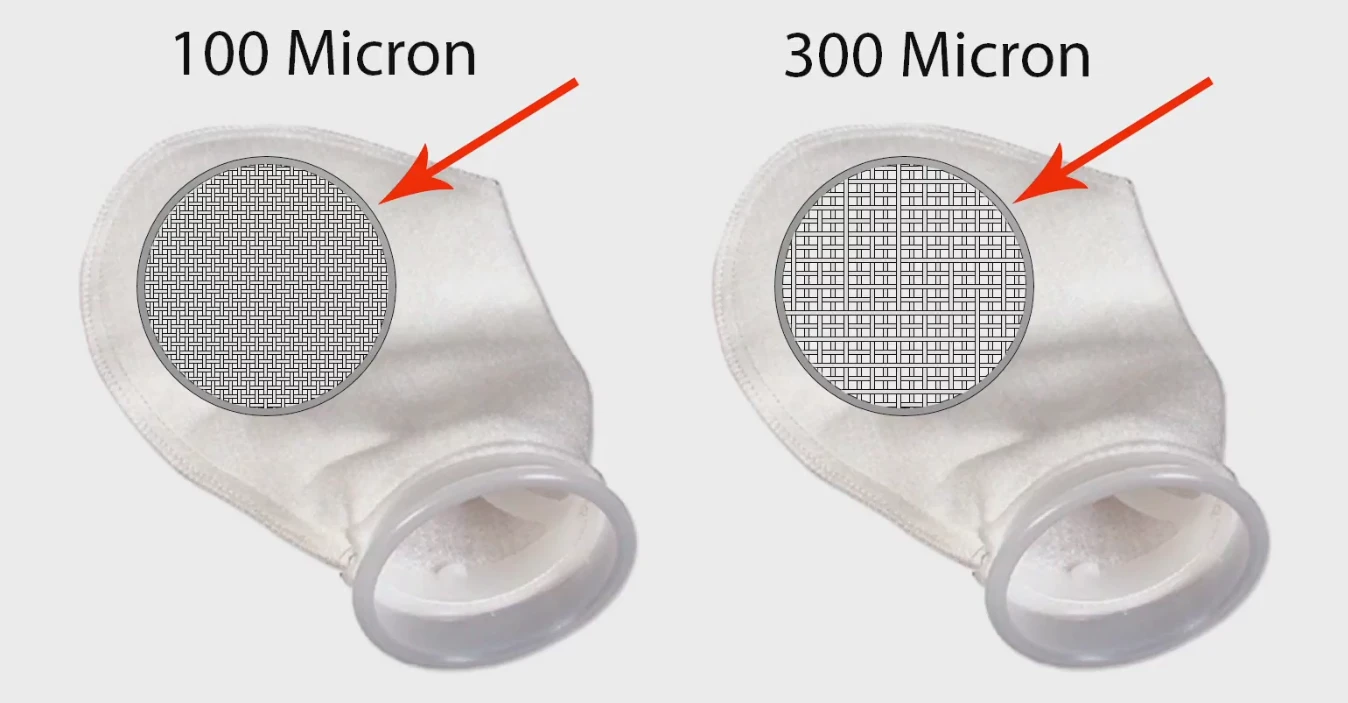
Different Micron Ratings |
Smaller micron = finer filter. |
More debris trapped per pass. |
Clogs faster; more frequent cleaning needed. |
3. When to Clean Your Filter Socks
The general rule of thumb is to check socks frequently - at least every 3–5 days - or whenever they appear heavily discolored or start to overflow.
Signs Your Filter Socks Need Cleaning
Water backing up over the top of the sock.
Dark brown/black discoloration on the sock.
Slower water flow through your sump.
Noticeable odor around your filtration area.
Routine replacement (rotating socks) and batch cleaning keeps filtration consistent and your tank healthy.
4. Main Cleaning Methods for Reuse
There are three highly effective ways hobbyists clean their filter socks for reuse:
A. Washing Machine Method
This is often the most efficient and thorough method.
Step-by-Step
1.Turn socks inside out to expose the dirtiest surfaces.
2.Run a hot rinse cycle on your washer first to clear any residual soaps.
3.Add the socks and run a heavy-duty hot water cycle. Add 2–3 capfuls of fragrance-free bleach (no detergent!).
4.After washing, air dry for at least 48 hours so chlorine can fully evaporate.
5.If you need to use the socks sooner, soak them in a bucket of fresh water + aquarium water conditioner to neutralize any bleach smell.
Pros
Very thorough sanitization.
Great for cleaning batches at once.
Cons
Requires washer access.
Must ensure all bleach is removed before reuse.
B. Bucket Soak Method
Ideal if you don't have a dedicated washer.
How to Do It
1.Fill a bucket with hot water.
2.Add 1–2 capfuls of fragrance-free bleach per gallon of water.
3.Let socks soak several hours or overnight.
4.Rinse thoroughly inside and out under running water.
5.Consider a second bucket soak with fresh water and water conditioner to neutralize bleach.
6.Air dry before reuse.
Pros
Doesn't require machines.
Works well for a few socks at a time.
Cons
Takes longer and may require more manual work.
C. Power Washer / Hose Method
Sometimes called the quick clean.
How It Works
Use a high-pressure hose or power washer outdoors or in a utility area toblast away debris.
Turn socks inside out and rinse both sides until visually clean.
Let dry before reuse.
Pros
Fastest way to remove bulk detritus.
Little chemical exposure.
Cons
Water pressure may damage fibers if too strong.
Doesn't sanitize as deeply as bleach or washer methods.
READ MORE:The Ultimate Step-by-Step Guide to Cleaning Filter Socks for Long-Term Reuse
5. Best Practices Table
Here's a quick comparison for choosing your cleaning approach:
|
Method |
Time |
Cleaning Power |
Ease |
Best For |
|
Washing Machine |
Medium |
Very High |
Easy |
Batch cleaning |
|
Bucket Soak |
Long |
High |
Moderate |
No washer access |
|
Power Washer |
Short |
Medium |
Easy |
Quick debris removal |
|
Hand Rinse Only |
Short |
Low |
Easy |
Light weekly maintenance |
6. Additional Tips and Pro-Maintenance Habits
Always rinse NEW filter socks before first use to remove manufacturing residues.
Keep at least 3–4 socks on hand so you can rotate them without breaking your maintenance schedule.
Let dirty socks air dry outside before putting them in a laundry basket - thisreduces odor and bacterial growth.
Inspect socks for wear and tear. Once fibers loosen and they stop catching debris well, it's time for replacement.
Avoid detergents and fabric softeners - they leave residues harmful to fish and invertebrates.
7. What NOT to Do
|
Mistake |
Reason |
|
Using laundry detergents |
Leaves residues harmful to aquatic life. |
|
Skipping drying time |
Residual bleach can be toxic. |
|
Waiting too long between cleanings |
Leads to nitrate/phosphate spikes. |
|
Using extremely hot water |
Can damage sock fibers if too hot. |
8. Conclusion: Save Money & Improve Tank Health
Cleaning filter socks instead of constantly replacing them:
Saves money in the long run.
Reduces waste.
Keeps your aquarium cleaner, clearer, and healthier.
Whether you use a washing machine, bucket soak, or high-pressure rinse, choosing the right method depends on your setup and how many socks you're managing. With regular maintenance and the tips above, you can confidently reuse your filter socks over and over again.