

Introduction
For experienced aquarists and commercial aquarium operators, mechanical filtration is not merely about removing visible debris-it is about nutrient control, system efficiency, and long-term ecosystem balance.
This advanced guide explores how to strategically integrate filter socks and pads into modern aquarium systems for maximum performance.


1. Mechanical Filtration as Nutrient Control Strategy
Organic matter decomposes into:
Ammonia
Nitrite
Nitrate
Phosphate
Early mechanical removal reduces nutrient accumulation.
2. Designing a Multi-Stage Filtration System
Example Filtration Flow
Overflow chamber
Filter sock stage
Protein skimmer
Biological media
Chemical filtration
Return pump
3. Optimizing Flow Rate Through Filter Socks
Improper flow reduces efficiency.
Flow vs Micron Efficiency
|
Flow Rate |
Micron Rating |
Result |
|
High |
50 micron |
Rapid clogging |
|
Moderate |
100 micron |
Balanced |
|
Low |
200 micron |
Less polishing |
4. Filter Pads in Canister Systems
Canister filters rely heavily on pads.
Layer Configuration Example
|
Layer Order |
Media Type |
|
Top |
Coarse sponge |
|
Middle |
Fine pad |
|
Bottom |
Biological media |
5. Managing Detritus in Reef Tanks
Detritus accumulation fuels algae growth.
Filter socks reduce:
Cyanobacteria outbreaks
Dinoflagellate blooms
Hair algae growth
6. Rotation Systems for Efficiency
Advanced hobbyists use multiple sock rotation systems.
Rotation Model
|
Number of Socks |
Replacement Frequency |
|
3 socks |
Rotate every 2 days |
|
5 socks |
Weekly cleaning batch |
|
10 socks |
Commercial systems |
7. Preventing "Nitrate Factory" Syndrome
Leaving socks unchanged leads to nutrient release.
Prevention Table
|
Action |
Benefit |
|
Frequent changes |
Reduces breakdown |
|
Proper rinsing |
Removes organics |
|
Avoid overfeeding |
Less waste |
|
Monitor nitrates |
Early detection |
8. Filter Pads for Polishing and Clarity
Fine polishing pads can produce crystal-clear water before photography or coral exhibitions.
9. Comparing Disposable vs Reusable Media
|
Feature |
Disposable Pad |
Reusable Sock |
|
Cost |
Ongoing |
Lower long-term |
|
Environmental impact |
Higher |
Lower |
|
Convenience |
High |
Moderate |
|
Performance |
Moderate |
High |
10. Commercial and Public Aquarium Use
Large aquariums often use:
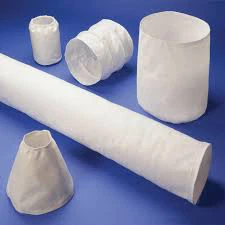
Oversized 7" filter socks
High-capacity felt
Multi-stage pad systems

11. Troubleshooting Common Problems
|
Problem |
Cause |
Solution |
|
Overflowing sock |
Clogged |
Replace immediately |
|
Cloudy water |
Insufficient micron |
Lower micron |
|
Reduced pump output |
Blocked intake |
Clean media |
|
Rapid clogging |
High bioload |
Increase rotation |
12. Future Innovations in Aquarium Mechanical Filtration
Self-cleaning roller filters
Hybrid sock-pad systems
Antimicrobial fabrics
High-capacity nanofiber media
Conclusion
Filter socks and pads are more than simple filtration accessories-they are strategic tools for nutrient control, water clarity, and long-term aquarium stability.
When used intelligently within a structured filtration system, they:
Protect sensitive marine life
Improve coral coloration
Enhance system reliability
Reduce maintenance costs
For serious aquarists, mastering mechanical filtration is mastering aquarium stability.