




Outdoor drainage systems operating in extreme environments face challenges far beyond normal moisture exposure. High salinity, aggressive soil chemistry, temperature extremes, heavy mechanical loads, and prolonged service cycles place exceptional demands on stainless steel mesh. Selecting the appropriate stainless steel grade is critical to prevent premature corrosion, deformation, and filtration failure. This article compares common stainless steel mesh grades-304, 316, 316L, and 430-specifically in the context of extreme outdoor drainage conditions, helping engineers and designers make informed, performance-driven decisions.
Corrosion Resistance Under Extreme Environmental Exposure
Performance in Coastal and High-Salinity Areas
Coastal drainage systems are exposed to airborne salt, saline groundwater, and chloride-rich runoff, all of which accelerate corrosion. Among common grades, 316 and 316L stainless steel meshes provide the highest resistance due to the presence of molybdenum, which significantly reduces pitting and crevice corrosion. These grades maintain surface integrity and aperture stability even after prolonged salt exposure. In contrast, 304 stainless steel mesh may experience localized pitting over time in coastal environments, while 430 is generally unsuitable due to its limited corrosion resistance.
Resistance to Acidic and Chemically Active Soils
Certain outdoor drainage installations encounter acidic soils, fertilizers, industrial runoff, or decomposing organic matter. These conditions can attack passive oxide layers on stainless steel surfaces. 316L mesh performs particularly well in chemically aggressive soils because its low carbon content minimizes corrosion at welds and heat-affected zones. 304 mesh can function adequately in mildly acidic soils but requires careful monitoring. 430 mesh is vulnerable in chemically active environments and should only be used where soil chemistry is stable and non-aggressive.
Long-Term Corrosion Behavior in Buried Systems
Buried drainage systems present a unique challenge because corrosion may go undetected until failure occurs. Grades with superior corrosion resistance reduce long-term risk. 316 and 316L stainless steel meshes offer predictable performance over decades, even when buried in wet or contaminated soils. Their ability to maintain wire integrity and aperture geometry ensures consistent drainage flow. Lower grades may initially reduce cost but increase long-term replacement and excavation expenses.
Mechanical Strength and Structural Reliability in Harsh Conditions
Load-Bearing Performance Under Heavy Overburden
Extreme outdoor drainage systems often support thick soil layers, gravel beds, concrete slabs, or vehicular loads. Mesh must resist compressive forces without permanent deformation. Austenitic grades such as 304, 316, and 316L offer excellent tensile strength combined with ductility, allowing them to absorb stress without cracking. 430 stainless steel mesh, while rigid, lacks the same fatigue tolerance and is more prone to deformation under sustained load.
Resistance to Impact and Abrasion
High-flow drainage channels carrying sand, gravel, or debris can subject mesh to continuous abrasion. 316 and 316L meshes exhibit superior abrasion resistance due to their alloy composition and work-hardening capability. This makes them suitable for stormwater systems, slope drainage, and erosion control structures. 304 mesh performs adequately in moderate abrasion environments, while 430 mesh may experience accelerated wear when exposed to constant sediment movement.
Fatigue Resistance During Cyclical Stress
Extreme weather events introduce repeated load cycles, pressure surges, and vibration. Fatigue resistance becomes critical to maintaining long-term performance. Austenitic stainless steel meshes excel in these conditions, with 316L offering the highest fatigue endurance due to its improved weld stability. Ferritic 430 mesh has lower fatigue resistance and is less suitable for systems experiencing frequent dynamic loading.

Thermal Stability and Climate-Related Performance
Performance in Freeze-Thaw Environments
In cold climates, outdoor drainage systems endure repeated freeze-thaw cycles that stress materials through expansion and contraction. Austenitic stainless steels retain ductility at low temperatures, preventing brittle failure. 304 and 316L meshes maintain structural integrity under these conditions, while 430 mesh becomes more susceptible to cracking due to reduced low-temperature toughness.
High-Temperature Exposure and Thermal Cycling
Some drainage installations near industrial facilities or paved surfaces experience elevated temperatures. 316 and 316L stainless steel meshes withstand thermal cycling without significant loss of strength or aperture stability. 304 performs well in moderately elevated temperatures, while 430 has lower high-temperature resistance and may suffer from scaling or strength reduction.
Cost-to-Performance Evaluation for Extreme Applications
Initial Material Cost Versus Lifecycle Value
While 316 and 316L stainless steel meshes carry higher upfront costs, their durability in extreme environments often results in lower lifecycle costs. Reduced maintenance, fewer replacements, and minimized system failures offset the initial investment. 304 mesh offers a cost-effective balance for moderately harsh environments, while 430 is best reserved for low-risk applications where exposure is limited.
Risk Management and System Reliability
In extreme outdoor conditions, system failure can result in flooding, erosion, or infrastructure damage. Selecting a higher-grade stainless steel mesh reduces operational risk and improves overall system reliability. Engineers often prioritize material performance over short-term savings when designing critical drainage infrastructure.
Performance Trade-Offs Under Combined Environmental Stress
Corrosion Resistance vs. Mechanical Strength in Extreme Conditions
In extreme outdoor environments, stainless steel drainage mesh is often exposed to multiple stress factors simultaneously, such as high moisture, aggressive soil chemistry, heavy mechanical loads, and repeated thermal cycling. Selecting a mesh grade purely based on corrosion resistance or purely on strength can lead to suboptimal performance. For example, while 316L stainless steel provides excellent resistance to chlorides and acidic conditions, its slightly lower yield strength compared to some ferritic grades may require thicker wire diameters in load-bearing drainage layers. Conversely, more rigid grades may offer mechanical stability but fail prematurely due to corrosion when exposed to saline groundwater or industrial runoff. Engineers must evaluate how corrosion resistance and mechanical strength interact under real-world conditions rather than considering them in isolation.
Fatigue Behavior in High-Stress Outdoor Drainage Systems
Extreme outdoor drainage systems-such as those in coastal infrastructure, highways, or industrial sites-experience constant vibration, fluctuating water pressure, and intermittent impact loads. Over time, these cyclic stresses can cause metal fatigue, leading to micro-cracks, wire breakage, or aperture deformation. Austenitic stainless steels like 304, 316, and 316L generally offer superior fatigue resistance due to their ductility and ability to absorb stress without brittle failure. In contrast, ferritic grades such as 430 may perform well under static loads but are more susceptible to fatigue when exposed to repeated stress cycles. Understanding fatigue behavior is essential for systems designed for long service lives, where gradual degradation can compromise drainage efficiency long before visible corrosion appears.
Long-Term Stability of Mesh Geometry and Filtration Performance
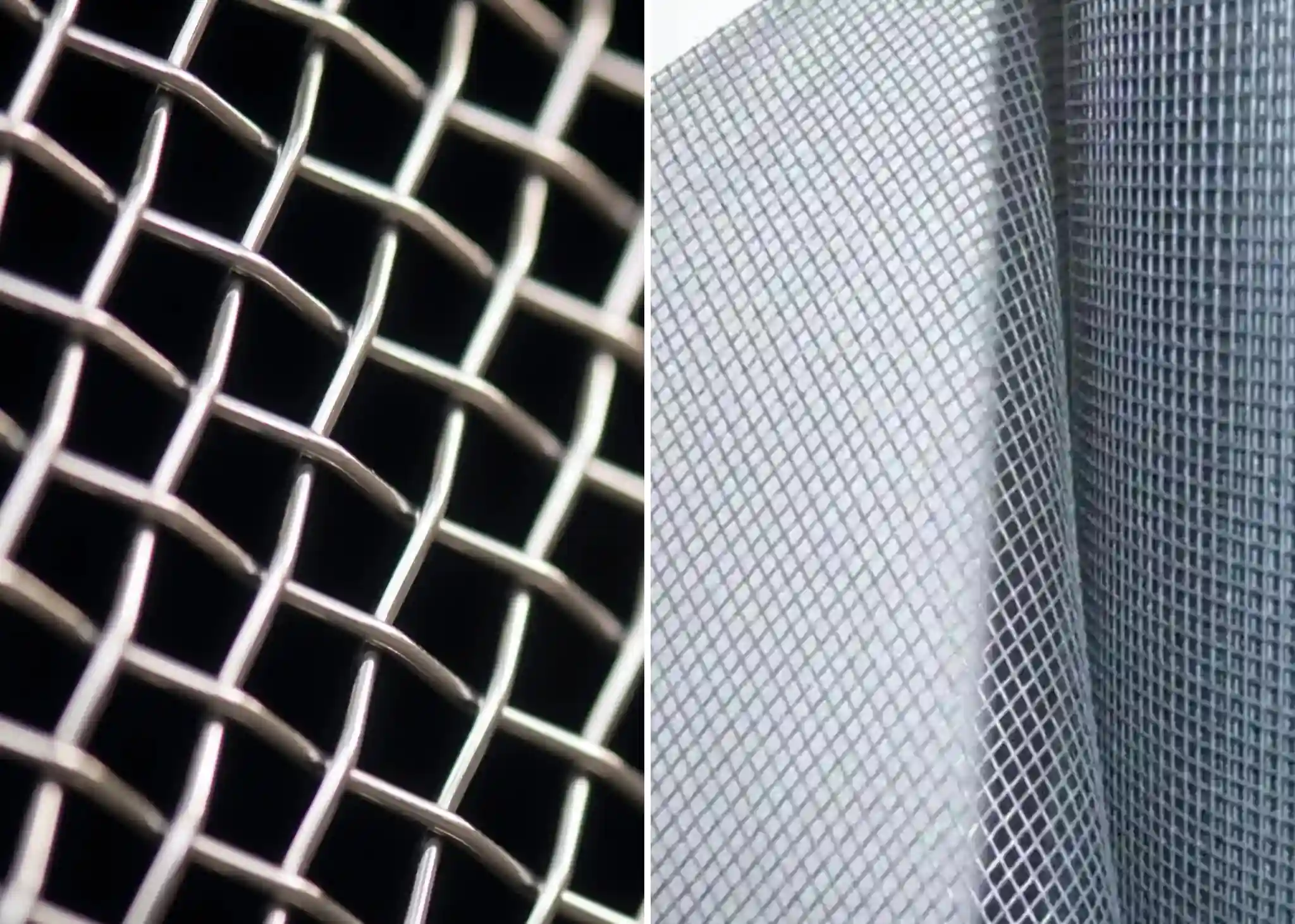
In extreme environments, even small changes in mesh geometry can significantly affect drainage performance. Corrosion pitting, wire thinning, or deformation under load can alter aperture size, leading to reduced flow capacity or increased clogging. Stainless steel grades with higher alloy content maintain aperture consistency over time, ensuring predictable filtration behavior even after years of exposure. This geometric stability is particularly important in engineered drainage layers, where uniform water distribution prevents localized erosion or pressure buildup. Selecting a grade that maintains both structural integrity and dimensional accuracy under combined environmental stress ensures that drainage systems continue to perform as designed throughout their lifecycle.

Grade Selection Strategies for High-Risk Outdoor Environments
Coastal and Marine Drainage Applications
Drainage systems installed in coastal regions face continuous exposure to saltwater, airborne chlorides, and high humidity. In these conditions, 316 and 316L stainless steel meshes are generally preferred due to their superior resistance to pitting and crevice corrosion. The presence of molybdenum in these grades significantly enhances durability, reducing the risk of rapid material loss. Engineers often specify thicker wire diameters or reinforced mesh structures to account for wave action, tidal movement, and sand abrasion. Proper grade selection in marine environments minimizes maintenance requirements and prevents premature failure in buried or hard-to-access drainage installations.
Industrial and Chemically Aggressive Outdoor Sites
Outdoor drainage systems near factories, refineries, or chemical processing facilities are frequently exposed to acidic runoff, solvents, or contaminated groundwater. In such environments, standard 304 stainless steel may degrade more quickly, even if mechanical loads are moderate. 316L is often selected for its improved chemical compatibility and resistance to sensitization, especially in welded or fabricated mesh assemblies. Engineers must also consider surface finishes, as smoother or passivated surfaces reduce the accumulation of corrosive residues. A holistic approach-combining alloy selection, surface treatment, and mesh geometry-ensures reliable drainage performance under chemically aggressive conditions.
Cold Climate and Freeze-Thaw-Prone Regions
In regions with severe winters, outdoor drainage mesh must withstand repeated freeze-thaw cycles that can induce thermal stress and mechanical fatigue. Austenitic stainless steels retain ductility at low temperatures, making them more resistant to cracking caused by thermal contraction. Mesh grades with adequate flexibility accommodate ground movement and ice expansion without fracturing. Engineers designing drainage systems for cold climates often prioritize thermal stability and fatigue resistance alongside corrosion performance, ensuring that the mesh remains functional despite extreme seasonal variations.
Conclusion
Extreme outdoor drainage conditions demand careful evaluation of stainless steel mesh grades to ensure durability, reliability, and long-term performance. Environmental exposure, mechanical loading, temperature extremes, and chemical activity all influence material behavior over time. Grades such as 316 and 316L provide superior corrosion resistance, fatigue tolerance, and structural stability, making them ideal for coastal, industrial, or high-risk drainage environments. 304 stainless steel mesh remains a versatile option for moderately harsh conditions, while 430 should be limited to controlled, low-exposure applications.
By aligning mesh grade selection with environmental severity and performance requirements, engineers can significantly extend drainage system service life and reduce maintenance costs. A strategic, lifecycle-focused approach to material selection ensures that outdoor drainage systems continue to perform effectively even under the most demanding conditions.
For a broader understanding of how stainless steel mesh performs in outdoor drainage systems and how to select the most suitable grade, return to the main guide:
"Choose the right stainless steel mesh for outdoor drainage"