





Outdoor drainage systems are constantly exposed to moisture, soil chemicals, temperature fluctuations, and mechanical stress. Whether used in civil engineering projects, landscape drainage, road foundations, or retaining structures, the performance of the drainage system heavily depends on material selection. Stainless steel mesh plays a critical role by providing filtration, structural reinforcement, and long-term durability. Choosing the right stainless steel grade and mesh configuration ensures effective water flow while preventing clogging, erosion, and premature system failure.

Key Performance Requirements for Outdoor Drainage Mesh
Corrosion Resistance in Wet and Soil-Contact Environments
Outdoor drainage mesh remains in continuous contact with water, minerals, and sometimes aggressive soil chemistry. Chlorides, acidic soils, and organic matter can rapidly corrode low-grade metals. Stainless steel meshes with sufficient chromium content form a passive oxide layer that protects against rust, ensuring stable performance over years of exposure. Proper corrosion resistance is essential for buried drainage systems where maintenance access is limited.
Mechanical Strength and Load-Bearing Capability
Drainage mesh often supports gravel layers, soil pressure, and surface loads from vehicles or foot traffic. The wire diameter and weave structure must withstand compression without deformation. Insufficient mechanical strength can cause mesh collapse, leading to restricted water flow and system failure. Selecting the correct mesh specification ensures long-term structural integrity.
Flow Efficiency and Anti-Clogging Performance
Effective drainage requires rapid water passage while retaining soil and debris. Mesh aperture size must balance permeability with filtration efficiency. Consistent opening geometry prevents sediment buildup and maintains steady drainage rates even during heavy rainfall. Stainless steel mesh offers predictable pore sizes that support hydraulic stability.
Stainless Steel Grades Commonly Used in Outdoor Drainage
Why 304 Stainless Steel Mesh Is Widely Used
304 stainless steel mesh offers excellent corrosion resistance for general outdoor drainage applications. Its balanced composition makes it suitable for neutral soils, landscaped drainage systems, and residential infrastructure.
When 316 and 316L Are Required
In coastal areas, industrial zones, or regions with saline groundwater, standard stainless steel may not provide sufficient resistance. 316 and 316L grades contain molybdenum, which significantly improves resistance to chlorides and chemical attack. These grades are ideal for high-risk drainage environments.
Using 430 Stainless Steel Mesh for Cost-Sensitive Projects
430 stainless steel mesh provides acceptable corrosion resistance in dry or low-exposure environments at a lower cost. It is often selected for temporary drainage solutions, structural separation layers, or projects with controlled moisture exposure.
Mesh Structure and Weave Selection for Drainage Systems
Plain Weave Mesh for Stable Filtration Layers
Plain weave mesh offers uniform openings and balanced strength, making it ideal for filtration layers in drainage trenches and channels. Its simplicity ensures predictable performance and ease of installation.
Welded Mesh for Structural Drainage Support
Welded stainless steel mesh is commonly used where higher rigidity is required, such as gabion drainage systems or reinforced slopes. Welded intersections provide additional strength and resistance to deformation.
Wire Diameter vs. Aperture Size Considerations
Thicker wires increase load resistance but reduce open area. Proper engineering design balances wire diameter with aperture size to ensure both mechanical strength and sufficient drainage capacity.
For detailed strategies on designing efficient outdoor drainage mesh systems, see
Designing Outdoor Drainage Mesh Systems for Maximum Efficiency

Installation and Longevity Factors in Outdoor Applications
Compatibility with Gravel and Geotextiles
Stainless steel mesh is frequently combined with gravel beds and geotextiles. Proper compatibility prevents abrasion damage and improves system lifespan.
Maintenance Expectations and Service Life
Unlike polymer meshes, stainless steel does not degrade under UV exposure or temperature cycling. Properly selected mesh can last decades with minimal maintenance.
Learn more about effective maintenance strategies for stainless steel drainage mesh in
Maintenance and Longevity of Stainless Steel Drainage Mesh
Environmental and Sustainability Benefits
Stainless steel mesh is recyclable and environmentally stable, making it a sustainable choice for long-term infrastructure projects.
Load-Bearing Requirements in Outdoor Drainage Applications
Static Load Resistance in Ground-Level Drainage Systems
In outdoor drainage installations, stainless steel mesh is frequently exposed to static loads from soil, gravel, concrete slabs, and pedestrian or light vehicle traffic. Selecting a mesh with adequate wire diameter and weave structure is essential to prevent permanent deformation or collapse under constant pressure. Plain weave meshes with thicker wires typically offer higher load resistance, making them suitable for trench drains, catch basins, and surface drainage channels. If the mesh lacks sufficient rigidity, it may sag over time, reducing effective flow area and increasing the risk of clogging. Engineers must consider not only the mesh opening size but also the compressive forces exerted by surrounding materials. Stainless steel mesh with balanced strength and openness ensures long-term dimensional stability, which is critical for maintaining consistent drainage performance in outdoor environments.
Impact Loads from Foot Traffic and Maintenance Equipment
Outdoor drainage systems are often subjected to intermittent impact loads caused by foot traffic, bicycles, lawn equipment, or maintenance vehicles. These dynamic forces can be more damaging than static loads because they create localized stress concentrations on the mesh surface. Stainless steel mesh with higher tensile strength and elastic recovery performs better under such conditions, resisting cracking or wire breakage. Welded mesh structures may offer superior impact resistance compared to woven mesh in high-traffic areas, although woven mesh provides better filtration accuracy. Choosing the appropriate mesh type helps prevent sudden failure, which could otherwise lead to debris entering downstream drainage systems or create safety hazards on walkways and access roads.
Long-Term Structural Stability in Buried Drainage Systems
For buried drainage applications, stainless steel mesh must retain its shape and strength over extended service periods. Soil movement, freeze-thaw cycles, and moisture-induced stress can gradually weaken inferior materials. Stainless steel mesh, especially when properly specified for wire diameter and alloy grade, maintains its structural integrity despite repeated environmental stress. A stable mesh structure ensures that drainage channels remain open and functional, reducing the need for costly excavation and replacement. Engineers often prioritize mesh durability over minimal initial cost when designing underground drainage solutions intended to operate reliably for decades.
Filtration Accuracy vs. Flow Capacity in Drainage Mesh Selection
Balancing Aperture Size with Water Throughput
One of the primary challenges in outdoor drainage design is balancing filtration efficiency with adequate flow capacity. Smaller mesh openings improve debris retention but also restrict water flow, increasing the likelihood of surface pooling during heavy rainfall. Stainless steel mesh offers precise aperture control, allowing designers to select opening sizes that capture leaves, sand, and sediment while still permitting rapid water passage. Properly sized mesh minimizes pressure buildup and reduces the risk of overflow in stormwater systems. Engineers must analyze rainfall intensity, debris load, and drainage slope to determine the optimal mesh specification for each application.
Preventing Clogging in Debris-Heavy Environments
Outdoor drainage systems are constantly exposed to organic debris such as leaves, grass clippings, and soil particles. Mesh designs that are too fine may clog quickly, requiring frequent cleaning and maintenance. Stainless steel mesh with moderately larger openings or specialized weave patterns can reduce clogging while still preventing large debris from entering pipes. Additionally, smooth wire surfaces help debris slide off more easily during water flow. Selecting a mesh that balances filtration and self-cleaning capability is essential for drainage systems located under trees, landscaped areas, or construction zones.
Flow Performance During Extreme Weather Events
During heavy storms or sudden runoff events, drainage systems must handle large volumes of water within short time frames. Stainless steel mesh with high open-area percentages ensures minimal flow restriction during peak conditions. Poor mesh selection can create bottlenecks, leading to flooding and erosion around drainage outlets. Engineers often test mesh performance under simulated high-flow conditions to verify that it can maintain efficiency without compromising structural strength. This approach ensures reliable operation even during extreme weather scenarios.
Environmental Exposure and Corrosion Challenges in Outdoor Drainage
Moisture, Soil Chemistry, and Corrosive Agents
Outdoor drainage mesh is continuously exposed to moisture, dissolved salts, fertilizers, and soil chemicals that accelerate corrosion. Stainless steel mesh provides superior resistance to these environmental factors compared to carbon steel or coated alternatives. However, corrosion resistance varies by grade, making material selection critical for long-term performance. In coastal or chemically aggressive environments, higher alloy content stainless steel grades are often preferred to prevent pitting and surface degradation that could weaken the mesh structure over time.
UV and Temperature Effects on Metal Stability
Although stainless steel is not directly affected by UV radiation like polymers, temperature fluctuations can influence its mechanical behavior. Outdoor drainage systems may experience extreme temperature variations between seasons, causing thermal expansion and contraction. Stainless steel mesh maintains dimensional stability across a wide temperature range, reducing stress on mounting frames and adjacent materials. This stability helps preserve consistent drainage gaps and prevents loosening or warping that could compromise system performance.
Corrosion Resistance Comparison by Stainless Steel Grade
| Stainless Steel Grade | Corrosion Resistance Level | Typical Outdoor Drainage Use |
|---|---|---|
| 304 | Moderate | General urban drainage |
| 316 / 316L | High | Coastal and chemical zones |
| 430 | Basic | Dry or low-corrosion areas |
Explore how different stainless steel mesh grades perform under extreme outdoor conditions in
Comparing Stainless Steel Mesh Grades for Extreme Outdoor Conditions

Installation Methods and Design Compatibility
Mesh Integration with Drainage Frames and Channels
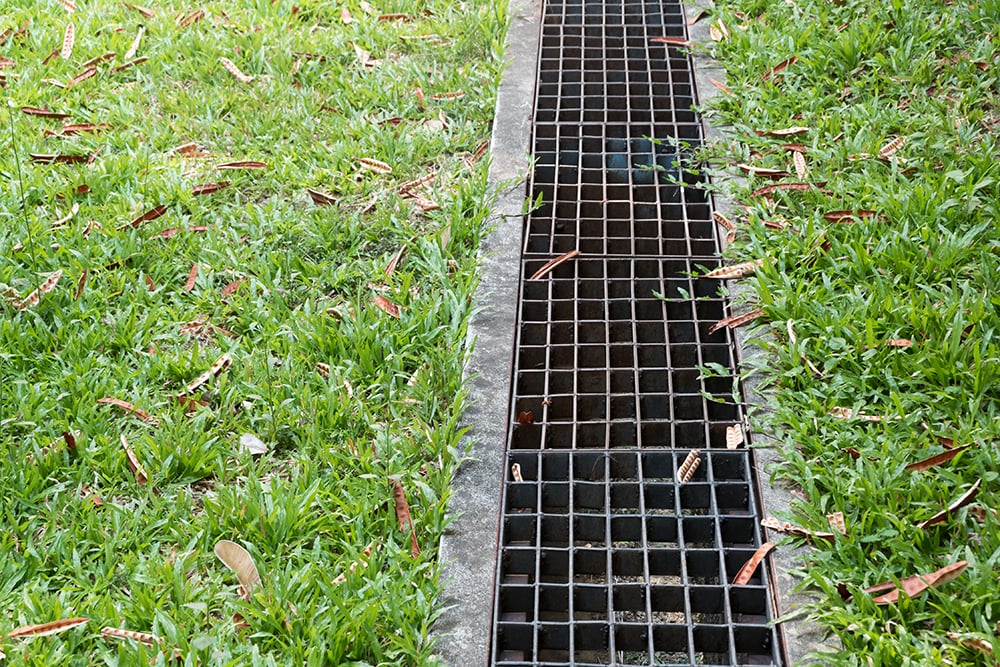
Successful outdoor drainage systems depend on proper integration between the mesh and its supporting frame. Stainless steel mesh must fit securely within drainage channels, grates, or frames to prevent movement under flow or load. Poorly fitted mesh can shift, allowing debris to bypass filtration or causing mechanical wear at contact points. Designers often specify precise tolerances and fastening methods to ensure stable installation throughout the system's lifespan.
Ease of Removal for Inspection and Cleaning
Outdoor drainage mesh should be easy to remove for periodic inspection and cleaning. Stainless steel mesh offers excellent rigidity, allowing repeated removal and reinstallation without deformation. This characteristic is particularly important for municipal drainage systems, where regular maintenance is required to comply with safety and environmental regulations. Mesh designs that support quick access reduce labor costs and minimize system downtime.
Compatibility with Modular Drainage Systems
Modern outdoor drainage solutions increasingly use modular components for flexibility and scalability. Stainless steel mesh adapts well to modular designs, as it can be cut, framed, or customized to fit standardized channel sizes. This compatibility simplifies system expansion or replacement, allowing engineers to upgrade drainage capacity without redesigning the entire infrastructure.
Lifecycle Cost Considerations for Stainless Steel Drainage Mesh
Initial Cost vs. Long-Term Performance
While stainless steel mesh may have a higher upfront cost compared to alternative materials, its long service life often results in lower total ownership cost. Reduced corrosion, minimal deformation, and resistance to environmental stress translate into fewer replacements and repairs. For outdoor drainage systems expected to operate for many years, stainless steel mesh provides a strong return on investment.
Maintenance Frequency and Operational Savings
Durable stainless steel mesh reduces maintenance frequency by resisting clogging and corrosion-related failures. Lower maintenance demands translate into operational savings, especially for large-scale drainage networks. Municipal and industrial users benefit from fewer service interruptions and lower labor costs, making stainless steel mesh a practical long-term solution.
Sustainability and Material Recyclability
Stainless steel is fully recyclable, aligning with sustainable construction practices. At the end of its service life, mesh material can be recovered and reused, reducing environmental impact. This sustainability factor increasingly influences material selection in outdoor infrastructure projects, further supporting the use of stainless steel mesh in drainage applications.
Environmental Considerations for Outdoor Drainage Mesh
UV and Weather Resistance
Outdoor drainage systems are constantly exposed to sunlight, rain, snow, and wind. Stainless steel mesh must resist UV degradation and maintain structural integrity despite prolonged exposure to these elements. Grades like 316 and 316L are particularly resistant to oxidation and corrosion in harsh weather conditions. UV exposure does not affect the metal directly, but temperature fluctuations caused by sunlight can induce expansion and contraction, which may stress weaker alloys. Proper grade selection ensures the mesh will not warp, crack, or lose its aperture precision over time.
Corrosion from Environmental Pollutants
Outdoor drainage systems often encounter acidic rain, industrial pollutants, and airborne salts. Stainless steel mesh exposed to these pollutants may undergo pitting or surface corrosion if an inappropriate grade is selected. 316L stainless steel provides superior protection against chloride ions, making it ideal for coastal areas or industrial zones. Maintenance schedules should also include inspections for surface deposits, which can accelerate localized corrosion if not cleaned periodically.
Freeze-Thaw and Thermal Cycling Effects
Outdoor drainage mesh must endure freeze-thaw cycles during winter months and high heat in summer. Repeated thermal cycling can affect the mechanical stability of lower-grade meshes, causing expansion-induced stress and fatigue over time. Austenitic stainless steels like 304 and 316L maintain ductility under fluctuating temperatures, preventing fracture and ensuring the mesh retains its filtration and drainage capacity. Engineers should consider local climate data when specifying mesh thickness and weave pattern.


Mechanical Strength and Load-Bearing Capabilities
Tensile Strength Requirements
Outdoor drainage mesh often supports heavy debris, sediment, and surface water flow. Mesh tensile strength determines how well it withstands mechanical loading without deformation. Thicker wire diameters and tighter weaves increase load-bearing capacity. Engineers calculate expected debris weight and water flow pressure to choose a mesh that maintains aperture integrity and prevents clogging under peak conditions.
Abrasion Resistance from Sediment
Sediment, sand, and gravel in drainage systems can cause abrasion on the mesh surface over time. Stainless steel meshes with higher hardness or protective coatings resist wear and maintain filtration efficiency. Grades 316L and coated 304 are preferred in high-sediment environments to ensure long-term durability. Abrasion-resistant mesh reduces maintenance frequency and prevents early failure of drainage infrastructure.
Deformation and Fatigue under Dynamic Loads
Water flow can create pulsating forces on the mesh, particularly during storms or heavy rainfall. Repeated mechanical stress can lead to fatigue and deformation, reducing aperture uniformity. Engineers must consider both the wire diameter and weave structure to optimize mesh flexibility and rigidity, ensuring consistent drainage performance over time.
Mesh Aperture Size and Flow Optimization
Balancing Flow Rate and Debris Retention
Mesh aperture size determines how much debris passes while allowing sufficient water flow. Too fine a mesh may clog quickly, while too coarse a mesh may let large debris through. Engineers must evaluate typical sediment size, expected rainfall volume, and drainage speed to select an optimal mesh size. Flow simulations can help determine the right compromise between filtration and drainage efficiency.
Impact of Weave Pattern on Water Flow
Different weave patterns-plain, twill, Dutch-affect both structural strength and water permeability. Plain weave allows higher flow rates but may have lower abrasion resistance, while twill or Dutch weaves improve durability for high-debris applications. Selecting the right weave ensures consistent drainage while maintaining the structural integrity of the mesh under dynamic load.
Multi-Stage Screening for High-Efficiency Systems
For high-efficiency outdoor drainage, multiple layers of mesh can be used to capture various debris sizes. Coarse mesh acts as a primary screen, while finer mesh captures smaller particles. This staged approach reduces clogging, prolongs system life, and optimizes flow rates. Proper staging requires precise specification of aperture size, wire diameter, and material grade to maintain long-term performance.
Conclusion
Understanding the selection of stainless steel mesh for outdoor drainage systems is critical for ensuring long-term performance, durability, and efficiency. Environmental factors such as UV exposure, temperature fluctuations, freeze-thaw cycles, and corrosive pollutants directly impact mesh integrity and operational lifespan. Engineers must carefully evaluate material grades-such as 304, 316, 316L, and 430-considering corrosion resistance, mechanical strength, and fatigue tolerance. Proper wire diameter, weave pattern, and aperture size ensure optimal debris retention while maintaining water flow, preventing clogging, and reducing maintenance frequency. Selecting the right mesh material also mitigates structural deformation under dynamic loads, abrasion from sediment, and stress from heavy debris during extreme weather events.
Beyond material and mechanical considerations, the correct stainless steel mesh contributes to cost efficiency, system reliability, and compliance with industry standards. Multi-stage screening and optimized weave structures can enhance drainage performance while extending service life. Maintenance practices such as periodic cleaning and inspection complement material selection, preventing premature corrosion or fatigue. By integrating environmental, mechanical, and operational factors into the design process, engineers and facility managers can achieve a balanced, robust drainage system that maintains performance under diverse outdoor conditions. Investing in the appropriate mesh grade and specifications ultimately reduces downtime, lowers operational costs, and ensures consistent drainage efficiency over time.