






Introduction to Industrial Metal Options
Understanding the Core Material Differences
Selecting the right metal form-whether expanded, wire mesh, or sheet-is the foundational decision of any industrial or architectural project. These three materials may start as the same raw steel or aluminum, but their transformation processes grant them vastly different physical properties. Expanded metal is created by slitting and stretching a single sheet, creating a diamond pattern without any waste. Wire mesh consists of interconnected wires that are either woven or welded at their intersections. Sheet metal remains a solid, continuous piece of material. Understanding these mechanical differences is crucial because they dictate how the material will react under stress, its transparency to light and air, and its overall cost-effectiveness.
The Significance of Strength-to-Weight Ratio
In modern engineering, maximizing strength while minimizing weight is a primary goal. Expanded metal excels here; because it is stretched, it can cover a larger area with less raw material than a solid sheet while maintaining significant structural integrity. The strands and bonds of expanded metal are set at an angle, which allows the material to distribute loads more effectively than a flat surface. Wire mesh also offers a high strength-to-weight ratio, particularly in welded forms where the joints are fused, but it may require more frequent support frames. Choosing the wrong ratio can lead to over-engineering (excessive cost) or structural failure, making this a pivotal evaluation point.
Material Longevity and Durability Factors
Durability is not just about the type of metal (like stainless steel vs. carbon steel) but also how its form resists environmental stressors. Sheet metal, being solid, provides the ultimate barrier against impact but can be prone to "oil canning" or warping in large, thin sections. Wire mesh is highly durable in filtration and fencing but can suffer from broken welds or fraying at the edges if not properly finished. Expanded metal, being a single piece of material with no joints to break or unweave, often offers the longest service life in high-traffic areas like walkways or security grates. We will explore these factors across various chemical and mechanical environments.
Evaluating Initial vs. Long-term Cost-Effectiveness
The "cheapest" material is rarely the most cost-effective over a ten-year lifecycle. Sheet metal often has the lowest manufacturing cost per ton, but the waste generated during punching or cutting can drive up the final price. Expanded metal is the "greenest" choice, as the manufacturing process produces zero scrap-every ounce of the original sheet is utilized. Wire mesh can be expensive due to the complexity of the weaving process, especially in fine micron counts. When calculating costs, one must factor in installation labor, the need for secondary framing, and the frequency of replacement. A higher upfront investment in the correct material can save thousands in maintenance.


Deep Dive into Expanded Metal
The Unique Manufacturing Process
Expanded metal is produced through a simultaneous slitting and stretching process. A solid sheet of metal is fed through a machine equipped with a knife that cuts and expands the metal in one motion. This creates a series of diamond-shaped openings. Because there are no welds or joins, the "bonds" (where the diamonds meet) are part of the original metal, making the structure incredibly rigid. This process can be adjusted to create different "opening sizes" and "strand widths," allowing for a high degree of customization without the waste associated with perforated metal.
For a more technical breakdown of how these patterns are formed, see our detailed guide on:
[Expanded Metal Manufacturing Standards].Structural Advantages and Rigidity
The inherent rigidity of expanded metal comes from its three-dimensional structure. Unlike a flat sheet, the strands of expanded metal are tilted at an angle, providing a natural resistance to shear forces. This makes it an ideal material for load-bearing applications like ramps, stair treads, and catwalks. Even if a single strand is cut, the surrounding bonds maintain the integrity of the panel, preventing catastrophic failure. This "one-piece" construction is a significant advantage over welded wire mesh, where a single failed weld can lead to the unraveling of the entire section.
Non-Slip Surface and Safety Applications
Safety is a paramount concern in industrial environments, particularly where oil, water, or grease may be present. The raised edges of standard expanded metal provide a natural "grip" for footwear, making it one of the most effective non-slip surfaces available. This is why you will see expanded metal used extensively in oil rigs, mining facilities, and outdoor fire escapes. Unlike flat sheet metal, which becomes a hazard when wet, or wire mesh, which may be too flexible underfoot, expanded metal provides a stable, high-traction surface that allows liquids and debris to fall through, keeping the walking path clear.
Aesthetics in Architectural Design
Beyond its industrial utility, expanded metal has become a favorite among architects for building facades, sunshades, and interior partitions. The diamond pattern creates a unique play of light and shadow, and by varying the strand width and opening size, designers can control the level of transparency. It can be powder-coated in any color, allowing it to serve as a decorative element that also provides security and ventilation. Its ability to be curved and shaped adds a dynamic texture to buildings that solid sheet metal cannot replicate, while being more visually substantial than thin wire mesh.
The Versatility of Wire Mesh
Woven vs. Welded Wire Mesh
Wire mesh is generally categorized into two types: woven and welded. Woven wire mesh is created much like fabric, with wires crossing over and under one another. This provides flexibility and is often used in fine filtration or high-end architectural screens. Welded wire mesh, on the other hand, features wires that are fused at every intersection, creating a rigid grid. Welded mesh is better for security fencing and concrete reinforcement because it maintains its shape even when cut. Choosing between the two depends on whether your application requires the "give" of a weave or the "stiff" nature of a weld.
Deciding between weave patterns is critical for filtration; explore our specific analysis in:
[The Complete Wire Mesh Specification Guide].
Filtration and Screening Capabilities
One of the primary uses of wire mesh is in liquid and gas filtration. Because wire mesh can be manufactured with incredibly small openings (down to several microns), it is the gold standard for the chemical, pharmaceutical, and food processing industries. Unlike expanded metal, which has a minimum opening size limited by the knife width, wire mesh can be woven into extremely fine "cloth." This allows for precision separation of particles. The flow rate can be precisely controlled by choosing specific wire diameters and mesh counts, offering a level of technical precision that sheet metal or expanded metal cannot match.
Flexibility in Specialized Enclosures
Wire mesh is the preferred material for protective enclosures where visibility and airflow are as important as security. In data centers, wire mesh partitions allow for the free flow of cooled air to servers while keeping unauthorized personnel out. In animal enclosures, the flexibility of woven mesh prevents injury to the animals while remaining strong enough to contain them. Its ability to be easily cut and framed into custom shapes makes it highly versatile for "on-the-fly" adjustments during installation, a task that is much harder with heavy sheet metal or rigid expanded metal.
Maintenance and Cleaning Protocols
Maintaining wire mesh depends heavily on its application and material. In filtration, the mesh may require back-flushing or ultrasonic cleaning to remove trapped particles. Because mesh has many small crevices where the wires intersect, it can be more challenging to clean than a flat sheet of metal. However, in outdoor or architectural use, stainless steel wire mesh is virtually maintenance-free, requiring only occasional rinsing to remove salt or pollutants. Engineers must consider the "cleanability" of the mesh, especially in sanitary environments like food production, where welded mesh is often preferred over woven mesh to eliminate "bug traps."


Precision and Power of Sheet Metal
Gauge Thickness and Load Bearing
Sheet metal is defined by its "gauge," with lower numbers representing thicker material. This solid form offers the highest level of protection and load-bearing capacity for concentrated weights. While expanded metal and mesh are "open," sheet metal is a total barrier. In structural applications, thick plate sheet metal is used for heavy machinery bases and armored plating. Understanding gauge is critical; a mistake in choosing a gauge that is too thin can lead to structural buckling, while a gauge too thick adds unnecessary weight and cost to the project.
Custom Fabrication and CNC Machining
The greatest strength of sheet metal lies in its fabricability. It can be bent, folded, laser-cut, and punched with extreme precision using CNC (Computer Numerical Control) technology. This allows for the creation of complex 3D shapes, such as equipment housings, automotive parts, and ductwork. While expanded metal and mesh are largely used as "panels," sheet metal is the "raw clay" of the metalworking world, capable of being transformed into almost any functional object. Its solid surface also allows for seamless welding, creating airtight and watertight containers.
Precision matters most in fabrication. Learn how different alloys impact results in:
[Sheet Metal Fabrication: Materials & Techniques]
Protective Coatings and Finishes
Because sheet metal is a continuous surface, it is the ideal candidate for high-performance coatings. Whether it is powder coating, galvanizing, or Kynar finishes, the solid surface ensures 100% coverage and protection against corrosion. In architectural applications, sheet metal can be polished to a mirror finish or brushed for a matte look. This is harder to achieve with wire mesh or expanded metal, where the many edges and openings can lead to "shadowing" during the painting process or provide starting points for rust if the coating doesn't wrap around every strand perfectly.
Thermal and Electrical Conductivity
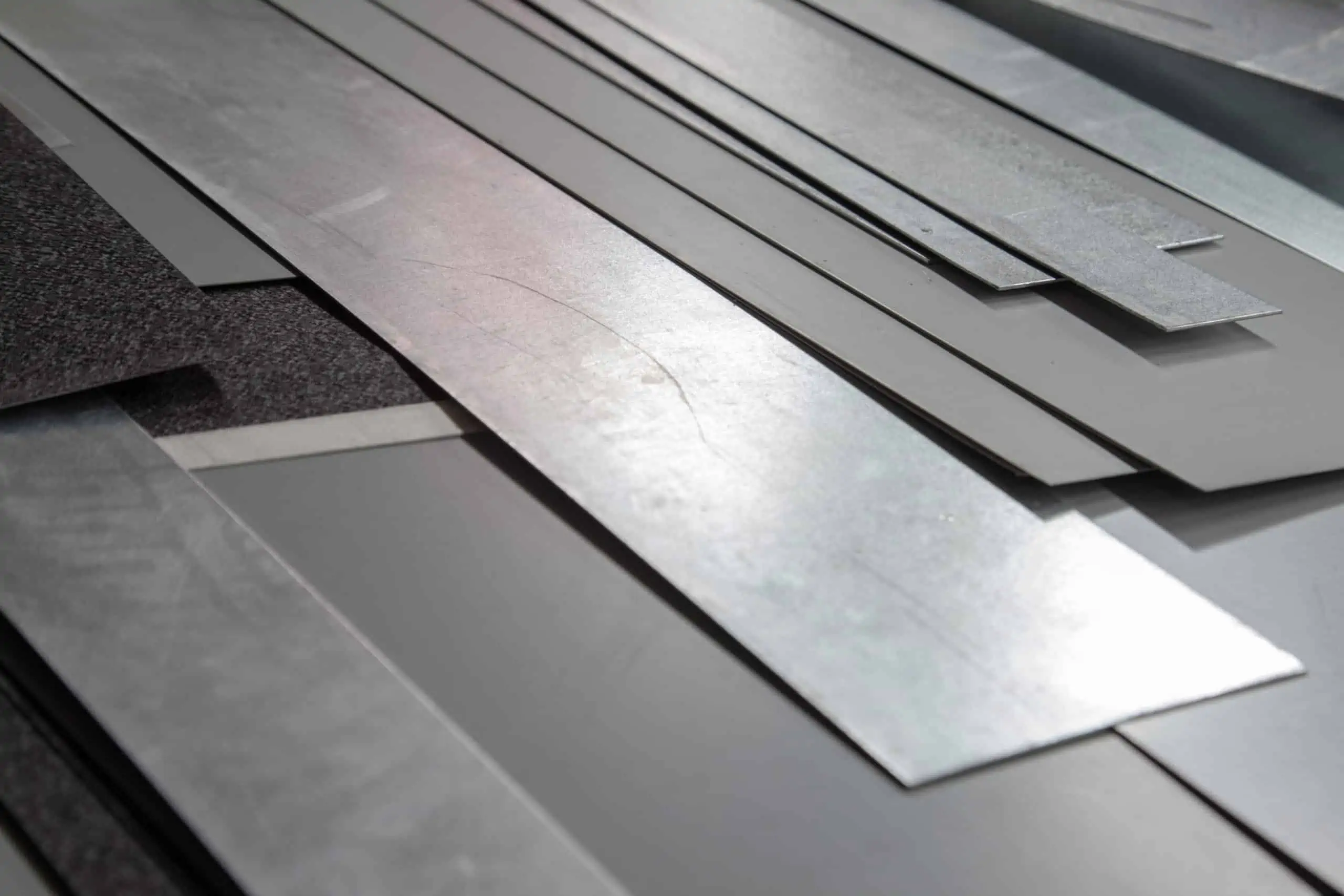
For applications involving heat exchange or electrical grounding, sheet metal is often the only viable choice. A solid sheet provides a continuous path for electrons or heat to flow, making it essential for heat sinks, electrical cabinets, and EMI/RFI shielding. While expanded metal can be used for shielding, it is less effective at blocking certain frequencies due to its openings. In thermal management, the surface area of a solid sheet can be used to dissipate heat away from sensitive components, a function that the open structure of mesh or expanded metal cannot perform effectively.
Comparative Performance Analysis
Resistance to Impact and Stress
When comparing the three materials, impact resistance is a key metric. Sheet metal provides a solid wall that can deflect high-velocity impacts, but it may dent or deform permanently. Expanded metal, due to its diamond-shaped trusses, can absorb and distribute the energy of an impact across a wider area, often returning to its original shape. Wire mesh is the most vulnerable to localized impact; a heavy blow can break individual wires or welds. For security screens on windows or heavy-duty machinery guards, expanded metal often provides the best balance of visibility and impact resistance.
Airflow and Light Transmission
This is where the materials diverge most sharply. Sheet metal blocks 100% of light and air unless it is perforated (which then effectively turns it into a variation of expanded metal). Wire mesh offers the highest percentage of "open area," sometimes exceeding 80%, making it ideal for ventilation and maximum visibility. Expanded metal sits in the middle; its angled strands can be used to "louver" light-blocking direct sunlight from above while allowing airflow from the front. This makes expanded metal a superior choice for sunshades on green buildings, where reducing solar heat gain is a priority.
Installation Complexity and Labor Costs
Installation costs can often exceed the material cost. Sheet metal is heavy and requires specialized tools for onsite cutting and welding. Wire mesh is lighter but often requires tensioning or complex framing to prevent sagging over time. Expanded metal is relatively easy to install; its rigidity means it requires fewer support points than wire mesh, and it can be easily tack-welded or bolted into place. For large-scale projects like perimeter fencing or stadium facades, the ease of handling expanded metal panels can significantly reduce the "man-hours" required for the job.
Environmental Sustainability and Recycling
All three materials are highly recyclable, as they are typically made of steel, aluminum, or copper. However, expanded metal is the most "sustainable" in its production phase because it creates no waste. When you punch holes in sheet metal to create perforated metal, the "slugs" must be collected and re-melted, which consumes energy. Expanded metal simply stretches the existing material. Furthermore, the lightweight nature of expanded metal and mesh reduces the carbon footprint associated with shipping and transportation compared to heavy, solid sheet metal plates.
Making the Final Decision
Evaluating Your Specific Environment
The first step in your decision should be an environmental audit. Will the material be exposed to saltwater? (Choose stainless steel mesh). Will it be used in a high-traffic walkway? (Choose expanded metal grating). Will it need to contain high-pressure fluids? (Choose sheet metal). Factors like humidity, chemical exposure, and temperature fluctuations will dictate not just the form of the metal but also the alloy and finish. Conduct a thorough site assessment before committing to a material type to avoid premature oxidation or mechanical failure.
Budgetary Constraints and Long-term Value
While it is tempting to choose the material with the lowest price per square foot, you must consider the "total cost of ownership." This includes the cost of the support structure, the labor for installation, and the projected lifespan. For example, a cheap wire mesh might require a replacement in 5 years, whereas a more expensive expanded metal panel might last 20. Always ask for quotes that include shipping and any necessary edge-trimming or framing, as these "hidden" costs can quickly change the economic landscape of your project.
Compliance with Safety Regulations
In many industries, the choice of material is governed by OSHA (Occupational Safety and Health Administration) or building codes. For example, there are specific requirements for the size of openings in machine guards to prevent fingers from reaching moving parts. Stair treads must meet specific slip-resistance ratings. Before finalizing your choice of expanded metal, mesh, or sheet, ensure that it meets all local and federal safety standards for its intended use. Failing to do so can result in costly retrofits or legal liability in the event of an accident.
Consulting with Material Experts
Finally, never underestimate the value of expert advice. Metal manufacturers and distributors see thousands of applications and can often suggest a more efficient or cost-effective alternative that you might not have considered. Whether it's a specific weave pattern that prevents clogging in a filter or a particular gauge of sheet metal that balances weight and strength, a quick consultation can save significant time and money. Reach out to a specialist to review your blueprints and material specs before placing your final order.
| Property | Expanded Metal | Wire Mesh | Sheet Metal |
| Manufacturing | Slit & Stretched | Woven or Welded | Rolled Flat |
| Open Area % | 20% - 70% | 30% - 85% | 0% (Solid) |
| Waste during MFG | 0% (None) | Minimal | High (if perforated) |
| Weight | Lightweight | Medium | Heavy |
| Requirement | Primary Choice | Alternative Choice |
| Heavy-Duty Walkway | Expanded Metal Grating | Rigid Sheet Metal (Patterned) |
| Fine Liquid Filtration | Woven Wire Mesh | Fine Perforated Sheet |
| Security Fencing | Expanded Metal | Welded Wire Mesh |
| Pressure Vessels | Sheet Metal | N/A |
Conclusion
In summary, the selection between expanded metal, wire mesh, and sheet metal is far more than a matter of aesthetic preference; it is a critical engineering decision that impacts the safety, efficiency, and longevity of your project. Each material carries a unique set of characteristics that make it suitable for specific environments. Expanded metal remains the premier choice for applications requiring high rigidity, non-slip surfaces, and zero-waste manufacturing, particularly in industrial walkways and security barriers. Its single-piece construction offers a level of structural integrity that woven or welded materials struggle to match. Conversely, wire mesh provides unparalleled precision in filtration and ventilation, offering the highest degree of open area and flexibility for specialized enclosures. Sheet metal remains the bedrock of fabrication, providing the solid barrier, thermal conductivity, and customizability necessary for precision machinery and protective housings.
When finalizing your choice, it is essential to look beyond the initial purchase price and evaluate the total lifecycle cost. A material that is difficult to install or requires frequent replacement due to environmental corrosion will quickly become a financial burden. For instance, while sheet metal might offer a lower cost per pound, the labor involved in cutting and welding complex shapes, or the waste generated from perforating it, may make expanded metal a more economical alternative for large-scale facades. Similarly, the "cleanability" of the material in food-grade or medical environments can dictate long-term maintenance costs, where the smooth surface of sheet metal or the fused joints of welded mesh often outperform the complex intersections of woven wire.
Ultimately, the "right" material is the one that aligns most closely with your project's technical requirements and regulatory standards. Whether you are balancing the airflow needs of a data center, the traction requirements of an offshore oil rig, or the precision tolerances of a chemical filter, understanding the mechanical nuances of these three metal forms is your greatest asset. We recommend conducting a prototype test or a small-scale pilot installation when dealing with complex environmental variables. By consulting with material specialists and weighing the data provided in our comparative tables, you can ensure a selection that provides structural stability, operational safety, and enduring value for years to come.