






Hey there! As a supplier of stainless steel wire mesh, I often get asked about the galling resistance of this product. So, let's dive right in and break it down.
First off, what the heck is galling? Galling is a form of wear that occurs when two surfaces in contact slide against each other under high pressure. It causes the material to transfer from one surface to the other, leading to adhesion, seizure, and ultimately, damage to the parts. This can be a real headache in many applications, especially those where stainless steel wire mesh is used.
Now, stainless steel wire mesh is known for its durability and strength, but its galling resistance is also a crucial factor. Different types of stainless steel have varying levels of galling resistance, and understanding these differences can help you choose the right mesh for your specific needs.
Let's start with the most common type, the 304 Stainless Steel Wire Mesh. 304 stainless steel is a general-purpose grade that contains chromium and nickel. The chromium forms a passive oxide layer on the surface of the wire mesh, which helps protect it from corrosion. But when it comes to galling, 304 has its limitations. In high-pressure and high-friction situations, the passive layer can break down, and galling can occur. However, it still offers decent galling resistance in many normal applications.
Then there's the Nickle Wire Mesh. Nickel is added to stainless steel to improve its corrosion resistance and ductility. Nickel wire mesh generally has better galling resistance compared to some other grades. The nickel content helps reduce the tendency of the material to stick and transfer during sliding contact. This makes it a great choice for applications where galling is a major concern, such as in machinery parts that experience a lot of movement and friction.
Another important aspect is the surface finish of the stainless steel wire mesh. A smooth surface finish can significantly improve galling resistance. When the surface is smooth, there are fewer rough spots for the material to catch and transfer. We often use special finishing processes to ensure our Ss Wire Mesh has a smooth and uniform surface, which helps enhance its galling resistance.
The mesh size also plays a role in galling resistance. Smaller mesh sizes can distribute the load more evenly across the wire mesh, reducing the pressure on individual wires. This can help prevent the localised high-pressure areas that often lead to galling. On the other hand, larger mesh sizes may be more prone to galling in some situations, especially if the load is concentrated on a few wires.
In addition to the material and surface finish, lubrication can be a game-changer when it comes to galling resistance. Applying a suitable lubricant between the sliding surfaces can reduce friction and prevent direct metal-to-metal contact. This can greatly minimise the risk of galling. There are different types of lubricants available, such as dry lubricants and oil-based lubricants, and the choice depends on the specific application and environment.
Now, let's talk about how we, as a stainless steel wire mesh supplier, ensure the high galling resistance of our products. We start by carefully selecting the raw materials. We source high-quality stainless steel that meets strict quality standards. Our production process is also closely monitored to ensure that the wire mesh is manufactured with precision. We use advanced machinery and techniques to control the wire diameter, mesh size, and surface finish.

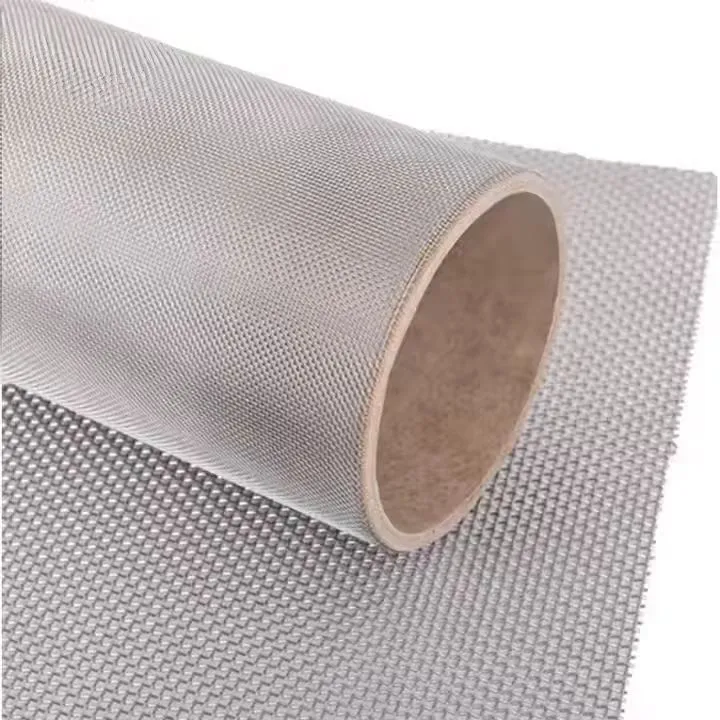
We also conduct various tests on our products to verify their galling resistance. These tests simulate real-world conditions to see how the wire mesh performs under different pressures and friction levels. This allows us to make any necessary adjustments to our manufacturing process and ensure that our customers get the best possible product.
If you're in the market for stainless steel wire mesh and galling resistance is a key consideration for your application, we're here to help. We have a wide range of products to choose from, and our team of experts can provide you with in-depth advice on which type of wire mesh is best suited for your needs. Whether you need a small quantity for a DIY project or a large order for an industrial application, we've got you covered.
So, if you're interested in learning more or want to place an order, don't hesitate to reach out. We're always happy to have a chat and discuss your requirements. Let's work together to find the perfect stainless steel wire mesh solution for you!
References:
- "Stainless Steel Handbook" by ASM International
- "Wear and Galling of Metals" by ASTM International