






Hey there! As a supplier of 304 Stainless Steel Wire Mesh, I often get asked about the frost resistance of our product. Today, I'm gonna break it down for you in simple terms.
What is 304 Stainless Steel Wire Mesh?
First off, let's quickly talk about what 304 stainless steel wire mesh is. 304 stainless steel is one of the most commonly used grades of stainless steel. It's made up of about 18% chromium and 8% nickel, which gives it excellent corrosion resistance. The wire mesh is created by weaving or welding these stainless - steel wires together in a grid pattern. This mesh has a wide range of applications, from industrial filtration to decorative purposes.
Frost Resistance Basics
Now, let's get into the main topic: frost resistance. Frost forms when the temperature of a surface drops below the dew point and the water vapor in the air freezes directly into ice. For materials like our 304 stainless steel wire mesh, frost resistance is crucial, especially in cold climates or applications where the mesh is exposed to low - temperature environments.
One of the key factors contributing to the frost resistance of 304 stainless steel wire mesh is its low thermal conductivity. Stainless steel doesn't conduct heat as well as some other metals. This means that when the ambient temperature drops, the surface of the wire mesh doesn't cool down as rapidly as a more thermally conductive material. As a result, there's less of a chance for water vapor to condense and freeze on the mesh surface.
Another aspect is the smooth surface finish of the 304 stainless steel. A smooth surface has fewer sites for ice crystals to nucleate and grow. Ice formation typically starts at rough or irregular spots on a surface. Since 304 stainless steel wire mesh has a relatively smooth finish, it's more difficult for frost to adhere and build up on it.
Performance in Cold Conditions
In cold climates, the 304 stainless steel wire mesh can maintain its structural integrity. Unlike some metals that become brittle at low temperatures, 304 stainless steel retains its ductility and strength. This is important because if a material becomes brittle, it can crack or break under stress, which would compromise the functionality of the wire mesh.
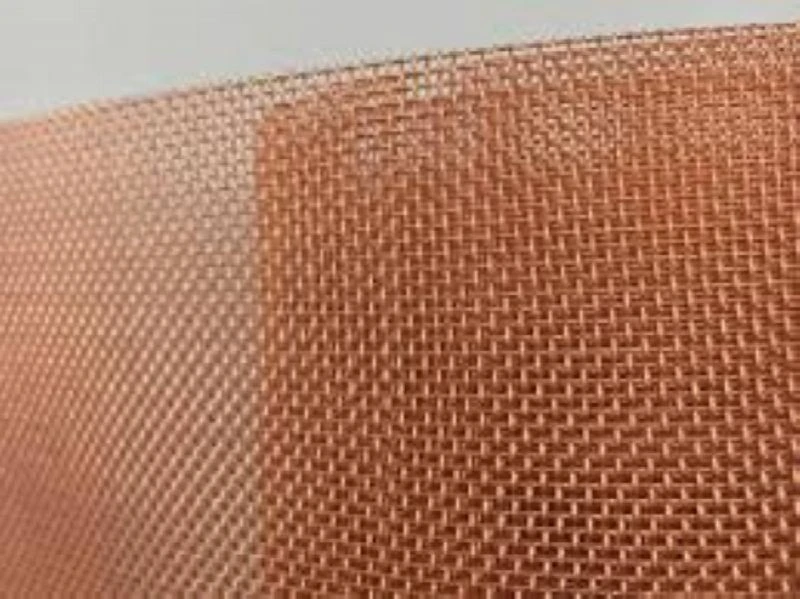

For example, in mining operations where the Stainless steel wire mesh for Mining Screen is used, it may be exposed to freezing temperatures. The frost - resistant properties of 304 stainless steel ensure that the mesh can continue to perform its filtering or screening functions without being damaged by the cold.
Also, the corrosion resistance of 304 stainless steel remains effective even in cold and wet conditions. Frost often comes with moisture, and if a material is not corrosion - resistant, it can start to rust or corrode. Rust not only weakens the material but also provides more rough surfaces for frost to accumulate. With 304 stainless steel wire mesh, you don't have to worry about this issue.
Comparing with Other Wire Meshes
Let's compare 304 stainless steel wire mesh with Phosphor Bronze Wire Mesh and Brass Wire Mesh. Phosphor bronze wire mesh has good mechanical properties, but it may not have the same level of frost resistance as 304 stainless steel. Phosphor bronze is more thermally conductive, so it cools down faster in cold conditions, increasing the likelihood of frost formation.
Brass wire mesh, on the other hand, is also prone to corrosion in moist and cold environments. Corrosion can lead to a rougher surface, which in turn promotes frost buildup. In contrast, 304 stainless steel wire mesh offers better protection against both frost and corrosion.
Applications Benefiting from Frost Resistance
There are several applications where the frost resistance of 304 stainless steel wire mesh is a major advantage.
In the food and beverage industry, where cold storage is common, wire mesh is used for various purposes such as sorting and filtering. The frost - resistant property of 304 stainless steel ensures that the mesh doesn't accumulate ice, which could contaminate the food products.
In outdoor architectural applications, like decorative screens or facades, the wire mesh needs to withstand different weather conditions, including frost. The 304 stainless steel wire mesh not only looks good but also maintains its functionality and appearance even in cold weather.
Maintenance and Long - Term Use
To ensure the long - term frost resistance and performance of 304 stainless steel wire mesh, proper maintenance is still important. Regular cleaning can help remove any dirt or debris that might accumulate on the surface. Dirt can create rough spots where frost can start to form.
It's also a good idea to inspect the mesh periodically, especially after extreme cold weather events. Look for any signs of damage, such as small cracks or corrosion. If any issues are detected early, they can be addressed before they become more serious problems.
Conclusion
In conclusion, 304 stainless steel wire mesh has excellent frost - resistant properties due to its low thermal conductivity, smooth surface finish, and good corrosion resistance. It can perform well in cold conditions without losing its structural integrity or functionality. Whether it's used in mining, food processing, or architectural applications, this wire mesh is a reliable choice.
If you're in need of high - quality 304 stainless steel wire mesh for your project, especially one that requires frost resistance, don't hesitate to reach out. We're here to provide you with the best products and answer any questions you might have. Contact us to start a procurement discussion and find the perfect wire mesh solution for your needs.
References
- "Stainless Steel Handbook" by ASM International
- "Corrosion Resistance of Metals and Alloys" by George S. Cramer