






Chemical stability is a crucial factor when considering the suitability of materials for various applications, especially in industries where exposure to harsh environments is common. As a supplier of nickel wire mesh, I am often asked about the chemical stability of this product. In this blog post, I will delve into the chemical stability of nickel wire mesh, exploring its resistance to different chemicals and the factors that influence its performance.
Understanding Nickel Wire Mesh
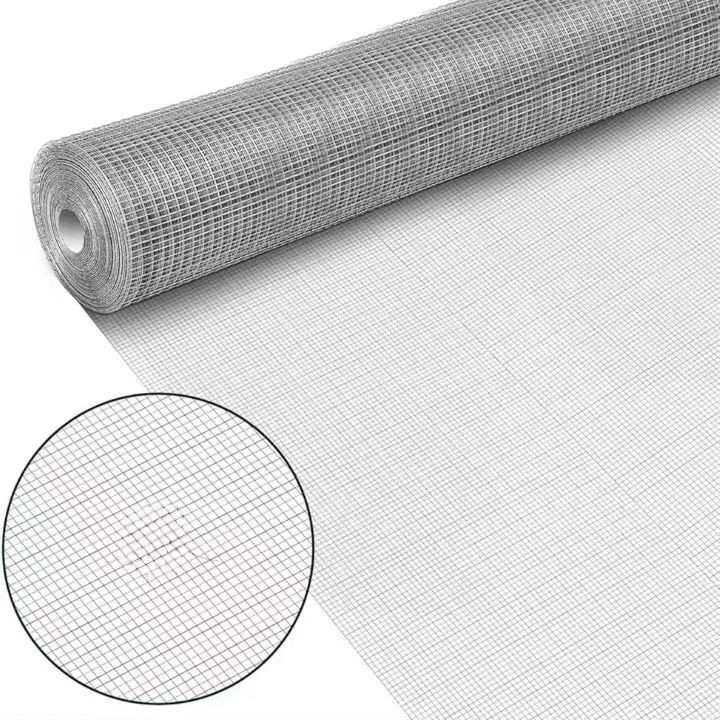
Nickel wire mesh is a versatile material made from high - quality nickel or nickel alloys. It is known for its excellent mechanical properties, such as high tensile strength and good ductility. These properties, combined with its chemical stability, make it a popular choice in a wide range of industries, including chemical processing, food and beverage, and electronics.
Chemical Resistance of Nickel Wire Mesh
Resistance to Acids
One of the key aspects of chemical stability is resistance to acids. Nickel wire mesh generally shows good resistance to many acids, but the degree of resistance depends on the type of acid and its concentration.
- Sulfuric Acid: Nickel wire mesh has moderate to good resistance to sulfuric acid, especially at lower concentrations. At room temperature, it can withstand relatively dilute sulfuric acid solutions. However, as the concentration and temperature increase, the corrosion rate may rise. High - strength nickel alloys can offer better resistance in more aggressive sulfuric acid environments.
- Hydrochloric Acid: The resistance of nickel wire mesh to hydrochloric acid is more limited. Hydrochloric acid is a strong reducing acid, and nickel can react with it, especially at higher temperatures and concentrations. Specialized nickel - based alloys may be required for applications involving significant exposure to hydrochloric acid.
- Nitric Acid: Nickel wire mesh has poor resistance to nitric acid, which is a strong oxidizing acid. Nitric acid can cause rapid corrosion of nickel, and in most cases, other materials like 316L Stainless Steel Wire Mesh may be more suitable for applications where nitric acid is present.
Resistance to Bases
Nickel wire mesh exhibits good resistance to many alkaline solutions. It can withstand sodium hydroxide and potassium hydroxide solutions over a wide range of concentrations and temperatures. This makes it a suitable choice for applications in the chemical industry where contact with bases is common, such as in the production of certain chemicals and in some electrochemical processes.
Resistance to Salts
In salt - containing environments, nickel wire mesh shows relatively good stability. It can resist corrosion in many salt solutions, including sodium chloride solutions, which are commonly found in marine and industrial settings. However, in the presence of certain aggressive salts or under conditions that promote crevice corrosion or pitting, the performance may be affected.
Factors Affecting Chemical Stability
Alloy Composition
The chemical stability of nickel wire mesh is significantly influenced by its alloy composition. Pure nickel has certain chemical resistance properties, but adding other elements can enhance its performance. For example, adding chromium can improve resistance to oxidation and some acids, while molybdenum can increase resistance to pitting and crevice corrosion. Different nickel - based alloys are designed to meet specific chemical resistance requirements in different applications.

Surface Finish
The surface finish of the nickel wire mesh also plays a role in its chemical stability. A smooth, clean surface is less likely to trap corrosive substances and is more resistant to corrosion. During the manufacturing process, proper surface treatment, such as passivation, can improve the surface's chemical stability by forming a protective oxide layer on the surface of the nickel.
Temperature and Pressure
Higher temperatures and pressures can accelerate chemical reactions and increase the corrosion rate of nickel wire mesh. In high - temperature applications, the chemical stability of the material may be compromised, and it is necessary to select the appropriate alloy and design the system to minimize the impact of temperature and pressure on the mesh.
Comparison with Other Wire Mesh Materials
316L Stainless Steel Wire Mesh
316L Stainless Steel Wire Mesh is another popular choice in many industries. It has good corrosion resistance in a wide range of environments, especially in marine and acidic conditions. Compared to nickel wire mesh, 316L stainless steel may have better resistance to nitric acid but may not be as resistant to some alkaline solutions. The choice between the two depends on the specific chemical environment of the application.
Brass Wire Mesh
Brass Wire Mesh is made from a copper - zinc alloy. It has lower chemical stability compared to nickel wire mesh in many harsh chemical environments. Brass is more susceptible to corrosion in acidic and alkaline solutions, especially in the presence of certain chemicals that can cause dezincification. However, it is often used in less demanding applications where cost is a major factor.
Aluminum Wire Mesh
Aluminum Wire Mesh is lightweight and has good electrical conductivity. However, its chemical stability is limited. Aluminum can react with many acids and bases, and it forms a protective oxide layer that can be damaged in some aggressive environments. Nickel wire mesh generally offers better chemical resistance in more challenging chemical conditions.
Applications Based on Chemical Stability
Chemical Processing Industry
In the chemical processing industry, nickel wire mesh is used in filtration and separation processes where it needs to withstand the corrosive effects of various chemicals. For example, in the production of fertilizers, where contact with acids and salts is common, nickel wire mesh can be used in filters to separate solids from liquids.
Food and Beverage Industry
The food and beverage industry requires materials that are chemically stable and non - toxic. Nickel wire mesh meets these requirements and is used in applications such as sieving and filtering food products. Its resistance to many common food - related chemicals and its ability to maintain its integrity make it a suitable choice for this industry.
Electronics Industry
In the electronics industry, nickel wire mesh is used in shielding applications. Its chemical stability ensures that it can maintain its performance over time, even in environments where it may be exposed to small amounts of chemicals or moisture.
Conclusion
The chemical stability of nickel wire mesh is a complex but important characteristic that determines its suitability for various applications. It offers good resistance to many chemicals, especially bases and some salts, but its performance can vary depending on the alloy composition, surface finish, temperature, and pressure. When compared to other wire mesh materials like 316L stainless steel, brass, and aluminum, nickel wire mesh has its unique advantages in terms of chemical resistance.
If you are in need of high - quality nickel wire mesh for your specific application, we are here to help. Our team of experts can assist you in selecting the right type of nickel wire mesh based on your chemical environment and other requirements. Contact us to start a discussion about your procurement needs and find the best solution for your project.
References
- Jones, D. A. (1992). Principles and Prevention of Corrosion. Prentice - Hall.
- Uhlig, H. H., & Revie, R. W. (1985). Corrosion and Corrosion Control. Wiley - Interscience.
- ASM Handbook Committee. (1994). ASM Handbook, Volume 13A: Corrosion: Fundamentals, Testing, and Protection. ASM International.