






What is the Aperture Size of Ss Wire Mesh?
As a seasoned supplier of Ss (Stainless Steel) Wire Mesh, I've encountered numerous inquiries regarding the aperture size of this versatile product. In this blog, I'll delve into the details of what aperture size means, its significance, and how it varies in different applications.
Understanding Aperture Size
The aperture size of Ss Wire Mesh refers to the clear opening between the wires in the mesh. It is typically measured in millimeters (mm) or inches. This measurement is crucial as it determines the size of particles that can pass through the mesh. For example, a smaller aperture size will allow only finer particles to pass, while a larger aperture size will permit larger particles to go through.
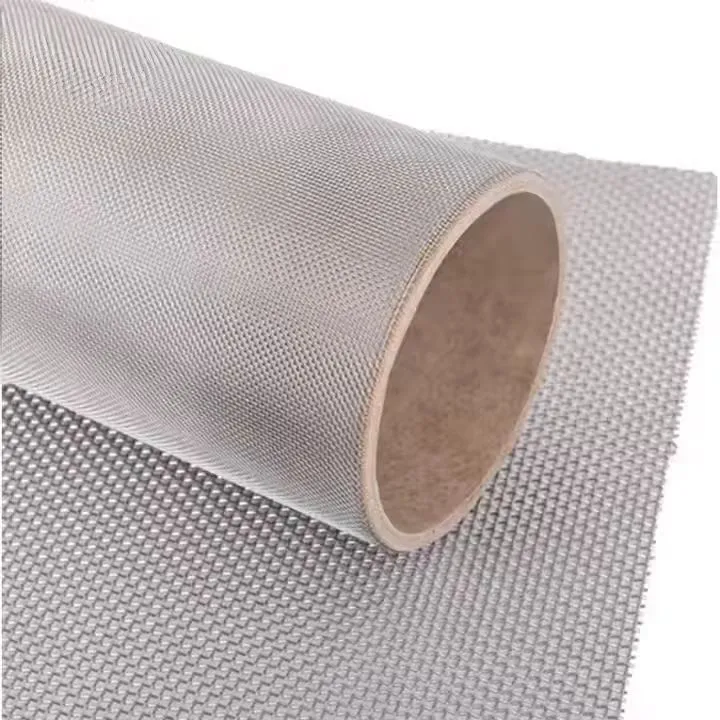

The aperture size is influenced by two main factors: the wire diameter and the mesh count. The wire diameter is the thickness of the individual wires used to make the mesh, and the mesh count is the number of wires per linear inch or centimeter. A higher mesh count means more wires per unit length, resulting in a smaller aperture size. Conversely, a lower mesh count leads to a larger aperture size.
Significance of Aperture Size
The aperture size of Ss Wire Mesh plays a vital role in various industries and applications. Here are some key areas where it matters:
Filtration: In filtration processes, the aperture size determines the efficiency of separating different-sized particles. For instance, in water treatment plants, Ss Wire Mesh with a specific aperture size is used to filter out impurities and debris of a certain size. A smaller aperture size can trap finer particles, ensuring cleaner water.
Sieving: Sieving is another common application where aperture size is critical. In industries such as food processing, pharmaceuticals, and mining, Ss Wire Mesh is used to separate materials based on their particle size. The appropriate aperture size ensures accurate separation and classification of the materials.
Protection: Ss Wire Mesh is also used for protection purposes, such as in security fences and window screens. The aperture size in these applications is chosen to prevent the entry of unwanted objects or pests while allowing air and light to pass through. A smaller aperture size can provide better security but may reduce ventilation.
Common Aperture Sizes and Their Applications
There are a wide range of aperture sizes available for Ss Wire Mesh, each suitable for different applications. Here are some common aperture sizes and their typical uses:
Fine Aperture Sizes (less than 1 mm): These are often used in applications where very fine filtration or sieving is required, such as in laboratory analysis, pharmaceutical manufacturing, and high-precision filtration systems. 316 Stainless Steel Wire Mesh with fine aperture sizes is highly resistant to corrosion and is ideal for these applications.
Medium Aperture Sizes (1 - 5 mm): Medium aperture sizes are commonly used in general filtration and sieving applications, such as in water treatment, food processing, and industrial screening. They can effectively separate particles of moderate size.
Large Aperture Sizes (greater than 5 mm): Large aperture sizes are suitable for applications where large particles need to be separated or where high airflow is required. For example, in agricultural applications, Ss Wire Mesh with large aperture sizes can be used for animal enclosures or as a protective barrier.
Factors to Consider When Choosing Aperture Size
When selecting the appropriate aperture size for your Ss Wire Mesh, there are several factors to consider:
Particle Size: The size of the particles you need to filter or separate is the most important factor. Determine the range of particle sizes in your application and choose an aperture size that can effectively capture or allow the passage of these particles.
Flow Rate: If your application involves fluid flow, such as in filtration or ventilation systems, the aperture size can affect the flow rate. A smaller aperture size may restrict the flow, while a larger aperture size may allow for higher flow rates. Consider the balance between filtration efficiency and flow rate.
Material Compatibility: Ensure that the Ss Wire Mesh is compatible with the materials it will come into contact with. Different grades of stainless steel have varying levels of corrosion resistance, so choose a mesh that can withstand the chemical environment of your application.
Mechanical Strength: The aperture size can also impact the mechanical strength of the Ss Wire Mesh. A smaller aperture size generally results in a stronger mesh, but it may also be more prone to clogging. Consider the mechanical requirements of your application, such as the pressure and load the mesh will need to withstand.
Other Types of Wire Mesh and Their Aperture Sizes
In addition to Ss Wire Mesh, there are other types of wire mesh available, each with its own unique properties and aperture sizes. For example, Nickle Wire Mesh is known for its high corrosion resistance and is often used in chemical processing and marine applications. The aperture sizes of Nickle Wire Mesh can vary depending on the specific requirements of the application.
Another type is the Metal Filter Discs | Wire Mesh & Perforated Metal Filter Plate Filter Round, which are used in filtration systems. These filter discs come in different aperture sizes and can be customized to meet specific filtration needs.
Conclusion
In conclusion, the aperture size of Ss Wire Mesh is a critical parameter that determines its performance in various applications. Understanding the concept of aperture size, its significance, and how to choose the right size for your needs is essential for achieving optimal results. Whether you're in the filtration, sieving, or protection industry, selecting the appropriate aperture size can enhance the efficiency and effectiveness of your processes.
If you're interested in purchasing Ss Wire Mesh or have any questions about aperture sizes and their applications, feel free to contact us. Our team of experts can provide you with personalized advice and help you find the perfect solution for your requirements. We offer a wide range of Ss Wire Mesh products with different aperture sizes and specifications to meet the diverse needs of our customers.
References
- ASTM International. (2023). Standard Specification for Stainless Steel Wire Cloth and Screens. ASTM E2016-18.
- ASM International. (2022). Metals Handbook: Properties and Selection: Stainless Steels, Tool Materials, and Special-Purpose Metals. Volume 3.
Note: The above references are for illustrative purposes only and should be replaced with actual relevant references based on the research and information used in the blog.