





Hexagonal gabion mesh is a versatile and widely used construction material known for its durability, flexibility, and eco - friendliness. As a supplier of hexagonal gabion mesh, I have witnessed firsthand the diverse applications of this remarkable product in various industries. In this blog post, I will explore the main uses of hexagonal gabion mesh and highlight its benefits in each application.
1. Erosion Control
One of the primary uses of hexagonal gabion mesh is erosion control. Erosion is a natural process that can cause significant damage to landscapes, especially in areas prone to heavy rainfall, strong winds, or water flow. Hexagonal gabion mesh can be used to create structures such as retaining walls, riverbank protection, and slope stabilization systems.
When used for riverbank protection, gabion cages filled with stones are placed along the riverbanks. The gabion cages act as a barrier, preventing the river water from eroding the soil. The hexagonal mesh design allows water to flow through the structure, reducing the impact of the water flow on the bank. This helps to maintain the stability of the riverbank and prevent soil loss.
In slope stabilization projects, gabion mesh can be used to create terraces or retaining walls on slopes. The gabions are filled with stones and stacked in a specific pattern to provide support to the slope. The weight of the stones and the interlocking nature of the gabion cages help to prevent the soil from sliding down the slope. Moreover, the vegetation can grow through the gaps in the gabion mesh, further enhancing the stability of the slope and improving the ecological environment. You can learn more about Gabion Cage for erosion control applications.


2. Flood Protection
Hexagonal gabion mesh is also an effective solution for flood protection. During floods, water levels can rise rapidly, causing damage to infrastructure and properties. Gabion structures can be used to create flood barriers and levees.
Gabion walls can be quickly assembled and filled with stones on - site. These walls can be placed along rivers, canals, or other water bodies to divert floodwaters or reduce the impact of the flood. The porous nature of the gabion mesh allows water to seep through, which helps to reduce the hydrostatic pressure on the structure. This makes gabion walls more resistant to the force of the floodwaters compared to traditional solid walls.
In addition, gabion barriers can be used to protect critical infrastructure such as bridges and buildings. By placing gabion cages around these structures, the impact of the floodwaters can be absorbed, reducing the risk of damage. For more information about the use of Gabion Mesh in flood protection, feel free to visit our website.
3. Landscaping
Hexagonal gabion mesh has become increasingly popular in landscaping projects due to its aesthetic appeal and functionality. It can be used to create a variety of landscape features, such as garden walls, planters, and decorative elements.
Gabion garden walls can add a unique and rustic look to a garden. These walls can be used to define boundaries, create privacy, or separate different areas of the garden. The mesh allows plants to grow through, creating a natural and green appearance. You can choose different sizes and colors of stones to fill the gabions, depending on your design preferences.
Gabion planters are another popular landscaping application. They can be used to grow flowers, herbs, or small shrubs. The porous nature of the gabion mesh ensures good drainage, which is essential for plant growth. Gabion planters can be placed on patios, balconies, or in the garden, adding a touch of greenery to the outdoor space.
Decorative gabion elements, such as sculptures or art installations, can also be created using hexagonal gabion mesh. These elements can be customized in different shapes and sizes, making them a unique addition to any landscape.
4. Road and Railway Construction
In road and railway construction, hexagonal gabion mesh plays an important role in ensuring the stability of the infrastructure. Along roads and railways, slopes are often present, and there is a risk of soil erosion and landslides.
Gabion retaining walls can be used to support the embankments on both sides of the road or railway. These walls help to prevent the soil from collapsing onto the transportation route, ensuring the safety of the vehicles and trains. The gabion walls can also withstand the vibrations caused by the traffic, making them a reliable solution for long - term use.
In addition, gabion mesh can be used for the drainage of the road and railway beds. By placing gabion structures in the drainage channels, water can be effectively drained away, preventing waterlogging and damage to the infrastructure. You can find more details about Galvanized Wire Gabion Box for road and railway construction applications.
5. Aquaculture
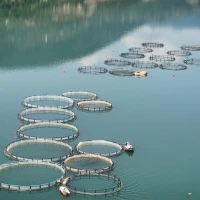
Hexagonal gabion mesh is also used in the aquaculture industry. It can be used to create fish ponds, shrimp farms, and other aquaculture facilities.
Gabion cages can be used as fish enclosures. The mesh allows water to circulate freely, providing a healthy environment for the fish. The cages can be placed in rivers, lakes, or the sea, and they can be easily adjusted in size and shape according to the needs of the aquaculture operation.
In addition, gabion structures can be used to create breakwaters in aquaculture areas. These breakwaters help to reduce the impact of waves and currents, protecting the aquaculture facilities from damage. The porous nature of the gabion mesh also allows marine organisms to attach and grow on the structure, promoting the ecological balance in the aquaculture area.
Benefits of Using Hexagonal Gabion Mesh
- Durability: Hexagonal gabion mesh is made of high - quality materials, such as galvanized steel wire or PVC - coated wire. These materials are resistant to corrosion, rust, and weathering, ensuring a long service life of the gabion structures.
- Flexibility: The hexagonal mesh design makes the gabion structures flexible and adaptable to different terrains and conditions. They can be easily installed on uneven ground and can withstand ground movements without significant damage.
- Eco - friendliness: Gabion structures are filled with natural stones, which are an environmentally friendly material. The porous nature of the gabion mesh allows vegetation to grow, promoting ecological restoration and biodiversity.
- Cost - effectiveness: Compared to traditional construction materials, hexagonal gabion mesh is relatively inexpensive. The installation process is also simple and requires less labor, reducing the overall cost of the project.
Conclusion
As a supplier of hexagonal gabion mesh, I am proud to offer a product that has such a wide range of applications. Whether it is for erosion control, flood protection, landscaping, road and railway construction, or aquaculture, hexagonal gabion mesh provides a reliable and cost - effective solution.
If you are interested in using hexagonal gabion mesh for your project, I encourage you to contact us for more information. Our team of experts can provide you with detailed product specifications, installation guidance, and competitive pricing. We are committed to providing high - quality products and excellent customer service to meet your needs. Let's work together to create a more stable, beautiful, and sustainable environment.
References
- "Gabion Design and Construction Manual" by the Federal Highway Administration.
- "Erosion and Sediment Control Handbook" by the Soil and Water Conservation Society.
- "Landscape Architecture: A Manual of Site Planning and Design" by John O. Simonds.